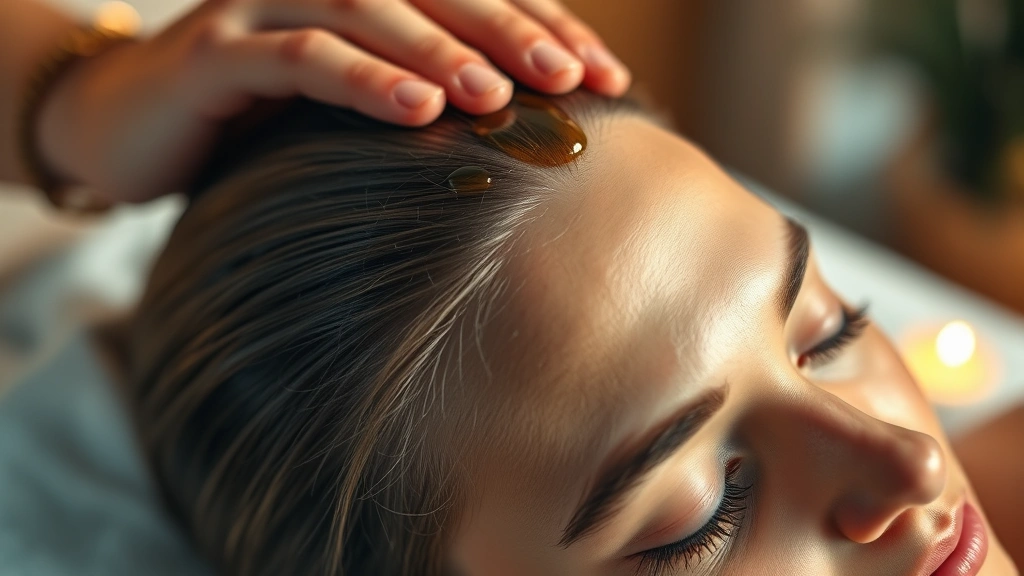
Top Oils for Hair Growth: Expert Picks and Science-Backed Solutions
Hair loss and thinning can significantly impact your confidence and self-image, making it one of the most common concerns people face when pursuing personal wellness and self-improvement. While genetics play a role, the truth is that nurturing your hair health through targeted treatments is an actionable step toward feeling your best. Natural oils have emerged as powerful allies in this journey, offering nutrients, antioxidants, and circulation-boosting compounds that support scalp health and hair growth from the root.
The market is flooded with hair growth products, but many contain synthetic chemicals and empty promises. Instead, returning to nature’s pharmacy provides evidence-based solutions that have been trusted for centuries across multiple cultures. This guide explores the most effective oils for hair growth, how they work at a biological level, and how to integrate them into your wellness routine as part of your broader personal growth journey toward optimal health.

Understanding Hair Growth Biology
Before diving into specific oils, it’s essential to understand what drives hair growth at a cellular level. Hair follicles operate in cycles: the anagen phase (active growth), catagen phase (transition), and telogen phase (resting). The duration and health of the anagen phase directly determines how long and strong your hair becomes. Nutritional deficiencies, poor circulation, oxidative stress, and inflammation can prematurely push follicles into resting phases, resulting in visible hair loss.
This is where natural oils become transformative. The best oils for hair growth work through multiple mechanisms: improving blood flow to the scalp, reducing inflammation, providing essential fatty acids, delivering antioxidants, and creating an optimal environment for follicle function. When you commit to consistent oil treatments, you’re essentially setting achievable goals for your hair health and following through with daily self-care practices.
Research from PubMed Central demonstrates that specific botanical oils contain compounds that extend the anagen phase and increase follicle size, leading to thicker, longer hair over 3-6 months of consistent use.

Rosemary Oil: The Circulation Champion
Rosemary oil stands as one of the most scientifically validated oils for hair growth. A landmark study published in Skinmed compared rosemary oil directly to minoxidil (a common pharmaceutical treatment) and found comparable results after six months, with participants experiencing increased hair thickness and growth.
The mechanism behind rosemary’s effectiveness lies in its ability to enhance microcirculation around hair follicles. Improved blood flow delivers more oxygen and nutrients to follicle cells, directly supporting the protein synthesis required for hair growth. Rosemary oil also contains carnosic acid, a powerful antioxidant that protects follicles from oxidative stress—a major contributor to hair loss.
Beyond hair benefits, this oil promotes overall wellness. Many people incorporate rosemary oil into their daily routine as part of a holistic approach to increase motivation and mental clarity, as the herb’s aroma has mood-elevating properties.
For best results, combine rosemary oil with a carrier oil like coconut or jojoba at a 2:3 ratio, massage into your scalp for 5-10 minutes, and leave it on for at least 30 minutes or overnight. Consistency matters—aim for 2-3 applications weekly.
Castor Oil: Deep Nourishment and Strength
Castor oil represents one of the richest sources of omega-6 and omega-9 fatty acids available in plant form. These essential fatty acids are fundamental building blocks for hair structure and cannot be synthesized by your body. When applied topically, castor oil penetrates the hair shaft and scalp, providing deep nourishment that strengthens hair from within.
The oil also contains ricinoleic acid, which possesses anti-inflammatory and antimicrobial properties. This makes castor oil particularly effective for those with scalp inflammation, dandruff, or folliculitis—conditions that actively suppress hair growth. By addressing underlying scalp health issues, you create an environment where hair can thrive.
Additionally, castor oil contains vitamin E and antioxidants that combat free radical damage. This aligns with the principle of adopting a growth mindset toward health: understanding that small, consistent actions compound into significant results over time.
Castor oil is thicker than other oils, so dilute it with a lighter carrier oil. Apply to your scalp and hair, focusing on mid-lengths and ends. Leave it on for 1-2 hours before shampooing thoroughly. Weekly applications yield noticeable strengthening within 4-6 weeks.
Peppermint Oil: Stimulating Growth Response
Peppermint oil activates hair follicles through a unique mechanism: it stimulates sensory nerve endings in the scalp, triggering a localized vasodilation response. Research published in Phytotherapy Research showed that peppermint oil increased follicle depth, hair thickness, and overall hair growth rate in animal models, with results comparable to minoxidil.
The menthol compound in peppermint creates a tingling sensation that signals increased blood flow and nutrient delivery. This makes it an excellent choice for those seeking more dramatic, noticeable results. Peppermint oil also possesses antimicrobial properties that maintain scalp health and prevent infections that could compromise follicle function.
Never apply peppermint oil undiluted to your scalp, as it can cause irritation. Always mix it with carrier oils at a 1:4 ratio. Many people find that the refreshing sensation becomes part of their daily self-care ritual, supporting the growth resources needed for consistent personal development and wellness practices.
Apply diluted peppermint oil to your scalp, massage for 5-10 minutes, and leave it on for 20-30 minutes before shampooing. The stimulating effect makes it ideal for morning applications when you want an energizing boost.
Coconut Oil: Protein Protection and Moisture
Coconut oil offers a different approach to hair growth support: it focuses on protecting existing hair from damage while creating optimal conditions for new growth. The oil’s medium-chain fatty acids penetrate the hair shaft, reducing protein loss during washing and environmental exposure.
Hair is primarily composed of a protein called keratin. Every time you wash, style, or expose your hair to heat or UV rays, it loses protein molecules. Coconut oil acts as a protective barrier, minimizing this loss and maintaining hair strength and elasticity. Stronger hair breaks less frequently, allowing it to grow longer and thicker.
Furthermore, coconut oil contains lauric acid, which has antimicrobial and anti-inflammatory properties that support scalp health. A healthy scalp microbiome directly correlates with healthy hair growth. The oil also provides moisture that prevents dryness and brittleness—conditions that inhibit growth.
Unlike heavier oils, coconut oil can be used more frequently. Apply it as a leave-in conditioner to damp hair, focusing on mid-lengths and ends. For scalp treatments, use virgin coconut oil and leave it on for 30-60 minutes weekly. This simple ritual becomes part of your commitment to personal growth through consistent self-care.
Argan Oil: Antioxidant Rich Formula
Argan oil, extracted from Moroccan argan tree nuts, stands out for its exceptional antioxidant profile. It contains vitamin E, phenolic compounds, and carotenoids that combat oxidative stress—a primary driver of premature hair loss and graying. These antioxidants neutralize free radicals that damage follicle cells and prematurely push them into resting phases.
The oil is also rich in linoleic and oleic acids, essential fatty acids that support hair elasticity and strength. Unlike many oils that can feel heavy, argan oil absorbs quickly and doesn’t leave residue, making it suitable for all hair types, including fine and thin hair that benefits from growth support without added weight.
Argan oil provides lightweight moisture and protection without the heaviness of coconut or castor oil. Apply a few drops to damp hair as a leave-in treatment or use it as a scalp massage oil diluted with lighter oils. Its luxurious texture makes it feel like a premium self-care ritual, reinforcing your commitment to wellness.
Application Methods for Maximum Results
The most effective oil is one you’ll use consistently. Understanding proper application methods ensures you maximize benefits while fitting treatment into your lifestyle.
- Scalp Massage Method: Apply diluted oil directly to your scalp and massage in circular motions for 5-10 minutes. This stimulates blood flow while ensuring the oil reaches follicle roots. Do this 2-3 times weekly.
- Deep Conditioning Treatment: Mix oils and apply to damp hair from roots to ends. Cover with a shower cap and leave on for 1-2 hours or overnight. This intensive treatment deeply nourishes both scalp and hair strands.
- Leave-In Application: Use lightweight oils like argan on damp hair as a leave-in conditioner. Apply sparingly to avoid greasiness while providing ongoing protection throughout the day.
- Oil Blending: Combine complementary oils for synergistic benefits. Mix rosemary and peppermint for circulation stimulation, or castor and coconut for nourishment and protection.
- Frequency Considerations: Fine or thin hair may benefit from lighter, more frequent applications (2-3 times weekly with lightweight oils). Thick or coarse hair tolerates heavier oils and can benefit from weekly deep treatments.
Creating Your Hair Growth Ritual
True transformation comes from viewing hair growth not as a temporary fix but as a sustainable practice integrated into your wellness lifestyle. This mindset aligns with principles of personal development—understanding that consistent, small actions compound into remarkable results.
Start by selecting one or two oils that resonate with your hair type and lifestyle. Commit to a 90-day trial, applying treatments consistently 2-3 times weekly. Document your progress with photos taken under consistent lighting. Most people notice visible improvements in hair thickness and reduced shedding within 6-8 weeks, with significant growth visible at the 12-week mark.
Create a dedicated time for oil treatments. Whether it’s Sunday evening deep conditioning while reading, or a morning scalp massage ritual, consistency matters more than intensity. This practice becomes meditative, supporting mental health alongside physical hair growth. Research from the American Psychological Association demonstrates that consistent self-care rituals reduce stress and improve overall wellbeing.
Combine oil treatments with complementary practices: maintain adequate protein intake (hair is made of protein), manage stress (cortisol suppresses growth), get quality sleep (follicles regenerate during sleep), and protect hair from heat damage. This holistic approach acknowledges that hair health reflects overall health.
Remember that results require patience. Hair grows approximately half an inch monthly, and visible improvements take time. This teaches valuable lessons about delayed gratification and trusting the process—principles that extend far beyond hair care into all areas of personal growth and achievement.
FAQ
How long before I see results from hair growth oils?
Most people notice reduced hair loss and improved scalp health within 4-6 weeks of consistent use. Visible hair growth typically appears at 8-12 weeks, with significant thickness improvements at 16-24 weeks. Hair growth is a slow process, so patience is essential.
Can I use multiple oils together?
Absolutely. Combining oils creates synergistic benefits. Mix rosemary and peppermint for enhanced circulation, or blend castor and coconut for nourishment plus protection. Use 2-3 oils maximum to avoid excessive weight on hair.
Are these oils safe for all hair types?
Most oils are safe for all hair types when properly diluted and applied correctly. Fine hair benefits from lighter oils like argan, used sparingly. Thick, coarse hair tolerates heavier oils like castor. Start with small amounts and adjust based on your hair’s response.
Can I leave oil on my scalp overnight?
Yes, overnight treatments are highly effective. Cover your pillow with a dark towel to protect it. Overnight application allows maximum penetration and nourishment. Wash thoroughly in the morning with a gentle shampoo.
Should I stop using these oils if I experience irritation?
Mild tingling from peppermint is normal, but significant irritation warrants stopping. Discontinue use, rinse thoroughly, and try a different oil. Some people have sensitivities to specific oils. Always patch test new oils on a small scalp area first.
Do these oils work for hair loss caused by genetics?
Oils cannot reverse pattern baldness entirely, but they can slow progression and maximize the health of existing hair. They work best as preventative treatments and for maintaining hair vitality. Combine with other evidence-based treatments for optimal results.


