
Boost Beard Growth: Expert Phase Insights
Growing a magnificent beard is more than just letting your facial hair run wild—it’s a strategic journey through distinct biological phases that require understanding, patience, and proper care. Your beard doesn’t grow uniformly or at a constant rate; instead, it progresses through several predictable stages, each with unique characteristics and challenges. By understanding these beard growth phases, you can optimize your grooming routine, set realistic expectations, and achieve the facial hair you’ve always wanted.
The science behind beard development involves multiple factors including genetics, hormones, age, and lifestyle choices. Just as personal growth requires intentional action and knowledge, beard growth demands a comprehensive approach that addresses nutrition, skincare, and patience. Many men abandon their beard journey prematurely because they don’t understand what’s happening during the awkward middle phases. This guide will illuminate each stage of beard development and provide evidence-based strategies to maximize your results.
Understanding the Anagen Phase
The anagen phase represents the active growth stage of your beard cycle, where hair follicles are actively producing new cells and extending the hair shaft. This phase typically lasts between 2 to 7 years, though individual variation is significant based on genetics and overall health. During anagen, your beard grows approximately half an inch per month on average, though this rate varies considerably among individuals.
During the anagen phase, your hair follicles are metabolically active and require substantial resources. This is why maintaining motivation and consistency becomes crucial—you’re investing in a long-term project. The duration of your anagen phase is primarily determined by genetics, which explains why some men can grow impressively long beards while others plateau at shorter lengths. However, you can still optimize growth within your genetic potential.
Understanding that you’re in an active growth phase should motivate you to provide optimal conditions for your follicles. Think of this stage as the growth mindset period where every action counts. Ensuring adequate blood flow to facial hair through exercise, maintaining proper hydration, and managing stress all support robust anagen phase performance.
Navigating the Catagen Transition
The catagen phase is a brief transitional period lasting 2 to 3 weeks where hair growth slows and eventually stops. During this phase, the hair follicle shrinks, and the connection between the hair root and blood supply begins to weaken. This is a natural part of the cycle, though many men don’t realize it’s occurring and may become discouraged if they notice reduced growth rates.
What makes catagen particularly important is recognizing it as a natural pause rather than a failure. This phase mirrors the concept of growth mindset principles—understanding that plateaus are temporary and necessary. During catagen, maintaining consistent grooming practices and beard care becomes even more important because your follicles are vulnerable during this transition.
Many men experience increased beard shedding during this phase, which can be alarming if you’re unaware of the natural cycle. Shedding 50-100 hairs daily is completely normal and doesn’t indicate problems. However, this is an excellent time to emphasize scalp and beard health through gentle massage, which can improve circulation and support follicle health as you transition toward the next phase.
The Critical Telogen Resting Period
The telogen phase is the resting stage lasting 2 to 4 months where hair growth has completely stopped. The hair shaft is no longer receiving nutrients from the follicle, and it remains in place primarily due to friction and the follicle’s physical structure. During this phase, your beard may feel less full, and you’ll notice continued shedding as old hairs make room for new growth.
Understanding telogen is essential for maintaining psychological resilience during your beard journey. This phase can feel discouraging because you’re not seeing active growth, but it’s a necessary biological process. The telogen phase typically affects different hair follicles at different times, which is why you don’t lose your entire beard at once. Instead, you experience gradual shedding that’s barely noticeable if you’re aware of the cycle.
Interestingly, the length of your telogen phase partially determines your maximum beard length potential. If your telogen phase is shorter, hairs will shed before reaching their full genetic length potential. This is why personal growth in beard development involves accepting biological constraints while optimizing within them. Supporting your follicles during telogen with proper nutrition and scalp care can help ensure they transition smoothly back into anagen phase.
Nutritional Support for Optimal Growth
Your beard growth directly reflects your internal nutritional status. Hair follicles require specific vitamins, minerals, and proteins to function optimally. Biotin, a B-vitamin, plays a crucial role in keratin production—the primary protein in hair. Studies published in the Journal of Cosmetic Dermatology demonstrate that biotin supplementation can improve hair growth and strength, particularly in individuals with deficiencies.
Zinc is another critical nutrient that supports hair growth and immune function. Deficiency in zinc can trigger telogen effluvium, a condition where excessive hair shedding occurs prematurely. You can obtain zinc from oysters, beef, pumpkin seeds, and chickpeas. Similarly, iron deficiency anemia can impair hair growth, making it essential to ensure adequate iron intake through red meat, spinach, or supplementation if recommended by your healthcare provider.
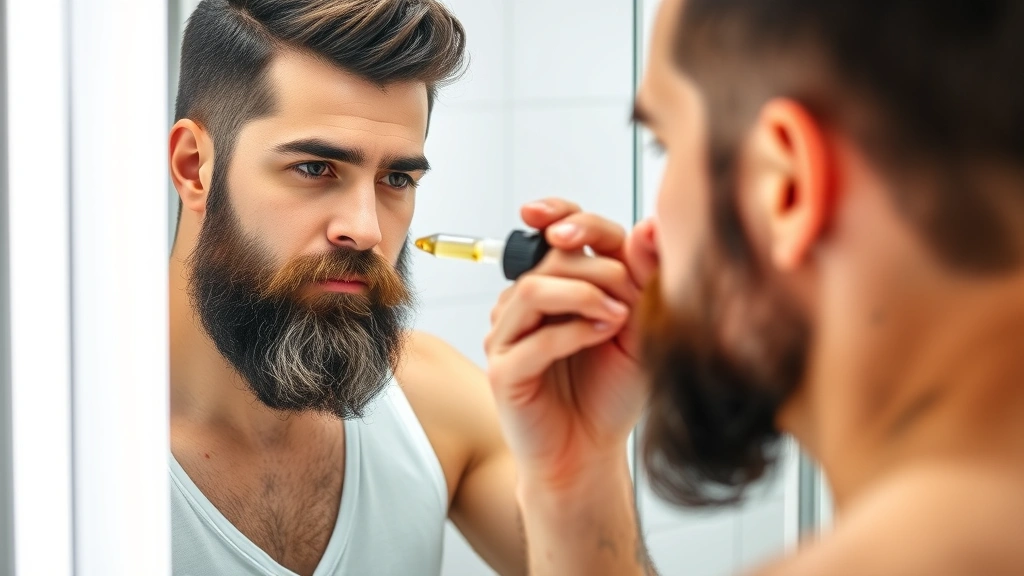
Protein forms the structural foundation of hair, so ensure you’re consuming adequate amounts—approximately 0.8 to 1.0 grams per pound of body weight daily. Amino acids like lysine and methionine are particularly important for hair strength. Additionally, omega-3 fatty acids support scalp health and reduce inflammation that might impair follicle function. Consider incorporating specialized hair growth serums alongside nutritional optimization for synergistic benefits.
Vitamin D deficiency has been linked to various hair loss conditions in research published by PubMed Central. Ensuring adequate vitamin D through sunlight exposure, supplementation, or dietary sources supports follicle cycling and prevents premature shedding. Think of nutrition as the foundation of your beard growth strategy—without proper fuel, even optimal grooming practices cannot overcome biological limitations.
Skincare and Beard Maintenance
The skin beneath your beard requires dedicated attention to support healthy growth. Accumulated dead skin cells, sebum buildup, and bacteria can create an inhospitable environment for follicles. Gentle cleansing with a beard wash specifically formulated for facial hair removes debris without stripping natural oils that protect both skin and hair.
Exfoliation 2-3 times weekly helps remove dead skin cells and prevents ingrown hairs that can damage follicles. Use a soft-bristled brush or gentle exfoliating scrub rather than harsh tools that might irritate sensitive facial skin. This practice becomes increasingly important as your beard grows longer, as the increased hair density can trap more dead skin and sebum against your skin.
Beard oil serves multiple functions: it moisturizes the skin underneath, conditions the hair shaft, and provides a pleasant appearance and feel. Many high-quality beard oils contain carrier oils like jojoba or argan oil combined with essential oils. Research on botanical oils in Taylor & Francis Online publications suggests that certain oils possess anti-inflammatory properties that support scalp health.
Maintaining a consistent grooming routine, as discussed in our Growth Life Hub Blog, demonstrates commitment to your beard journey. Regular trimming of split ends every 4-6 weeks prevents damage from traveling up the hair shaft. While trimming seems counterintuitive when growing a beard, removing damaged hair promotes healthier overall growth and prevents the ragged appearance that can develop as beards get longer.

Common Growth Obstacles and Solutions
Patchy Beard Growth: Uneven growth is typically genetic, but can also result from nutritional deficiencies, stress, or skin conditions. Address nutritional gaps first, then practice patience—some areas may be in different phases of the growth cycle. Minoxidil (Rogaine) has shown efficacy for promoting beard growth in some studies, though results vary individually. Consult with a dermatologist before use.
Itching and Irritation: The infamous beard itch occurs primarily during the first 2-4 weeks when hair emerges from the skin at an angle. This passes as hair grows longer and becomes softer. Meanwhile, use beard oil, gentle cleansing, and avoid scratching, which can damage follicles. Hydration and stress management from the American Psychological Association resources can help reduce inflammation-related itching.
Slow Growth Rate: If your beard grows slower than expected, evaluate stress levels, sleep quality, and nutritional status. Chronic stress elevates cortisol, which can push follicles into telogen prematurely. Prioritize 7-9 hours of quality sleep nightly, as growth hormone peaks during deep sleep. Regular exercise improves circulation and reduces stress hormones—both crucial for optimal beard development.
Breakage and Split Ends: These occur from mechanical stress, heat damage, or dryness. Protect your beard while sleeping using a silk pillowcase or beard net. Avoid excessive heat styling, and use beard conditioner regularly. If breakage is severe, you may need to trim more frequently while improving your care routine.
Ingrown Hairs: These result from hair curling back into the skin, causing inflammation and potential infection. Prevent them through gentle exfoliation, proper moisturization, and avoiding tight grooming practices. If ingrown hairs develop, resist the urge to pick at them—instead, apply warm compresses and allow them to resolve naturally.
FAQ
How long does it take to grow a full beard?
Growing a visibly full beard typically requires 2-4 months of consistent growth without trimming. However, reaching longer lengths can take 1-3 years or more depending on genetics and care practices. The beard growth phases cycle continuously, so patience and consistency are essential.
Can I speed up beard growth?
While genetics set your maximum growth rate, you can optimize conditions through proper nutrition, stress management, sleep quality, and skincare. Biotin supplementation may help if you have deficiencies, and minoxidil shows promise in research, though individual results vary. Focus on creating the best possible environment for your follicles rather than expecting miraculous acceleration.
Why does my beard grow in different directions?
Hair growth direction is determined by follicle angle, which is genetic and varies across your face. As your beard grows longer, you can train it to grow in more uniform directions through consistent brushing and styling, but you cannot fundamentally change the natural growth pattern.
Should I trim my beard while growing it?
Yes, trimming every 4-6 weeks removes split ends and damaged hair, promoting healthier overall growth. Removing just 1/4 inch prevents damage from traveling up the shaft without significantly slowing your length goals. Think of it as investing in quality rather than quantity.
What’s the best beard growth supplement?
No single supplement works universally because deficiencies vary individually. Biotin, zinc, vitamin D, and protein are well-researched nutrients supporting hair health. Before supplementing, identify your specific nutritional gaps through dietary analysis or blood work recommended by your healthcare provider.
How do I know if my beard will get thicker?
Beard thickness is primarily genetic and determined by your hair follicle density and individual hair diameter. As your beard grows longer, it often appears thicker due to the cumulative volume. Proper care, nutrition, and health practices ensure your beard reaches its genetic thickness potential.
Your beard growth journey parallels personal development principles—both require understanding phases, maintaining consistency, and celebrating incremental progress. By mastering the science of beard growth phases and implementing evidence-based strategies, you’ll achieve impressive facial hair while building the patience and discipline that serve you in all areas of life. Start today, stay consistent, and watch your beard flourish through each phase of its remarkable journey.


