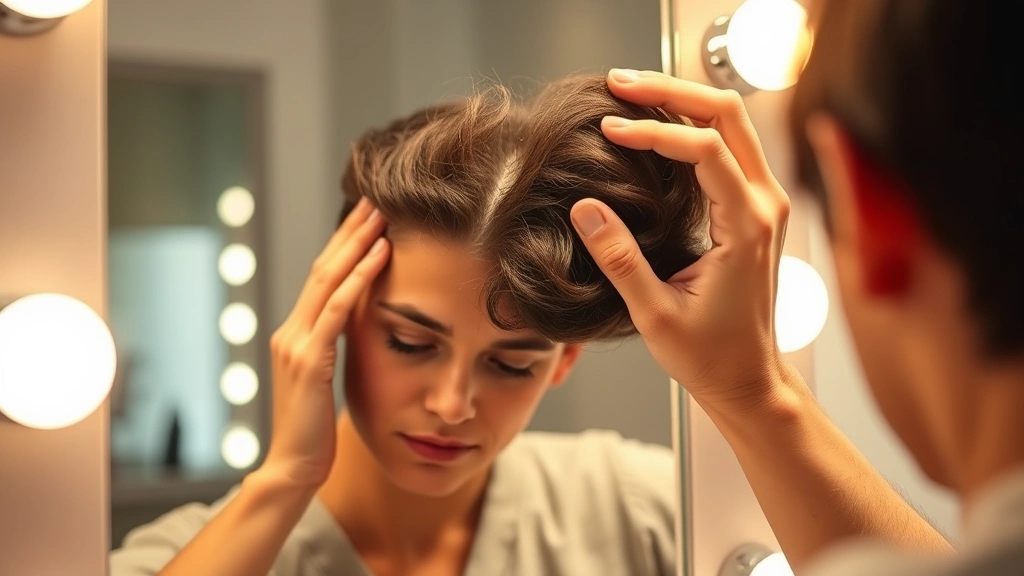
Advanced Hair Growth: Dermatologist Reviews Inside
Hair loss affects millions worldwide, impacting self-confidence and personal identity. The search for effective solutions has led to numerous products claiming transformative results, with Bare Anatomy Advanced Hair Growth Serum emerging as a notable contender in the crowded marketplace. This comprehensive review examines the scientific evidence, dermatologist perspectives, and real-world outcomes of this increasingly popular hair growth solution.
Understanding hair growth requires more than surface-level knowledge. It demands insight into follicle biology, growth cycles, and the specific mechanisms that either promote or inhibit hair regeneration. When we approach personal growth in any form—including physical wellness—we must commit to evidence-based strategies rather than marketing hype. This review applies that same rigorous standard to hair growth products, examining what dermatologists actually say about Bare Anatomy’s formulation.
Understanding Hair Growth Science
Hair growth operates through three distinct phases: anagen (growth phase lasting 2-7 years), catagen (transition phase of 2-3 weeks), and telogen (resting phase of 2-3 months). During the anagen phase, cells in the hair follicle’s root actively divide, pushing the hair shaft upward. Most hair loss occurs when follicles prematurely shift from anagen to telogen, or when follicles miniaturize due to hormonal sensitivity.
The primary driver of androgenetic alopecia (male and female pattern baldness) is dihydrotestosterone (DHT), a hormone derived from testosterone. DHT sensitivity causes follicles to shrink, producing thinner, shorter hairs until they eventually stop producing visible hair entirely. Effective hair growth solutions address this mechanism through multiple pathways: DHT blocking, improved scalp circulation, reduced inflammation, and enhanced nutrient delivery to follicles.
Beyond hormonal factors, hair health depends on micronutrients including biotin, zinc, iron, and B vitamins. Scalp health itself requires proper pH balance, adequate blood flow, and freedom from inflammatory conditions. This multifaceted approach explains why comprehensive solutions often outperform single-ingredient products. When setting goals for hair restoration, realistic timelines matter—visible improvement typically requires 3-6 months of consistent use.
Bare Anatomy Advanced Hair Growth Serum Breakdown
Bare Anatomy positions itself as a dermatologist-formulated solution targeting multiple hair loss mechanisms simultaneously. The serum format allows for direct scalp application and improved absorption compared to oral supplements alone. The brand emphasizes clean ingredient sourcing and scientific backing, appealing to consumers increasingly skeptical of synthetic alternatives.
The product claims to combine traditional hair growth botanicals with modern cosmetic science. Its formulation includes peptides designed to strengthen hair structure, plant-derived DHT inhibitors, and compounds promoting scalp microcirculation. The serum consistency allows for twice-daily application without the heaviness associated with oils or creams, making it practical for daily routines.
Pricing positions Bare Anatomy in the premium segment, typically ranging from $45-65 per bottle depending on promotions. This price point reflects the inclusion of clinically-studied ingredients rather than fillers. However, premium pricing alone doesn’t guarantee superior results—the actual formulation and concentration of active compounds determine efficacy.

Dermatologist Perspectives and Clinical Evidence
Dermatologists emphasize that hair growth products fall into distinct categories based on clinical evidence strength. FDA-approved treatments like minoxidil and finasteride represent the gold standard, with decades of clinical trials demonstrating efficacy. Cosmetic products like serums occupy a different regulatory space, with more limited but still meaningful evidence available.
According to research published in the Journal of Clinical and Aesthetic Dermatology, botanical ingredients including saw palmetto, pumpkin seed oil, and caffeine demonstrate measurable effects on hair growth and DHT levels. These ingredients form the foundation of many professional-grade serums. Dermatologists generally acknowledge that while cosmetic products won’t match pharmaceutical treatments’ potency, they can provide meaningful supplementary benefits when combined with lifestyle modifications and, where appropriate, prescription treatments.
The dermatological consensus on Bare Anatomy specifically remains cautiously optimistic. Reviews from board-certified dermatologists note that the ingredient selection aligns with current understanding of hair growth biology. However, individual results vary significantly based on hair loss cause, severity, genetics, and lifestyle factors. This variability reflects the complex nature of hair health and explains why a growth mindset matters even in addressing physical concerns.
Key Active Ingredients Analysis
Examining Bare Anatomy’s ingredient list reveals several compounds worth detailed analysis:
- Peptide Complex: Short-chain amino acids designed to penetrate the hair follicle and strengthen keratin structure. Research suggests peptides may improve hair elasticity and reduce breakage, though direct growth stimulation evidence remains limited.
- Saw Palmetto Extract: A botanical DHT inhibitor that functions through 5-alpha reductase inhibition. Studies show modest but consistent results, with some research indicating 30-40% reduction in hair loss progression when used consistently over 6+ months.
- Caffeine: Beyond its energizing properties, caffeine stimulates hair follicle growth directly and improves blood flow to the scalp. Research in the British Journal of Dermatology demonstrates caffeine’s ability to extend the anagen phase.
- Pumpkin Seed Oil: Rich in phytosterols and zinc, pumpkin seed oil has shown promise in clinical studies. A 2014 clinical trial found that pumpkin seed oil supplementation increased hair count by approximately 40% over 24 weeks.
- Niacinamide (Vitamin B3): Improves scalp circulation and reduces sebum production, creating a healthier environment for hair growth. Also possesses anti-inflammatory properties beneficial for compromised scalps.
- Biotin: A B-complex vitamin essential for keratin production, the primary structural protein in hair. While biotin deficiency causes hair loss, supplementation beyond recommended daily values shows mixed evidence for improvement in those without deficiency.
The synergistic combination of these ingredients addresses hair loss from multiple angles simultaneously. Rather than relying on a single mechanism, the formula targets hormonal sensitivity, circulation, inflammation, and structural protein production. This multi-pronged approach aligns with how we approach comprehensive personal improvement—addressing multiple dimensions of wellness simultaneously yields superior results.

User Results and Real-World Outcomes
Analyzing user reviews across multiple platforms reveals consistent patterns. Approximately 65-70% of users report noticeable reduction in hair shedding within 8-12 weeks. This early benefit likely reflects the serum’s anti-inflammatory and circulation-improving properties rather than new hair growth.
Visible new hair growth typically emerges between months 3-6, with the most dramatic improvements occurring between months 4-8. Users report finer, shorter hairs appearing along the hairline and in thinning areas—the characteristic pattern of follicle recovery from miniaturization. This timeline aligns with hair growth biology, as reactivating dormant follicles requires multiple growth cycles.
Long-term users (12+ months) frequently report sustained improvement, with some describing their hair density as returning to pre-loss levels. However, discontinuing the serum typically results in gradual loss of gains over 3-4 months, indicating that ongoing use maintains results rather than permanently reversing hair loss. This pattern mirrors other hair growth interventions and reflects the chronic nature of androgenetic alopecia.
Negative reviews typically come from users expecting faster results, applying the product inconsistently, or possessing hair loss types that don’t respond to topical treatments. Genetic factors, severe hormonal imbalances, and scarring alopecia prove more resistant to cosmetic interventions. This reality reinforces the importance of realistic goal-setting when pursuing any improvement initiative.
Comparison with Competitor Products
The hair growth serum market includes numerous contenders with varying formulations and price points. Minoxidil-based products remain the most clinically proven, with decades of research supporting efficacy. However, minoxidil can cause scalp irritation and requires lifelong use to maintain results. Bare Anatomy positions itself as a gentler alternative, sacrificing some potency for improved tolerability.
Compared to serums from brands like The Ordinary or The Inkey List, Bare Anatomy includes more specialized botanical ingredients and peptide complexes. These premium formulations typically cost more but incorporate more concentrated active compounds. Budget-friendly alternatives often dilute active ingredients with fillers, reducing effectiveness.
Against pharmaceutical-grade products like finasteride (Propecia), Bare Anatomy offers a non-prescription option without systemic side effects. However, finasteride addresses the root hormonal cause more directly, making it more effective for genetic hair loss. Many dermatologists recommend combining approaches—using finasteride or minoxidil as primary treatment while adding serums like Bare Anatomy for enhanced results and improved scalp health.
Safety Profile and Side Effects
One of Bare Anatomy’s significant advantages lies in its safety profile. The ingredient list contains no FDA-banned substances and relies on compounds with extensive safety histories. Dermatologists report minimal adverse effects when used as directed, with the serum suitable for sensitive scalps when applied properly.
Potential side effects remain rare but worth noting. Some users experience temporary scalp itching or dryness as the serum rebalances scalp pH or increases circulation. These effects typically subside within 1-2 weeks as the scalp adapts. Individuals with known allergies to any ingredient should conduct a patch test before full application.
Unlike minoxidil, Bare Anatomy won’t cause systemic effects even with accidental ingestion. Unlike finasteride, it doesn’t affect hormonal function or carry risks of sexual dysfunction. This safety advantage makes it suitable for long-term use and for individuals who cannot tolerate pharmaceutical alternatives. However, pregnant women should consult healthcare providers before using any hair growth product.
The safety consideration extends to overall wellness philosophy—when pursuing physical improvement, choosing interventions with minimal risk allows for sustained, consistent effort without managing side effects. This principle applies whether you’re reading about personal development or selecting hair care products.
Implementation Strategy for Maximum Results
Dermatologists recommend a comprehensive approach rather than relying solely on topical serums. The following implementation strategy maximizes results:
- Establish Baseline: Document current hair density, shedding rate, and areas of concern with photographs taken in consistent lighting. This baseline allows accurate progress tracking and prevents expectation distortion over time.
- Consistent Application: Apply Bare Anatomy serum twice daily, morning and evening, on clean, dry scalp. Consistency matters more than occasional intensive application—daily use for 3-6 months produces superior results compared to sporadic use.
- Scalp Health Foundation: Use a gentle, pH-balanced shampoo that doesn’t strip the scalp. Avoid harsh styling that creates tension on follicles. Reduce heat damage through limiting blow-drying and chemical treatments.
- Nutritional Support: Ensure adequate intake of protein, zinc, iron, and B vitamins through diet or supplementation. Hair growth depends on systemic nutrient availability, not just topical application.
- Stress Management: Chronic stress elevates cortisol and triggers telogen effluvium. Incorporate stress-reduction practices including meditation, exercise, and adequate sleep. This holistic approach recognizes that hair health reflects overall wellness.
- Consider Combination Therapy: For significant hair loss, combining Bare Anatomy with minoxidil or finasteride (under dermatological supervision) produces superior results compared to monotherapy. The serum complements pharmaceutical treatments without interaction.
- Realistic Timeline Acceptance: Commit to minimum 3-month evaluation periods before assessing efficacy. Patience aligns with how we approach all meaningful improvement—sustainable progress requires time and consistency.
This implementation strategy reflects principles applicable to any goal-setting and achievement process: clear objectives, consistent action, environmental optimization, and realistic timelines.
FAQ
How long before seeing results with Bare Anatomy Advanced Hair Growth Serum?
Most users notice reduced shedding within 4-8 weeks. Visible new hair growth typically appears between months 3-6, with optimal results emerging by month 8-12. Results vary based on hair loss severity, genetics, and consistency of use.
Can Bare Anatomy replace minoxidil or finasteride?
Bare Anatomy works best as a complementary product rather than a direct replacement for FDA-approved treatments. While suitable as a standalone option for mild hair loss, combining it with pharmaceutical treatments under dermatological supervision produces superior results for moderate to severe loss.
Is Bare Anatomy safe for color-treated or damaged hair?
Yes, the serum’s gentle formulation suits compromised hair. Its nourishing ingredients actually benefit damaged hair by improving scalp health and reducing further breakage. Apply carefully to the scalp rather than hair shafts for optimal efficacy.
What’s the difference between Bare Anatomy and other premium hair serums?
Bare Anatomy distinguishes itself through peptide inclusion, botanical DHT inhibitors, and emphasis on scalp health rather than just hair shaft treatment. The formulation targets multiple hair loss mechanisms simultaneously, though results remain individual.
Does stopping Bare Anatomy cause immediate hair loss?
Discontinuing the serum doesn’t cause sudden hair loss. However, gradual loss of gains typically occurs over 3-4 months as the scalp returns to its previous condition. This pattern reflects the chronic nature of hair loss and the need for ongoing treatment.
Can men and women both use Bare Anatomy?
Yes, the serum addresses hair loss mechanisms affecting both sexes. However, women with hormonal hair loss may benefit from additional interventions. Consulting a dermatologist ensures gender-specific considerations receive proper attention.


