
4 Month Hair Growth: Dermatologist Tips for Maximum Results
Hair growth is a journey that requires patience, consistency, and the right strategy. Many people wonder what’s realistically possible in just four months, and the answer might surprise you. With proper dermatological guidance and evidence-based practices, you can achieve noticeable improvements in hair length, thickness, and overall scalp health within this timeframe.
The human hair growth cycle operates on its own timeline, but dermatologists have identified specific interventions that can optimize results during a 4-month period. This comprehensive guide combines scientific research with practical recommendations from hair care professionals to help you maximize your hair growth potential.
Understanding the Hair Growth Cycle
Before diving into strategies for 4 month hair growth, it’s essential to understand how hair actually grows. The hair growth cycle consists of three distinct phases: anagen (growth), catagen (transition), and telogen (resting). During the anagen phase, which typically lasts 2-7 years, your hair actively grows approximately half an inch per month.
According to the American Academy of Dermatology, individual hair growth rates vary significantly based on genetics, age, hormonal status, and overall health. Most people can expect approximately 2 inches of hair growth over a 4-month period under normal circumstances. However, by optimizing the factors within your control, you can potentially achieve growth at the upper end of this spectrum.
The key to maximizing your 4 month hair growth lies in understanding that you’re not just promoting faster growth—you’re also preventing hair loss and improving the quality of new growth. This holistic approach ensures that the hair you do grow is strong, resilient, and less prone to breakage.
Dermatologist-Approved Nutritional Strategies
Nutrition forms the foundation of healthy hair growth. Your hair follicles require specific micronutrients to function optimally, and deficiencies in these nutrients can significantly impair your 4 month hair growth results.
Essential Nutrients for Hair Growth:
- Biotin (Vitamin B7): This water-soluble vitamin supports keratin production, the primary protein in hair. Studies indicate that biotin supplementation can improve hair thickness and reduce shedding within 4-6 months.
- Iron: Iron deficiency is a common cause of hair loss. Adequate iron levels ensure proper oxygen delivery to hair follicles. Dermatologists recommend checking iron levels before supplementation.
- Zinc: This mineral regulates sebum production and supports the hair growth cycle. Zinc deficiency can push more hairs into the telogen phase prematurely.
- Vitamin D: Research published in Dermatology Practical & Conceptual shows that vitamin D receptors regulate the hair growth cycle, making adequate levels crucial for optimal growth.
- Protein: Hair is composed primarily of keratin protein, so consuming 0.8-1.0 grams per pound of body weight supports new hair synthesis.
- Selenium: This antioxidant protects hair follicles from oxidative stress and supports thyroid function, which regulates hair growth.
Rather than taking random supplements, dermatologists recommend getting blood work done to identify actual deficiencies. This targeted approach ensures you’re addressing your specific nutritional gaps during your 4 month hair growth journey.
Incorporating nutrient-dense foods is equally important. Salmon, eggs, spinach, sweet potatoes, nuts, and legumes provide the micronutrients your hair follicles need to thrive. A comprehensive personal growth approach includes recognizing that investing in your health through proper nutrition benefits not just your hair, but your entire well-being.
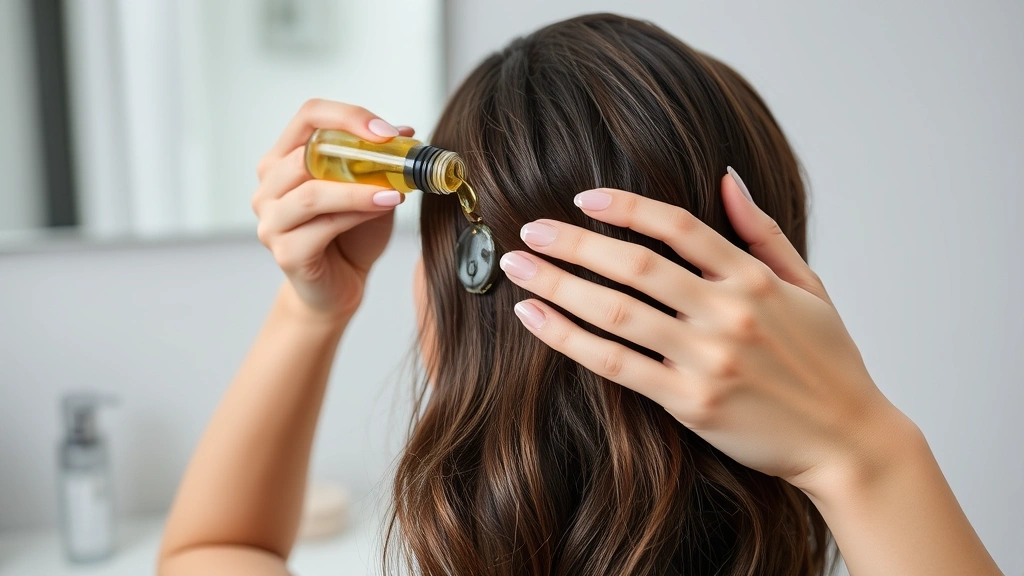
Topical Treatments and Medications
Dermatologists have identified several evidence-based topical treatments that can accelerate 4 month hair growth results.
Minoxidil (Rogaine): This is perhaps the most well-researched topical treatment for hair growth. Originally developed as an oral medication for blood pressure, scientists discovered its remarkable effects on hair follicles. Applied topically twice daily, minoxidil extends the anagen phase and increases the diameter of hair follicles. Clinical studies show that consistent use over 4 months can result in noticeable improvements in hair density and thickness.
Finasteride (Propecia): This oral medication blocks DHT, a hormone that miniaturizes hair follicles in genetically predisposed individuals. While it works more slowly than minoxidil, many dermatologists recommend combining both treatments for optimal 4 month hair growth results. Finasteride requires a prescription and medical supervision.
Caffeine-Based Topicals: Research suggests that caffeine can stimulate hair follicles and extend the anagen phase. Many dermatologists recommend caffeine-infused shampoos and conditioners as supportive treatments alongside primary interventions.
Peptide and Growth Factor Serums: Newer formulations containing peptides and plant-derived growth factors show promise in supporting hair growth. While not as extensively studied as minoxidil, these products can complement your overall strategy.
The importance of consistency cannot be overstated. Your 4 month hair growth results depend entirely on adherence to whatever topical regimen you choose. Setting reminders and integrating applications into your daily routine increases compliance significantly.

Lifestyle Modifications for Hair Health
Beyond nutrition and topical treatments, lifestyle factors profoundly influence your hair growth potential. This connects directly to the comprehensive guide on increasing motivation—because maintaining consistent hair care practices requires sustained motivation and healthy habits.
Stress Management: Chronic stress triggers telogen effluvium, a condition where increased numbers of hairs prematurely enter the resting phase. Dermatologists emphasize that managing stress through meditation, exercise, or therapy directly supports your 4 month hair growth goals. Elevated cortisol levels suppress hair growth hormones and can increase inflammation in the scalp.
Sleep Quality: During sleep, your body increases blood flow to the scalp and releases growth hormones essential for hair development. Aim for 7-9 hours nightly. Poor sleep disrupts this process and can hinder your 4 month hair growth results.
Exercise: Regular physical activity improves circulation, delivering more oxygen and nutrients to hair follicles. It also reduces stress and improves sleep quality—a triple benefit for hair growth. Dermatologists recommend at least 150 minutes of moderate exercise weekly.
Scalp Care: A healthy scalp environment is essential for 4 month hair growth. Gentle cleansing removes excess sebum and product buildup without stripping natural oils. Massage your scalp for 5 minutes daily to increase blood flow. Avoid tight hairstyles that create tension on follicles.
Heat and Chemical Protection: Excessive heat styling and chemical treatments damage hair shafts, leading to breakage. During your 4 month hair growth period, minimize blow-drying, straightening, and coloring. When heat styling is necessary, use heat protectant products.
Hydration: Drinking adequate water supports all biological processes, including hair growth. Aim for at least 8-10 glasses daily. Proper hydration ensures your body has sufficient resources to synthesize new hair protein.
Realistic Expectations for 4 Month Hair Growth
Understanding what’s realistically achievable in 4 months prevents disappointment and maintains motivation. The growth mindset perspective recognizes that meaningful progress takes time and consistent effort.
Expected Length Growth: Under normal circumstances, you’ll grow approximately 2 inches of hair over 4 months. With optimized nutrition, topical treatments, and lifestyle modifications, some individuals report growth approaching 2.5 inches. However, genetics ultimately cap your maximum growth rate.
Density and Thickness Improvements: More noticeable than length improvements are changes in hair density and thickness. Minoxidil and proper nutrition can activate dormant follicles and strengthen existing hair. Many people report that their 4 month hair growth appears thicker and fuller even before significant length gains become apparent.
Hair Quality Enhancements: Perhaps the most underrated benefit of a comprehensive hair growth strategy is improved hair quality. Hair grown under optimal nutritional and hormonal conditions is shinier, stronger, and less prone to breakage and split ends.
Individual Variation: Your 4 month hair growth results depend on multiple factors: genetics, age, hormonal status, existing health conditions, and medication use. A 25-year-old with no underlying health issues might see more dramatic results than a 50-year-old with thyroid dysfunction. This variation is normal and doesn’t indicate failure.
Tracking your progress matters. Take baseline photos from multiple angles before starting your 4 month hair growth journey. Photograph again monthly to document changes that might be subtle but meaningful. This visual documentation maintains motivation and helps you identify what’s working.
The personal growth philosophy of celebrating small wins applies directly to hair growth. Each week of consistent effort, each month of adherence to your regimen, represents meaningful progress toward your goals.
FAQ
How much hair growth is normal in 4 months?
Normal 4 month hair growth averages 2 inches, though this varies by individual. Hair grows approximately 0.5 inches monthly under standard conditions. With optimization strategies, you might achieve up to 2.5 inches.
Can I see 4 month hair growth results with just supplements?
Supplements alone typically produce modest results. They’re most effective when combined with topical treatments, scalp care, and lifestyle modifications. Dermatologists recommend a multi-faceted approach for optimal 4 month hair growth outcomes.
Is minoxidil safe for long-term use?
Yes, minoxidil is FDA-approved and considered safe for long-term use. Most people tolerate it well, though some experience scalp irritation. Consistency is key—discontinuing minoxidil causes hair to return to its previous state.
What’s the best diet for 4 month hair growth?
Focus on protein-rich foods, iron sources (red meat, spinach), omega-3 fatty acids (fish, flaxseed), and foods rich in biotin and zinc. A balanced diet supporting overall health simultaneously supports hair growth.
Can stress really affect my 4 month hair growth?
Absolutely. Chronic stress triggers telogen effluvium and elevates cortisol, which suppresses hair growth hormones. Stress management through exercise, meditation, or therapy directly supports your 4 month hair growth goals.
Should I take biotin supplements?
Only if blood work confirms biotin deficiency. Otherwise, adequate biotin from dietary sources (eggs, almonds, sweet potatoes) is typically sufficient. Excessive biotin supplementation can interfere with medical tests.
How long before I see 4 month hair growth results?
Most people notice improvements in hair quality within 2-4 weeks. Visible length gains become apparent around 6-8 weeks. By the 4-month mark, changes in density and thickness are typically noticeable.
Can women use the same treatments as men for 4 month hair growth?
Minoxidil is safe for both genders. However, finasteride can cause birth defects and isn’t recommended for women of childbearing age. Women should consult dermatologists about gender-specific treatment options for optimal 4 month hair growth.
Your journey toward achieving your 4 month hair growth goals represents more than just aesthetic improvement—it’s an investment in your health and confidence. By implementing the dermatologist-approved strategies outlined here, you’re taking control of a process that often feels beyond your influence. Consistency, patience, and a holistic approach combining nutrition, topical treatments, and lifestyle modifications create the optimal environment for your hair to thrive. Start today, track your progress, and celebrate the meaningful improvements you’ll achieve in four months.
Explore more about best books for self growth to maintain the motivation and mindset necessary for long-term health improvements beyond just hair growth. Visit the Growth LifeHub Blog for additional resources supporting your personal development journey.


