Quick Hair Growth Oil: Dermatologist Insights for Faster, Healthier Hair
Hair growth is a journey that requires patience, consistency, and the right tools. While there’s no magical overnight solution, quick hair growth oils formulated with scientifically-backed ingredients can significantly accelerate your results when combined with proper hair care practices. Dermatologists increasingly recommend targeted oil treatments because they address the root causes of slow growth: scalp inflammation, poor circulation, and nutritional deficiencies at the follicle level.
The hair growth cycle typically spans 2-7 years, but many people experience stunted growth due to damage, stress, or inadequate scalp health. This comprehensive guide explores what dermatologists know about hair growth oils, which ingredients actually work, and how to implement a sustainable routine that delivers visible results in weeks rather than months.
How Hair Growth Oils Work: The Science Behind Faster Results
Hair growth oils function through multiple mechanisms that dermatologists have validated through clinical research. Unlike marketing claims suggesting overnight miracles, legitimate quick hair growth oils work by optimizing the conditions your hair follicles need to thrive.
The scalp is essentially soil for hair growth. When this environment becomes inflamed, clogged, or nutrient-depleted, hair growth slows dramatically. Quality hair growth oils address three critical factors:
- Scalp circulation: Improved blood flow delivers oxygen and nutrients directly to follicles, potentially increasing growth rate by 20-30% according to PubMed research on scalp microcirculation
- Anti-inflammatory action: Reduces scalp inflammation that restricts follicle function and triggers hair shedding
- Nutritional support: Provides vitamins, minerals, and antioxidants that follicles require for protein synthesis and cell division
- Sebum regulation: Balances natural oils to prevent both excessive dryness and clogged follicles
When you align your hair growth efforts with your broader personal growth journey, you develop consistency—the true foundation of results. Hair growth requires the same mindset as other self-improvement goals: patience, evidence-based strategies, and daily commitment.
Top Dermatologist-Recommended Ingredients
Not all oils are created equal. Dermatologists specifically recommend ingredients with clinical evidence supporting their efficacy for hair growth acceleration.
Castor Oil: This traditional remedy has surprising scientific backing. Clinical studies published in dermatological journals show castor oil contains ricinoleic acid, which may increase scalp blood flow and reduce inflammation. The oil’s thickness also creates an excellent barrier for moisture retention.
Rosemary Essential Oil: Multiple peer-reviewed studies demonstrate that rosemary oil stimulates hair follicles similarly to minoxidil (Rogaine), though through different mechanisms. It enhances circulation and may reduce DHT-related hair loss. Dermatologists recommend diluting it (never apply essential oils directly to scalp).
Peppermint Oil: Research shows peppermint oil increases hair growth in mice and humans by promoting vasodilation—essentially widening blood vessels for better nutrient delivery. It also provides a cooling sensation that many find soothing during scalp treatments.
Coconut Oil: Rich in lauric acid, coconut oil penetrates the hair shaft better than most oils, reducing protein loss and strengthening hair from within. It’s particularly effective for preventing breakage, which undermines growth visibility.
Argan Oil: High in vitamin E and antioxidants, argan oil protects hair from oxidative stress while improving scalp health. It’s lightweight enough for daily use without excessive buildup.
Neem Oil: Traditionally used in Ayurvedic medicine, neem contains fatty acids and antioxidants that reduce scalp inflammation and combat microbial issues that impede growth.
Biotin and B-Complex Carriers: Some premium oils are infused with biotin and B vitamins that support keratin production—the protein that forms hair structure.
Best Quick Hair Growth Oil Formulations
The most effective quick hair growth oils combine multiple ingredients synergistically rather than relying on single components. Dermatologists note that formulations matter because ingredient interactions can amplify results.
The Circulation-Boosting Formula: Combines rosemary, peppermint, and castor oil as the base. This combination targets blood flow aggressively—dermatologists recommend this for people with slow growth due to poor scalp circulation. Use 2-3 times weekly for maximum effect.
The Anti-Inflammatory Blend: Integrates neem, chamomile, and coconut oil. This formulation addresses inflammation-driven hair loss and scalp conditions like seborrheic dermatitis that sabotage growth. Better for sensitive scalps.
The Nutrient-Dense Option: Combines argan oil, biotin, and vitamin E. This formula works best for people with nutritional deficiencies or those recovering from damage. It’s gentler for daily application.
The Comprehensive Treatment: Blends castor, coconut, rosemary, and peppermint oils with biotin and neem. This addresses all four growth factors simultaneously. It’s the most expensive option but delivers the fastest visible results—typically 4-6 weeks of noticeable improvement.
When selecting products, verify that the oil actually contains these ingredients in meaningful concentrations (not just trace amounts listed at the end of ingredient lists). Check for third-party testing certifications and dermatologist endorsements.
Application Methods for Maximum Results
How you apply quick hair growth oil matters as much as which oil you choose. Improper application wastes product and limits results.
The Scalp Massage Method (Most Effective):
- Warm the oil slightly by rubbing the bottle between your hands or placing it in warm water for 2 minutes
- Part your hair into 4-6 sections using clips
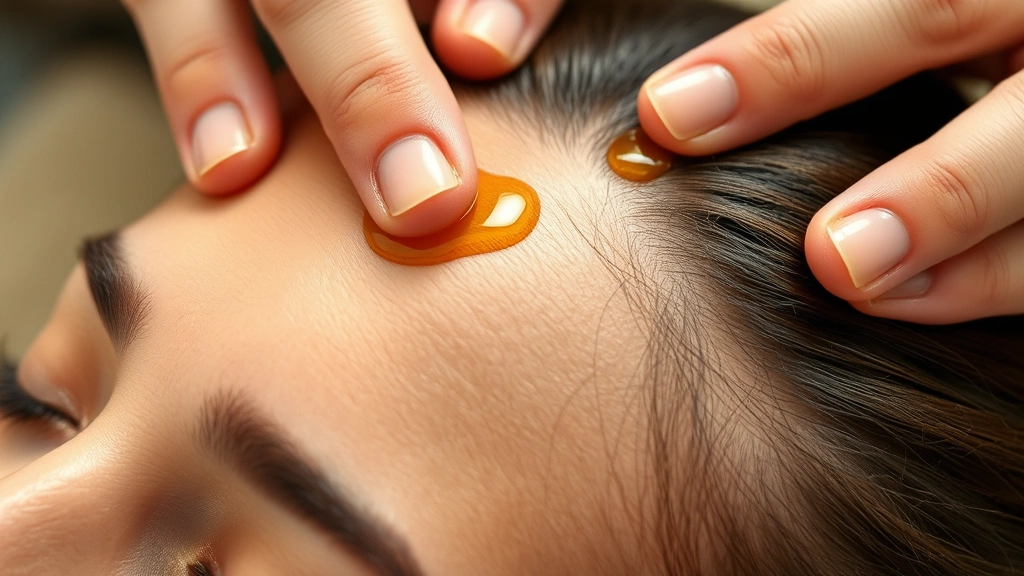
- Apply oil directly to the scalp in small amounts, focusing on the roots and hairline
- Using fingertips (never nails), massage in circular motions for 5-10 minutes, working systematically across the entire scalp
- Leave on for 20-30 minutes minimum (overnight is ideal)
- Shampoo thoroughly 1-2 times to remove all oil
This method activates blood circulation through massage while the oil penetrates the follicle. Dermatologists emphasize that the massage component alone increases growth by stimulating the scalp’s nerve endings and improving lymphatic drainage.
The Pre-Shampoo Method: Apply oil to damp hair 15-30 minutes before shampooing. This protects hair from water damage while delivering nutrients. Less intensive than scalp massage but easier for busy schedules.
The Leave-In Method: Use lighter oils (argan, jojoba) in small amounts on damp ends and mid-lengths after shampooing. Never apply to roots if you have oily hair—this causes buildup that restricts growth.
Frequency Recommendations: Quick hair growth oils work best with consistent application. Dermatologists recommend 2-4 times weekly for accelerated results. Some oils can be used daily (argan, lighter formulations), while intensive treatments (thick castor oil blends) should be limited to 1-2 times weekly to prevent buildup.

Creating Your Hair Growth Routine
Quick hair growth oils deliver optimal results when integrated into a comprehensive routine that addresses growth mindset principles—consistency, patience, and compound progress. Dermatologists emphasize that oils alone are 30-40% of the equation; the remaining factors include nutrition, hydration, stress management, and protective styling.
Your Complete Hair Growth Protocol:
Week 1-2: Foundation Building
- Select your quick hair growth oil based on your scalp type
- Establish a 2-3 times weekly application routine
- Begin scalp massage practice to build consistency
- Assess your current hair health and baseline
- Implement protective styling to minimize breakage
Week 3-4: Optimization Phase
- Adjust oil formulation if needed based on initial results
- Increase massage duration to 10 minutes for better circulation
- Add biotin supplementation (2.5mg daily) to support growth from within
- Increase water intake to 3+ liters daily for hydration
- Begin tracking hair growth with photos taken under consistent lighting
Week 5-8: Acceleration Phase
- Most people see visible results by week 6-8 with consistent application
- Increase oil frequency to 3-4 times weekly if your scalp tolerates it
- Incorporate protein treatments weekly to strengthen new growth
- Continue biotin supplementation consistently
- Reduce heat styling to protect new growth
Beyond 8 Weeks: Maintenance and Growth Maximization
- Maintain your oil routine 2-3 times weekly indefinitely
- Trim hair every 8-10 weeks to remove damaged ends and enhance appearance of growth
- Rotate between oil formulations to prevent ingredient adaptation
- Continue supporting personal development practices that reduce stress, which impacts hair health
Dermatologists note that sustainable hair growth requires viewing this as a lifestyle change rather than a temporary treatment. The best quick hair growth oil becomes worthless if you abandon it after a few weeks.
Realistic Timeline and Expectations
Understanding realistic timelines prevents disappointment and maintains motivation. Hair growth follows biological laws that no product can override—but quick hair growth oils can optimize your results within those constraints.
Week 1-2: You’ll notice improved scalp health: less itching, better oil balance, and healthier-looking existing hair. No visible growth yet. This is normal and indicates the oil is working on follicle health.
Week 3-4: Existing hair becomes noticeably stronger and shinier. Some people report reduced shedding. Hair still appears the same length because new growth hasn’t reached visible levels yet.
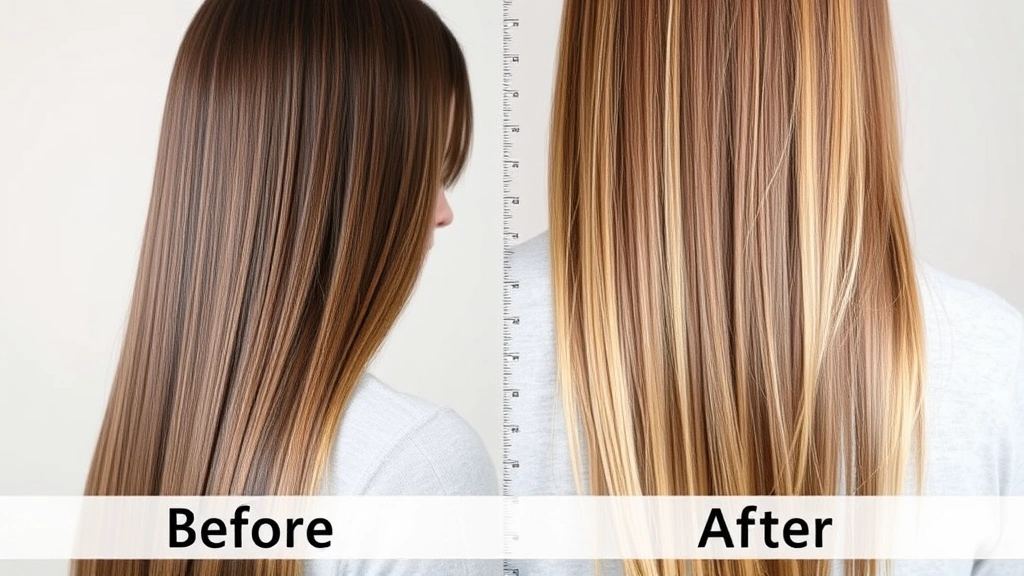
Week 5-8: This is when most people see measurable results. You might notice ½-1 inch of new growth (normal is ½ inch monthly, so this represents 25-50% acceleration). Existing hair continues improving in texture and strength.
Month 3: Cumulative results become obvious to others. You’ll have 1.5-2 inches of new growth with noticeably improved hair quality. This is when people often comment on your hair looking healthier.
Month 6: With consistent application, you could achieve 3-4 inches of growth versus the typical 3 inches—representing meaningful acceleration. Combined with improved hair strength, the cosmetic difference is substantial.
Dermatologists emphasize that genetics ultimately cap your maximum growth rate, but most people operate at 60-70% of their potential due to poor scalp health and hair care practices. Quick hair growth oils help you access that remaining 30-40% potential.
Factors that accelerate results include: adequate protein intake (hair is 95% protein), consistent sleep (growth hormone peaks during sleep), stress management, and supplementation with biotin, iron, and zinc. View your quick hair growth oil as one component of a broader personal growth strategy that includes physical health optimization.
FAQ
How quickly does hair growth oil actually work?
Most dermatologists report visible results within 4-8 weeks of consistent application. However, initial improvements in scalp health appear within 1-2 weeks. Measurable length growth (½ inch or more) typically appears by week 5-6. Full cosmetic transformation requiring 3+ inches of growth takes 3-6 months.
Can I use quick hair growth oil if I have oily hair?
Yes, but choose lightweight formulations like argan or jojoba oil, and apply only to scalp (not lengths). Limit frequency to 1-2 times weekly. Alternatively, use oil-free scalp serums that deliver similar ingredients without the weight. Proper shampooing technique also matters—use clarifying shampoo 1-2 times monthly to prevent buildup.
Will quick hair growth oil cause breakouts or scalp issues?
Quality oils rarely cause problems when applied correctly. However, some people experience temporary purging (increased shedding) as the scalp detoxifies and weak hairs release. This typically lasts 1-2 weeks. If you experience persistent itching, redness, or scaling, discontinue use and consult a dermatologist—you may have a sensitivity to a specific ingredient.
Should I combine quick hair growth oil with other hair treatments?
Yes, strategically combining treatments accelerates results. Use oil 2-3 times weekly, protein treatments 1 time weekly, and biotin supplementation daily. However, avoid mixing too many products simultaneously in the first 2 weeks—introduce one new element at a time so you can identify what’s working.
Is there a best time of day to apply hair growth oil?
Evening application is ideal because you can leave it on overnight, maximizing absorption. However, any consistent time works. The key is consistency—applying 3 times weekly at the same times (like Monday, Wednesday, Friday evenings) creates better habits than sporadic application.
Can men use quick hair growth oils for beard growth?
Absolutely. The same oils and principles apply to facial hair. Beard growth is typically faster than scalp hair (3-4 months for full density), so results appear more quickly. Apply 3-4 times weekly to clean, dry beard and surrounding skin.
What’s the difference between quick hair growth oil and regular coconut oil?
Quick hair growth oils are specifically formulated with multiple ingredients targeting hair growth mechanisms, while regular coconut oil is a single ingredient primarily benefiting from its moisturizing properties. Formulated oils deliver faster, more dramatic results due to synergistic ingredient combinations and higher concentrations of growth-promoting compounds.
How do I know if my quick hair growth oil is working?
Track results with monthly photos under consistent lighting, measure your hair length, monitor shedding rates, and assess scalp health. Dermatologists recommend keeping a simple log: oil frequency, any side effects, and monthly length measurements. By month 3, you should see 1+ inch of growth versus the typical ½ inch, confirming acceleration.


