
Master Plant Growth Stages: Botanist Insights for Personal Development
Just as plants progress through distinct developmental stages—from germination to maturity—your personal growth follows a remarkably similar trajectory. Understanding plant growth stages offers profound lessons about patience, resilience, and the power of consistent nurturing. Botanists have spent centuries studying how plants transform from seeds into thriving organisms, and their discoveries reveal universal principles that apply directly to human development.
When you observe a plant’s journey, you’re witnessing a masterclass in sustainable growth. Each stage builds upon the previous one, requiring specific conditions and attention. This article explores the botanical insights that can revolutionize how you approach your own personal growth journey, drawing connections between horticultural science and human potential.
The Germination Stage: Where Everything Begins
Germination represents the critical awakening phase where a dormant seed springs to life. This stage requires three essential elements: moisture, appropriate temperature, and oxygen. Without these conditions, even the most viable seed remains inert. According to botanical research published in the National Center for Biotechnology Information, seed germination involves complex biochemical processes that can teach us about initiating personal transformation.
In the context of increasing motivation and starting your growth journey, germination mirrors the moment you decide to change. Just as seeds need the right environment, you need the proper conditions: supportive relationships, access to knowledge, and emotional readiness. The germination stage typically lasts days to weeks, depending on species and conditions.
During this phase, the seed coat breaks down, roots emerge downward, and the shoot pushes upward toward light. This bidirectional growth pattern—seeking nourishment below while reaching for illumination above—represents the balance required for sustainable personal development. Many people underestimate the importance of this foundational stage, rushing toward visible growth before establishing proper roots.
The germination process teaches patience. You cannot force a seed to sprout faster by willing it or applying external pressure. Instead, you must provide consistent conditions and trust the biological timeline. This patience principle applies directly to your personal growth: rapid, forced change often fails because the foundation isn’t solid enough to support lasting transformation.
Seedling Development: Building Your Foundation
Once germination succeeds, the seedling stage begins—a period of vulnerability and rapid development. Young seedlings are fragile; they require gentle handling, consistent moisture, and protected environments. Botanists recognize that seedling mortality is highest during this stage, often exceeding 50% in natural conditions without proper care.
During seedling development, the plant establishes its root system and develops its first true leaves. This stage typically lasts 2-8 weeks and determines much of the plant’s future potential. A seedling that develops strong roots and healthy leaves will outperform one that’s been neglected, regardless of genetics.
This mirrors the early stages of developing a growth mindset. Your foundational beliefs, initial habits, and early learning experiences create the infrastructure for everything that follows. If you establish poor habits during this stage, overcoming them later requires significantly more effort.
Key elements during seedling development include:
- Consistent nourishment—Regular learning and skill development
- Adequate light exposure—Clear vision and inspiration toward your goals
- Proper spacing—Healthy boundaries and independence
- Protection from harsh conditions—Supportive environment and mentorship
- Gentle handling—Compassionate self-talk and realistic expectations
Research from the Journal of Plant Physiology and Biochemistry demonstrates that seedlings exposed to light stress develop stronger stems and more robust root systems—a phenomenon called photomorphogenesis. Similarly, controlled challenges during your personal growth foundation stage build resilience and adaptability.
Vegetative Growth: Establishing Strength
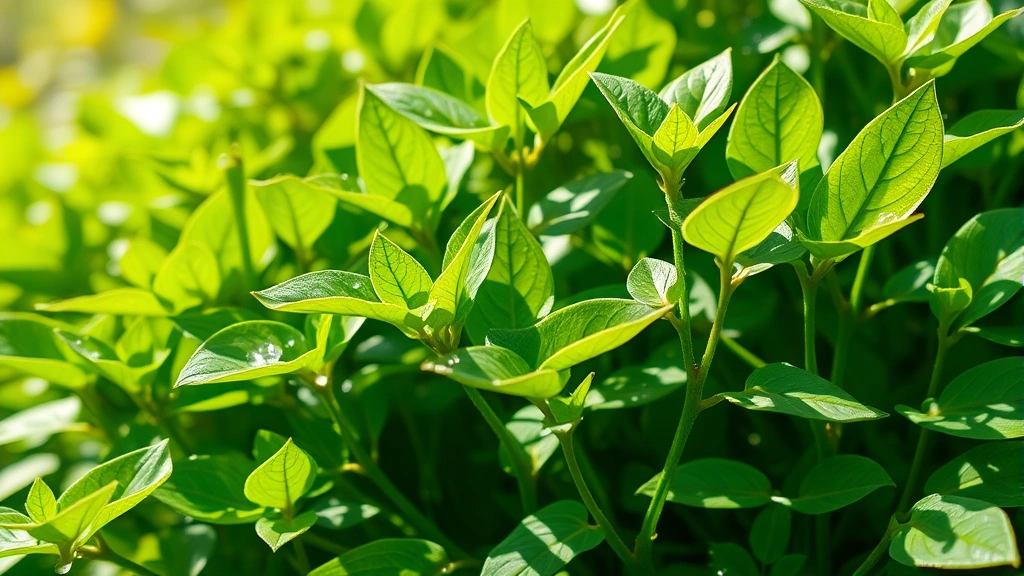
The vegetative growth stage is characterized by rapid expansion of leaves, stems, and roots. During this phase, the plant focuses entirely on biomass accumulation and structural development, not reproduction. For many crops, this stage lasts several weeks to months, depending on species and environmental conditions.
Vegetative growth is accelerated by optimal conditions: abundant light, consistent moisture, appropriate temperature, and available nutrients. Plants in this stage channel all their energy into becoming larger and stronger. They don’t flower or produce seeds; they simply grow.
This stage parallels the period when you’re building foundational knowledge and skills. You’re absorbing information, developing competencies, and expanding your capabilities. Like plants during vegetative growth, you’re not yet producing tangible results; you’re building the capacity to do so.
During this stage, botanists recognize the importance of proper nutrition. Plants require macronutrients (nitrogen, phosphorus, potassium) and micronutrients (iron, zinc, manganese) in specific ratios. Too much nitrogen, for instance, produces excessive foliage at the expense of root development. Too little results in stunted growth.
Your personal development requires similar nutritional balance. You need intellectual nourishment (reading, courses, mentorship), emotional support, physical health, and spiritual alignment. Overemphasis on one area while neglecting others creates imbalance and limits ultimate potential. The American Psychological Association’s research on self-improvement confirms that holistic development approaches yield superior long-term outcomes.
Pruning during vegetative growth is also valuable. Strategic removal of unnecessary growth directs energy toward the most promising branches. In personal development, this means intentionally eliminating time-wasting activities, toxic relationships, and limiting beliefs.
Flowering and Reproduction: Reaching Your Peak
Flowering represents the plant’s transition from growth to reproduction. This stage is triggered by specific environmental signals: day length, temperature changes, or internal developmental timers. Once flowering begins, the plant dramatically shifts its resource allocation, directing energy toward producing flowers, seeds, and fruits rather than additional vegetative growth.
Flowering is the plant’s peak expression—its most visible and vibrant stage. Flowers attract pollinators, serve evolutionary purposes, and represent the plant’s fullest potential. However, flowering also demands tremendous resources and exposes the plant to increased vulnerability.
In human terms, flowering represents your peak performance phase—when you’re producing your best work, achieving your goals, and contributing meaningfully. This is when you move from preparation to execution, from learning to doing. The transition requires courage because peak performance involves visibility and risk.
According to research in Trends in Plant Science, flowering timing is crucial; plants that flower too early waste resources on premature reproduction, while those that flower too late may not complete their reproductive cycle before environmental conditions deteriorate. Similarly, timing is critical in your personal development. Launching too early without adequate preparation leads to failure; waiting indefinitely prevents you from achieving your potential.
The flowering stage teaches that peak performance is temporary and cyclical. Plants don’t remain in full bloom indefinitely; flowers fade, seeds mature, and the cycle continues. This perspective helps you understand that your current peak performance period is valuable precisely because it’s finite. Rather than trying to sustain the flowering stage indefinitely, you should maximize it while it lasts, knowing that seasons change.
Maturity and Senescence: Sustaining Long-Term Success
Maturity represents the stage where the plant has completed its primary reproductive phase and begins the natural aging process called senescence. Senescence isn’t synonymous with death; rather, it’s a programmed developmental phase where the plant gradually reallocates resources, prepares for dormancy or death, and contributes its final gifts to the ecosystem.
During senescence, plants often display their most beautiful colors as chlorophyll breaks down, revealing pigments beneath. Leaves yellow and red as the plant withdraws nutrients back into the roots or trunk for storage. Seeds are released, and the plant gradually quiets.
This stage teaches profound lessons about legacy and contribution. Rather than viewing senescence negatively, botanists recognize it as purposeful. The plant isn’t failing; it’s transitioning. Its decomposed matter enriches soil, its seeds create future generations, and its cycle completes.
In your personal development journey, maturity involves recognizing that you’ve achieved your primary goals and considering your legacy. This might mean mentoring younger professionals, documenting your knowledge, creating systems others can use, or shifting focus toward different meaningful pursuits. Check out personal growth quotes that inspire reflection on meaning and contribution.
Senescence also teaches acceptance of natural cycles. You won’t maintain peak performance forever, and that’s appropriate. Different life stages call for different roles. The wisdom you gain through maturity becomes increasingly valuable, even as physical vigor may decline. Rather than fighting this natural progression, embracing it allows for more authentic, meaningful later-life chapters.
Environmental Factors That Accelerate Growth
Botanists have identified specific environmental factors that dramatically influence plant growth rates and ultimate potential. Understanding these factors reveals why identical seeds can produce vastly different outcomes depending on conditions.
Light Intensity and Duration: Light is perhaps the most critical factor. Plants require specific light wavelengths and duration. Insufficient light produces weak, elongated growth; excessive light can cause damage. Optimal light conditions accelerate growth dramatically.
For personal development, your metaphorical light comes from clarity of vision, inspiring examples, and regular feedback. Insufficient vision (darkness) produces aimless wandering; excessive pressure (scorching light) causes burnout. The optimal conditions include clear goals, inspiring mentors, and constructive feedback.
Temperature: Each plant species has an optimal temperature range. Too cold and growth halts; too hot and the plant experiences stress. Consistent, moderate temperatures promote steady development.
Your growth also requires appropriate temperature—not too much comfort (which breeds complacency) nor too much stress (which causes breakdown). The optimal zone, sometimes called the “zone of proximal development,” involves challenges slightly beyond your current capability.
Moisture and Drainage: Water is essential for all plant processes, but waterlogged soil is as harmful as drought. Optimal growth requires consistent moisture with proper drainage.
Psychologically, you need both nourishment (learning, support, resources) and space (rest, reflection, recovery). Constant stimulation without integration leads to overwhelm; isolation without input leads to stagnation.
Nutrient Availability: Soil fertility directly determines growth potential. Plants in nutrient-rich soil outpace those in depleted soil dramatically. This is why crop rotation and soil amendment are fundamental agricultural practices.
Your “soil” includes your relationships, learning resources, work environment, and financial stability. Investing in enriching these areas pays dividends in growth acceleration. Visit the Growth Lift Hub Blog for regular insights on creating optimal conditions for development.
Air Circulation: Proper air movement prevents disease, strengthens stems, and optimizes gas exchange. Stagnant air promotes fungal problems and weak growth.
In your development, air circulation represents fresh perspectives, diverse relationships, and intellectual challenge. Echo chambers and comfort zones restrict growth. Actively seeking diverse viewpoints and challenging ideas keeps your growth environment healthy.
Common Growth Obstacles and Solutions
Just as botanists understand common plant problems, recognizing typical growth obstacles helps you navigate them more effectively.
Nutrient Deficiency: Plants display specific symptoms when lacking particular nutrients: nitrogen deficiency causes yellowing leaves, phosphorus deficiency stunts root development, potassium deficiency weakens stems. The solution involves identifying the specific deficiency and addressing it.
In personal development, nutrient deficiencies might include insufficient education, limited mentorship, poor physical health, or lack of financial resources. Identifying which resource you lack allows targeted intervention.
Pest and Disease Pressure: External threats from pests and diseases can devastate growth. Effective management combines prevention (healthy plants resist better), monitoring (early detection), and intervention (when necessary).
Your growth faces similar pressures from toxic relationships, negative self-talk, and environmental obstacles. Prevention includes maintaining strong boundaries and physical health; monitoring means regular self-assessment; intervention involves seeking help when needed.
Environmental Stress: Extreme temperatures, drought, flooding, or excessive wind stress plants severely. Resilient plants have developed adaptations; others require protection or relocation.
You’ll face environmental stressors too—job loss, relationship changes, health challenges. Like plants, some growth happens through developing resilience; sometimes you need to change your environment.
Overcrowding: Too many plants in limited space creates competition that stunts all of them. Proper spacing allows each plant optimal resources.
In your life, overcrowding might mean too many commitments, too many relationships demanding energy, or trying to pursue too many goals simultaneously. Strategic prioritization and saying “no” to good opportunities in favor of great ones accelerates overall growth.
Poor Foundation: Plants with weak root systems struggle regardless of above-ground conditions. Strengthening foundations is often more important than adding fertilizer.
Similarly, your foundational beliefs, habits, and relationships determine your capacity for higher achievement. Time invested in strengthening foundations often yields greater returns than chasing advanced strategies.
FAQ
How long does each plant growth stage typically last?
Duration varies significantly by species and environmental conditions. Germination typically requires days to weeks; seedling stage lasts 2-8 weeks; vegetative growth spans weeks to months; flowering may last weeks to months; maturity and senescence can span years or decades depending on whether the plant is annual, biennial, or perennial. In personal development, applying similar timelines helps set realistic expectations—foundational growth requires months to years, not days.
Can plants skip growth stages?
No plant can successfully skip developmental stages. Attempting to force rapid transition often results in weak plants unable to support later growth. Similarly, rushing personal development by skipping foundational work creates fragile achievement that collapses under pressure. Each stage builds capacity for the next.
What’s the most critical plant growth stage?
Botanists often emphasize that seedling stage is most critical because it establishes the root system that supports all future growth. In personal development, your earliest years and foundational beliefs similarly disproportionately influence your entire trajectory. However, every stage matters—neglecting any stage creates limitations.
How do I know if my growth conditions are optimal?
Plants display clear indicators of optimal conditions: vibrant color, steady growth, strong stems, and resistance to pests. In personal development, optimal conditions produce enthusiasm, consistent progress, resilience during challenges, and genuine satisfaction. If you’re experiencing stagnation, burnout, or persistent obstacles, your growth conditions likely need adjustment.
Can growth stages overlap?
In perennial plants, yes—mature plants often simultaneously maintain some vegetative growth while producing flowers and seeds. In your development, you can pursue multiple growth trajectories simultaneously: deepening expertise in one area while learning fundamentals in another, for instance. However, attempting to be in the flowering stage (peak performance) in every area simultaneously leads to overwhelm.
What happens if environmental conditions change during growth?
Plants adapt and adjust. A sudden temperature drop might slow growth; increased light might accelerate it. Plants resilient enough to adjust thrive through variable conditions. You similarly must adapt when circumstances change—job loss, relationship shifts, health challenges. Your ability to adjust your approach while maintaining core direction determines your resilience.
Mastering plant growth stages provides a biological blueprint for your personal development journey. Like plants, you progress through distinct phases, each with specific requirements and purposes. You cannot rush germination, skip the seedling stage, or maintain perpetual flowering. Instead, you honor each stage, provide optimal conditions, navigate obstacles with wisdom, and trust the natural progression.
The botanical perspective offers profound comfort: growth is natural, cyclical, and purposeful. Your current stage—wherever you are—is exactly where you need to be. By applying these insights from botanists and plant science, you create the conditions for sustainable, authentic, meaningful growth that produces genuine flourishing rather than forced achievement.
Begin implementing these principles today. Assess your current growth stage, identify what conditions you need, address any nutrient deficiencies, and adjust your environment accordingly. Your development, like a plant’s, responds beautifully to consistent care, optimal conditions, and patient attention to the natural timeline of transformation.


