
Onion Growth Stages: A Gardener’s Guide to Cultivating Success
Growing onions is a rewarding journey that mirrors personal development in surprising ways. Just as personal growth requires understanding each developmental phase, successful onion cultivation demands knowledge of distinct growth stages. Each phase presents unique challenges and opportunities, requiring specific care, attention, and strategic planning to achieve optimal results.
Whether you’re a seasoned gardener or a beginner planting your first bulbs, understanding onion growth stages is essential for maximizing your harvest. This comprehensive guide walks you through every phase of the onion lifecycle, from germination through maturity, providing practical insights and evidence-based strategies to transform your gardening success. Like setting and achieving meaningful goals, growing onions requires patience, planning, and persistence.
Stage 1: Germination and Seedling Development
The first stage of onion growth begins the moment you plant your seeds or sets. This critical phase typically lasts 7-14 days, depending on soil temperature, moisture levels, and seed quality. During germination, the seed coat splits, and the first root emerges, followed by the initial shoot pushing through the soil surface.
Successful germination requires specific conditions. Soil temperature should remain between 50-85°F (10-29°C), with optimal sprouting occurring around 70°F (21°C). Moisture is equally crucial—the soil must stay consistently moist but never waterlogged, as excess water can cause seed rot and fungal diseases. Think of this stage like the foundational mindset needed for personal transformation; without proper conditions, even the best seeds cannot flourish.
During the seedling phase, the young onion develops its first true leaves. These delicate shoots require protection from harsh direct sunlight and strong winds. Many gardeners prefer starting seeds indoors under controlled conditions, then transplanting seedlings outdoors after developing 2-3 true leaves. This approach provides superior control over environmental factors and significantly increases germination success rates.
Stage 2: Vegetative Growth and Leaf Development
Once seedlings emerge and establish themselves, the vegetative growth phase begins. This stage, lasting 4-6 weeks, focuses entirely on developing a robust leaf structure. The onion plant produces progressively longer, thicker leaves that store energy and nutrients essential for future bulb development. During this phase, the plant remains relatively small belowground, with most energy directed toward foliage expansion.
Proper nutrition becomes critical during vegetative growth. Onions are moderate feeders requiring balanced nitrogen, phosphorus, and potassium. Nitrogen promotes vigorous leaf development, while phosphorus and potassium strengthen the plant structure and support root development. Similar to how productivity tools enhance performance, quality fertilization accelerates growth during this phase.
Spacing is essential for healthy vegetative development. Onion seedlings should be thinned or transplanted to maintain 4-6 inches between plants, depending on desired bulb size. Crowded plants compete for nutrients, light, and water, resulting in stunted growth and smaller final bulbs. Regular watering—providing 1-2 inches weekly—supports consistent leaf development and prevents stress-induced dormancy.
Stage 3: Bulb Initiation and Formation
Bulb initiation marks a dramatic shift in the onion’s development. This stage, typically occurring 8-10 weeks after planting, represents the transition from leaf production to bulb formation. Environmental triggers, primarily day length and temperature, signal the plant to begin bulb development. Long-day varieties require 14-16 hours of daylight, while short-day varieties need only 10-12 hours.
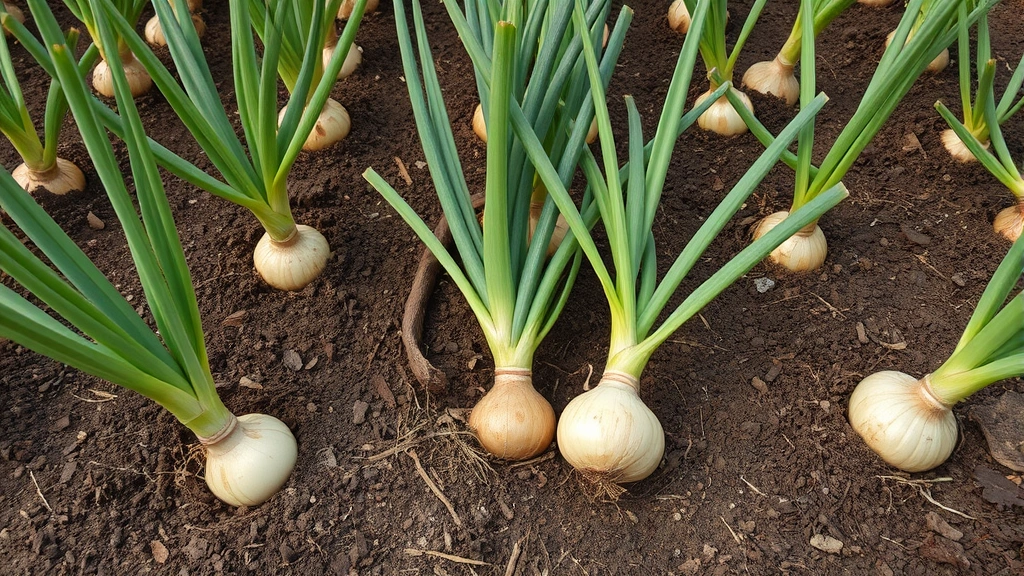
During bulb initiation, the plant’s metabolic focus shifts from producing new leaves to enlarging leaf bases. These thickened bases form the layered structure of the onion bulb. The first visible sign of bulb formation is a slight swelling at the soil surface where the leaf bases meet. This critical stage determines final bulb size and quality, making proper management essential.
Temperature and photoperiod work synergistically during this phase. Cool nights (50-60°F) combined with warm days (70-75°F) and appropriate day length optimize bulb initiation. Inconsistent conditions or stress during this stage can prevent bulb formation entirely, resulting in plants that produce only foliage. Understanding these environmental requirements—much like understanding personal development strategies—enables gardeners to create ideal conditions for success.
Stage 4: Bulb Enlargement and Maturation
Following successful bulb initiation, the enlargement and maturation stage commences, lasting 4-6 weeks. During this phase, the bulb swells dramatically as the plant translocates sugars and nutrients from the leaves into the developing bulb layers. The leaves continue photosynthesizing, providing essential energy for bulb growth, but gradually yellow and weaken as senescence begins.
Consistent watering becomes particularly important during bulb enlargement. The bulb’s rapid expansion requires steady moisture availability. However, as maturity approaches and leaves begin dying back naturally, watering should gradually decrease. This transition prevents disease and encourages proper dormancy. Providing 1-1.5 inches of water weekly during early bulb enlargement, then tapering to 0.5 inches as maturity approaches, optimizes growth and storage quality.
Nutrient requirements shift during this stage. While nitrogen remains important, excessive nitrogen at this point encourages continued leaf growth at the expense of bulb development and storage quality. Shifting toward phosphorus and potassium-rich fertilizers supports proper bulb maturation and improves long-term storage potential. This nutritional transition parallels how personal growth journeys require different resources at different phases.
Stage 5: Dormancy and Harvest
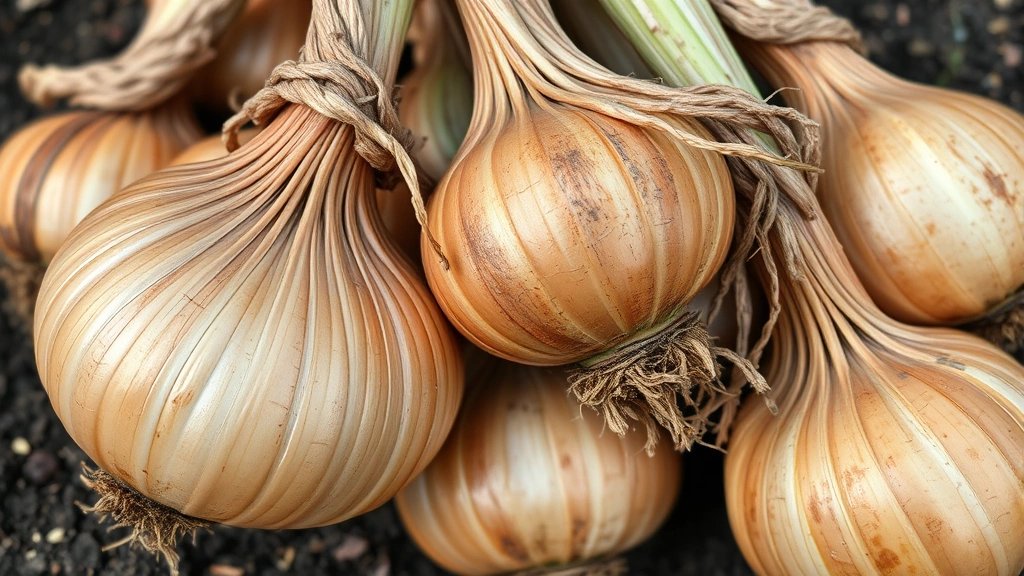
The final stage encompasses dormancy preparation and harvest readiness. As bulbs reach maturity, the tops naturally weaken, yellow, and eventually fall over. This process, called lodging, signals that the plant is entering dormancy and the bulb has completed its development. Rather than fighting this natural process, experienced gardeners recognize it as an essential phase.
Once 50-75% of the tops have fallen over naturally, harvesting can begin. Gently lift bulbs from the soil using a garden fork, being careful not to bruise or damage the papery exterior. Leave bulbs in the garden or a warm, dry, well-ventilated location for 2-3 weeks to cure. During curing, the outer skin hardens, the neck dries completely, and any soil brushes away easily. This curing process is critical for long-term storage success.
Properly cured onions store remarkably well. Keep them in a cool (40-50°F), dry location with good air circulation. Under these conditions, many varieties remain usable for 4-8 months. The dormancy stage essentially places the bulb in suspended animation, preserving its quality until needed. This natural preservation mechanism demonstrates the elegant efficiency built into plant biology.
Creating Optimal Growing Conditions
Understanding growth stages means little without the ability to create conditions supporting each phase. Onion success depends on managing light, temperature, moisture, soil quality, and nutrition strategically throughout the season. Just as setting and achieving goals requires environmental design, successful onion growing demands intentional condition management.
Soil preparation establishes the foundation for all subsequent growth. Onions prefer well-draining, fertile soil rich in organic matter. Incorporate 2-3 inches of compost before planting to improve structure, water retention, and nutrient availability. Soil pH should range from 6.0-6.8 for optimal nutrient uptake. Testing soil before planting reveals deficiencies and prevents problems later.
Light requirements vary by variety and stage. Seedlings benefit from 14-16 hours of light daily, promoting compact, healthy growth. Once transplanted outdoors, onions perform well with full sun exposure (6-8 hours minimum daily). Day length during the bulb initiation phase triggers bulb formation, making variety selection crucial for your geographic location.
Temperature management supports consistent growth throughout the season. Germination succeeds best at 70°F, while vegetative growth occurs well between 55-75°F. Bulb initiation and enlargement benefit from warm days (70-75°F) and cool nights (50-60°F). Fall-planted onions naturally experience these temperature patterns, often outperforming spring plantings in many regions.
Moisture consistency prevents stress and disease. Onions have shallow root systems requiring regular watering. Provide 1-2 inches weekly through rainfall or irrigation, adjusting for rainfall. Drip irrigation or soaker hoses deliver water directly to roots while keeping foliage dry, reducing fungal disease risk. Mulching with 1-2 inches of straw conserves moisture and moderates soil temperature.
Overcoming Common Growing Challenges
Even with perfect conditions, challenges arise during onion cultivation. Understanding common problems and solutions builds resilience and ensures success. Research from agricultural extension services identifies several recurring issues that affect onion growers.
Bolting occurs when plants prematurely flower instead of forming bulbs. This typically results from temperature stress, inconsistent watering, or overcrowding. Prevention involves maintaining consistent moisture, proper spacing, and selecting bolt-resistant varieties. If bolting occurs, remove flower stems immediately to redirect energy to bulb development.
Fungal diseases including powdery mildew and downy mildew thrive in humid conditions. Prevent these diseases through proper spacing for air circulation, avoiding overhead watering, and removing affected leaves promptly. Copper fungicides provide organic control options when needed. Understanding disease prevention parallels the proactive mindset required for personal success.
Pest management addresses onion flies, thrips, and other insects. Row covers protect young plants from pests during vulnerable stages. Encouraging beneficial insects through diverse plantings and avoiding broad-spectrum pesticides maintains ecological balance. Companion planting with marigolds, dill, and cilantro naturally repels many onion pests.
Nitrogen deficiency appears as yellowing lower leaves. Address this by applying balanced fertilizer or side-dressing with compost. However, excessive nitrogen during bulb enlargement reduces storage quality and encourages disease. Timing fertilizer applications to growth stage requirements optimizes results.
Small bulb size usually indicates overcrowding, insufficient nutrition, or inadequate water. Proper spacing (4-6 inches between plants), regular feeding, and consistent moisture prevent this common problem. Selecting appropriate varieties for your day length also influences final bulb size significantly.
Frequently Asked Questions
How long does it take for onions to grow from seed to harvest?
Onion growth from seed to harvest typically requires 120-150 days, depending on variety and growing conditions. Spring-planted seeds usually mature in late summer, while fall-planted sets produce earlier spring harvests. Starting seeds indoors 6-8 weeks before transplanting outdoors accelerates the timeline.
Can I grow onions in containers?
Yes, onions grow well in containers with proper drainage and adequate soil depth (6-8 inches minimum). Use quality potting soil enriched with compost, maintain consistent moisture, and ensure containers receive 6-8 hours of daily sunlight. Container-grown onions often mature slightly earlier than ground-planted varieties.
What’s the difference between onion sets and seeds?
Onion sets are small, dormant bulbs planted directly in soil, bypassing the germination and early seedling stages. Sets mature faster (60-90 days) than seeds but offer less variety selection. Seeds require more time and care but provide superior variety choice and cost savings. Both methods produce equally quality onions when managed properly.
Why are my onions not forming bulbs?
Bulb formation failure typically results from incorrect day length variety for your location, inconsistent watering, overcrowding, or excessive nitrogen. Verify you’ve selected varieties suited to your geographic location’s day length. Improve spacing, establish consistent watering, and adjust fertilization timing to support bulb formation during appropriate growth stages.
How do I know when onions are ready to harvest?
Onions are ready to harvest when 50-75% of the tops have naturally fallen over and dried. The outer skin should feel papery and crisp. Gently lift a bulb to confirm adequate size; if satisfactory, proceed with harvest. Waiting for natural lodging ensures maximum bulb development and superior storage quality.
What external resources provide additional onion growing information?
The National Center for Biotechnology Information publishes peer-reviewed horticultural research. The Garden Myths website debunks common gardening misconceptions with scientific evidence. Your local University Cooperative Extension provides region-specific growing guides. The Gardeners’ World magazine offers practical seasonal advice, and The Farmer’s Almanac provides planting calendars and climate data for precise timing.
Can I save seeds from my onions?
Yes, you can save onion seeds, but it requires allowing bulbs to overwinter and bolt in spring. This two-year process demands careful planning and storage. Alternatively, purchasing quality seeds from reputable suppliers ensures genetic purity and disease-free stock. For most home gardeners, purchasing seeds proves more practical than saving them.


