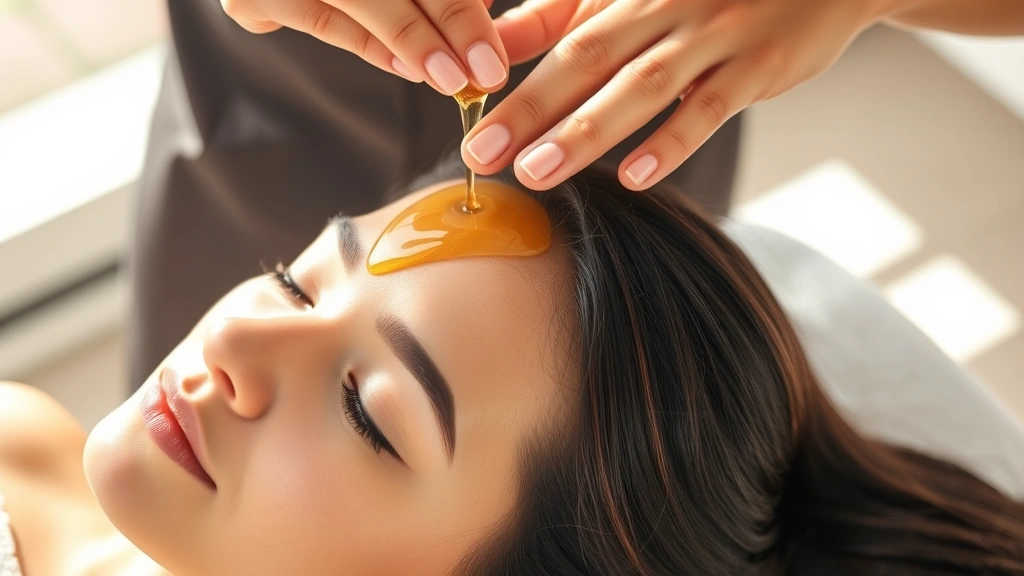
Boost Hair Growth: Expert Tips on Oil Frequency
Your hair’s health depends on consistency, and understanding the optimal oiling frequency is one of the most overlooked aspects of personal growth in your beauty routine. Just as developing a growth mindset requires daily commitment, nurturing your hair demands a strategic, science-backed approach. Many people struggle with hair loss and slow growth simply because they haven’t discovered their ideal oiling schedule—a mistake that costs them years of potential hair development.
The journey to healthier, faster-growing hair isn’t about expensive treatments or complex procedures. It’s about understanding your hair’s unique needs and creating a sustainable routine that works with your biology, not against it. This comprehensive guide reveals expert-backed strategies for optimal oil frequency that will transform your hair growth results.
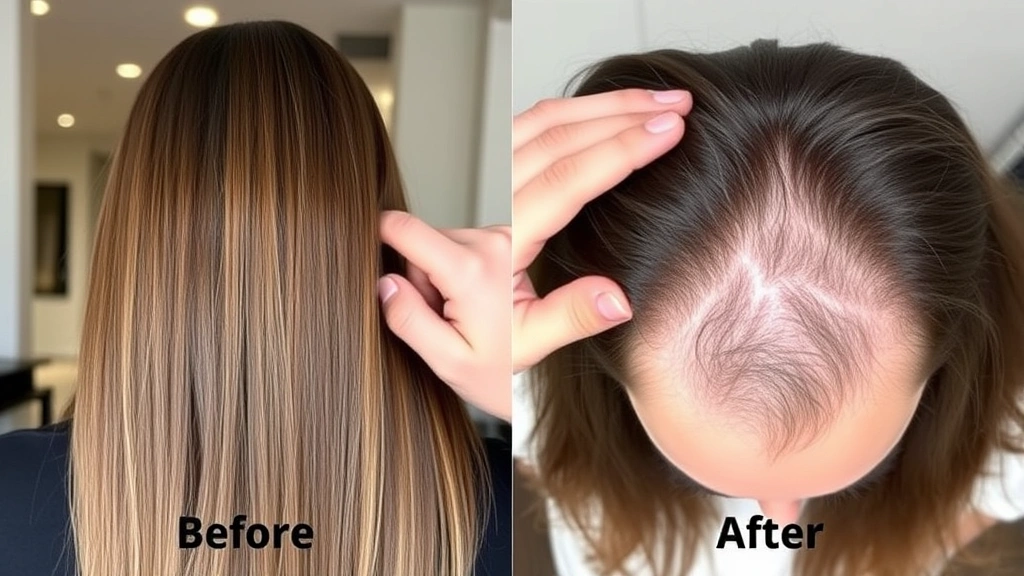
Understanding Hair Growth Science
Hair growth operates on a biological cycle that most people don’t fully understand. Your scalp and hair follicles are living systems that respond to nourishment, stress levels, and environmental factors. According to research published in the Dermatology Practical & Conceptual journal, the hair growth cycle consists of three phases: anagen (growth), catagen (transition), and telogen (resting). Understanding these phases helps explain why some people see rapid results while others struggle.
The scalp produces natural oils called sebum, which serves as your hair’s built-in conditioner and protector. However, modern lifestyles—excessive washing, heat styling, pollution exposure—strip away these protective oils faster than your body can replenish them. This creates a deficit that external oiling helps bridge. When you apply oil to your scalp and hair, you’re essentially replacing what environmental stress has stolen.
Your hair grows approximately half an inch per month under optimal conditions, but this rate varies dramatically based on scalp health. A well-nourished scalp with proper moisture balance supports faster growth and stronger strands. This is why personal growth in your hair care routine matters so much—small consistent actions compound into remarkable results.

How Often Should You Oil Your Hair?
The answer to how often you should oil your hair isn’t one-size-fits-all, but research provides clear guidelines. Most dermatologists recommend oiling your hair 1-3 times per week for optimal growth and health. This frequency allows you to maintain scalp moisture without creating an environment conducive to bacterial growth or product buildup.
If you have particularly dry hair or live in an arid climate, you might benefit from 2-3 oil treatments weekly. Conversely, if your hair is naturally oily or you live in a humid environment, once weekly might be sufficient. The key is finding your personal sweet spot through experimentation and observation.
Studies on scalp health and hair retention demonstrate that consistent oiling improves hair strength by up to 30% over three months. This isn’t coincidental—regular oil application strengthens the hair shaft, reduces breakage, and promotes thicker, healthier growth from the follicle.
Duration matters equally as frequency. Aim to leave oil on your scalp and hair for at least 20-30 minutes for light treatments, or 2-4 hours (or overnight) for intensive treatments. Longer contact time allows the oil to penetrate the hair shaft and nourish the scalp deeply. Many experts recommend a weekly deep oil treatment combined with lighter applications as needed.
Different Hair Types and Oiling Frequency
Your specific hair type demands a customized approach. Understanding your hair classification helps you create an effective routine aligned with your biology rather than generic advice.
Straight Hair: Straight hair typically gets oilier faster because sebum travels easily down the hair shaft. Most people with straight hair benefit from oiling once weekly to avoid excessive greasiness while maintaining scalp health. Focus oil application primarily on the scalp and roots rather than ends.
Wavy Hair: Wavy hair falls somewhere in the middle—sebum doesn’t travel as easily, so the scalp can become dry while ends remain relatively oily. 1-2 times weekly oiling works well, with emphasis on scalp and mid-lengths.
Curly Hair: Curly and coily hair requires more frequent oiling because natural oils struggle to travel down the curl pattern. Many curly-haired individuals benefit from 2-3 times weekly oiling or even lighter applications between washes. The texture naturally traps moisture better, so you can use oil more liberally without appearing greasy.
Coily and Textured Hair: Tightly coiled hair is the driest hair type and often needs 2-3 times weekly or more frequent oiling. Some people with very textured hair oil daily with lighter applications. This hair type responds dramatically to consistent oiling, often showing improved growth rates of 40-50% with proper moisture management.
Hair porosity also matters significantly. High-porosity hair absorbs oil quickly but loses moisture fast, requiring more frequent applications. Low-porosity hair resists moisture absorption but holds it well once absorbed, requiring less frequent but more intensive treatments. Understanding your hair growth support systems through porosity testing helps optimize your routine.
Best Oils for Hair Growth
Not all oils deliver equal results. Science reveals specific oils that actively promote hair growth rather than just conditioning.
Coconut Oil: Coconut oil contains lauric acid, which penetrates the hair shaft and reduces protein loss. Research shows coconut oil is particularly effective for preventing damage and promoting growth in all hair types. Use 1-2 tablespoons weekly for medium-length hair.
Rosemary Oil: A landmark study in Phytotherapy Research found rosemary oil stimulated hair growth as effectively as minoxidil (a common hair growth medication). Mix 5-10 drops with a carrier oil and apply 1-2 times weekly for optimal results.
Argan Oil: Rich in antioxidants and vitamin E, argan oil strengthens hair and promotes scalp health. It’s lighter than coconut oil, making it ideal for fine or straight hair. Use 1 teaspoon to 1 tablespoon depending on hair length.
Castor Oil: Castor oil contains ricinoleic acid and omega-3 fatty acids that nourish follicles and promote growth. Its thickness makes it best for intensive treatments rather than frequent light applications. Use 1-2 tablespoons once weekly for deep conditioning.
Jojoba Oil: Jojoba oil closely mimics the scalp’s natural sebum, making it ideal for balancing oil production. It’s lightweight and works well for frequent applications. Use 1 teaspoon to 1 tablespoon 2-3 times weekly.
Sesame Oil: Traditional in Ayurvedic medicine, sesame oil promotes circulation and scalp health. Its warming properties increase blood flow to hair follicles. Use 1-2 tablespoons as a weekly treatment.
Creating Your Personalized Oiling Schedule
Developing a sustainable routine requires understanding your lifestyle, hair goals, and daily commitments. This mirrors the principle of building consistent habits for growth—success comes from systems aligned with your reality, not perfect plans you can’t maintain.
Step 1: Assess Your Current Condition
Evaluate your scalp and hair honestly. Is your scalp dry, oily, or balanced? Do you experience itching, flaking, or excessive shedding? Are your hair ends dry and brittle? This baseline helps you measure progress and adjust frequency as needed.
Step 2: Start with a Baseline Frequency
Begin with the recommended frequency for your hair type, then adjust based on results. If you’re unsure, start with once weekly and monitor how your hair responds over two weeks. Adjust up or down based on scalp and hair condition.
Step 3: Choose Your Oil(s)
Select one or two oils that match your hair needs. You might use coconut oil for deep weekly treatments and jojoba oil for lighter mid-week applications. Consistency in oil choice helps you notice results more clearly.
Step 4: Establish Your Routine Timing
Schedule oiling at times that fit your life. Many people oil on Saturday evening, leaving it overnight before Sunday morning wash. Others oil Wednesday evening for a Thursday wash. Find timing that feels sustainable for your schedule.
Step 5: Track Results Systematically
Measure hair growth monthly by marking your hair length on a mirror or taking photos. Track scalp health, shedding rates, and hair texture changes. This data-driven approach helps you identify what works specifically for you, much like tracking metrics in any growth measurement system.
Common Mistakes That Slow Growth
Understanding what to avoid prevents months of wasted effort. These mistakes sabotage hair growth despite consistent oiling.
Oiling Infrequently Then Overcompensating: Some people oil sporadically, then use excessive amounts, creating buildup that damages hair. Consistency beats intensity—frequent light applications outperform occasional heavy treatments.
Using Wrong Oil for Your Hair Type: Applying heavy oils to fine, straight hair creates greasiness that discourages consistency. Match oil weight to your hair type for sustainable routines.
Applying Oil Only to Ends: While ends need protection, hair growth starts at the scalp. Prioritize scalp oiling for follicle nourishment, then extend to lengths and ends.
Not Adjusting for Seasonal Changes: Hair needs more moisture in winter and less in summer. Rigidly maintaining the same frequency year-round misses seasonal optimization opportunities. Increase frequency slightly in winter and reduce it slightly in summer.
Washing Oil Out Too Aggressively: Using harsh shampoos or extremely hot water strips away oil benefits. Use lukewarm water and gentle cleansing to preserve the nourishment you’ve applied.
Ignoring Overall Hair Health: Oiling alone doesn’t create optimal growth. Reduce heat styling, minimize chemical treatments, eat protein-rich foods, manage stress, and stay hydrated. Hair growth is holistic—oiling is one component of a comprehensive approach.
Measuring Your Hair Growth Progress
You can’t improve what you don’t measure. Implementing a tracking system transforms abstract goals into concrete data that motivates continued effort.
Photography Method: Take photos monthly from the same angle, in the same lighting, with your hair in the same style. This visual documentation reveals growth that daily observation misses. Store photos chronologically to watch transformation unfold.
Marking Method: Use a permanent marker to mark your hair length on a mirror at eye level. Measure the distance between the mark and your current hair length monthly. This provides numerical data showing growth acceleration over time.
Hair Shedding Tracking: Count shed hairs during washing for one week monthly. Healthy oiling reduces shedding by 20-30% within weeks. Decreasing shedding indicates improving scalp and follicle health.
Scalp Health Assessment: Monthly, evaluate scalp condition. Check for reduced itching, flaking, or oiliness. Improved scalp health precedes visible hair growth—it’s your leading indicator of coming improvements.
Hair Strength Testing: Periodically test a single strand’s strength by gently pulling. Healthy hair resists breaking. As you oil consistently, you’ll notice increased elasticity and reduced breakage.
Expect to see measurable results within 8-12 weeks of consistent oiling at your optimal frequency. Most people notice improved scalp health within 2-3 weeks, followed by reduced shedding, then visible growth acceleration. This timeline matches your brain’s capability for habit formation—you’re building a sustainable practice that becomes automatic after 6-8 weeks.
FAQ
Can I oil my hair every day?
Daily oiling is possible but not necessary for most people. It works well for very textured, coily, or extremely dry hair, but can cause buildup in straighter or finer hair types. If you oil daily, use lighter amounts and ensure thorough washing to prevent product accumulation that damages hair.
What’s the best time to oil my hair?
Evening or night oiling allows longer contact time and avoids daytime greasiness. Oiling 2-4 hours before washing or overnight maximizes absorption and benefit. Weekend timing often works best since you can leave oil on longer without styling pressure.
Should I oil my scalp or hair strands?
Prioritize scalp oiling for growth benefits, then extend to mid-lengths and ends for conditioning. Your scalp produces natural oil for the upper hair, but ends lack this protection and need external oiling most. Balance both areas—scalp for growth, ends for health.
Can oiling cause hair loss?
Improper oiling can cause temporary shedding from product buildup, but consistent, correct oiling reduces hair loss. If you experience increased shedding, you’re likely oiling too frequently, using wrong oil type, or not washing thoroughly enough. Adjust your routine accordingly.
How do I know if I’m oiling too much?
Signs of excessive oiling include persistent greasiness, scalp itching, flaking, or visible buildup. If your hair looks greasy 24 hours after washing, reduce frequency or oil amount. Conversely, if your scalp feels tight and dry, increase frequency.
Does oil type matter for growth?
Yes, significantly. Research shows specific oils like rosemary and coconut actively promote growth, while others primarily condition. Choose growth-promoting oils for maximum results, especially when time investment is limited.
Can I mix different oils?
Absolutely. Combining oils often provides superior benefits. Mix rosemary oil (growth-promoting) with coconut oil (protective) or argan oil (lightweight conditioning). Experiment with ratios until you find your optimal blend.
How long until I see hair growth results?
Scalp health improvements appear within 2-3 weeks. Reduced shedding follows in 3-4 weeks. Visible growth acceleration typically appears in 8-12 weeks. Hair growth requires patience—you’re working with your body’s natural timeline, which can’t be rushed but responds reliably to consistent care.


