Hair growth is a journey that requires patience, consistency, and the right approach. Many people struggle with slow hair growth, thinning strands, or breakage that prevents them from achieving their desired length and volume. The good news? Your hair care routine for hair growth can be dramatically transformed through evidence-based practices and strategic lifestyle changes. Just as personal development requires intentional habits, your hair thrives when you commit to a structured routine that addresses root causes of slow growth.
Your hair grows approximately half an inch per month under optimal conditions, but most people never reach this potential due to environmental damage, nutritional deficiencies, and improper care techniques. This comprehensive guide reveals the proven strategies that dermatologists and trichologists recommend to accelerate hair growth, strengthen follicles, and maintain the healthy scalp environment your hair desperately needs. Whether you’re recovering from damage or simply want faster results, understanding the science behind hair growth is your first step toward transformation.
Think of your hair growth goals similarly to how you’d approach setting and achieving your goals effectively—both require clear objectives, consistent action, and the right tools. Let’s explore the proven hair care routines that deliver measurable results.
Understanding Your Hair Growth Cycle
Before implementing any hair care routine, you must understand how hair actually grows. Your hair follicles operate in three distinct phases: anagen (growth phase lasting 2-7 years), catagen (transition phase lasting 2-3 weeks), and telogen (resting phase lasting 2-4 months). At any given time, approximately 85% of your hair is in the anagen phase, while 15% rests in telogen. This means you’re naturally shedding 50-100 hairs daily—this is completely normal and not a sign of hair loss.
The critical insight: you cannot speed up individual hair growth beyond its genetic potential, but you can maximize the percentage of hair in the growth phase and minimize premature shedding. This is where most people fail. They focus on surface-level treatments while ignoring the systemic factors that determine follicle health. Research from the International Journal of Dermatology demonstrates that nutritional deficiencies, stress, and scalp inflammation are the primary culprits behind stunted hair growth.
Your hair growth journey mirrors the personal growth process—both require understanding foundational principles before taking action. When you comprehend the biological mechanisms at work, you can design interventions that target root causes rather than symptoms.
Foundation: Scalp Health and Cleansing
A healthy scalp is non-negotiable for hair growth. Your scalp contains sebaceous glands that produce sebum—a natural oil that protects hair and promotes growth. However, product buildup, environmental pollutants, and improper cleansing disrupt this delicate ecosystem. Most people over-wash their hair, stripping natural oils and forcing the scalp into compensatory overproduction.
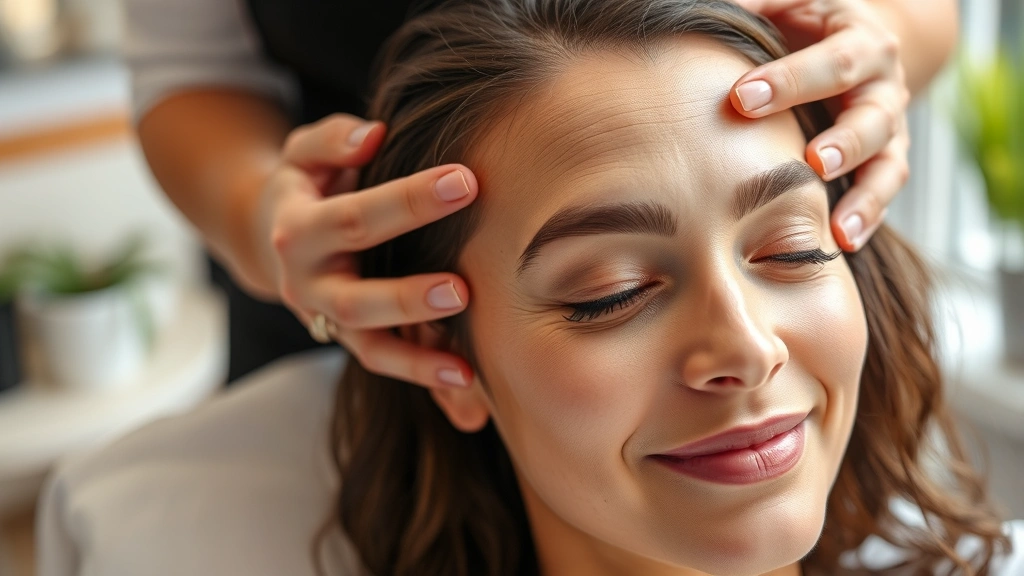
The optimal cleansing strategy depends on your hair type and lifestyle. If you have oily hair or exercise frequently, washing 3-4 times weekly is appropriate. For dry or textured hair, once or twice weekly suffices. When you do wash, use lukewarm water—hot water opens the hair cuticle and increases moisture loss. Massage your scalp for 5 minutes during shampooing to stimulate blood flow to follicles. Research published in the Journal of Cosmetic Dermatology shows that scalp massage increases hair thickness by improving nutrient delivery to follicles.
Choose sulfate-free shampoos that cleanse without harsh stripping. Look for ingredients like ketoconazole (fights scalp inflammation), pyrithione zinc (reduces fungal overgrowth), or salicylic acid (removes buildup). Conditioner is equally important—apply it to the mid-lengths and ends, avoiding the scalp. This prevents moisture loss that leads to breakage and split ends.
Consider incorporating a weekly scalp treatment into your hair care routine for hair growth. Scalp exfoliants remove dead skin cells and product residue, creating an optimal environment for new hair growth. Products containing tea tree oil, salicylic acid, or enzymatic exfoliants work effectively. This practice is similar to how you’d approach growth mindset activities—you’re removing obstacles to progress.

Nourishment from Within: Nutritional Foundations
You cannot grow strong hair on a weak nutritional foundation. Hair is primarily composed of keratin—a protein that requires specific micronutrients to synthesize. If your diet lacks these building blocks, your hair growth inevitably slows. The most critical nutrients for hair growth are biotin, iron, zinc, vitamin D, and B-complex vitamins.
Biotin, also known as vitamin B7, strengthens hair structure and reduces breakage. Studies show that biotin supplementation increases hair thickness in people with genetic thinning. The recommended dose is 2.5 milligrams daily. You can obtain biotin from eggs, almonds, sweet potatoes, and salmon, though supplementation ensures consistent intake.
Iron deficiency is a leading cause of telogen effluvium—premature hair shedding affecting millions of women. Your hair follicles are particularly sensitive to iron depletion. If you experience excessive shedding, get your ferritin levels tested. Iron-rich foods include red meat, spinach, lentils, and fortified cereals. Women need 18 milligrams daily (8 milligrams for men over 50).
Zinc regulates sebum production and supports keratin synthesis. Deficiency causes hair loss within weeks. The recommended daily intake is 8-11 milligrams, easily obtained from oysters, beef, pumpkin seeds, and chickpeas. Vitamin D deficiency correlates with alopecia—ensure you’re getting 600-800 IU daily through sunlight exposure, fatty fish, or supplements.
Consider reviewing your growth vitamins to ensure you’re meeting nutritional requirements. Just as you’d invest in best productivity tools for professionals to optimize performance, strategic supplementation optimizes hair growth potential.
Protective Styling and Damage Prevention
Hair growth is only meaningful if you retain the length you grow. Many people sabotage their progress through damaging styling practices. Heat damage is particularly destructive—blow dryers, flat irons, and curling tools cause protein denaturation that weakens hair structure. If you must use heat tools, apply heat protectant sprays first and keep temperatures below 350°F.
Protective styling—wearing your hair in low-manipulation styles—is crucial for retaining length. Tight braids, buns, and ponytails create tension that causes traction alopecia (hair loss from constant pulling). Instead, wear loose braids, soft buns, or your hair down. When you sleep, use a silk or satin pillowcase rather than cotton, which creates friction that causes breakage.
Chemical treatments—coloring, relaxing, perming—damage hair structure by breaking disulfide bonds. If you use these treatments, space them at least 6-8 weeks apart and use deep conditioning treatments weekly. Consider gradually transitioning to less frequent chemical applications as part of your long-term hair care routine for hair growth strategy.
Trim your hair every 8-12 weeks to remove split ends before they travel up the hair shaft and cause breakage. This counterintuitive practice actually accelerates length retention because you’re preventing cascading damage. Think of trims as maintenance—similar to how consistent personal development practices prevent regression.
Advanced Hair Growth Treatments
Once you’ve established the fundamentals, advanced treatments can accelerate results. Minoxidil (Rogaine) is an over-the-counter topical treatment clinically proven to extend the anagen phase and increase hair thickness. Apply it twice daily to the scalp. Results take 3-4 months to appear, and discontinuing use reverses benefits.
Scalp serums containing peptides, growth factors, or plant extracts can support follicle health. Ingredients like Capixyl, Redensyl, and Procapil have emerging research supporting their effectiveness. These treatments work synergistically with your foundational routine rather than replacing it.
Professional treatments like low-level laser therapy (LLLT) and platelet-rich plasma (PRP) injections show promise in clinical settings. LLLT uses red and near-infrared wavelengths to stimulate cellular energy production in follicles. PRP harnesses your blood’s growth factors to rejuvenate dormant follicles. These treatments require professional administration but offer results for people with significant hair loss.
Hair supplements containing marine collagen, horsetail extract, and antioxidants support hair health from within. Choose products with clinical backing and transparent ingredient lists. Consistency matters more than potency—take supplements daily for at least 3-6 months before evaluating effectiveness.
Building Your Daily Routine
Effective hair growth requires a structured daily routine that addresses all growth factors systematically. Here’s a science-backed framework you can customize based on your needs:
- Morning: Apply minoxidil or growth serum to dry scalp (if using). Take hair growth supplements with breakfast. Avoid heat styling when possible; if necessary, use heat protectant spray.
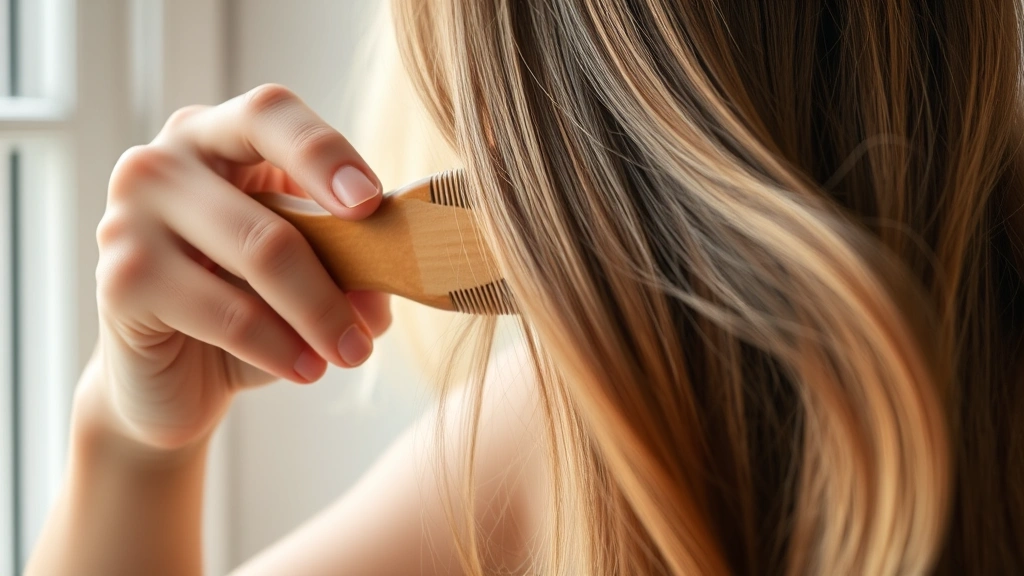
- Evening: Gently brush hair with a wide-tooth comb to distribute natural oils. Apply leave-in conditioner to mid-lengths and ends. Use a silk pillowcase.
- 2-3 times weekly: Cleanse scalp thoroughly with massaging motions. Apply moisturizing conditioner to ends.
- Weekly: Use scalp exfoliant or treatment. Apply deep conditioning mask to hair length. Evaluate progress through photos.
- Monthly: Trim split ends. Assess whether your routine is delivering results. Adjust as needed.
Consistency transforms occasional practices into powerful habits. Your hair growth journey requires commitment similar to visiting the GrowthLifeHub Blog regularly for personal development insights—progress compounds through sustained effort over months.
Tracking Progress and Adjusting Strategy
You cannot improve what you don’t measure. Implement a tracking system to evaluate your hair care routine for hair growth effectiveness. Take monthly photos from consistent angles and lighting. Measure hair length from a fixed point on your back. Track hair shedding by counting strands in your brush or drain.
Document what you’re doing—products used, supplements taken, styling practices, stress levels, sleep quality. This data reveals correlations between specific practices and growth outcomes. Perhaps you notice faster growth during months when you prioritized sleep, or slower growth when you increased heat styling.
Expect realistic timelines. Most people see noticeable improvement within 3 months, with significant results after 6-12 months. Hair growth is slow by design—this isn’t a failure, it’s biology. However, consistent implementation of proven practices accelerates results beyond your genetic baseline.
If you’re not seeing progress after 3 months, consult a dermatologist or trichologist. Underlying conditions like thyroid dysfunction, autoimmune disease, or hormonal imbalances can sabotage even perfect routines. Medical professionals can identify root causes and recommend targeted interventions.
FAQ
How often should I wash my hair for optimal growth?
Washing frequency depends on hair type and lifestyle. Most people benefit from washing 2-4 times weekly. Over-washing strips natural oils; under-washing allows buildup. Experiment to find your optimal frequency, then maintain consistency.
Can I grow hair faster through supplements alone?
No. Supplements support hair growth but cannot compensate for poor scalp health, damaging styling practices, or nutritional deficiencies from diet. They work best as part of a comprehensive approach addressing all growth factors.
How long before I see hair growth results?
Most people notice reduced shedding within 4-6 weeks and visible length growth within 3 months. Significant transformation typically requires 6-12 months of consistent practice. Results vary based on genetics, age, and adherence to your routine.
Is hair loss normal?
Yes. Shedding 50-100 hairs daily is completely normal as hair cycles through growth phases. Excessive shedding (noticeably more than usual) warrants evaluation by a healthcare provider.
What’s the best product for hair growth?
No single product guarantees results. Effective hair growth requires addressing scalp health, nutrition, styling practices, stress management, and sleep quality simultaneously. Products support these factors but cannot replace them.
Does stress affect hair growth?
Absolutely. Chronic stress triggers telogen effluvium—premature shedding affecting 30-50% of your hair. Stress management practices like meditation, exercise, and adequate sleep directly impact hair growth outcomes.


