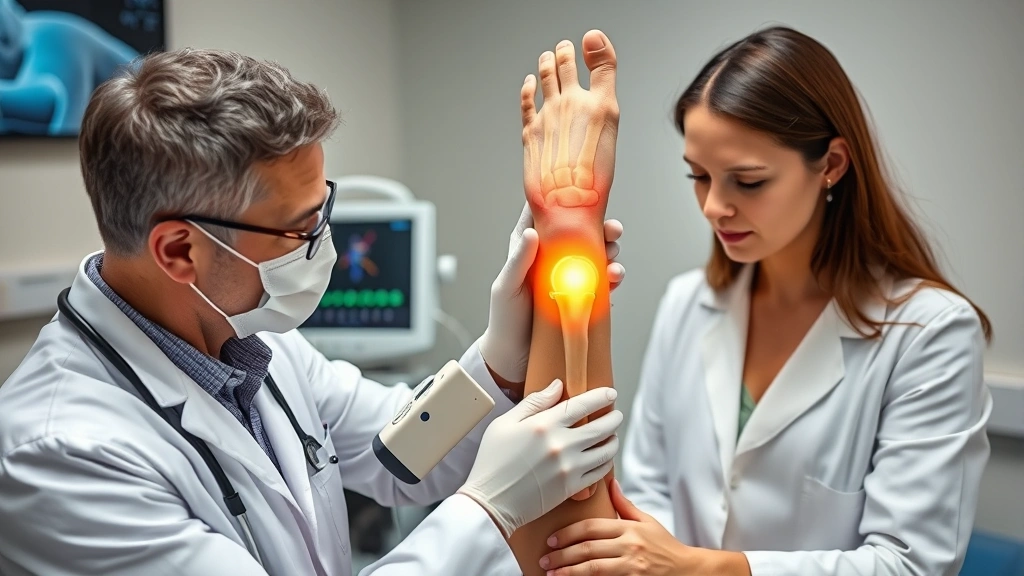
Bone Growth Stimulator: Expert Insights on Side Effects
Bone growth stimulators represent a significant advancement in orthopedic medicine, offering hope to patients recovering from fractures, spinal fusion surgeries, and other bone-related conditions. These devices use electrical or electromagnetic stimulation to accelerate the natural healing process, reducing recovery time and improving outcomes. However, like any medical intervention, bone growth stimulators come with potential side effects that patients and healthcare providers must carefully consider before treatment begins.
Understanding the complete picture of bone growth stimulator side effects is essential for making informed medical decisions. This comprehensive guide explores expert insights on these devices, examining both common and serious adverse effects, helping you navigate your treatment options with confidence and knowledge. Whether you’re considering this technology for yourself or a loved one, knowing what to expect can significantly impact your recovery journey and overall health outcomes.
Understanding Bone Growth Stimulators
Bone growth stimulators are medical devices designed to enhance bone healing through electrical or electromagnetic stimulation. These devices work by creating a bioelectric environment that promotes osteoblast activity—the cells responsible for bone formation. There are several types of stimulators available, including invasive devices that require surgical implantation and non-invasive external devices that patients can wear over the treatment area.
The technology has been used successfully for decades, with FDA approval for specific indications including fresh fractures, delayed unions, nonunions, and spinal fusion surgeries. Many orthopedic surgeons recommend these devices when traditional healing methods prove insufficient or when faster recovery is crucial. Understanding how these devices function is the first step toward appreciating both their benefits and potential risks. As you develop your personal growth in health literacy, learning about medical technologies becomes increasingly important.
The effectiveness of bone growth stimulators has been demonstrated through numerous clinical studies and real-world applications. However, the scientific community continues to research and refine these technologies to minimize adverse effects while maximizing therapeutic benefits. This ongoing evolution means that newer devices may have different risk profiles than older models.
Common Side Effects Explained
Skin irritation and localized discomfort represent the most frequently reported side effects of bone growth stimulators, particularly with external devices. Patients wearing external stimulators may experience redness, itching, or minor dermatitis at the contact site. These reactions typically result from prolonged skin contact with the device or sensitivity to the adhesive materials used. Most cases resolve quickly once the stimulator is removed or the contact area is given time to recover.
Mild to moderate pain at the treatment site is another common complaint, though this can sometimes be difficult to distinguish from the underlying injury pain. Some patients report increased soreness during the initial weeks of treatment as the bone begins its accelerated healing process. This discomfort usually diminishes as healing progresses. Pain management strategies, including over-the-counter analgesics, can help patients tolerate this temporary side effect.
Swelling and inflammation in the affected area occur in some patients, particularly immediately following device application or implantation. This inflammatory response is actually part of the body’s natural healing cascade, though excessive swelling should be reported to your healthcare provider. Elevation, ice application, and compression can help manage mild swelling symptoms. Your commitment to maintaining motivation during recovery will help you persist through these temporary discomforts.
Numbness or tingling sensations may develop, particularly with implanted devices near nerves. These paresthesias are usually temporary and resolve as swelling decreases and nerves adjust to the device’s presence. However, persistent neurological symptoms warrant immediate medical evaluation to rule out nerve compression or other complications.

Muscle weakness in the treated limb sometimes occurs, though this is often related to immobilization rather than the stimulator itself. As patients progress through rehabilitation and gradually increase activity, strength typically returns. Physical therapy plays a crucial role in preventing deconditioning during the treatment period.
Serious and Rare Complications
While serious complications from bone growth stimulators are relatively uncommon, they do occur and deserve careful attention. Infection represents one of the most concerning potential complications, particularly with implanted devices. Surgical site infections can range from superficial skin infections to deep tissue infections affecting the bone itself. Risk factors include compromised immune function, poor surgical technique, and inadequate post-operative wound care. Research from PubMed Central documents infection rates varying by device type and patient population.
Allergic reactions to device components occur in a small percentage of patients, particularly those with metal sensitivities. Implanted devices containing titanium, stainless steel, or other alloys may trigger delayed hypersensitivity reactions. Patients with known metal allergies should discuss this with their surgeon before implantation, as alternative materials may be available. Symptoms can include persistent rash, swelling, or systemic allergic manifestations.
Device malfunction or failure, though rare with modern technology, can compromise treatment effectiveness. Battery depletion in powered devices, mechanical failure of components, or loss of electrical contact can interrupt the therapeutic stimulation. Regular device monitoring and follow-up appointments help identify these issues early. In some cases, device replacement or revision surgery may be necessary.
Bone overgrowth or heterotopic ossification represents a paradoxical complication where excessive bone formation occurs in unintended locations. This is more common with certain patient populations and device types. While this might seem beneficial, excessive bone growth can restrict joint movement or cause structural problems requiring surgical intervention.
Nerve or blood vessel damage during device implantation is a surgical complication rather than a direct side effect of the stimulator itself. Skilled surgical technique and careful anatomical planning minimize this risk. Patients should discuss surgical experience and complication rates with their surgeon before proceeding with implantation.
Electromagnetic interference concerns patients with pacemakers or other implanted electronic devices. Most modern bone growth stimulators have minimal electromagnetic output, but comprehensive safety assessment is essential before treatment begins. Your cardiologist and orthopedic surgeon should communicate to ensure device compatibility.
Managing and Minimizing Risks
Comprehensive pre-treatment evaluation forms the foundation of risk minimization. Your healthcare provider should review your complete medical history, including allergies, previous reactions to implants, immune status, and other relevant conditions. This assessment helps identify patients at higher risk for specific complications and allows for preventive measures or alternative approaches.
Proper device selection based on individual circumstances significantly impacts side effect profiles. External devices offer lower infection risk but may provide less consistent stimulation, while implanted devices deliver reliable treatment but carry surgical risks. Your surgeon should discuss these trade-offs and recommend the option best suited to your situation. Setting clear goals for your recovery helps maintain focus throughout treatment.
Meticulous surgical technique and post-operative care reduce infection and other surgical complications. Choosing an experienced orthopedic surgeon with high success rates and low complication rates is worth the effort. Ask about your surgeon’s specific experience with bone growth stimulators and their complication rates compared to national averages.
Skin care protocols for external device users help prevent dermatological complications. Regular cleaning of both skin and device contact surfaces, allowing skin to breathe during device-free periods, and using protective barriers or hypoallergenic adhesives can minimize irritation. Your healthcare team should provide detailed instructions on proper device care and skin hygiene.
Physical therapy and rehabilitation during and after treatment prevent muscle weakness and deconditioning. Progressive mobilization, as cleared by your surgeon, maintains strength and range of motion. This proactive approach to staying informed about your health journey pays dividends in recovery outcomes.
Regular follow-up appointments allow early detection of complications. Don’t skip scheduled check-ups, and report any concerning symptoms immediately. Your healthcare provider needs accurate information about your experience to adjust treatment if necessary.
Pain management strategies should balance symptom relief with the need to maintain some activity level. Discuss appropriate analgesic options with your physician, considering both over-the-counter and prescription alternatives. Some patients benefit from physical modalities like ice, heat, or gentle massage.

Patient Success Stories and Recovery
Countless patients have successfully navigated bone growth stimulator treatment and achieved excellent outcomes despite initial concerns about side effects. Many report that temporary discomfort was a small price for significantly faster healing and return to normal activities. These success stories demonstrate that understanding and preparing for potential side effects actually improves overall treatment satisfaction.
Athletes who’ve undergone bone growth stimulator treatment often express gratitude for the accelerated recovery timeline, allowing them to return to competition sooner. The motivation to overcome temporary side effects increases when patients understand the substantial benefits at stake. This perspective aligns with the growth mindset philosophy of viewing challenges as opportunities for development.
Elderly patients with compromised healing capacity have benefited tremendously from bone growth stimulator technology. For this population, the slight risk of side effects is vastly outweighed by the benefits of reliable bone healing, which enables faster mobilization and reduces complications associated with prolonged immobilization.
Post-surgical spinal fusion patients frequently report successful outcomes with bone growth stimulators, achieving solid fusion and avoiding revision surgery. The psychological benefit of knowing they’re actively promoting healing contributes to better compliance and overall recovery satisfaction.
Recovery timelines vary based on injury severity, device type, and individual healing capacity. However, most patients experience noticeable improvement within 4-8 weeks of treatment initiation. Complete healing may take several months, but the trajectory typically shows steady progress when side effects are well-managed.
Developing resilience during the treatment period builds character and determination that extends beyond physical recovery. Many patients report that successfully managing treatment side effects strengthens their overall approach to health challenges. This transformation in perspective represents a form of personal development occurring alongside physical healing.
FAQ
What are the most common bone growth stimulator side effects?
The most frequently reported side effects include skin irritation at the device contact site, localized pain or discomfort, mild swelling, and temporary numbness or tingling. These effects are usually mild and resolve with time or simple management strategies. Serious complications are relatively rare when devices are used as directed and patients follow post-operative care protocols.
Can bone growth stimulators cause permanent nerve damage?
Permanent nerve damage is extremely rare with modern bone growth stimulators. Temporary nerve irritation or compression may occur, but most cases resolve as swelling decreases and tissues adjust. Patients experiencing persistent neurological symptoms should contact their surgeon immediately for evaluation, as prompt intervention can prevent progression.
Are bone growth stimulators safe for all patients?
While generally safe, bone growth stimulators aren’t appropriate for every patient. Contraindications include certain cancers, severe infections, and incompatibility with other implanted devices like pacemakers. Comprehensive pre-treatment evaluation helps identify whether the technology is suitable for your specific situation.
How long do I need to wear an external bone growth stimulator?
Treatment duration varies based on the specific condition, device type, and individual healing response. Typical treatment periods range from 3-9 months, with most patients wearing external devices for several hours daily. Your surgeon will provide specific recommendations based on your injury and healing progress.
What should I do if I experience severe side effects?
Contact your healthcare provider immediately if you experience severe pain, signs of infection (fever, increased redness, drainage), significant swelling, or any neurological symptoms that worsen. Don’t assume side effects will resolve without medical evaluation, as prompt intervention often prevents complications from progressing.
Can I remove an external bone growth stimulator if side effects become unbearable?
Never discontinue treatment without consulting your surgeon, as premature removal compromises healing. However, discuss your concerns with your healthcare provider immediately. Often, adjustments to device fit, wearing schedule, or skin care protocols can resolve side effect issues while maintaining treatment benefits.


