Boost Hair Growth: Top Shampoo Picks by Dermatologists
Hair loss and slow growth affect millions of people worldwide, impacting confidence and self-esteem. While genetics play a significant role in hair health, the products you use daily can substantially influence growth rate, thickness, and overall scalp vitality. Dermatologists consistently recommend specific shampoo formulations backed by clinical research that address the root causes of hair thinning and stunted growth.
Finding the best shampoo for quick hair growth requires understanding what ingredients actually work and which marketing claims lack scientific support. This comprehensive guide explores dermatologist-recommended options, ingredient science, and actionable strategies to maximize your hair growth potential alongside proper product selection.
Understanding Hair Growth Cycles
Before selecting a shampoo, understanding how hair actually grows is essential. Your hair operates in three distinct phases: the anagen (growth) phase lasting 2-7 years, the catagen (transition) phase lasting 2-3 weeks, and the telogen (resting) phase lasting 2-4 months. Most hair follicles exist in the anagen phase, but stress, poor nutrition, and inadequate scalp health can prematurely push follicles into telogen, causing excessive shedding.
Dermatologists emphasize that shampoos cannot independently lengthen the anagen phase, but they can create optimal scalp conditions that support longer growth cycles. This means removing buildup, reducing inflammation, and nourishing follicles with evidence-based ingredients. When you explore best hair growth oil recommended by doctors, you’ll notice similar principles apply—scalp health is foundational.
The scalp microbiome also plays a crucial role in hair growth. An imbalanced scalp environment encourages fungal overgrowth and inflammation, which weakens follicles. Quality shampoos maintain pH balance and support beneficial bacteria, creating conditions where hair thrives naturally.

Key Ingredients for Hair Growth
Dermatologists consistently recommend shampoos containing specific, research-backed ingredients. Understanding these components helps you evaluate products beyond marketing language.
Minoxidil-Enhanced Formulations
While minoxidil is primarily a topical treatment, some shampoos incorporate it or complementary ingredients that enhance its effectiveness. PubMed research demonstrates minoxidil extends the anagen phase and increases hair follicle size. Shampoos with minoxidsupporting ingredients prepare the scalp for optimal absorption of this active ingredient.
Biotin and B-Complex Vitamins
Biotin strengthens hair structure and improves keratin infrastructure. Clinical studies show biotin supplementation combined with topical application produces measurable thickness improvements within 90 days. B-complex vitamins support cellular energy production in follicles, essential for sustained growth.
Caffeine and Niacinamide
Caffeine stimulates hair follicles and increases blood flow to the scalp. International Journal of Dermatology publications highlight caffeine’s ability to counteract DHT effects, the hormone responsible for male and female pattern baldness. Niacinamide reduces sebum production, prevents scalp irritation, and strengthens the hair shaft.
Plant-Based Growth Promoters
Rosemary extract rivals minoxidil in some clinical comparisons for promoting hair growth. Saw palmetto blocks DHT production naturally. Peppermint oil increases microcirculation to follicles. These ingredients work synergistically when combined in quality formulations, making best rosemary shampoo for hair growth particularly effective for those preferring natural approaches.
Peptides and Amino Acids
Hair consists primarily of protein, so shampoos containing hydrolyzed proteins and amino acids rebuild damaged strands and strengthen follicles from the scalp up. Collagen peptides improve elasticity and reduce breakage, allowing hair to reach its full growth potential.
Top Dermatologist-Recommended Shampoos
Dermatologists base recommendations on clinical evidence, ingredient transparency, and consistent user results. Here are the top-rated options currently recommended by hair specialists.
Nizoral A-D Anti-Dandruff Shampoo
Containing 1% ketoconazole, Nizoral addresses fungal scalp issues that impede hair growth. Dermatologists recommend it for those with seborrheic dermatitis or fungal-related hair loss. Use 2-3 times weekly for optimal results. The antifungal properties create a healthier scalp environment, allowing growth shampoos to work more effectively.
Rogaine Foam or Liquid Shampoo System
This clinically proven system combines minoxidil with a supporting shampoo formulation. FDA-approved for hair regrowth, Rogaine products show measurable results within 4-6 months with consistent use. Dermatologists particularly recommend this for androgenetic alopecia (pattern baldness).
Puracy Natural Shampoo with Biotin
For those seeking gentler formulations, Puracy delivers sulfate-free cleansing with biotin, niacinamide, and plant proteins. Dermatologists appreciate its pH-balanced formula that doesn’t strip natural oils essential for scalp health. It’s particularly suitable for sensitive scalps or color-treated hair.
Kérastase Genesis Shampoo
This luxury option combines caffeine, ginger root, and amino acids in a sulfate-free base. Dermatologists recommend it for thinning hair and strengthening weakened strands. While premium-priced, the concentrated formula means bottles last longer than standard shampoos.
SheaMoisture Raw Shea Butter Restorative Shampoo
Ideal for textured or curly hair prone to breakage, this shampoo uses natural ingredients including shea butter, argan oil, and hibiscus flower. Dermatologists note that for textured hair types, moisture retention is crucial for supporting growth, making this formula particularly effective.
How to Use Growth Shampoos Effectively
Selecting the right shampoo is only half the equation. Proper application technique significantly impacts results and ensures you’re maximizing the benefits of active ingredients.
Massage Technique Matters
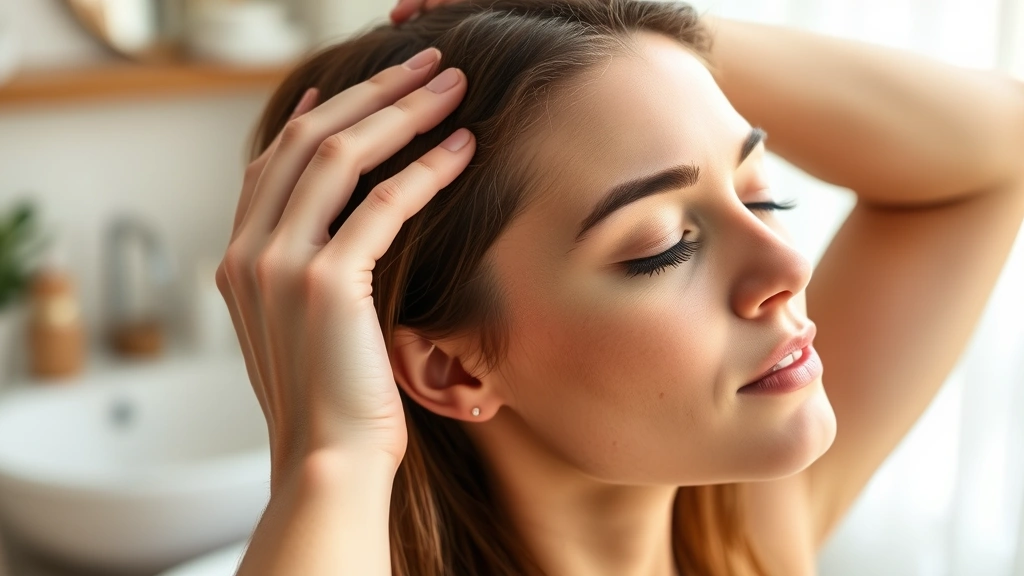
When shampooing, spend at least 60 seconds massaging your scalp with fingertips (never nails). This stimulates blood flow to follicles and ensures even distribution of growth-promoting ingredients. Circular motions from the hairline backward create optimal penetration and microcirculation enhancement.
Water Temperature Optimization
Lukewarm water opens hair cuticles and allows better ingredient absorption, while cold water rinses seal cuticles and reduce frizz. Hot water damages the protein structure and can increase hair loss. Dermatologists recommend lukewarm application followed by a cold rinse to maximize growth ingredient effectiveness.
Frequency and Duration
Most dermatologist-recommended growth shampoos should be used 3-4 times weekly initially. Some people see results faster with daily use, while others require less frequent application to avoid scalp irritation. After 8-12 weeks, adjust frequency based on scalp response. Consistency matters more than intensity—steady use produces better results than sporadic applications.
Combination with Conditioner
Apply conditioner only to mid-lengths and ends, never the scalp. This prevents buildup while maintaining hair integrity. Damaged, broken hair cannot grow long, so conditioning is essential for maximizing growth potential. When exploring growth life hub blog resources, you’ll find extensive guidance on complete hair care routines.
Complementary Hair Care Strategies
While quality shampoos provide external support, optimal hair growth requires comprehensive internal and external strategies working synergistically.
Nutrition and Supplementation
Hair growth depends heavily on adequate protein, iron, zinc, vitamin D, and B vitamins. Dermatologists recommend bloodwork to identify deficiencies before supplementing. Foods like salmon, eggs, spinach, nuts, and legumes naturally support hair growth. For those interested in broader personal growth principles, understanding that hair health reflects overall wellness creates motivation for comprehensive lifestyle improvement.
Stress Management and Sleep
Chronic stress increases cortisol, pushing hair into telogen phase prematurely. American Psychological Association research confirms stress-induced hair loss is physiologically real. Adequate sleep (7-9 hours) allows follicles to regenerate and supports hormonal balance essential for growth. Meditation, exercise, and stress-reduction techniques directly impact hair health.
Scalp Treatments and Masks
Weekly scalp treatments with ingredients like tea tree oil, peppermint, or argan oil enhance the effects of daily shampoos. These intensive treatments penetrate deeper and provide concentrated doses of growth-promoting compounds. Dermatologists recommend alternating between different treatment types to prevent adaptation.
Minimize Heat Styling and Chemical Treatments
Heat damage and chemical processing weaken hair structure, causing breakage that negates growth benefits. If styling is necessary, use heat protectant products and lower temperatures. Limiting chemical treatments to 8-12 week intervals allows hair to maintain integrity while growing.
Regular Trims
Counterintuitively, regular trims every 6-8 weeks prevent split ends from traveling upward and breaking hair. This maintenance allows you to retain length gained through growth shampoos and supporting strategies. Healthy hair grows faster and longer than damaged hair.
FAQ
How long before I see results from growth shampoos?
Most dermatologists indicate 8-12 weeks of consistent use before noticeable improvement appears. Hair growth is gradual—the anagen phase lasts years, so patience is essential. Some people see results within 4-6 weeks, while others require 16+ weeks. Consistency matters more than speed.
Can shampoo alone regrow hair I’ve already lost?
Shampoos work best for maintaining existing hair and preventing further loss. For regrowing lost hair, combining shampoos with minoxidil, finasteride (Propecia), or professional treatments like PRP therapy produces better results. Dermatologists recommend comprehensive approaches rather than relying on single products.
Are expensive shampoos always better?
Price doesn’t guarantee efficacy. What matters is ingredient quality, concentration of active compounds, and pH balance. Many affordable drugstore options contain research-backed ingredients comparable to luxury brands. Reading ingredient lists and choosing products with clinically-proven components matters more than brand prestige.
Can growth shampoos work for all hair types?
While growth principles are universal, formulation matters. Oily scalps need lightweight, clarifying growth shampoos. Dry or textured hair requires moisturizing formulations. Sensitive scalps need fragrance-free, sulfate-free options. Dermatologists recommend selecting shampoos formulated for your specific hair and scalp type for optimal results.
Should I use growth shampoos indefinitely?
Most dermatologists recommend continuing growth shampoos as maintenance once desired results appear. Hair growth requires ongoing support—stopping abruptly often results in regression. However, some people cycle between growth-focused and maintenance shampoos seasonally or based on hair condition.
Do growth shampoos work alongside other hair loss treatments?
Yes, absolutely. Growth shampoos complement minoxidil, finasteride, and other treatments synergistically. The shampoo creates optimal scalp conditions for other treatments to work effectively. Dermatologists often recommend combining approaches for faster, more dramatic results than any single treatment alone.
What’s the connection between overall growth mindset and hair health?
Interestingly, the discipline required for consistent hair care routines connects to broader growth mindset quotes philosophy. Committing to daily improvement through shampoo consistency, scalp massage, and lifestyle changes builds habits that extend to all personal development areas. Hair growth becomes a tangible manifestation of commitment to self-improvement.
Boosting hair growth through quality shampoos requires understanding the science behind ingredients, selecting dermatologist-recommended formulations, and maintaining consistent application routines. Combined with nutritional support, stress management, and complementary treatments, the best shampoos for quick hair growth produce measurable results within months. Remember that hair growth is fundamentally about creating conditions where follicles thrive—quality shampoos provide essential external support for this biological process. Start with dermatologist recommendations matching your specific hair and scalp type, commit to 12 weeks of consistent use, and adjust based on your individual response.


