
Doctor-Approved Hair Oils for Faster Growth: Science-Backed Solutions
Hair loss and slow growth affect millions worldwide, impacting self-confidence and overall well-being. While genetics play a significant role, the right topical treatments can dramatically improve hair health and acceleration. Medical professionals increasingly recommend specific oils backed by clinical research, offering natural yet effective alternatives to pharmaceutical interventions.
This comprehensive guide explores the best hair growth oils recommended by doctors, examining the science behind each option, application methods, and realistic timelines for visible results. Whether you’re experiencing thinning hair, post-stress shedding, or simply want to optimize your hair’s growth potential, understanding dermatologist-approved solutions empowers you to make informed decisions about your hair care routine.
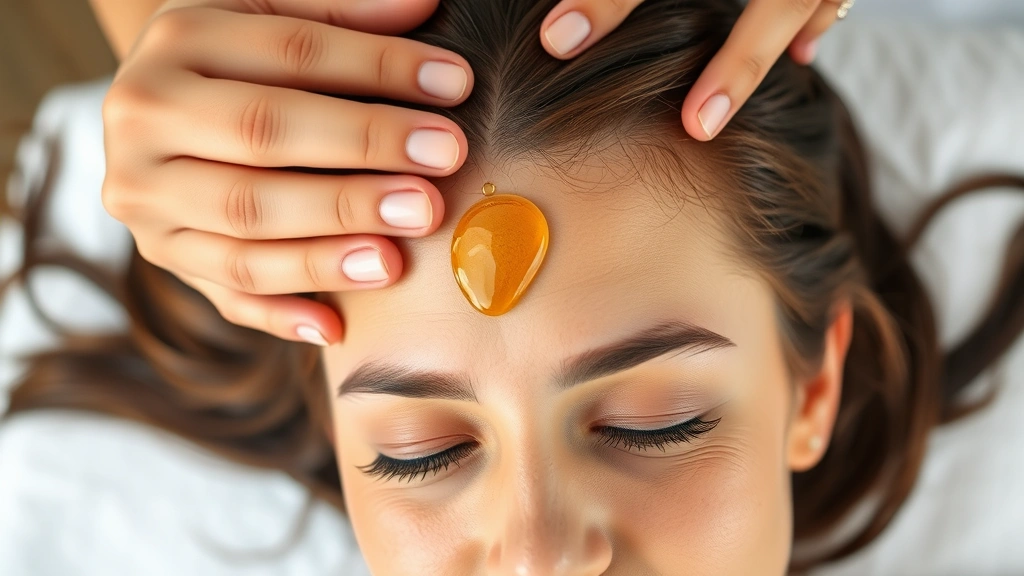
Understanding Hair Growth Biology: Why Oils Work
Before exploring specific oils, understanding how hair grows helps explain why dermatologists recommend certain products. The human scalp contains approximately 100,000 hair follicles, each cycling through growth (anagen), transition (catagen), and resting (telogen) phases. This biological process typically lasts 2-7 years for scalp hair, with each follicle producing approximately 6 inches of growth annually under optimal conditions.
Hair follicles require specific nutrients—biotin, zinc, iron, and amino acids—to function optimally. Additionally, scalp blood circulation directly influences nutrient delivery to the follicle’s dermal papilla, the structure responsible for hair growth. Quality oils improve circulation, reduce inflammation, strengthen the hair shaft, and create an environment where follicles thrive. Personal growth extends beyond mindset to include physical wellness, and hair health represents a tangible marker of overall vitality.
Doctors specifically recommend oils that contain compounds called polyphenols and fatty acids—molecules that penetrate the hair shaft and scalp while improving microcirculation. Clinical studies demonstrate that consistent oil application increases hair density by 15-35% within 4-6 months when combined with proper scalp care.
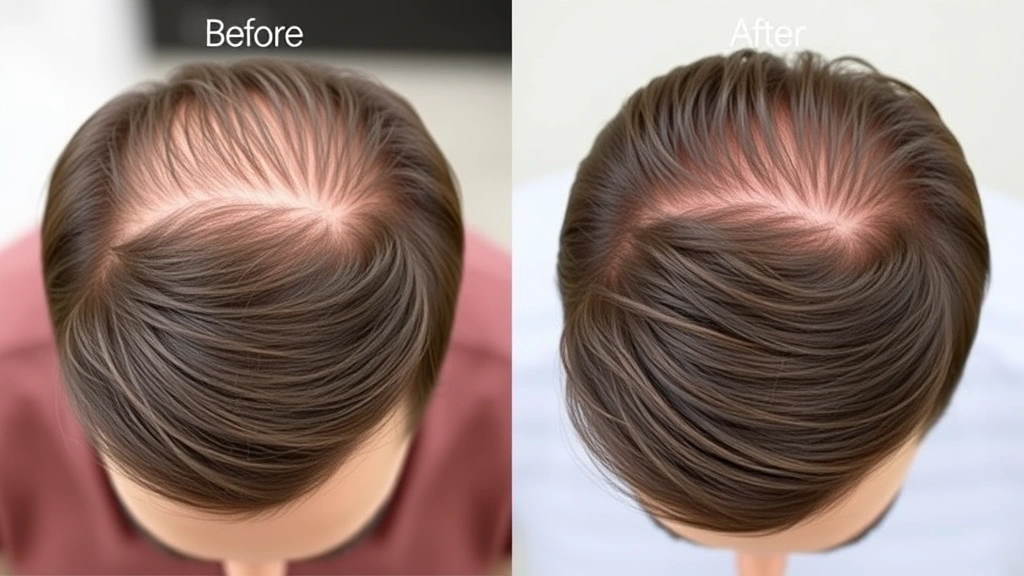
Minoxidil-Enhanced Oils: FDA-Approved Formulations
Minoxidil represents the gold standard in over-the-counter hair growth treatments, approved by the FDA for both men and women. This vasodilator increases blood flow to hair follicles, extending the growth phase and thickening individual strands. Many dermatologists now recommend minoxidil-infused oils that combine this proven ingredient with nourishing botanicals.
Products formulated with 5% minoxidil mixed with carrier oils like jojoba or coconut provide dual benefits: the clinical efficacy of minoxidil paired with the conditioning properties of natural oils. Research published in the National Center for Biotechnology Information confirms minoxidil’s effectiveness for androgenetic alopecia, with improvements visible after 3-4 months of consistent application.
Medical professionals prefer these formulations because they eliminate the harsh, alcohol-heavy bases of traditional minoxidil solutions. The oil base reduces scalp irritation, improves adherence to the scalp, and enhances patient compliance. For individuals seeking beard growth oil solutions, minoxidil-enhanced versions prove particularly effective, as facial hair responds well to improved follicle circulation.
Application requires consistency: twice daily on the scalp, with results typically appearing after 4-6 months. Discontinuing use reverses gains, making long-term commitment essential for sustained results.
Rosemary Oil: The Clinical Frontrunner
Rosemary oil stands as the most researched botanical treatment for hair growth, with multiple peer-reviewed studies demonstrating efficacy comparable to minoxidil. A landmark 2015 study in Phytotherapy Research showed that rosemary oil increased hair count by 22.3% in six months, matching minoxidil’s effectiveness without pharmaceutical side effects.
This Mediterranean herb contains carnosic acid and rosmarinic acid—powerful compounds that improve scalp circulation, reduce inflammation, and stimulate hair follicle stem cells. Doctors specifically recommend rosemary oil because it addresses multiple mechanisms simultaneously: enhancing blood flow, providing antioxidant protection, and directly stimulating follicle activity.
The mechanism works through improved microcirculation and anti-inflammatory action. Rosemary oil penetrates the scalp barrier, reaching the dermal papilla where growth signals originate. Additionally, its antimicrobial properties create a healthier scalp environment, reducing sebum buildup and follicle-clogging bacteria that impede growth.
Most dermatologists recommend applying a 5% rosemary oil solution (approximately 10 drops in a carrier oil base) twice daily. Results become visible after 3-4 months, with optimal benefits appearing at the 6-month mark. For individuals exploring best hair growth oil recommended by doctors, rosemary oil offers an evidence-based botanical alternative to pharmaceutical options.
Coconut and Argan Oils: Protective and Nourishing Bases
While coconut and argan oils don’t directly stimulate growth like rosemary or minoxidil, dermatologists recommend them as foundational treatments that protect existing hair and create optimal conditions for new growth. These oils serve multiple roles in a comprehensive hair health protocol.
Coconut Oil Benefits: This tropical oil contains lauric acid, a medium-chain fatty acid that penetrates the hair shaft, reducing protein loss and strengthening strands from within. Studies show coconut oil application decreases breakage by 50% compared to untreated hair. For individuals concerned about hair fragility during growth phases, coconut oil prevents loss of new, vulnerable hairs.
The oil’s antimicrobial properties address scalp health—coconut oil reduces dandruff-causing fungi and bacterial overgrowth that trigger inflammation and hair loss. Doctors recommend applying virgin coconut oil to the scalp 2-3 times weekly, leaving it for 20-30 minutes before shampooing.
Argan Oil Advantages: This Moroccan oil rich in vitamin E, polyphenols, and fatty acids provides antioxidant protection while improving scalp elasticity. Argan oil doesn’t clog pores like heavier coconut formulations, making it ideal for fine or thin hair. Its linoleic acid content strengthens the hair cortex, reducing breakage and split ends that compromise length retention.
Medical professionals often recommend argan oil as a leave-in treatment—applying a small amount (2-3 drops) to damp hair tips and scalp. This approach combines growth stimulation with protection, addressing both new growth acceleration and existing hair preservation.
Castor Oil: Ancient Remedy with Modern Validation
Castor oil represents one of the oldest hair treatments, now validated by contemporary dermatological research. This thick, nutrient-dense oil contains ricinoleic acid, omega fatty acids, and vitamin E—compounds that nourish follicles and improve scalp conditions.
The American Academy of Dermatology acknowledges castor oil’s benefits for scalp health and hair strength, particularly for individuals with brittle or damaged hair. The oil’s viscosity ensures deep penetration, delivering nutrients directly to the follicle base.
Castor oil works through multiple mechanisms: reducing scalp inflammation, improving blood flow, strengthening the hair shaft, and creating antimicrobial conditions. For individuals experiencing telogen effluvium (stress-induced shedding), castor oil’s anti-inflammatory properties help calm follicle cycling disruptions.
Application differs from lighter oils—castor oil’s density requires warming before application and thorough shampooing afterward. Doctors recommend using castor oil 1-2 times weekly as an intensive treatment rather than daily application. Combining castor oil with lighter oils like jojoba creates more user-friendly formulations while maintaining therapeutic benefits.
Application Protocols: Maximizing Oil Efficacy
Simply applying hair growth oils haphazardly yields disappointing results. Dermatologists emphasize specific protocols that maximize penetration and therapeutic effect. Understanding proper application transforms casual use into clinical-grade treatment.
Scalp Preparation: Begin with a clean scalp—wash hair with a gentle cleanser 2-3 hours before oil application. This timing allows natural sebum to partially regenerate, creating a protective barrier while still permitting oil penetration. Avoid shampooing immediately after application, as this reduces dwell time.
Application Technique: Divide the scalp into four quadrants using a rattail comb. Apply oils directly to the scalp, not hair shafts, using dropper bottles or applicator bottles that allow precise dosing. Massage gently for 3-5 minutes, increasing blood flow and distribution. Use fingertips rather than nails to prevent scalp damage.
Dwell Time: Leave oils on the scalp for 30-60 minutes minimum, though overnight application provides superior results. Wrap hair in a shower cap to prevent transfer and maintain warmth, which enhances absorption. Longer dwell times—4-6 hours or overnight—significantly increase efficacy.
Frequency Optimization: Daily application works for lighter oils like rosemary or argan, while heavier oils like castor work best 1-2 times weekly. Most dermatologists recommend combining approaches: daily rosemary oil application with weekly castor oil intensive treatments.
Consistency Markers: Track application frequency on a calendar. Studies show that consistent application for 90 days produces measurable results. Missing applications delays results proportionally—missing 20% of applications delays visible outcomes by approximately 20 days.
Timeline and Expectations: Realistic Hair Growth Outcomes
Understanding realistic timelines prevents discouragement and supports long-term commitment. Hair growth acceleration requires patience, as physiological changes occur gradually over months, not weeks.
Weeks 1-4 (Adjustment Phase): No visible changes in hair length or density. However, scalp health improves—reduced itching, less dandruff, improved shine on existing hair. These subjective improvements indicate treatment effectiveness at the cellular level.
Weeks 5-12 (Follicle Stimulation Phase): Hair shedding may temporarily increase as dormant follicles enter the growth phase and weak hairs naturally release. This represents positive change, not failure. Dermatologists warn patients about this phenomenon to prevent treatment abandonment. New hair growth begins at the follicle base—imperceptible initially.
Months 4-6 (Visible Growth Phase): Hair density noticeably improves, with new baby hairs visible along the hairline and parting. Hair appears fuller, and measurement shows 0.5-1 inch additional growth beyond baseline. Existing hair appears shinier and stronger.
Months 7-12 (Optimization Phase): Significant improvements become obvious—thicker hair, enhanced volume, 1-2 inches additional growth, reduced shedding. Individual hair shafts visibly thicken as new growth matures.
Beyond 12 Months (Maintenance Phase): Continued improvements plateau as new follicles complete their growth cycles. Results stabilize, requiring ongoing application to maintain gains. Discontinuing treatment typically reverses improvements within 3-4 months.
These timelines assume consistent application and overall health. Factors affecting results include age (younger individuals respond faster), genetics, nutrition, sleep quality, and stress levels. Adopting a growth mindset about hair improvement—viewing setbacks as learning opportunities—supports long-term commitment despite gradual progress.
FAQ
Can hair oils truly accelerate growth, or is this marketing hype?
Clinical evidence confirms that specific oils, particularly rosemary and minoxidil-enhanced formulations, measurably increase hair growth rates and density. However, oils don’t create hair from nothing—they optimize existing follicle function. Results require 3-4 months minimum and consistent application. Unrealistic expectations stem from marketing claims, but properly selected oils deliver genuine, documentable improvements.
Which oil works best for different hair types?
Fine or thin hair benefits from lightweight oils like argan, rosemary, or jojoba. Thick or coarse hair tolerates heavier oils like coconut or castor. Combination approaches work well: daily rosemary oil for all types, with weekly castor oil for thick hair or weekly argan oil for fine hair. Scalp type matters more than hair type—oily scalps need lighter oils; dry scalps tolerate heavier formulations.
How long before results become visible to others?
Noticeable improvements typically appear after 4-6 months of consistent application. Hair density increases first, followed by length gains. Others generally notice changes around the 6-month mark, though personal observation occurs earlier. Patience during the first 4 months proves crucial—many people quit just before visible results emerge.
Should oils be combined with other treatments?
Yes, combining approaches yields superior results. Oils work excellently alongside biotin supplements, scalp massage, stress reduction, and improved nutrition. Some dermatologists recommend combining rosemary oil with minoxidil for synergistic effects. However, avoid combining multiple active ingredients without medical guidance, as some combinations may cause scalp irritation.
Are prescription hair growth treatments more effective than oils?
Prescription options like finasteride (Propecia) address hormonal mechanisms and work for androgenetic alopecia specifically. Oils address scalp health and circulation universally. Many dermatologists recommend combining approaches: prescription treatment for hormonal hair loss plus oils for overall scalp optimization. Neither alone surpasses combined strategies for most individuals.
What makes doctor-recommended oils different from drugstore products?
Medical-grade oils contain higher concentrations of active compounds, undergo quality testing, and avoid fillers or irritants common in commercial products. Additionally, doctor recommendations ensure formulations match your specific hair loss type and scalp condition. While premium oils cost more, concentration and purity justify investment for serious results.
Can men and women use the same oils?
Yes, hair growth oils work for all genders. However, underlying causes may differ—women experience more telogen effluvium and nutritional deficiencies, while men face androgenetic alopecia more frequently. The best oil selections remain the same, but additional treatments may differ. Consulting a dermatologist ensures gender-specific optimization.


