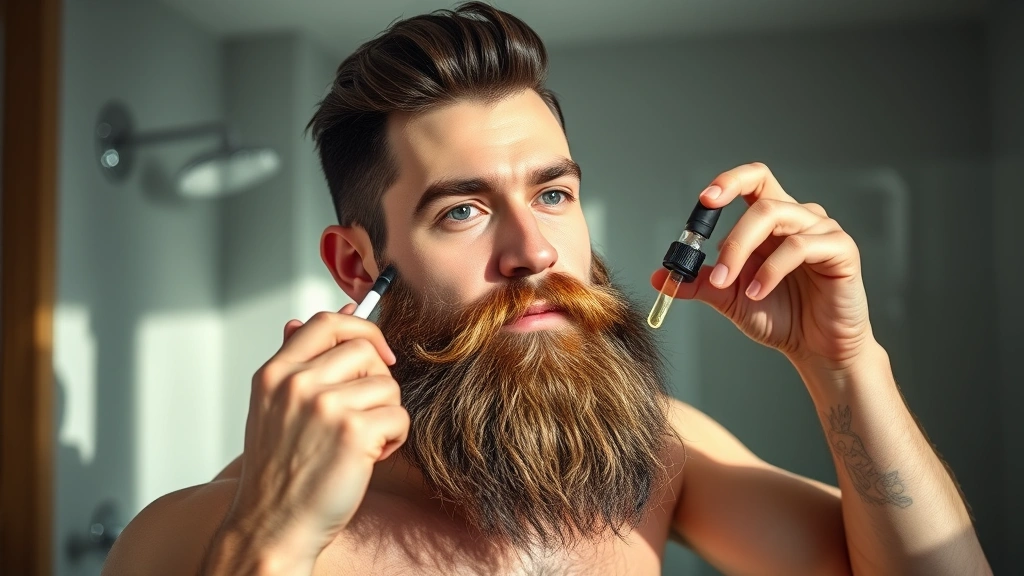
Boost Beard Growth: Top Products Reviewed
Growing a thick, healthy beard isn’t just about genetics—it’s about commitment, patience, and using the right beard hair growth products to maximize your potential. Many men struggle with patchy growth, slow progress, or weak facial hair that refuses to reach their desired length. The truth is that your beard’s growth trajectory depends on multiple factors: proper nutrition, consistent grooming habits, hormonal balance, and strategic product selection. Just as personal growth requires intentional effort, beard development demands a comprehensive approach combining science-backed products with lifestyle optimization.
This guide explores the most effective beard growth solutions available today, dissecting their ingredients, mechanisms of action, and real-world results. Whether you’re struggling with slow growth, thinning areas, or simply want to accelerate your beard journey, understanding which products actually deliver results separates successful beard growers from those stuck in frustration. We’ll examine everything from topical serums to nutritional supplements, helping you build a personalized beard growth strategy that works with your body’s natural processes rather than against them.
Understanding Beard Growth Science
Before investing in beard hair growth products, you need to understand the biological mechanisms driving facial hair development. Your beard grows in cycles: the anagen phase (active growth lasting 2-6 years), the catagen phase (transition period), and the telogen phase (resting period before shedding). Each hair follicle operates independently, which explains why some men develop patchy beards—different follicles are in different growth phases simultaneously.
Beard growth is primarily controlled by androgens, particularly DHT (dihydrotestosterone), which explains why testosterone levels significantly influence facial hair thickness and density. However, genetics determine your follicle sensitivity to these hormones. A man with high testosterone but genetically less sensitive follicles may grow a thinner beard than someone with moderate testosterone and highly responsive follicles. This genetic reality means some products target hormone optimization while others focus on follicle health and nutrient delivery.
The sebaceous glands attached to beard follicles produce sebum, a natural oil that protects and conditions facial hair. Many men unknowingly strip this protective layer with harsh soaps, leading to brittle, slow-growing beards. Understanding this biochemistry reveals why proper cleansing and conditioning form the foundation of any effective beard growth strategy. Just as adopting a growth mindset requires understanding your potential, optimizing beard growth requires knowing your biological starting point.
Key growth factors include:
- DHT sensitivity and androgen receptor expression in follicles
- Blood flow and nutrient delivery to hair follicles
- Scalp and facial skin health and pH balance
- Nutrient availability (protein, iron, zinc, biotin, vitamins)
- Stress hormones that suppress growth cycles
- Sleep quality affecting growth hormone production
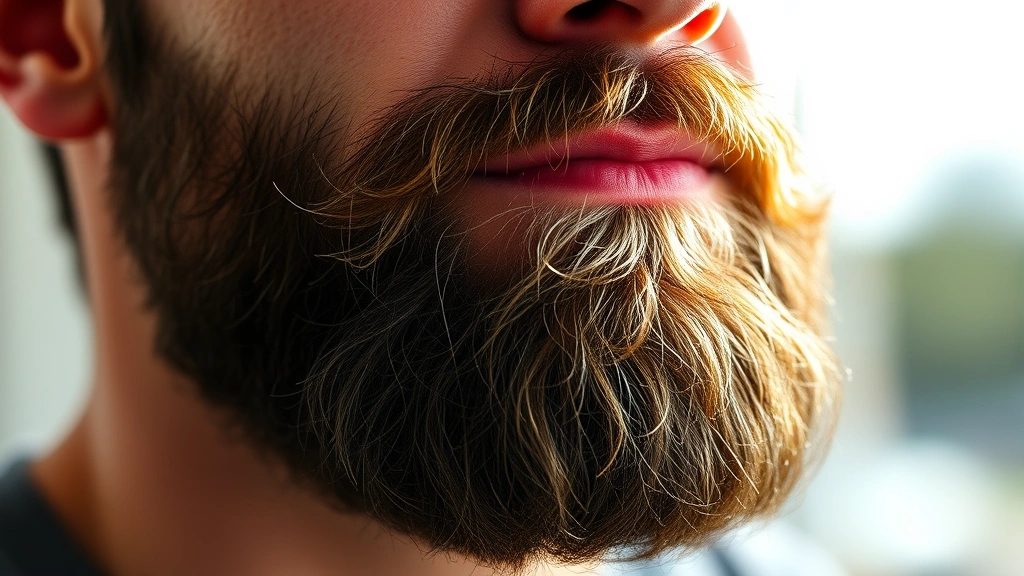
Top Topical Beard Growth Products
Topical solutions represent the most direct method of delivering growth-promoting compounds to your beard follicles. These products work by increasing blood circulation, providing essential nutrients, and optimizing the follicle microenvironment for sustained growth.
Minoxidil-Based Beard Serums
Minoxidil stands as the only FDA-approved topical treatment for hair growth, originally developed for scalp hair loss. Research published in dermatological journals demonstrates its effectiveness for beard growth, with studies showing 40-50% improvement in growth rates after 4-6 months of consistent use. Minoxidil functions as a vasodilator, expanding blood vessels around follicles and increasing nutrient and oxygen delivery. Products containing 5% minoxidil typically show superior results compared to lower concentrations, though individual responses vary significantly.
The mechanism involves extending the anagen (growth) phase while potentially shortening telogen phases. Men using minoxidil for beards report increased density, faster growth rates, and improved fill-in of patchy areas. However, results require patience—most users don’t see significant changes until 3-4 months of daily application. Additionally, discontinuing minoxidil eventually reverses gains, making it a long-term commitment rather than a permanent solution.
Beard Growth Oils with Active Botanicals
Premium beard growth oils combine carrier oils with plant-derived compounds that promote follicle health and blood circulation. Ingredients like caffeine, saw palmetto, and peppermint oil have demonstrated efficacy in research studies. Caffeine stimulates follicle cells and extends the anagen phase, while peppermint oil increases blood flow to treated areas. Saw palmetto may help regulate DHT sensitivity in follicles, potentially beneficial for men concerned about hormone-related hair loss.
These oils work best when massaged into the beard and skin for 2-3 minutes daily, as the massage itself stimulates blood circulation independent of the product. Quality matters significantly—look for products with concentrated active ingredients rather than heavily diluted formulations. Many men combine minoxidil with botanical oils, using minoxidil in morning and evening applications while applying growth oils with massage during grooming routines.
Specialized Beard Serums and Tonics
Advanced formulations combine multiple growth-promoting compounds into concentrated serums designed for maximum absorption. These products often include niacinamide (improving blood flow and reducing inflammation), peptides (supporting collagen production around follicles), and antioxidants (protecting follicles from oxidative stress). Some incorporate growth factors derived from plant stem cells or synthetic peptides mimicking natural growth signals.
The advantage of these premium serums is their targeted approach—they address multiple growth factors simultaneously. However, results vary based on individual skin chemistry, application consistency, and baseline beard genetics. Most effective results emerge from combining serums with complementary approaches rather than relying on topicals alone.

Nutritional Supplements for Facial Hair
Your beard grows from within, making nutritional optimization fundamental to maximizing growth potential. Deficiencies in key nutrients directly impair beard development, while supplementation can dramatically accelerate progress, particularly for men with existing deficiencies.
Biotin and B-Complex Vitamins
Biotin (vitamin B7) supports keratin production, the primary protein component of hair. Research demonstrates that biotin supplementation (2.5mg daily) increases hair strength and growth rate, particularly in men with existing biotin deficiency. B-complex vitamins work synergistically—B3 improves blood circulation, B5 supports hair follicle function, and B12 aids cell division in growing hair. A comprehensive B-complex supplement often outperforms standalone biotin supplementation.
Zinc and Iron
These minerals are absolutely critical for beard growth. Zinc regulates hormone levels and supports immune function around follicles, while iron carries oxygen throughout your body, ensuring follicles receive adequate oxygenation. Deficiency in either mineral causes hair loss and stunted growth. Most men benefit from 15-30mg daily zinc and ensuring adequate iron intake through diet or supplementation (particularly if vegetarian). However, excessive zinc can interfere with copper absorption, so balanced supplementation matters.
Vitamin D and Selenium
Vitamin D deficiency correlates with hair loss and slow growth—your follicles contain vitamin D receptors essential for growth cycle regulation. Supplementing 1,000-4,000 IU daily, particularly if you have limited sun exposure, supports optimal beard development. Selenium works as an antioxidant protecting follicles from oxidative damage while supporting thyroid function, which influences overall hair health.
Protein and Amino Acids
Since hair is primarily protein, adequate protein intake directly impacts growth capacity. Most men benefit from 1.6-2.2g protein per kilogram of body weight daily. Additionally, specific amino acids like L-lysine and L-arginine improve blood flow and follicle function. Some men use targeted amino acid supplements in addition to dietary protein, creating optimal conditions for accelerated growth.
Consider that investing in self-improvement resources extends beyond personal development—physical optimization through proper nutrition represents a foundational self-growth strategy.
Dermarolling and Microneedling Solutions
Microneedling has emerged as a powerful technique for stimulating beard growth, working through entirely different mechanisms than topical products. This approach involves using a device with small needles to create controlled micro-injuries in the skin, triggering your body’s natural healing response and increased collagen production around follicles.
How Microneedling Enhances Beard Growth
When microneedles create micro-injuries, your body activates healing cascades that increase blood flow, growth factor production, and collagen deposition around hair follicles. This creates an optimal microenvironment for growth. Research indicates that microneedling combined with minoxidil produces superior results compared to minoxidil alone, with some studies showing 45-60% improvement in growth metrics.
A dermaroller with 0.5-1.5mm needle length works well for facial use, while 1.5-2mm depths require professional application. Most men perform microneedling once weekly, applying growth serums immediately afterward to maximize absorption through the freshly created microchannels. This combination approach amplifies product efficacy significantly.
Microneedling Safety and Best Practices
Proper technique matters critically—aggressive rolling or excessive frequency causes irritation, redness, and potential scarring. Start with once-weekly sessions, gradually increasing frequency only if skin tolerates treatment well. Always use sterile, high-quality devices and maintain impeccable hygiene to prevent infection. Many men benefit from professional microneedling treatments combined with at-home dermaroller use between sessions.
Grooming Practices That Accelerate Growth
Your daily grooming routine profoundly impacts beard growth trajectory. Many men unknowingly sabotage their progress through improper cleansing, conditioning, and handling.
Proper Beard Cleansing
Harsh soaps strip natural sebum, creating brittle, slow-growing beards prone to breakage. Instead, use specialized beard shampoos formulated with gentle surfactants that cleanse without stripping protective oils. Many men benefit from washing their beard 2-3 times weekly rather than daily, preserving the natural oil barrier while removing dirt and debris. Temperature matters too—lukewarm water maintains sebum integrity better than hot water.
Conditioning and Moisturizing
Daily conditioning prevents dryness and brittleness that limits growth potential. Quality beard conditioners and oils penetrate the hair shaft, improving elasticity and reducing breakage. This seemingly simple practice dramatically improves visible growth since fewer hairs break, allowing existing growth to accumulate longer.
Gentle Handling and Styling
Aggressive brushing, tight styling, or excessive manipulation causes mechanical stress that damages hair and slows growth. Use soft-bristled beard brushes, brush gently in the direction of growth, and minimize pulling or tension. This gentle approach, combined with adopting patience-focused personal growth principles, recognizes that sustainable progress requires consistency and respect for natural processes.
Regular Trimming for Optimal Growth
Counterintuitively, regular trimming (every 4-6 weeks) accelerates net growth by removing split ends and damaged hair tips that would otherwise break off higher up the shaft. This prevents the appearance of stalled growth while allowing healthy hair to accumulate length unimpeded. Think of it as pruning a tree—strategic removal promotes healthier overall growth.
Lifestyle Factors Impacting Beard Development
Your beard exists within your body’s broader physiological context. Lifestyle choices dramatically influence growth potential independent of which products you use.
Sleep Quality and Growth Hormone
Growth hormone production peaks during deep sleep, directly influencing beard growth rates. Most men require 7-9 hours of quality sleep nightly for optimal hormone production. Poor sleep increases cortisol (stress hormone) while suppressing growth hormone, creating a double negative for beard development. Prioritizing sleep consistency and quality represents one of the highest-ROI lifestyle modifications for beard growth.
Stress Management and Cortisol
Chronic stress elevates cortisol, which shifts hair follicles from growth phases into resting and shedding phases prematurely. This explains why men under significant stress often experience beard thinning or stalled growth despite using quality products. Implementing stress-reduction practices—meditation, exercise, time in nature—supports optimal beard development. This connects directly to comprehensive personal growth strategies that recognize physical and mental wellness as interconnected.
Exercise and Testosterone
Resistance training and high-intensity exercise increase testosterone production naturally, supporting beard growth through hormonal optimization. Additionally, exercise improves blood circulation throughout your body, ensuring optimal nutrient delivery to facial hair follicles. Most men benefit from 3-4 resistance training sessions weekly combined with cardiovascular activity.
Hydration and Nutrient Absorption
Adequate hydration supports nutrient transport, hormone balance, and cellular function throughout your body. Dehydration impairs these processes, indirectly limiting beard growth potential. Aim for half your body weight in ounces of water daily, adjusting for exercise and climate.
Smoking and Alcohol Impact
Smoking constricts blood vessels, reducing nutrient delivery to follicles while increasing oxidative stress that damages hair cells. Alcohol depletes B vitamins essential for hair growth while impairing sleep quality. Minimizing or eliminating these substances creates a more favorable physiological environment for accelerated beard development.
FAQ
How long does it take to see beard growth results from products?
Most men require 8-12 weeks of consistent product use before noticing significant changes. Minoxidil typically shows results around 12-16 weeks, while nutritional supplements may show improvements within 4-8 weeks. Patience and consistency matter far more than product switching.
Can I use multiple beard growth products simultaneously?
Yes, combining complementary products often produces superior results. For example, using minoxidil topically while taking biotin and zinc supplements while performing weekly microneedling creates a multifaceted approach addressing growth from multiple angles. However, ensure products don’t contain conflicting ingredients.
Are expensive beard growth products better than budget options?
Price doesn’t always correlate with effectiveness. Some affordable products contain science-backed ingredients in adequate concentrations, while expensive products may rely more on branding than efficacy. Look for specific active ingredients and their concentrations rather than price point alone.
Will my beard stop growing if I stop using products?
Topical growth stimulators like minoxidil produce reversible effects—discontinuing use eventually returns growth to baseline. However, improvements from nutritional supplements and lifestyle changes tend to persist since they’ve optimized your body’s natural processes. This is why combining approaches works better than relying solely on topical products.
Do beard growth products work equally for all men?
Individual results vary significantly based on genetics, baseline hormone levels, existing nutrient status, and follicle sensitivity to growth-promoting compounds. A product producing dramatic results for one man might show modest effects for another. This is why systematic experimentation and patience are essential—finding your optimal regimen requires testing.
Can women use beard growth products?
Some products like minoxidil are safe for women, though effects differ based on hormonal profiles. Women should consult healthcare providers before using hormone-related products. Botanical oils and supplements are generally safe across genders.
What’s the relationship between beard growth and head hair loss?
Some products addressing DHT sensitivity may affect both beard and scalp hair differently based on follicle characteristics. Men concerned about head hair loss while using beard growth products should consult dermatologists about potential interactions.


