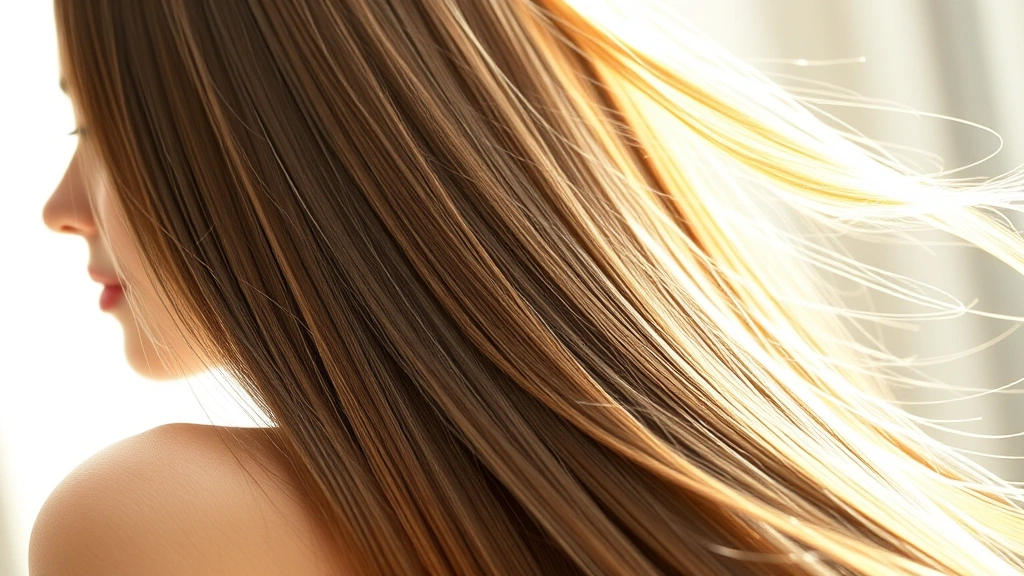
Grow Hair in 3 Months: Dermatologist Tips for Accelerated Hair Growth
Hair growth is a process that requires patience, but with the right approach, you can see significant results in just three months. Many people struggle with slow hair growth, thinning, or damage, not realizing that the foundation for healthy hair begins with understanding the science behind hair development. Dermatologists have identified specific strategies that can accelerate your hair growth timeline while improving overall scalp and hair health.
Whether you’re recovering from damage, growing out a new style, or simply wanting thicker, longer hair, this comprehensive guide combines dermatological science with practical, actionable steps. The key to achieving noticeable 3 month hair growth lies in addressing internal health, external care, and consistency. Just as personal growth requires a structured approach, hair growth demands a systematic strategy that targets the root causes of slow growth.
Understanding Hair Growth Cycles
Before implementing any hair growth strategy, you need to understand how hair actually grows. Your hair follicles operate in three distinct phases: anagen (growth), catagen (transition), and telogen (resting). The anagen phase lasts approximately 2-7 years, during which your hair actively grows about half an inch per month. This is why achieving 3 month hair growth of 1.5-2 inches is realistic and scientifically grounded.
Hair follicles are remarkably sensitive to hormonal changes, nutritional deficiencies, and stress levels. According to research published in dermatological journals, approximately 85-90% of your hair follicles are in the active growth phase at any given time. The remaining 10-15% are in resting phases. Understanding this cycle helps explain why consistency matters—you’re essentially optimizing the conditions for those actively growing follicles while preventing premature entry into the resting phase.
The growth rate varies by genetics, age, and overall health. However, dermatologists confirm that with proper intervention, most people can accelerate their natural growth rate by 20-30% over a three-month period. This acceleration comes from supporting your follicles at the cellular level and maintaining optimal scalp conditions.

Optimize Your Nutrition for Hair Health
Hair growth begins from within. The follicles require specific micronutrients to function optimally, and deficiencies directly impact growth speed and quality. Think of nutrition as the foundation for your hair growth journey—similar to how personal growth requires foundational habits and consistent effort.
Essential Nutrients for Hair Growth:
- Protein: Hair is primarily composed of keratin, a structural protein. Consuming 1.2-1.6g of protein per kilogram of body weight daily supports hair structure and strength. Include sources like eggs, fish, Greek yogurt, and legumes.
- Iron: Iron deficiency causes telogen effluvium, premature hair shedding. Red meat, spinach, lentils, and fortified cereals boost iron levels. Women should aim for 18mg daily, men 8mg.
- Zinc: This mineral regulates hair growth and oil production. Oysters, beef, pumpkin seeds, and chickpeas are excellent sources. The recommended daily intake is 11mg for men and 8mg for women.
- Biotin (Vitamin B7): Numerous studies show biotin supplementation (2.5mg daily) improves hair thickness and growth rate. Found in eggs, almonds, sweet potatoes, and spinach.
- Vitamin D: Research indicates vitamin D deficiency correlates with hair loss. Aim for 1000-2000 IU daily through sunlight exposure, fatty fish, or supplements.
- Omega-3 Fatty Acids: These reduce inflammation and support follicle health. Salmon, walnuts, flaxseeds, and chia seeds provide essential omega-3s.
Consider a comprehensive blood test to identify specific deficiencies. Many dermatologists recommend supplementing with a hair-specific formula containing biotin, collagen, and vitamins A, C, and E. However, supplementation works best when combined with whole food sources.
Topical Treatments That Work
While nutrition builds the foundation, topical treatments accelerate surface-level growth and scalp health. Dermatologists recommend evidence-based products with proven efficacy.
Minoxidil (Rogaine): This FDA-approved topical treatment is one of the most effective options for accelerating hair growth. Applied twice daily to the scalp, minoxidil extends the anagen phase and increases blood flow to follicles. Results typically appear after 3-4 months, making it ideal for your timeline. It works for both male and female pattern hair loss and general growth acceleration.
Niacinamide Serums: Niacinamide (Vitamin B3) reduces sebum production and improves scalp health. Products containing 4-5% niacinamide applied daily strengthen hair and reduce breakage, allowing length to accumulate faster.
Peptide-Based Products: Hair growth serums containing peptides and amino acids stimulate follicles and improve hair diameter. These work synergistically with oral supplements to maximize growth potential.
Caffeine Solutions: Topical caffeine increases blood flow and extends the anagen phase. Studies show caffeine penetrates the scalp effectively, making caffeine-infused shampoos and serums worthwhile additions to your regimen.
Apply topical treatments to a clean, dry scalp for maximum absorption. Consistency matters—missing applications reduces effectiveness. Set phone reminders to build this habit, similar to how goal setting and achievement requires consistent daily actions.
Scalp Care and Massage Techniques
Your scalp is the foundation for hair growth. A healthy scalp with optimal blood circulation delivers nutrients directly to follicles. Dermatologists emphasize scalp health as equally important as hair shaft care.
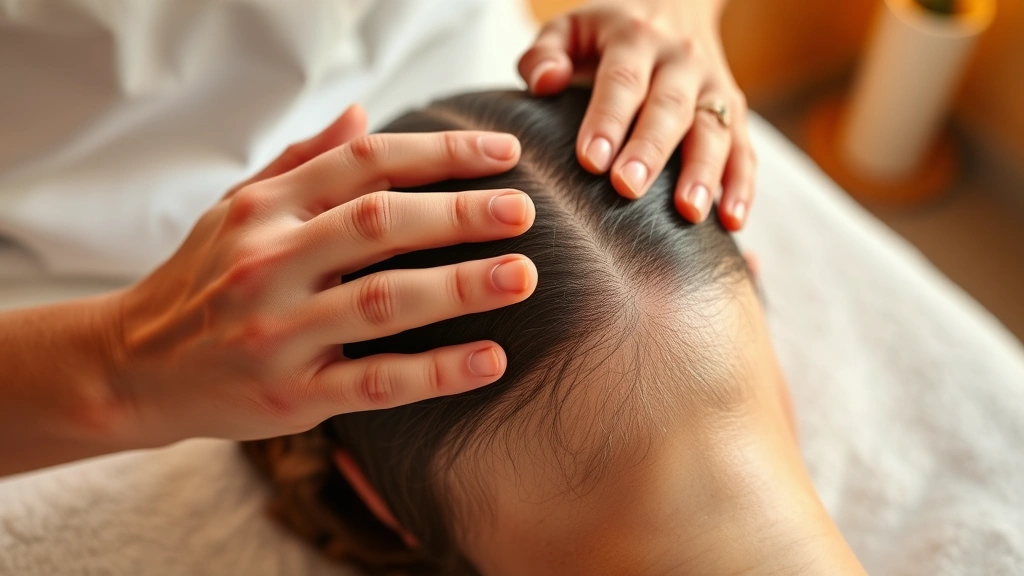
Scalp Massage Protocol: Research published in peer-reviewed dermatology journals demonstrates that daily scalp massage increases blood flow by up to 40%. Perform 5-10 minutes of massage daily using these techniques:
- Use your fingertips (not nails) to apply moderate pressure across your entire scalp
- Move in circular motions, working from the front hairline to the nape of the neck
- Focus on areas with slower growth or thinning, spending extra time there
- Increase pressure gradually—gentle stimulation works better than aggressive massage
- Perform massage before applying topical treatments to enhance absorption
Scalp Exfoliation: Dead skin cells and product buildup block nutrient absorption. Use a gentle scalp scrub or exfoliating shampoo 1-2 times weekly. This removes sebum buildup and allows better penetration of growth serums and treatments.
Scalp Treatments: Weekly scalp masks containing salicylic acid, tea tree oil, or charcoal cleanse deeply. Monthly professional scalp treatments at dermatology clinics provide intensive care and professional assessment of your progress.
Temperature matters—warm (not hot) water opens pores and increases circulation, while cold water closes them and reduces absorption. Finish your routine with cool water to seal the scalp.
Lifestyle Factors Affecting Growth
Hair growth responds dramatically to lifestyle choices. Stress, sleep quality, exercise, and hydration directly impact your hair’s growth rate and health. This interconnection between lifestyle and physical results mirrors how to increase motivation through consistent behavioral changes.
Stress Management: Chronic stress triggers telogen effluvium, pushing hair prematurely into the resting phase. Cortisol elevation disrupts the hormonal balance necessary for growth. Implement stress-reduction techniques: meditation (10-15 minutes daily), yoga, deep breathing exercises, or journaling. Studies show psychological research confirms that stress management directly improves hair retention and growth rates.
Sleep Quality: Hair growth accelerates during sleep when growth hormone peaks. Aim for 7-9 hours nightly. Poor sleep increases cortisol and reduces growth hormone production. Maintain consistent sleep schedules, avoid screens one hour before bed, and keep your bedroom cool and dark.
Exercise: Regular cardiovascular exercise (150 minutes weekly) improves circulation, delivering oxygen and nutrients to follicles. Strength training boosts growth hormone and testosterone (within healthy ranges), both supporting hair growth. However, avoid excessive heat stress—cool down properly post-workout.
Hydration: Hair follicles require adequate hydration to function optimally. Drink 2.7-3.7 liters of water daily (adjusted for climate and activity level). Proper hydration improves nutrient transport and scalp health.
Hormonal Balance: For women, hormonal fluctuations affect growth rates. Tracking your cycle helps identify patterns—many women experience faster growth during certain phases. If you suspect hormonal imbalances, consult an endocrinologist alongside your dermatologist.
Common Mistakes to Avoid
Even with proper strategy, common errors sabotage results. Awareness of these pitfalls prevents wasted effort and maintains momentum toward your 3 month hair growth goal.
Heat Damage: Excessive heat from blow dryers, flat irons, and curling tools causes protein loss and breakage. Limit heat styling to 1-2 times weekly. Always use heat protectant sprays containing silicones or ceramides. Air dry whenever possible, and use the lowest heat setting necessary.
Chemical Treatments: Frequent coloring, perming, or relaxing weakens hair structure. If you must color, space treatments 8-12 weeks apart and use sulfate-free products. Consider natural alternatives like henna or semi-permanent dyes that cause less damage.
Tight Hairstyles: Traction alopecia results from constant tension on follicles. Avoid tight ponytails, braids, and extensions. When styling, use silk scrunchies instead of elastic bands, and vary your style placement regularly.
Inadequate Conditioning: Dry, brittle hair breaks easily, negating growth progress. Use a quality conditioner on mid-lengths and ends 2-3 times weekly. Deep conditioning treatments weekly prevent moisture loss and maintain elasticity.
Inconsistency: Hair growth requires sustained effort. Many people abandon routines after 4-6 weeks when visible results haven’t appeared. Remember that growth takes time—you won’t see results until week 6-8 typically. Create accountability systems similar to growth mindset development, tracking progress through photos and measurements rather than daily expectations.
Ignoring Underlying Health Issues: Thyroid disorders, autoimmune conditions, and nutritional deficiencies require medical attention. Hair loss sometimes signals internal health problems. If you experience sudden, severe shedding, consult a dermatologist immediately.
Using Wrong Products: Not all hair products suit every hair type. Thick, curly hair requires different products than fine, straight hair. Test products on a small section first. Look for sulfate-free, paraben-free formulations that won’t strip natural oils.
FAQ
How much hair can I realistically grow in 3 months?
Hair grows approximately 0.5 inches (1.27 cm) monthly on average. In three months, you can expect 1.5-2 inches of new growth. With optimized conditions and proper care, some people achieve 2-2.5 inches. This varies based on genetics, age, and baseline health. Dermatologists consider 1.5-2 inches in three months excellent progress.
Do hair growth supplements really work?
Quality supplements containing biotin, collagen, vitamins, and minerals show measurable benefits when combined with proper nutrition and topical treatments. However, supplements alone won’t dramatically accelerate growth—they work best as part of a comprehensive approach. Look for third-party tested brands and give them 8-12 weeks to show results.
Is minoxidil safe for long-term use?
Yes, minoxidil is FDA-approved for long-term use and considered safe when applied as directed. Side effects are minimal and typically involve mild scalp irritation. However, results stop once you discontinue use, so it requires ongoing application. Consult your dermatologist about long-term use and suitability for your situation.
Can I speed up hair growth without supplements?
Absolutely. Nutrition from whole foods, scalp care, stress management, and proper hair handling can significantly improve growth rates. However, supplements accelerate results by ensuring optimal nutrient levels. Many dermatologists recommend both dietary sources and strategic supplementation for maximum effectiveness.
How often should I wash my hair during this growth period?
Wash 2-3 times weekly with sulfate-free shampoo. Frequent washing strips natural oils, while infrequent washing allows buildup. Find your optimal frequency—some people thrive with 2 washes weekly, others need 3. Always condition after shampooing, focusing on mid-lengths and ends.
Does the Growth Life Hub Blog have additional resources about personal transformation?
Yes, the Growth Life Hub Blog offers comprehensive resources on personal development, health optimization, and achieving goals. Many principles of goal achievement and habit formation apply equally to hair growth projects, reinforcing the mind-body connection in personal transformation.
When should I expect to see visible results?
Most people notice improved hair quality (shine, strength, reduced breakage) within 2-4 weeks. Visible length growth typically becomes apparent by week 6-8. By three months, you should have noticeably longer, thicker, healthier hair. Take baseline photos to document progress objectively.
What if I have hair loss conditions like alopecia?
Pattern hair loss and alopecia require professional dermatological care. Minoxidil helps, but you may need additional treatments like finasteride (prescription) or corticosteroid injections depending on your condition. Early intervention produces better results. Schedule a dermatology consultation to determine the underlying cause and appropriate treatment.


