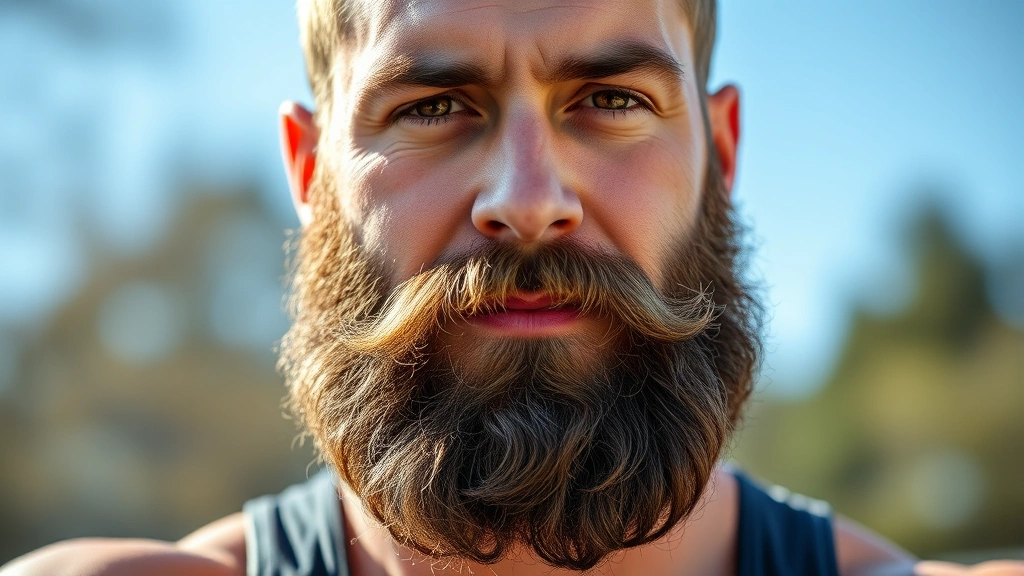
Boost Beard Growth: Dermatologist Tips for Thicker, Fuller Facial Hair
Growing a thick, impressive beard isn’t just about patience—it’s about understanding the science behind facial hair growth and implementing evidence-based strategies that actually work. Whether you’re struggling with patchy growth, slow progress, or simply want to optimize your beard potential, dermatologists have revealed practical tips that can significantly accelerate your results. The good news is that what helps beard growth involves a combination of internal health factors, topical treatments, and lifestyle habits that are entirely within your control.
Your beard’s growth rate and quality depend on multiple interconnected factors: genetics certainly play a role, but so do hormone levels, nutrition, blood circulation, stress management, and skincare practices. By addressing each of these areas systematically, you can create an optimal environment for robust beard development. This comprehensive guide draws from dermatological research and expert recommendations to help you achieve the beard you’ve always wanted.

Understanding Beard Growth Biology
Before diving into specific strategies for what helps beard growth, it’s essential to understand how facial hair actually develops. Your beard grows from hair follicles in the dermis layer of your skin, with each follicle cycling through three distinct phases: the anagen phase (active growth), the catagen phase (transition), and the telogen phase (resting). The length and duration of these phases determine how long and thick your beard can potentially grow.
Testosterone and its derivative, dihydrotestosterone (DHT), play crucial roles in beard development. These androgens stimulate hair follicles on your face while simultaneously suppressing growth on your scalp—which explains why some men experience beard growth while experiencing hair loss. However, sensitivity to these hormones is largely genetic, meaning some men naturally grow thicker beards than others regardless of hormone levels.
The growth rate of facial hair typically ranges from 0.3 to 0.4 millimeters per day, translating to roughly 5-6 inches per year. This means patience is genuinely required, but understanding this timeline helps you set realistic expectations. Most dermatologists recommend maintaining a beard for at least 3-4 months before assessing whether your growth efforts are actually working, as this allows enough time for the full cycle to complete.

Nutrition and Dietary Factors
One of the most overlooked aspects of personal growth in terms of physical appearance is the fundamental role nutrition plays. Your beard is made primarily of protein, keratin, and various micronutrients, so your diet directly impacts growth quality. Dermatologists consistently emphasize that you cannot supplement your way to a great beard if your foundational nutrition is poor.
Protein intake should be your first priority. Aim for 0.8-1 gram of protein per pound of body weight daily, as this provides the amino acids necessary for keratin synthesis. Excellent sources include lean meats, fish, eggs, Greek yogurt, legumes, and nuts. Protein isn’t just for muscle building—your hair follicles are among the most metabolically active tissues in your body and require consistent amino acid availability.
Beyond protein, several micronutrients specifically support beard growth:
- Biotin (Vitamin B7): Research published in dermatological journals shows biotin supplementation can improve hair strength and thickness. Typical doses range from 2.5 to 5 mg daily, found naturally in eggs, almonds, sweet potatoes, and spinach.
- Zinc: This mineral is essential for hair growth and protein synthesis. Deficiency directly correlates with hair loss and slow growth. Include oysters, beef, pumpkin seeds, and chickpeas in your diet.
- Iron: Low iron levels can trigger telogen effluvium, causing premature shedding. Red meat, lentils, and fortified cereals are excellent sources.
- Vitamin D: Emerging research indicates vitamin D receptors on hair follicles, suggesting deficiency impairs growth. Aim for 1000-2000 IU daily through sunlight exposure or supplementation.
- Vitamin C: This antioxidant supports collagen synthesis and iron absorption, both critical for healthy hair growth. Citrus fruits, berries, and bell peppers are excellent sources.
- Omega-3 fatty acids: These reduce inflammation and support scalp health. Incorporate fatty fish, flaxseeds, and walnuts regularly.
Consider consulting with a nutritionist to assess whether your current diet supports optimal beard growth, or explore the best hair growth oil options alongside dietary improvements.
Topical Treatments and Beard Care
While internal factors matter tremendously, topical treatments remain among the most scientifically validated interventions for enhancing beard growth. Minoxidil (Rogaine) is the only FDA-approved topical medication clinically proven to stimulate facial hair growth. Applied twice daily to clean, dry skin, minoxidil extends the anagen phase and increases blood flow to hair follicles. Results typically appear after 3-4 months of consistent use, with maximum benefits visible around 6 months.
Dermatologists recommend starting with a 5% minoxidil solution or foam. While minoxidil was originally developed for scalp hair loss, numerous studies confirm its effectiveness for beard enhancement. The mechanism works by opening potassium channels and promoting vasodilation, essentially improving nutrient delivery to dormant or weak follicles.
Beyond minoxidil, several complementary topical approaches support beard growth:
- Derma rolling: Using a 0.5-1.5mm derma roller 2-3 times weekly on the beard area creates micro-injuries that trigger the body’s healing response, increasing growth factor production and collagen synthesis. Always maintain sterile equipment and follow proper technique.
- Beard oils: While not growth-stimulating themselves, quality beard growth oil products with ingredients like argan oil, jojoba oil, and essential oils support skin health, reduce inflammation, and prevent beard itch during growth phases. Look for products with proven moisturizing ingredients rather than marketing hype.
- Exfoliation: Gentle exfoliation 2-3 times weekly removes dead skin cells that can clog follicles and impede growth. Use a soft beard brush or chemical exfoliant containing salicylic acid.
Proper beard hygiene matters significantly. Wash your beard 2-3 times weekly with a gentle, sulfate-free cleanser rather than harsh soaps. Harsh cleansing strips natural oils, irritates skin, and can trigger inflammation that impedes growth.
Hormonal Optimization
Since testosterone and DHT drive beard growth, optimizing your hormonal environment represents a powerful strategy. While you cannot dramatically alter your genetics, you can certainly support healthy hormone production through lifestyle modifications.
Sleep quality directly impacts testosterone levels. During deep sleep, your body produces most of its daily testosterone. Aim for 7-9 hours nightly, maintain consistent sleep schedules, and optimize your sleep environment. Poor sleep chronically suppresses testosterone by 10-15%, significantly impacting beard growth potential.
Exercise intensity boosts testosterone naturally. Resistance training and high-intensity interval training (HIIT) produce the most significant hormonal responses. Aim for 3-4 strength training sessions weekly, focusing on compound movements like squats, deadlifts, and bench presses. Research from the American College of Sports Medicine demonstrates that consistent resistance training increases testosterone by 15-25% in men.
Stress management is equally critical. Elevated cortisol suppresses testosterone production and triggers inflammation that impairs hair growth. Incorporate stress-reduction techniques including meditation, deep breathing, journaling, or yoga. Even 10-15 minutes of daily mindfulness practice measurably reduces cortisol levels.
Body composition matters too. Excess body fat increases aromatase enzyme activity, which converts testosterone to estrogen. Maintaining a healthy body composition through proper nutrition and exercise supports optimal testosterone levels.
Lifestyle Habits for Better Growth
Beyond specific interventions, several foundational lifestyle habits create an environment where your beard can thrive. Think of these as the infrastructure supporting your growth opportunities in facial hair development.
Hydration is fundamental. Your hair follicles require adequate water to function optimally. Aim for at least 8-10 glasses daily, adjusting for activity level and climate. Dehydration impairs nutrient transport and can trigger temporary shedding.
Sunlight exposure supports vitamin D production and provides mild stress to skin that triggers adaptive responses benefiting hair growth. Aim for 15-30 minutes of midday sun exposure 3-4 times weekly, without burning. Sunlight also improves mood and sleep quality, indirectly supporting hormonal health.
Avoid smoking and excessive alcohol consumption. Smoking restricts blood flow, reducing nutrient delivery to beard follicles while increasing oxidative stress. Alcohol impairs nutrient absorption and disrupts sleep quality. These substances directly inhibit the biological processes supporting beard growth.
Manage your expectations through growth mindset principles. Just as growth mindset quotes remind us that development takes time, beard growth requires patience and consistency. Expecting overnight results leads to abandoning effective strategies before they work. Commit to 4-6 months of consistent effort before reassessing your approach.
Temperature matters more than most realize. Cold exposure temporarily constricts blood vessels, reducing nutrient flow to follicles. Keep your face warm, especially during winter months, to maintain optimal blood circulation.
Common Mistakes to Avoid
Understanding what helps beard growth includes knowing what actively harms it. Dermatologists consistently see patients undermining their own progress through preventable mistakes.
Trimming too frequently is perhaps the most common error. While regular grooming prevents split ends, trimming more than every 4-6 weeks removes length faster than it grows, making progress invisible. Patience with grooming is essential during growth phases.
Using harsh products irritates skin and triggers inflammation that impedes growth. Avoid alcohol-based beard products, heavily fragranced items, and anything containing sulfates. Stick to natural, dermatologist-recommended formulations.
Neglecting skin health undermines beard growth from the foundation. Acne, dermatitis, or other skin conditions create an inflammatory environment hostile to hair follicles. Address skin issues with a dermatologist before expecting optimal beard growth.
Inconsistency with treatments. Minoxidil requires continuous use to maintain benefits. Many men see initial results, then discontinue treatment when progress plateaus, causing regression. Commit to the full treatment timeline before deciding effectiveness.
Poor sleep and high stress sabotage hormonal optimization. You cannot out-supplement poor lifestyle habits. Prioritize sleep and stress management as non-negotiables in your beard growth strategy.
Ignoring genetics. While you can optimize growth potential, genetics ultimately determine your beard’s maximum thickness and growth rate. Set realistic expectations based on your family history rather than comparing yourself to genetic outliers.
FAQ
How long does it actually take to grow a full beard?
Most men can grow a noticeable beard within 3-4 months of consistent growth, but achieving a full, thick beard typically requires 6-12 months. Individual variation is substantial based on genetics, age, and hormonal factors. Younger men often experience slower beard development, with growth accelerating in the 25-35 age range.
Can women use the same beard growth strategies?
Women naturally have lower testosterone levels, making facial hair growth more challenging. However, the nutritional and lifestyle strategies outlined here benefit overall hair health. Women should consult dermatologists before using minoxidil or other hormonal interventions, as these may have different effects based on individual hormone profiles.
Is beard growth oil actually effective?
Quality beard oils don’t directly stimulate growth but support the skin environment where growth occurs. They reduce inflammation, prevent dryness, and provide antioxidant protection. Think of them as supporting infrastructure rather than growth drivers. They’re most effective when combined with proper nutrition and other evidence-based strategies.
What’s the difference between beard growth and hair growth on the scalp?
Facial hair and scalp hair respond differently to hormones and grow at slightly different rates. Facial hair is more androgen-dependent, explaining why some men with full beards experience scalp hair loss. Treatments like minoxidil work on both, but results may vary by location.
Should I take beard growth supplements?
Rather than specialized “beard growth” supplements, focus on foundational micronutrients proven to support hair health: biotin, zinc, iron, vitamin D, and omega-3 fatty acids. Get these primarily from food, supplementing only where deficiency exists. Avoid expensive proprietary blends without scientific validation.
Does beard growth indicate good health?
Generally yes. Healthy beard growth reflects adequate nutrition, hormonal balance, good sleep, and low stress—all markers of overall health. Conversely, sudden beard loss or dramatically slowed growth can indicate nutritional deficiency, hormonal imbalance, or stress that warrants medical evaluation.


