
Best Hair Growth Oil? Dermatologist Recommendations & Science-Backed Solutions
Hair loss and slow growth affect millions worldwide, creating frustration that extends beyond vanity into genuine self-confidence concerns. Whether you’re experiencing thinning, breakage, or simply want faster, healthier growth, the right hair oil can make a measurable difference. But with countless products flooding the market, understanding what actually works—according to dermatologists and research—separates effective solutions from marketing hype.
This comprehensive guide explores the best hair growth oils recommended by dermatologists, backed by clinical evidence and practical application strategies. We’ll examine which oils stimulate growth, strengthen strands, and support scalp health, helping you make informed decisions about your hair care routine. Just as personal growth requires intentional action, healthy hair requires strategic, science-based approaches.
Understanding Hair Growth Science
Before selecting an oil, understanding hair biology proves essential. Hair grows in cycles: the anagen (growth) phase lasting 2-7 years, catagen (transition) phase lasting 2-3 weeks, and telogen (resting) phase lasting 2-3 months. Most hair loss occurs when follicles prematurely enter the telogen phase or when the anagen phase shortens.
Dermatologists recognize that hair growth depends on three critical factors: adequate blood circulation to follicles, proper scalp microbiome balance, and protection from oxidative stress. The best hair growth oils address these mechanisms simultaneously rather than offering single-benefit solutions. Research published in PubMed Central demonstrates that certain plant-based oils contain compounds that extend the anagen phase, improve scalp circulation, and reduce inflammation triggering hair loss.
Your scalp is skin too—it requires nourishment, protection, and balanced conditions to support healthy follicle function. This parallels how increasing motivation requires addressing foundational needs before expecting results.
Top Dermatologist-Recommended Oils
Minoxidil-Infused Carrier Oils (Prescription-Strength)
Minoxidil stands as the only FDA-approved topical treatment for androgenetic alopecia. While typically applied as liquid or foam, dermatologists increasingly recommend minoxidil suspended in nourishing carrier oils that enhance absorption and reduce irritation. This combination addresses both the pharmaceutical intervention and the scalp health component.
Castor Oil: The Clinical Favorite
Castor oil emerges consistently in dermatological recommendations due to its ricinoleic acid content—a compound that research shows reduces scalp inflammation and improves microcirculation. A 2015 study found that participants using castor oil experienced measurable increases in hair thickness and reduced breakage within 12 weeks. The oil’s viscosity creates an occlusive barrier that prevents moisture loss while its anti-inflammatory properties create an optimal environment for growth.
Dermatologists particularly recommend cold-pressed, organic castor oil applied 2-3 times weekly. The key distinction: quality matters significantly. Premium castor oil contains higher concentrations of active compounds compared to refined versions.
Rosemary Oil (Essential, Always Diluted)
Rosemary essential oil demonstrates remarkable efficacy in clinical settings. A landmark study comparing rosemary oil to minoxidil found equivalent results after six months, with participants showing 22.7% increase in hair count. Rosemary contains carnosic acid and rosmarinic acid—compounds that stimulate blood flow to hair follicles and reduce DHT (dihydrotestosterone), the hormone implicated in male pattern baldness.
Critical note: essential oils require dilution in carrier oils. Undiluted rosemary oil causes scalp irritation and potential damage. Dermatologists recommend 2-3 drops of rosemary essential oil per tablespoon of carrier oil.
Argan Oil: Antioxidant Powerhouse
Rich in vitamin E, ferulic acid, and polyphenols, argan oil protects hair from oxidative stress while improving scalp circulation. Moroccan argan oil shows particular efficacy due to its selenium content—a mineral essential for glutathione peroxidase, an enzyme protecting follicles from free radical damage. Unlike heavier oils, argan absorbs readily without leaving greasy residue, making it ideal for daily use.
Coconut Oil: Mixed Evidence, Strategic Use
Coconut oil’s popularity often exceeds its evidence base for growth stimulation. However, its lauric acid does penetrate the hair shaft, reducing protein loss and breakage. Dermatologists recommend coconut oil primarily for hair strength rather than growth acceleration. Its antimicrobial properties support scalp health when used moderately—excessive application traps bacteria and creates inflammatory conditions.
For individuals with fine or thin hair, coconut oil frequently causes buildup. Coarser hair types tolerate it better.
Sesame Oil: Underrated Growth Promoter
Sesame oil contains sesamin and sesamol—lignans with demonstrated antioxidant and anti-inflammatory effects. Ayurvedic medicine has utilized sesame oil for centuries, and modern research validates these applications. The oil improves scalp circulation while its fatty acid profile strengthens hair structure. Dermatologists increasingly recommend it for individuals seeking natural alternatives with clinical support.
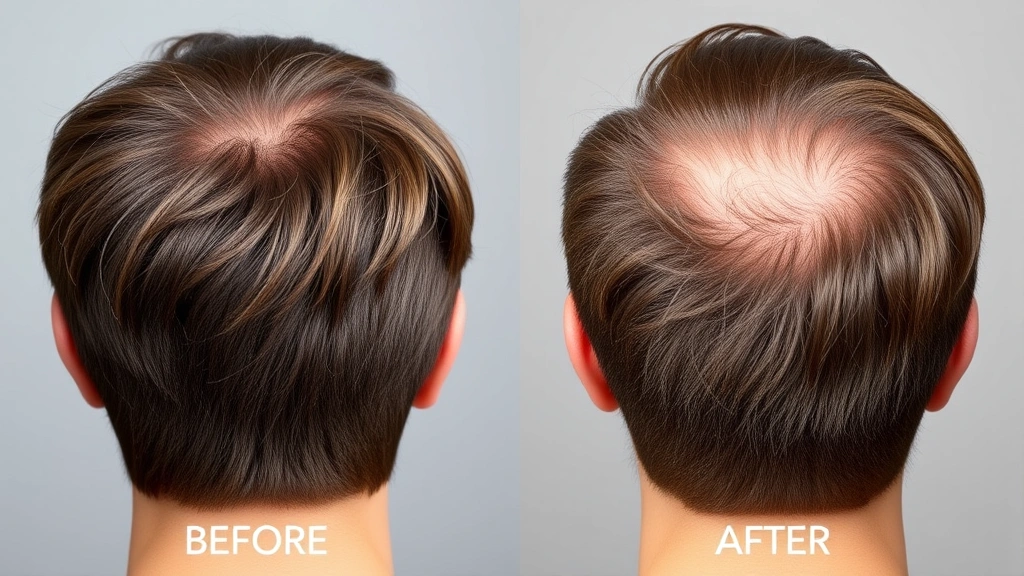
How These Oils Work at Cellular Level
Understanding mechanisms helps you select oils matching your specific hair concerns. Hair growth oils operate through several physiological pathways:
- Vasodilation and Microcirculation: Compounds like rosmarinic acid and ricinoleic acid relax blood vessel smooth muscle, increasing nutrient and oxygen delivery to follicles. Follicles require substantial energy (ATP) to produce new hair; improved circulation directly supports this process.
- Anti-inflammatory Action: Scalp inflammation—often invisible—accelerates follicle miniaturization and premature telogen phase entry. Oils containing polyphenols and terpenes suppress inflammatory cytokines, creating conditions supporting prolonged anagen phase.
- DHT Inhibition: While oils don’t match pharmaceutical DHT blockers, certain compounds show modest inhibition of 5-alpha reductase, the enzyme converting testosterone to DHT. This mechanism operates particularly in rosemary and sesame oils.
- Antioxidant Protection: Free radicals damage follicle stem cells and accelerate aging. Vitamin E, polyphenols, and other antioxidants in premium oils neutralize oxidative stress, protecting follicle longevity.
- Sebum Regulation: Healthy scalp sebum protects and nourishes hair; excess sebum creates inflammatory conditions. Certain oils help normalize sebum production through their fatty acid composition.
- Protein Preservation: Hair consists primarily of keratin protein. Oils reducing protein loss from the hair shaft improve strength and reduce breakage, making hair appear fuller and healthier.
These mechanisms work synergistically. A single oil addresses multiple pathways, while combining complementary oils creates compound effects. This principle mirrors how effective goal-setting combines multiple strategies for greater success.
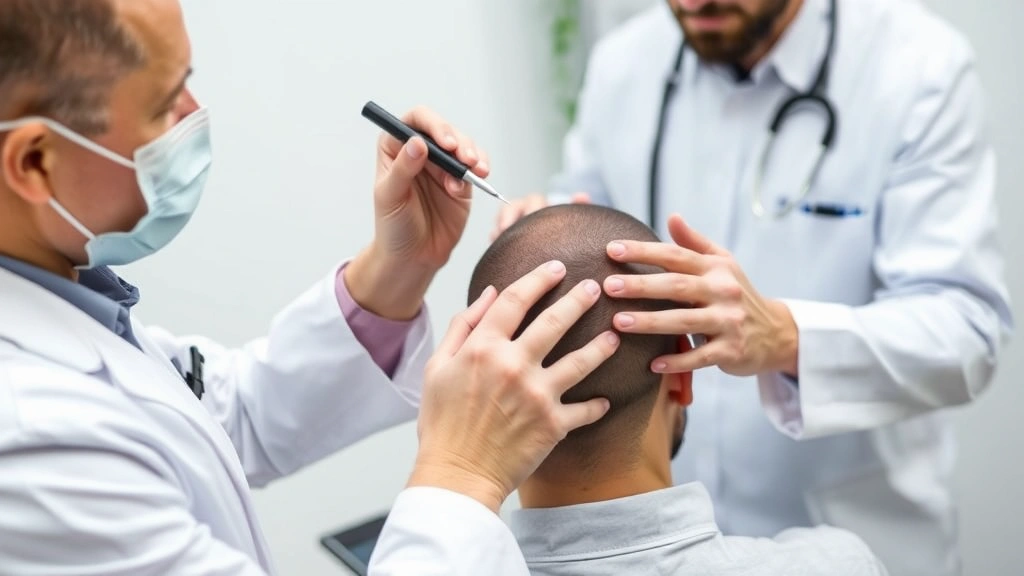
Application Methods for Maximum Results
Even the best oil delivers suboptimal results with poor application technique. Dermatologists emphasize method-specific recommendations:
Oil Massage Technique
Warm oil to 37-40°C (body temperature) to maximize absorption. Divide scalp into four quadrants using the parting method. Apply oil directly to scalp, not primarily to hair strands—follicles require nourishment, not hair shafts. Using fingertips (not nails), massage in circular motions for 5-10 minutes, gradually increasing pressure. This massage stimulates blood flow independently while distributing oil evenly.
Frequency matters: dermatologists recommend 2-3 applications weekly for growth stimulation. Daily application risks buildup and bacterial overgrowth in susceptible individuals.
Duration and Timing
Leave oil on scalp minimum 30 minutes; overnight application intensifies results. Sleeping on oil-saturated scalp extends contact time, improving absorption. Some dermatologists recommend 4-6 hour applications for individuals with time constraints, balancing efficacy with lifestyle feasibility.
Removal Protocol
Proper removal prevents residue accumulation. Apply sulfate-free shampoo directly to oiled scalp without water initially—the shampoo’s surfactants bind oil molecules. Massage gently for 60 seconds, then rinse thoroughly with lukewarm water. Repeat if necessary. Hot water opens cuticles excessively; lukewarm water preserves hair integrity while removing oil effectively.
Combination Applications
Layering oils strategically maximizes benefits. Apply lighter oils (argan, sesame) first, allowing absorption. Follow with heavier oils (castor) on outer layers. This sequence prevents the occlusive outer layer from blocking lighter oil penetration.
Combining Oils for Synergistic Benefits
Dermatologists increasingly recommend customized oil blends addressing multiple growth mechanisms simultaneously. Here are evidence-supported combinations:
- Growth Acceleration Blend: Equal parts castor oil and rosemary oil (2-3 drops diluted per tablespoon carrier). This combination maximizes vasodilation and anti-inflammatory effects.
- Strength and Growth Blend: Castor oil base (2 parts) with argan oil (1 part) and sesame oil (1 part). This addresses growth stimulation while strengthening existing hair.
- Sensitive Scalp Blend: Argan oil (2 parts) with sesame oil (1 part) and 1-2 drops lavender essential oil. This combination provides growth support without irritation risk.
- Oily Scalp Blend: Sesame oil (2 parts) with jojoba oil (1 part). This regulates sebum while stimulating growth—ideal for individuals with naturally oily scalps.
Create blends in dark glass bottles stored away from sunlight. Essential oils degrade under light exposure, reducing efficacy. Prepare 2-4 week supplies to maintain potency.
Timeline: When to Expect Results
Patience proves essential with hair growth interventions. Understanding realistic timelines prevents discouragement and premature abandonment of effective treatments.
Weeks 1-4: Scalp health improvements precede visible hair changes. You may notice reduced itching, flaking, or inflammation. Hair may feel softer due to reduced breakage. These subtle changes indicate the oil is working at cellular levels.
Weeks 4-8: Existing hair strengthens noticeably. Reduced breakage makes hair appear fuller. Some individuals observe reduced hair shedding during washing. These changes reflect oil’s protective effects on current hair.
Weeks 8-12: New growth becomes visible. Hair that entered the anagen phase earlier now extends beyond follicle opening. You may notice increased hair density in previously thin areas. This timeline aligns with clinical research showing 12-week minimum for measurable growth changes.
Months 4-6: Cumulative growth becomes undeniable. Hair length increases noticeably; density improves substantially. Individuals often report improved hair texture and shine. This period represents the point where most people consider treatments successful.
Months 6+: Continued improvement with consistent application. Maximum benefits typically appear after 6 months of regular use. Some individuals continue experiencing gradual improvements through month 12 as follicles complete full growth cycles.
Important context: individual variation proves significant. Genetics, age, hormonal status, diet, and stress levels all influence timeline. Some individuals see results by week 6; others require 16 weeks. Consistency matters more than timeline—abandoning treatment at week 8 ensures failure.
Common Mistakes That Sabotage Growth
Even premium oils fail when application errors undermine efficacy. Dermatologists identify consistent mistakes:
- Insufficient Contact Time: Applying oil for 10-15 minutes limits absorption. Minimum 30 minutes allows meaningful penetration. Many individuals apply oil then immediately wash—this provides minimal benefit.
- Excessive Application Frequency: More isn’t better. Daily application causes buildup, bacterial overgrowth, and inflammatory scalp conditions. Stick to 2-3 weekly applications unless dermatologist-directed otherwise.
- Applying to Hair Instead of Scalp: Hair doesn’t grow; follicles do. Coating hair strands with oil while neglecting scalp wastes product and creates greasy appearance without addressing growth mechanisms.
- Using Low-Quality Oils: Refined, heavily processed oils lack active compounds. They provide moisturizing benefits but miss growth-stimulating compounds. Invest in cold-pressed, organic oils.
- Inconsistent Application: Sporadic use prevents cumulative effects. Hair growth requires sustained intervention. Missing weeks resets progress. Consistency beats intensity—regular application of adequate oil outperforms sporadic intensive treatments.
- Ignoring Complementary Factors: Oil alone doesn’t create growth. Inadequate protein intake, chronic stress, poor sleep, or vitamin deficiencies undermine oil efficacy. Addressing foundational health supports growth mindset in all areas, including hair.
- Unrealistic Expectations: Oils enhance and accelerate growth but don’t create miracles. Severe genetic hair loss requires pharmaceutical or surgical intervention. Oils work best for maintenance, prevention, and optimization of existing growth capacity.
FAQ
How long before I see results from hair growth oils?
Most people observe subtle improvements (reduced breakage, softer hair) within 2-4 weeks. Visible growth typically appears by week 8-12 with consistent 2-3 weekly applications. Full benefits require 4-6 months of regular use.
Can I use hair growth oil daily?
Daily application risks buildup and scalp inflammation in most people. Dermatologists recommend 2-3 weekly applications for optimal results without side effects. Some individuals with very dry scalps tolerate daily use; consult a dermatologist about your specific situation.
Which oil works best for female pattern hair loss?
Castor oil combined with rosemary oil shows particularly strong results for female pattern hair loss, addressing both growth stimulation and DHT sensitivity. Argan oil works well as a standalone option for women preferring lighter formulations.
Can oils replace minoxidil or finasteride?
Oils complement pharmaceutical treatments but don’t replace them for significant hair loss. For mild thinning or maintenance, oils may suffice. For moderate-to-severe loss, combine oils with dermatologist-prescribed treatments for optimal results.
Is castor oil safe for all hair types?
Castor oil suits most hair types but can cause buildup on fine or thin hair. If you have fine hair, dilute castor oil more heavily or alternate with lighter oils like argan or sesame. Always perform patch tests before full-scalp application.
Why does my scalp itch after applying oil?
Itching may indicate sensitivity to the oil, excessive buildup, or bacterial overgrowth from improper removal. Reduce application frequency, ensure thorough removal with sulfate-free shampoo, or switch to lighter oils. Persistent itching warrants dermatologist evaluation.
Should I heat the oil before application?
Warming oil to body temperature improves absorption and comfort but isn’t essential. Never overheat—excessive temperatures destroy beneficial compounds. Warm oil gently under warm water or use a warming device maintaining temperatures below 40°C.
Can I combine essential oils with carrier oils myself?
Yes, but follow proper dilution ratios. Never apply essential oils directly to scalp; always dilute in carrier oils at 2-3 drops per tablespoon carrier oil. Essential oils are concentrated; excessive amounts cause irritation and scalp damage.
How do I know if an oil is high quality?
Look for cold-pressed, organic certifications, and dark glass bottles protecting from light degradation. Reputable brands provide third-party testing results. Avoid refined oils labeled “fragrance added” or “perfumed”—these contain fewer active compounds. Premium oils cost more but deliver superior results.
Can I use hair growth oils if I have a sensitive scalp?
Absolutely. Start with lighter oils like argan or diluted sesame oil at reduced frequency (1-2 times weekly). Avoid essential oils initially; add them gradually as your scalp adapts. Perform patch tests on small scalp areas before full application.


