Unlock Growth Potential: Proven Stages of Plant Life
Just as plants follow a natural progression from seed to full maturity, your personal development journey unfolds through distinct, predictable stages. Understanding the stages of plant growth offers profound insights into how transformation happens—not overnight, but through consistent, purposeful progression. When you recognize these biological patterns, you unlock a blueprint for your own personal growth that mirrors nature’s wisdom.
The lifecycle of plants reveals something remarkable: every stage serves a critical purpose. Seeds must germinate before they sprout. Seedlings must develop roots before they can reach toward sunlight. This sequential nature teaches us that rushing growth creates weakness, while honoring each phase builds resilience. By exploring how plants advance through their developmental stages, you’ll discover actionable strategies to accelerate your own transformation while building sustainable foundations.
Stage 1: Germination—The Hidden Foundation
Germination represents the most critical yet invisible stage of plant development. A seed lies dormant until conditions align: adequate moisture, proper temperature, and oxygen availability activate the genetic potential locked within. This stage teaches an essential lesson about growth mindset—transformation begins in silence, often unnoticed by others.
During germination, the seed’s embryonic root emerges first, breaking through the seed coat. This root grows downward, establishing anchors before any visible growth appears above soil. The root system develops critical absorption capabilities, absorbing water and minerals essential for future growth. This underground architecture determines how tall the plant will eventually grow and how resilient it becomes during drought or storms.
In your personal development journey, germination mirrors the preparation phase. You gather knowledge, set intentions, and create the psychological conditions for breakthrough. Like seeds requiring specific conditions, you need the right environment: supportive relationships, access to learning resources, and permission to start small. Many people skip this phase, attempting to force visible results immediately. The plants that skip proper germination fail to thrive; so do people who bypass foundational preparation.
The germination stage typically lasts 7-14 days for most seeds, though some require weeks or months. This reminds us that personal transformation operates on its own timeline. Patience during preparation prevents panic during execution. Research from the American Psychological Association on self-improvement confirms that individuals who invest time in planning and mental preparation achieve 40% better results than those who rush into action.
Stage 2: Seedling Development—Breaking Through Barriers
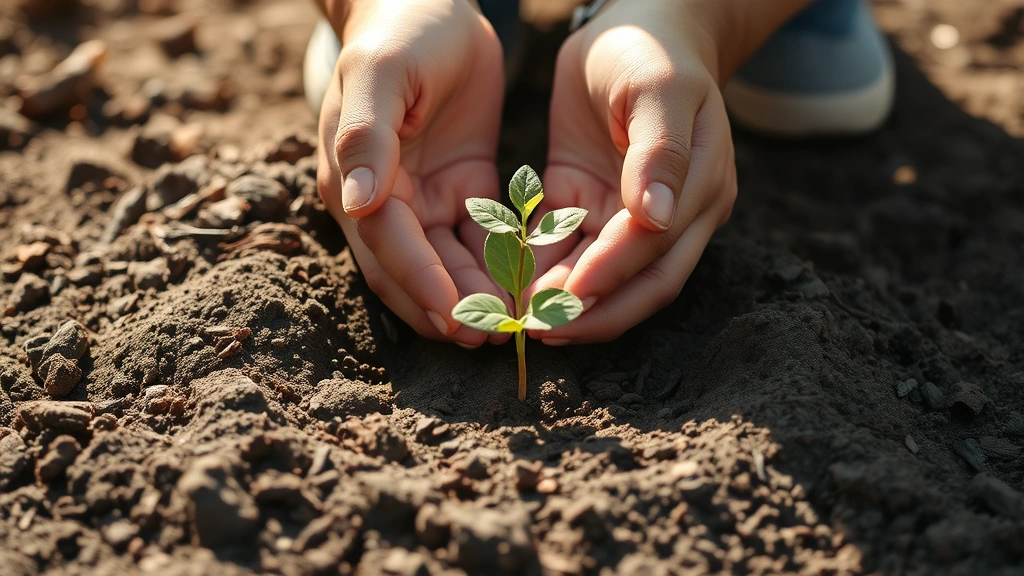
Once germination completes, seedlings emerge—the first visible sign of growth. Seedlings push through soil resistance, requiring tremendous energy concentrated in a tiny structure. The cotyledons (seed leaves) unfold, beginning photosynthesis. This stage demands protection; seedlings are vulnerable to pests, harsh weather, and insufficient light.
Seedling development parallels the early action phase of personal growth. You’ve completed preparation and now face the uncomfortable reality of beginning. Initial efforts feel disproportionately difficult because you’re building momentum from zero. A seedling expending energy breaking through soil experiences resistance greater than its current strength—yet it persists anyway. This persistence, not perfection, determines survival.
During this stage, seedlings develop their first true leaves, distinct from cotyledons. True leaves emerge more efficiently at photosynthesis than seed leaves, representing growth in capability and effectiveness. Similarly, your early attempts at change feel awkward and inefficient. Your first public speaking presentation, initial workout routine, or early networking attempts lack the grace of experienced practitioners. This is normal and necessary.
Seedlings require consistent care: appropriate watering (neither flood nor drought), adequate light, and protection from extreme conditions. Your seedling phase also needs consistent support systems and environmental management. This is when best productivity tools for professionals become invaluable—they protect your fragile new habits from being overwhelmed by existing demands.
The seedling stage typically lasts 3-6 weeks. During this period, failure rates peak because seedlings are most vulnerable. Many people abandon their growth efforts during this exact stage, mistaking normal difficulty for evidence of unsuitability. Plants that survive seedling stage have exponentially higher success rates; so do people who persist through initial discomfort.
Stage 3: Vegetative Growth—Building Momentum
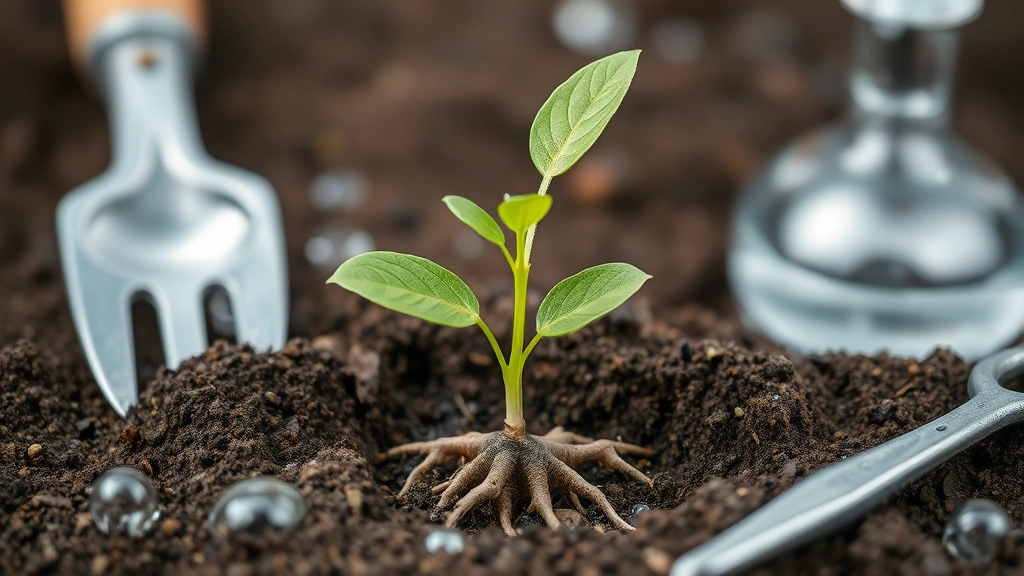
Vegetative growth represents the phase where plants establish their primary structure: stems, branches, and leaf mass. The plant has survived infancy and now focuses on becoming larger and more robust. Energy concentrates on expanding the plant’s physical capacity rather than reproduction. This stage can last weeks to months depending on species and environmental conditions.
During vegetative growth, photosynthesis accelerates exponentially. The plant’s increasing leaf surface area captures more sunlight, producing more energy for further expansion. Growth compounds—each new leaf enables more growth, which produces more leaves. This exponential pattern mirrors how momentum builds in personal development. Initial efforts feel slow; then suddenly, progress accelerates.
The vegetative stage represents your momentum-building phase. You’ve survived the vulnerable seedling period and now possess established habits, developing skills, and growing confidence. Your initial awkwardness diminishes. What once required conscious effort becomes increasingly automatic. Research on habit formation from Nature’s behavioral science research demonstrates that after 66 days of consistent practice, habits require 40% less mental effort.
During vegetative growth, plants develop their characteristic shape and structure. A tomato plant develops its branching pattern; a sunflower develops its distinctive form. Similarly, during your momentum phase, your personal brand and distinctive approach emerge. You stop copying others and start authentically expressing your developed capabilities. Your unique perspective becomes visible.
This stage demands consistent nutrition and appropriate environmental conditions. Plants receiving inadequate nutrients during vegetative growth never reach full potential, regardless of later conditions. Similarly, continued investment in learning, skill development, and personal challenge during your momentum phase determines your ceiling. This is when how to increase motivation becomes crucial—maintaining effort during the less-exciting middle phase separates those who reach full potential from those who plateau.
Vegetative growth typically represents 40-60% of a plant’s total lifecycle. This suggests your momentum phase constitutes your longest and most productive period. Embrace this phase rather than rushing through it toward visible results. The strongest plants are those that invest fully in their vegetative development.
Stage 4: Flowering—Reaching Your Peak Potential
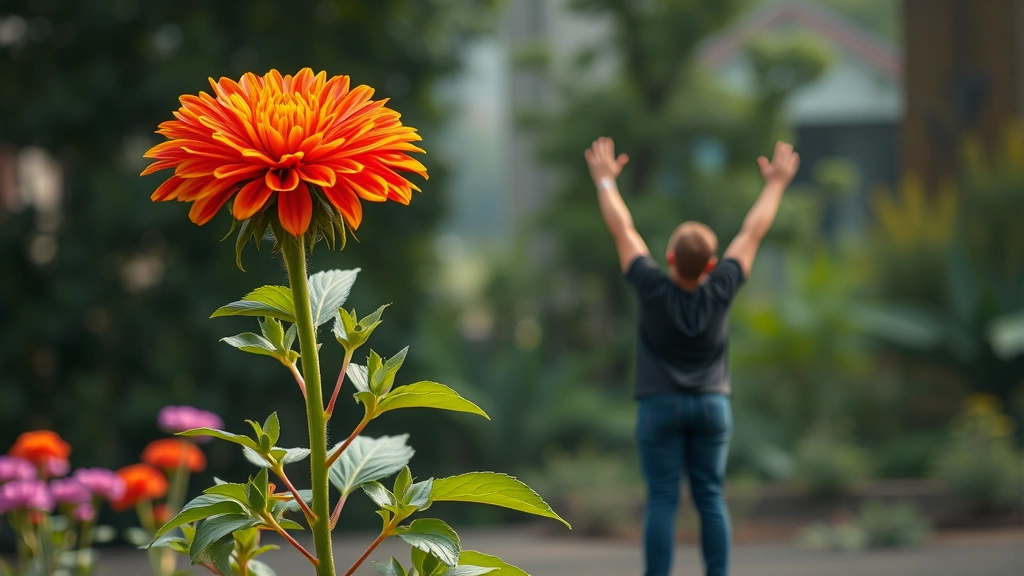
Flowering marks the transition from growth to reproduction. The plant redirects energy from expansion toward creating flowers—structures designed to attract pollinators and produce seeds. Flowering represents peak vitality; the plant displays maximum health through vibrant colors and compelling aesthetics. This stage is relatively brief but intensely visible and impactful.
The flowering stage requires specific triggers. Many plants need to reach a certain size, experience particular day-length patterns, or encounter temperature changes before flowering initiates. These requirements ensure flowering occurs only when the plant possesses sufficient resources for reproduction. Attempting to force flowering before readiness wastes energy and produces failure.
In personal development, flowering represents your peak performance phase. You’ve built skills, established habits, and developed confidence. Now you’re ready to share your capabilities with the world. This might manifest as leadership positions, public recognition, launching ventures, or significantly expanding your impact. You’re operating at your highest capacity, and results become undeniably visible.
Flowering demands continued optimal conditions. A flower plant experiencing drought, pest damage, or nutrient deficiency produces inferior blooms or fails to flower entirely. Similarly, your peak performance phase requires maintained investment in your development. The most successful people continue learning and developing even while at peak performance. They understand that flowering is a phase, not a destination.
The flowering stage typically lasts 2-8 weeks depending on species. This reminds us that peak performance phases are temporary. Some people become so attached to their flowering phase that they resist the natural progression toward the next stage. Understanding that flowering serves a purpose—producing seeds for future growth—helps you embrace what comes next rather than desperately trying to extend this phase indefinitely.
Stage 5: Fruiting and Maturation—Harvesting Results
After flowering, plants enter fruiting and maturation—the stage where seeds develop and mature. The fruit’s primary function is protecting and dispersing seeds. During this phase, the plant’s energy concentrates on completing its reproductive mission. The plant itself may decline in vigor as resources flow toward seed development and maturation.
Fruiting represents completion and legacy. The plant has successfully produced the next generation. Its personal growth cycle approaches conclusion, but its impact extends forward through seeds dispersed to new locations. The plant’s maturation phase involves gradually declining vegetative growth as the plant ages, eventually senescence and death.
In your personal development journey, fruiting represents legacy and impact. You’ve performed at peak levels and now focus on creating lasting value. This might involve mentoring others, documenting your knowledge, building systems that continue functioning without your direct involvement, or creating work that outlives your active participation. The fruit you produce—whether literal products, mentored leaders, or established organizations—carries your influence into the future.
Maturation brings perspective. A mature plant has experienced multiple seasons, survived challenges, and proven its viability. Similarly, mature professionals have weathered setbacks, learned from failures, and developed genuine wisdom. The Psychology Today research on emotional intelligence development shows that wisdom and perspective increase with age and experience—gifts of maturation.
The fruiting and maturation stage represents your legacy phase. Rather than viewing this as decline, recognize it as evolution. Your direct output may decrease, but your multiplied impact through others increases. The most fulfilled people at this phase are those who’ve successfully transitioned from personal achievement to enabling others’ success. This represents the ultimate growth—transcending individual accomplishment toward systemic impact.
Applying Plant Growth Principles to Your Life
Understanding stages of plant growth provides a framework for accelerating your personal growth”. These principles translate directly into actionable strategies:
- Honor Your Current Stage: Identify which growth stage you’re in currently. Germination requires different strategies than vegetative growth. Attempting flowering-stage tactics during germination creates frustration and failure. Accept where you are and apply stage-appropriate approaches.
- Invest in Foundations: Don’t skip germination. Invest time in planning, mental preparation, and environmental setup. The strongest growth emerges from the deepest roots. Rushing this phase creates brittle achievement that collapses under pressure.
- Persist Through Seedling Vulnerability: Expect the seedling phase to feel difficult and uncomfortable. This is normal. Maintain consistent effort despite discomfort. Most people quit during this exact phase; those who persist gain exponential advantage.
- Embrace Momentum: During vegetative growth, your effort compounds. Maintain consistent investment even though results feel incremental. This phase determines your ultimate ceiling. Push further than feels necessary; build more capacity than current demands require.
- Prepare for Peak Performance: Don’t assume flowering occurs automatically. Create conditions that trigger your peak: adequate skill development, mental clarity, supportive environment, and appropriate challenges. Then leverage this phase for maximum impact.
- Plan Your Legacy: As you mature, begin transitioning from personal achievement toward enabling others’ success. The most fulfilled people are those creating impact that outlives their direct involvement.
The Growth Life Hub Blog contains additional resources for navigating each stage of your development journey. Each article addresses specific challenges and opportunities at different phases of growth.
Consider also implementing stage-specific goals. During germination, focus on planning and preparation. During seedling phase, emphasize consistency and habit formation. During vegetative growth, pursue skill development and expanding capacity. During flowering, maximize your impact and visibility. During maturation, concentrate on legacy and enabling others.
Environmental management becomes increasingly critical as you progress through stages. Just as gardeners create conditions supporting plant growth, you must architect your environment to support your development. This includes relationships, information sources, physical spaces, and systems. Best productivity tools for professionals become environmental supports that enable consistent progress regardless of your current stage.
Understanding that growth follows natural stages reduces the pressure to achieve everything immediately. You can relax into your current phase, investing fully in what’s needed now, trusting that subsequent phases will arrive when you’re ready. This perspective reduces anxiety and increases effectiveness. You stop fighting against natural progression and start flowing with it.
FAQ
How long does each plant growth stage typically last?
Timeline varies significantly by species and environmental conditions. Germination typically requires 1-2 weeks, seedling development 3-6 weeks, vegetative growth 4-12 weeks, flowering 2-8 weeks, and fruiting/maturation 4-16 weeks. Some plants complete their entire lifecycle in 12 weeks; others require multiple years. The principle applies regardless of duration: respect each stage rather than rushing through them.
Can I skip plant growth stages or accelerate them significantly?
Attempting to skip stages creates weak plants. A seedling forced to flower before developing adequate root systems produces inferior fruit. Similarly, people who skip foundational development and rush toward visible achievement create brittle accomplishment. You can optimize conditions to progress efficiently through stages, but you cannot eliminate stages without consequences. Respect the process.
How do plant growth principles apply to different personal development areas?
These principles apply universally—whether developing career skills, building businesses, improving relationships, or pursuing fitness goals. Every domain progresses through similar stages. Career development follows germination (planning), seedling (early roles), vegetative (skill building), flowering (peak performance), and maturation (mentoring). Recognizing this pattern helps you navigate any growth domain effectively.
What happens if environmental conditions aren’t optimal during a particular growth stage?
Suboptimal conditions slow progress and reduce ultimate potential. A plant experiencing drought during vegetative growth never reaches full size, even if conditions improve later. Similarly, inadequate support during your momentum phase limits your ceiling. Optimize your environment as much as possible. When conditions are genuinely poor, focus on survival and stability rather than aggressive growth.
How do I know when I’m ready to transition to the next growth stage?
Plants transition stages through biological signals: adequate size, nutrient status, and environmental triggers. You transition stages through similar indicators: completed foundational development, established momentum, demonstrated capability, and internal readiness. Trust these signals rather than external timelines. Forcing transition before readiness creates problems; waiting too long after readiness wastes potential.
Can I experience multiple growth stages simultaneously in different life areas?
Absolutely. You might be in vegetative growth with your career while in flowering stage with a side project and germination phase with a new relationship. This is normal and healthy. The principle is recognizing which stage you’re in for each domain and applying stage-appropriate strategies. Avoid expecting identical timelines across different growth areas.
What’s the relationship between plant growth stages and growth mindset quotes?
Growth mindset—believing your abilities develop through effort—aligns perfectly with understanding natural growth stages. Rather than expecting instant mastery, growth mindset accepts that excellence emerges through progressive stages. Inspiring growth mindset quotes remind you that current struggle is evidence of progression, not failure. Stage understanding provides the framework; growth mindset provides the emotional resilience to persist through each stage.


