Boost Hair Growth: Expert Protective Styles Guide
Your hair journey deserves intentional care, and protective styling is one of the most powerful tools available to nurture healthy growth. Just as your mind requires personal growth strategies to flourish, your hair needs protective measures to reach its full potential. When you adopt protective hairstyles, you’re not just styling your hair—you’re investing in a sustainable system that minimizes damage, reduces breakage, and creates optimal conditions for natural growth.
The science is clear: protective styles work by reducing manipulation, lowering friction between hair strands and external elements, and maintaining moisture retention. Whether you’re dealing with natural hair, textured hair, or any hair type seeking growth, understanding the mechanics and best practices of protective styling can transform your results. This comprehensive guide explores expert-recommended protective hairstyles, application techniques, and maintenance strategies that actually work.
What Are Protective Hairstyles and Why They Matter
Protective hairstyles are specific styling methods designed to tuck away your hair ends and minimize daily manipulation. The fundamental principle is straightforward: when your hair isn’t constantly exposed to friction, environmental stressors, or repeated styling manipulation, it experiences significantly less breakage. Your ends—the oldest, most fragile part of your hair—stay protected from split ends and damage.
The psychology of sustainable growth applies to hair care just as it does to growth mindset development. You need consistency, patience, and a system that works with your lifestyle. Protective styling removes the daily decision fatigue of “how should I style my hair today?” while simultaneously protecting your investment in hair health.
Research from the International Journal of Trichology demonstrates that protective styling can increase hair retention rates by up to 40% compared to regular styling practices. This means more length retention, thicker-looking hair, and faster visible growth. The key is choosing styles that are protective yet sustainable for your lifestyle and hair type.
Core benefits include:
- Reduced manipulation and handling of delicate hair strands
- Enhanced moisture retention through enclosed styling
- Decreased split ends and breakage rates
- Minimal daily styling time and effort
- Protection from environmental factors like UV rays and pollution
- Improved overall hair health and shine
- Faster achievement of length goals
Top Protective Styles for Hair Growth
Not all protective styles are created equal. The best style for you depends on your hair type, texture, lifestyle, and maintenance preferences. Here are the most effective protective hairstyles recommended by hair care professionals:
Braids and Twists
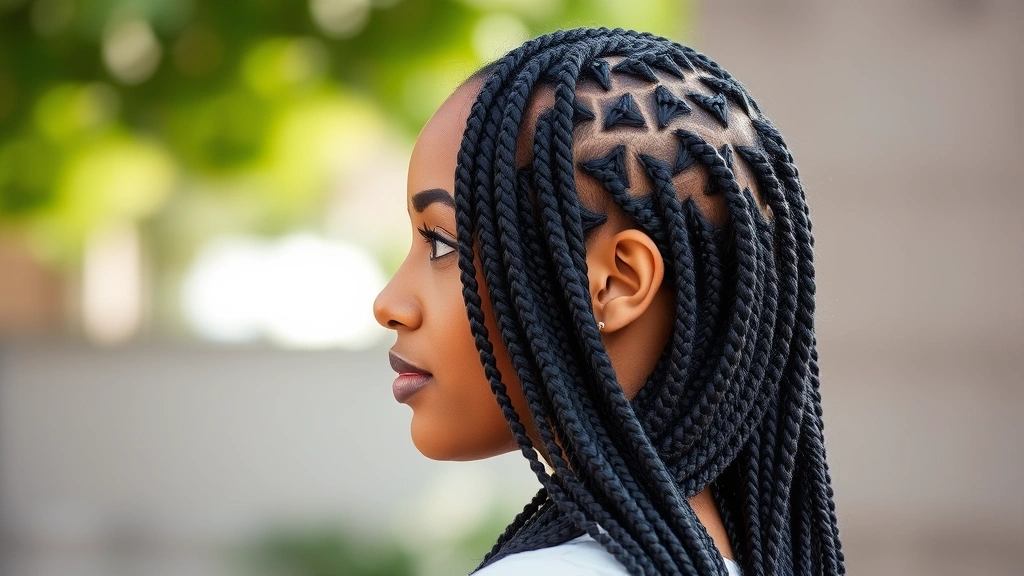
Box braids, cornrows, Senegalese twists, and Kanekalon twists represent the gold standard of protective styling. These styles keep hair strands grouped and contained, significantly reducing friction. Box braids are particularly popular because they’re versatile, last 6-8 weeks, and allow your natural hair to rest completely. The key is ensuring they’re not installed too tightly, as tension alopecia is a real concern. Professional installation is worth the investment to ensure proper tension and technique.
Locs and Sisterlocks
For those committed to long-term protective styling, locs offer continuous protection with minimal manipulation once established. Sisterlocks, a smaller variation, provide more styling versatility while maintaining protective benefits. This is a significant commitment but offers unparalleled growth potential for those willing to embrace the journey.
Buns and Low Manipulation Styles
Protective buns—particularly high-moisture buns created with moisturized hair—offer daily protective styling without extensions. Pineapple buns, Bantu knots, and twisted buns keep ends tucked away while being gentler on the scalp than tightly braided styles. These work wonderfully for those seeking growth opportunities without the commitment of installed styles.
Wigs and Weaves
Full-coverage wigs and sew-in weaves provide complete protection while offering styling freedom. Quality human hair wigs allow your natural hair complete rest, while sew-ins offer semi-permanent protection lasting 6-8 weeks. The critical factor is choosing breathable installation methods and maintaining your natural hair underneath.
Crochet Braids
Crochet braids combine the benefits of braids with easier installation. They’re lighter than traditional braids, last 4-6 weeks, and involve less tension. This style is excellent for those with sensitive scalps or those new to protective styling.
Installation Best Practices for Maximum Growth
How you install protective styles matters as much as which style you choose. Improper installation can cause irreversible damage, defeating the entire purpose. Expert installation requires attention to tension, technique, and hair preparation.
Pre-Installation Hair Preparation
Before any protective style installation, your hair should be clean, moisturized, and strong. Wash your hair with a sulfate-free shampoo, deep condition for at least 20 minutes, and allow it to air-dry or blow-dry on low heat. Some stylists recommend doing a protein treatment before braiding to strengthen hair and improve elasticity. Moisturized hair is more elastic and less prone to breakage during installation.
Tension Management
The most common mistake is installing styles too tightly. Your scalp should not feel painful during or after installation. If you experience soreness, throbbing, or tension headaches, the style is too tight. Proper tension means the style feels secure but not strained. Communicate clearly with your stylist about your comfort level. Reading about self-growth principles teaches us that communication and setting boundaries are essential—the same applies to hair care relationships with your stylist.
Scalp Protection
Apply a protective barrier to your scalp before installation. This can be a lightweight oil, edge control, or scalp protectant. This reduces irritation and allows your scalp to remain healthy throughout the wearing period. Pay special attention to your hairline and temple areas, which are most susceptible to tension-related damage.
Hair Sectioning
Proper sectioning ensures even distribution of tension and creates a stronger foundation. Sections should be appropriately sized—not too small (which creates excessive tension) and not too large (which creates weak spots). Square or rectangular sections typically distribute weight and tension most evenly.
Maintenance and Care Routine During Wear
Installation is just the beginning. How you care for your hair while wearing protective styles determines whether you’ll see the promised growth benefits. A dedicated maintenance routine is non-negotiable.
Scalp Care Protocol
Your scalp still needs regular cleansing and care. Use a lightweight, sulfate-free shampoo diluted with water, or opt for a dry shampoo specifically formulated for braids. Cleanse your scalp every 7-10 days by parting the braids gently and applying shampoo directly to the scalp. This prevents buildup, reduces itching, and maintains a healthy environment for growth. Some people use a spray bottle with water and apple cider vinegar to refresh their scalp between washes.
Moisture Management
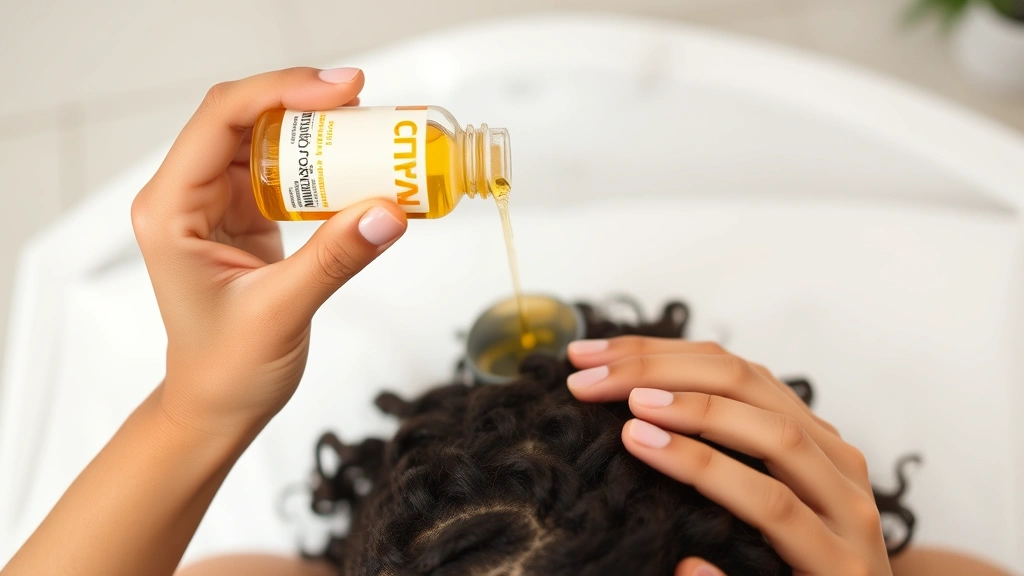
Moisturize your hair and scalp every 2-3 days. Use lightweight oils like jojoba, argan, or almond oil applied from mid-shaft to ends. For your natural hair, focus moisture on the strands themselves rather than heavy creams that accumulate on the scalp. A leave-in conditioner spray can also help maintain moisture levels throughout the wearing period.
Night Protection
Even while wearing protective styles, protect your hair at night. Use a silk or satin pillowcase or sleep bonnet to reduce friction. This simple step significantly reduces breakage and maintains the integrity of both your installed style and your natural hair underneath.
Duration Guidelines
Don’t keep protective styles in too long. Most experts recommend 6-8 weeks maximum for braids and twists, 4-6 weeks for crochet braids, and 2-4 weeks for sew-ins. Exceeding these timeframes increases the risk of matting, product buildup, and damage to your natural hair. Consistency matters more than duration—wearing styles for 6 weeks, four times per year is better than keeping one style for four months.
Common Mistakes to Avoid
Even with good intentions, many people undermine their protective styling results through preventable mistakes. Learning from others’ experiences accelerates your personal growth in hair care mastery.
Over-Tightening
This is the cardinal sin of protective styling. Tight styles create tension alopecia, permanent hair loss, and scalp damage. Your comfort is the best indicator. If your style hurts, it’s too tight, regardless of how good it looks.
Poor Hair Preparation
Installing styles on dry, unmoisturized hair sets you up for breakage. Your hair should be properly conditioned and hydrated before any installation. This isn’t a step to skip.
Neglecting Scalp Health
Your scalp is living skin that needs care. Ignoring it leads to buildup, itching, inflammation, and reduced growth. Treat scalp care as seriously as hair care.
Using Low-Quality Extensions
Cheap synthetic hair or low-quality human hair can damage your natural hair. Invest in quality extensions that won’t cause excessive friction or tangling. Your natural hair is worth it.
Excessive Styling of Protective Styles
The point is to minimize manipulation. Don’t constantly retwist, restyle, or play with your protective style. Wear it as is and let your hair rest.
Skipping Transition Periods
Taking a break between protective styles allows your scalp and hair to recover. Wear protective styles for 6-8 weeks, then take 1-2 weeks off before reinstalling. This prevents scalp fatigue and maintains long-term hair health.
Timeline and Results: What to Expect
Understanding realistic timelines helps you stay committed to protective styling. Hair growth is gradual, and results compound over time—similar to how growth strategies discussed on our blog require consistent application to show results.
Weeks 1-4: Foundation Phase
During the first month, you’re establishing your protective styling routine and allowing your hair to settle into the style. You may not see dramatic length gains yet, but you should notice reduced breakage and healthier-looking hair. Itching and scalp sensitivity often decrease as your scalp adjusts.
Weeks 5-12: Growth Phase
By the second protective style cycle, growth becomes more visible. You should notice increased length retention, thicker-looking hair, and improved texture. This is when motivation typically increases because you’re seeing tangible results. Many people report 0.5 to 1 inch of growth per protective style cycle when combined with proper nutrition and care.
Months 4-6: Acceleration Phase
After three consecutive cycles of protective styling with proper maintenance, results accelerate. Your cumulative breakage reduction means more hair is retained. Combined with normal growth, you can achieve 2-3 inches of net growth in six months—significantly more than traditional styling.
Beyond Six Months: Transformation Phase
Those who maintain protective styling consistently for 6+ months experience dramatic transformation. Hair that was damaged and thin becomes strong and full. Length goals that seemed impossible become achievable. The key is consistency and patience.
Factors Affecting Your Timeline:
- Baseline hair health and previous damage level
- Nutritional status and hydration
- Stress levels and sleep quality
- Consistency of protective styling application
- Quality of maintenance routine
- Hair type and natural growth rate
- Age and hormonal factors
Frequently Asked Questions
How often should I wear protective styles?
Ideally, wear protective styles 75-80% of the time for optimal growth. This means 6-8 weeks in a style, 1-2 weeks out for scalp recovery, then repeat. This consistency provides maximum protection while allowing your scalp to remain healthy.
Can I wear protective styles on relaxed or colored hair?
Yes, absolutely. Protective styles benefit all hair types, including relaxed and color-treated hair. However, relaxed and colored hair may be more fragile, so extra care during installation and maintenance is important. Ensure proper moisture and avoid excessive tension.
What’s the best protective style for beginners?
Low-manipulation buns and crochet braids are excellent starting points. They’re easier to install, require less commitment, and allow you to learn maintenance routines before moving to more complex styles. This builds your protective styling foundation.
Will protective styles cause hair loss?
Protective styles only cause hair loss if installed too tightly or maintained improperly. When done correctly with appropriate tension and care, they prevent loss by reducing breakage. The risk is entirely manageable through proper technique.
How much does professional installation cost?
Box braids typically cost $150-400 depending on length, thickness, and location. Sew-ins range from $200-600. Crochet braids cost $100-250. These are investments in your hair health. Many people find the time savings and professional results justify the cost.
Can I wash my hair in protective styles?
Yes, gentle washing is recommended every 7-10 days. Use diluted sulfate-free shampoo, focus on your scalp, and avoid excessive manipulation. Pat dry rather than rubbing. Proper cleansing maintains scalp health and prevents buildup.
What if my scalp itches in protective styles?
Mild itching is normal as your scalp adjusts. Use a scalp spray or lightweight oil to soothe. However, intense itching may indicate the style is too tight or you have a scalp condition. Address it immediately by adjusting the style or consulting a dermatologist.
How long does it take to see growth results?
Most people notice improved hair health within 4 weeks. Visible length growth becomes apparent by 8-12 weeks. Significant transformation typically occurs after 4-6 months of consistent protective styling. Patience is essential—hair growth compounds gradually.


