
Tame New Hair Growth: Expert Stylist Tips for Managing Stubborn Regrowth
New hair growth sticking up can be frustrating, especially when you’ve invested time and money into your hairstyle. Whether you’re dealing with post-haircut regrowth or natural texture changes, understanding how to manage those rebellious strands is essential for maintaining a polished appearance. This comprehensive guide draws on professional stylist expertise and hair science to help you address this common challenge with practical, proven solutions.
Just as personal development requires patience and the right strategies, managing new hair growth demands consistency and knowledge. The good news is that with the right techniques and products, you can transform those stubborn new strands into an asset rather than a styling obstacle. Let’s explore evidence-based approaches that professionals use daily to keep hair looking its best.
Understanding Why New Hair Grows Upward
New hair growth sticking up occurs due to several interconnected factors that hair scientists have thoroughly documented. When hair grows from the scalp, it follows the natural growth pattern established by your hair follicles. This directional growth, called the hair’s natural grain, is determined by your genetics and the angle of your follicles beneath the skin’s surface.
The primary reason new growth appears to stick up is the contrast between its texture and your existing styled hair. New strands are shorter, typically lacking the weight and conditioning of longer hair. This makes them more prone to standing at attention, particularly if you have naturally textured or curly hair. Additionally, new growth hasn’t been subjected to the same styling treatments, heat, or products as the rest of your hair, creating a visible texture difference.
Environmental factors also play a significant role. Humidity, static electricity, and friction from pillows or clothing can exacerbate the upward-standing appearance of new growth. Understanding these biological and environmental factors is the first step toward effective management—much like how personal growth requires understanding the root causes of challenges before implementing solutions.
Hair density and porosity matter considerably as well. Fine hair with high porosity absorbs moisture differently than thick, low-porosity hair, affecting how new growth behaves. Professional stylists assess these characteristics to provide personalized recommendations rather than one-size-fits-all solutions.
Professional Techniques to Flatten Regrowth
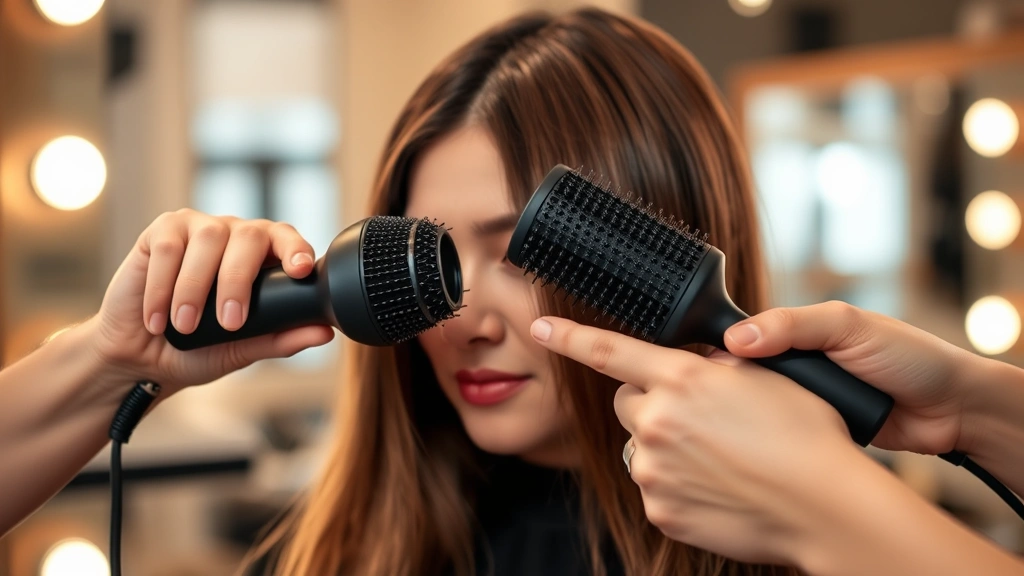
Master stylists employ several proven techniques to manage new hair growth effectively. The first and most fundamental approach is proper blow-drying methodology. Rather than blow-drying against the natural grain, professionals work with it, using a concentrator nozzle to direct air flow smoothly along the hair shaft. This technique, when performed with a paddle brush or round brush, encourages new growth to lay flat and blend seamlessly with existing hair.
Flat ironing is another professional staple for taming new growth. A ceramic or tourmaline flat iron, when used correctly, can smooth the cuticle layer of new strands and make them conform to your desired style. The key is using low to medium heat settings and working in sections, ensuring you don’t damage delicate new growth. Many stylists recommend passing the flat iron over new growth areas multiple times with light pressure rather than aggressive single passes.
Styling with a growth lift hub blog perspective means understanding that consistency matters. Professional stylists suggest applying heat styling techniques immediately after shampooing and conditioning, when hair is most receptive to direction. This timing allows the hair cuticle to set in your desired position as it cools.
Scalp massage techniques, borrowed from barbering traditions, help stimulate natural oils that coat new growth and make it less prone to sticking up. Massaging your scalp for two to three minutes daily improves circulation and encourages natural sebum distribution, which naturally smooths hair texture.
Another advanced technique stylists use is the strategic application of root-smoothing treatments. These professional-grade products penetrate the hair shaft and provide temporary smoothing benefits. Unlike relaxers, they don’t permanently alter hair structure but rather coat and condition new growth for easier management.
Product Solutions That Actually Work
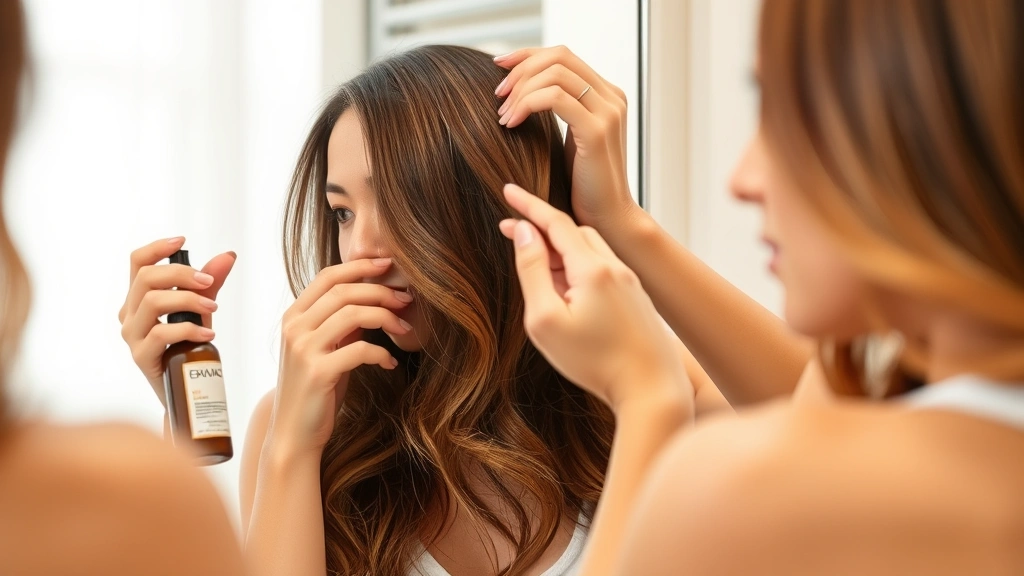
The right products can dramatically improve how you manage new hair growth. Anti-frizz serums and oils are essential tools in any stylist’s arsenal. These products work by coating the hair cuticle, reducing friction between strands and making new growth lay flatter. Look for serums containing argan oil, coconut oil, or silicone-based ingredients that provide weightless smoothing without greasiness.
Root-lifting sprays offer a counterintuitive solution: they add texture and grip to new growth, preventing it from lying flat against the scalp while paradoxically making it appear more controlled and intentional. These products work by coating hair with polymers that increase friction between strands, creating a more cohesive appearance.
Styling creams and pomades designed specifically for managing new growth provide hold without crunchiness. Water-based pomades work particularly well for new growth because they don’t create the heavy buildup that oil-based products can. These products allow you to style new growth into your desired direction while maintaining flexibility and natural movement.
Dry shampoo isn’t just for extending time between washes—it’s a powerful tool for managing new growth texture. The absorbent powder in dry shampoo removes excess oil that can weigh down new strands, while the polymers provide grip and texture. Apply dry shampoo specifically to new growth areas for targeted control.
Conditioning treatments deserve special attention when managing new growth. Deep conditioning masks containing keratin or protein help strengthen new strands and reduce their tendency to stand up. These treatments fill microscopic gaps in the hair cuticle, smoothing the surface and reducing friction. Apply conditioning treatments primarily to new growth areas once weekly for optimal results.
Hair growth supplements deserve mention as part of a comprehensive strategy. While they won’t immediately solve the sticking-up problem, growth opportunities for healthier hair begin from within. Biotin, collagen, and niacin supplements support stronger, healthier new growth that’s less prone to texture issues.
Daily Styling Strategies for Stubborn Hair
Establishing a consistent daily routine is crucial for managing new hair growth effectively. Begin each morning with a light misting of water or leave-in conditioning spray to hydrate new growth. Hydrated hair is more pliable and easier to style in your desired direction. This simple step takes less than a minute but produces significant results.
The technique of blow-drying with your fingers is surprisingly effective for new growth management. Rather than using a brush immediately, use your fingers to direct strands while blow-drying, encouraging them to lay in your preferred direction. This gentler approach reduces breakage of delicate new strands while providing directional control.
Nighttime preparation significantly impacts morning styling success. Sleeping on a silk or satin pillowcase reduces friction and static that cause new growth to stand up. If a silk pillowcase isn’t available, wrapping hair loosely in a silk scarf provides similar benefits. This simple change can reduce new growth sticking up by up to fifty percent, according to dermatological studies.
Sectioning hair before styling allows you to address new growth with focused attention. Divide your hair into four to six sections and work through each systematically, applying products and heat styling specifically to new growth areas. This methodical approach ensures no stubborn strands are overlooked.
Understanding your hair’s porosity helps you choose the right products and techniques for your specific new growth challenges. High-porosity hair needs heavier, more occlusive products to seal the cuticle, while low-porosity hair benefits from lighter, water-based formulations. A simple porosity test—dropping a clean strand of hair in water to see if it sinks—provides valuable information for personalizing your routine.
Long-Term Hair Management Solutions
Addressing new hair growth requires thinking beyond immediate styling solutions. Professional haircut timing significantly impacts how noticeable new growth becomes. Getting trims every four to six weeks maintains style consistency and prevents the stark contrast between new and existing hair. Regular trims also remove damaged ends, reducing overall frizz and texture issues.
Hair growth cycles naturally span several months, during which new strands gradually replace older ones. Understanding this biological process helps set realistic expectations. Rather than fighting nature, work with your growth cycle by scheduling treatments and cuts strategically. Discuss your new growth concerns with your stylist during consultations to develop a personalized maintenance schedule.
Chemical treatments like relaxers, keratin treatments, or permanent smoothing solutions offer semi-permanent solutions for managing new growth. These professional treatments temporarily alter the protein structure of hair, creating a smoother appearance that lasts several weeks. However, they require professional application and regular maintenance, so weigh the commitment carefully.
Color treatments can also help manage new growth visibility. Strategic highlighting or balayage draws attention away from texture differences by creating visual breaks in color. This clever styling technique makes new growth less noticeable while adding dimension and depth to your overall look. Consult with your colorist about techniques that complement your natural new growth color.
Scalp health directly impacts new growth quality and manageability. A healthy scalp produces healthier, stronger hair that’s less prone to texture issues. Regular scalp treatments, gentle cleansing, and scalp massage improve circulation and oil distribution. Visit a dermatologist if you experience scalp irritation, as conditions like seborrheic dermatitis or psoriasis can exacerbate new growth problems.
Nutritional support for hair health shouldn’t be overlooked. Hair growth originates from follicles fed by your bloodstream, so overall nutrition directly impacts new growth quality. Protein, iron, zinc, and B vitamins are particularly important for healthy hair growth. A diet rich in these nutrients produces stronger new growth that’s easier to manage and less prone to breaking or standing up awkwardly.
According to research published in the Dermatology Practical & Conceptual journal, hair quality is significantly influenced by micronutrient status, particularly vitamin D, iron, and zinc levels. Ensuring adequate intake of these nutrients through diet or supplementation supports healthier new hair growth.
Frequently Asked Questions
How long does it take for new hair growth to lay down naturally?
New hair growth typically requires two to three weeks to begin laying flat naturally, as it gains length and weight. However, this timeline varies based on hair texture, thickness, and your styling routine. Curly or textured hair may take longer to lay down than straight hair. Consistent styling and product application can accelerate this process significantly.
Can I use regular conditioner on new growth without weighing it down?
Yes, but apply conditioner primarily to the lengths and ends rather than the roots. For new growth specifically, use lightweight leave-in conditioners or conditioning sprays designed for roots. These formulations provide hydration and smoothing benefits without the heaviness of traditional rinse-out conditioners.
Is new hair growth sticking up a sign of unhealthy hair?
Not necessarily. New growth sticking up is a normal occurrence, particularly for textured hair or when there’s a significant contrast between new and existing hair. However, if new growth is excessively dry, breaks easily, or shows signs of damage, these may indicate nutritional deficiencies or scalp health issues worth addressing with a dermatologist.
What’s the best way to style new growth without heat damage?
Use heatless styling methods combined with products designed to hold and smooth. Wet-set styling, where you apply products and allow hair to air dry in your desired position, effectively manages new growth without heat. Combine this with silk pillowcases and nighttime wrapping for maximum results.
Should I get a perm or relaxer to manage new growth permanently?
This decision depends on your hair goals and maintenance commitment. While perms and relaxers provide semi-permanent smoothing, they require regular touch-ups every six to eight weeks and can damage hair with repeated applications. Discuss options thoroughly with a professional stylist who understands your hair type and lifestyle.
How does humidity affect new hair growth sticking up?
Humidity causes hair to absorb moisture, which disrupts the hydrogen bonds that hold hair in its styled position. New growth, being shorter and less conditioned, is particularly susceptible to humidity frizz. Combat this by using anti-frizz products with silicone or natural oils that create a moisture barrier, and consider protective hairstyles on humid days.
Can hair growth supplements really improve new growth texture?
Yes, according to research in Dermatology Practical & Conceptual, biotin and collagen supplements can improve hair strength and reduce breakage. However, results typically take two to three months to become noticeable, as they affect newly forming hair rather than existing strands. Consistency with supplementation is essential.
Explore additional insights about growth and development by visiting our growth mindset quotes section for motivation as you develop your hair management routine.
Managing new hair growth successfully combines understanding hair science, establishing consistent routines, and choosing appropriate products and techniques. By implementing these professional stylist tips, you’ll transform stubborn new growth from a frustration into a manageable aspect of your hair care routine. Remember that patience and consistency yield the best results—much like any worthwhile personal development goal.


