
Miracle Hair Growth Oil: Dermatologist’s Insights on Science-Backed Solutions
Hair loss affects millions worldwide, creating a psychological impact that extends far beyond aesthetics. The search for effective solutions has led many to explore miracle hair growth oil products, yet separating fact from fiction requires understanding the dermatological science behind these treatments. This comprehensive guide reveals what dermatologists actually know about hair growth oils, their mechanisms of action, and how they fit into your personal growth journey toward confidence and self-care.
Your hair represents more than just physical appearance—it’s tied to self-esteem, identity, and how you present yourself to the world. When hair thinning or loss occurs, many people experience a significant emotional impact that motivates them to seek solutions. Understanding the real science behind miracle hair growth oils empowers you to make informed decisions about your hair health and overall wellness strategy.
Understanding Hair Growth Biology
Before exploring miracle hair growth oils, understanding how hair actually grows is essential. Your hair follicles operate in cycles: the anagen phase (active growth lasting 2-7 years), catagen phase (transition lasting 2-3 weeks), and telogen phase (resting lasting 2-3 months). During the telogen phase, hair sheds naturally—losing 50-100 hairs daily is completely normal.
Hair growth depends on multiple factors including genetics, hormones, nutrition, and scalp health. The follicle’s dermal papilla contains specialized cells that determine hair thickness, color, and growth rate. When these cells receive adequate blood flow, nutrients, and hormonal signals, they produce stronger, healthier hair. Conversely, inflammation, poor circulation, or hormonal imbalances can push more follicles into the telogen phase prematurely, causing noticeable hair loss.
Dermatologists emphasize that miracle hair growth oils work not through magic, but through supporting the biological conditions your scalp needs. Oils can improve circulation to the follicle, reduce inflammation, provide antimicrobial protection, and deliver nutrients directly to the scalp. This understanding shifts your perspective from seeking miraculous transformation to personal growth in your self-care practices.
What Makes a Hair Oil Actually Work
The term “miracle” often oversells hair products, but certain oils have genuine scientific support. What distinguishes effective oils from ineffective ones? Dermatologists point to three critical factors: bioavailability, mechanism of action, and consistency of application.
Bioavailability refers to how well the oil’s active compounds penetrate the scalp and reach the hair follicle. Some oils have molecular structures that allow them to pass through the scalp’s lipid barrier more effectively than others. This is why coconut oil differs significantly from mineral oil in effectiveness—their chemical compositions determine how deeply they can penetrate.
Mechanism of action describes how the oil actually promotes hair growth. Does it increase blood flow? Reduce DHT (dihydrotestosterone)? Combat fungal infections? Provide essential fatty acids? The most effective miracle hair growth oils work through multiple mechanisms simultaneously, creating synergistic benefits for your scalp ecosystem.
Consistency of application cannot be overstated. Like any self-improvement effort, as discussed in our guide to how to increase motivation, maintaining a regular routine produces results. Using an oil sporadically will never match the benefits of consistent, disciplined application.
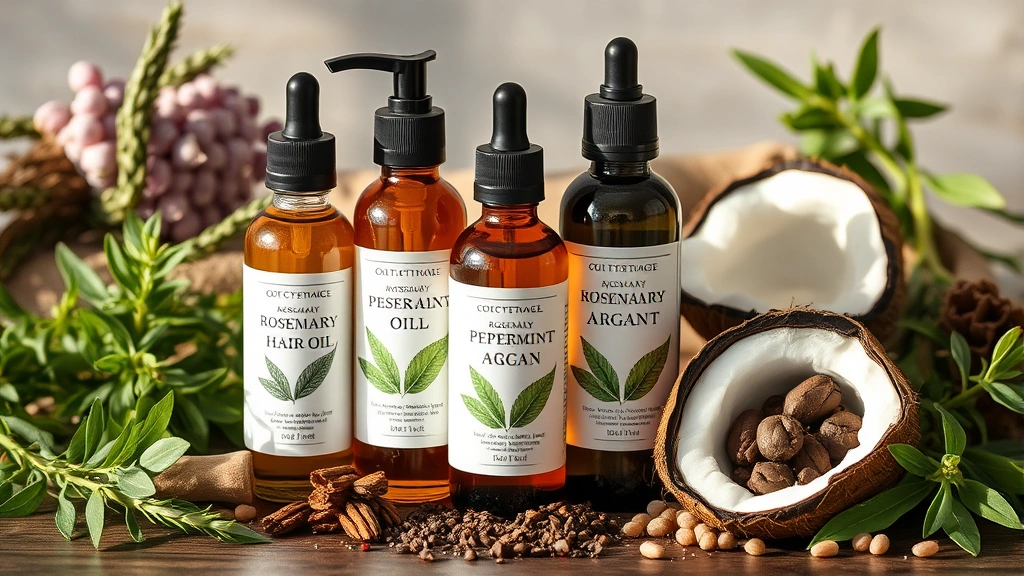
Key Ingredients Dermatologists Recommend
Research published in the Journal of Clinical and Aesthetic Dermatology identifies several ingredients with strong scientific backing for hair growth support. Understanding these components helps you evaluate any miracle hair growth oil you encounter.
Minoxidil-infused oils: While minoxidil is technically a pharmaceutical, some oils incorporate it. This ingredient works by extending the anagen phase and increasing blood flow to follicles. Dermatologists note this as the most evidence-supported approach for pattern hair loss.
Rosemary oil: Multiple studies demonstrate rosemary’s effectiveness comparable to minoxidil for certain types of hair loss. A landmark study in Phytotherapy Research showed participants using rosemary oil experienced significant hair regrowth over six months. The mechanism involves improved scalp circulation and follicle stimulation.
Peppermint oil: Research indicates peppermint increases blood flow to the scalp and may stimulate the dermal papilla cells. A study published in Toxicology Research found peppermint oil promoted hair growth in animal models, with promising implications for human application.
Castor oil: Rich in ricinoleic acid and omega-6 fatty acids, castor oil reduces scalp inflammation and provides antimicrobial benefits. Dermatologists recommend it particularly for those with sensitive or inflamed scalps.
Coconut oil: Its lauric acid content allows deep penetration and provides antimicrobial properties. However, it can be comedogenic for some scalp types, potentially clogging follicles, so patch testing is essential.
Argan oil: Loaded with antioxidants and vitamin E, argan oil protects hair from oxidative stress and improves scalp health. It’s particularly beneficial for those concerned with preventing future hair loss while supporting existing growth.
Popular Oils and Their Evidence Base
The market floods with products claiming to be miracle hair growth oils, but evidence varies dramatically. Let’s examine what dermatologists actually say about popular options.
Pure rosemary essential oil: When diluted properly (never apply essential oils directly to scalp), rosemary shows the strongest evidence base outside pharmaceutical treatments. Dermatologists often recommend it as a first-line natural approach. The research is particularly compelling for androgenetic alopecia (pattern hair loss).
Coconut oil blends: Effective for scalp health and conditioning, but less evidence supports it for actual hair growth stimulation. Better positioned as a complementary treatment supporting overall scalp health rather than a standalone growth solution.
Jojoba oil: Similar in composition to scalp sebum, jojoba oil regulates oil production and reduces inflammation. Dermatologists recommend it for maintaining scalp balance, though growth-stimulating evidence is limited.
Neem oil: Powerful antimicrobial and anti-inflammatory properties make it valuable for scalp conditions like seborrheic dermatitis or fungal infections that secondarily cause hair loss. Address the underlying condition, and hair growth often improves naturally.
Our growth life hub blog discusses how addressing root causes—rather than seeking quick fixes—creates lasting transformation, a principle equally applicable to hair health.

Application Methods for Maximum Results
How you apply miracle hair growth oils dramatically affects their efficacy. Dermatologists emphasize that application technique matters as much as product selection.
Scalp massage technique: Apply oil to your scalp in small sections, then massage for 5-10 minutes using circular motions with your fingertips (never nails). This massage increases blood flow, which is crucial for delivering nutrients to follicles. The mechanical stimulation itself supports hair growth independent of the oil’s chemistry.
Sectioning approach: Divide your scalp into four quadrants. Apply oil systematically to each section, ensuring you reach the scalp itself, not just the hair. Many people make the mistake of applying oil only to hair strands, missing the follicles that actually need treatment.
Frequency guidelines: Dermatologists typically recommend 2-3 times weekly for most people. Daily application can lead to buildup and scalp irritation. Find your optimal frequency based on your scalp type—oily scalps need less frequent application than dry ones.
Duration and consistency: Leave oils on your scalp for at least 20-30 minutes, though overnight treatment is even more effective. This extended contact time allows deeper penetration and maximum nutrient delivery. Consistency matters profoundly; sporadic application produces minimal results, while dedicated routines over months create noticeable changes.
Cleansing protocol: Use a gentle sulfate-free shampoo to remove oil thoroughly. Residual buildup can actually inhibit growth. Some dermatologists recommend pre-shampooing with oil (applying before regular wash) rather than leaving it on, depending on your scalp type.
Timeline and Realistic Expectations
Understanding realistic timelines prevents disappointment and supports sustained effort—a key principle in any personal growth quotes context. Hair growth doesn’t happen overnight.
Weeks 1-4: Expect scalp health improvements: reduced itching, less flaking, improved oil balance. You may notice your hair feels softer and shinier, but visible growth won’t occur yet. These improvements are crucial foundations.
Weeks 5-12: Some reduction in daily hair shedding may become apparent, though this varies individually. Your scalp environment is improving, supporting follicles to extend their growth phase.
Months 3-6: This is when most people notice actual new hair growth or increased hair thickness. Dermatologists note this timeline matches the hair growth cycle—new follicles entering the anagen phase produce visible results around three months.
Months 6-12: Continued improvement with consistent application. Some people see dramatic results; others experience modest but meaningful improvement. Genetics ultimately determine your maximum potential, but oils help you achieve closer to your genetic ceiling.
This timeline requires patience and discipline—virtues emphasized throughout discussions of growth mindset quotes and personal development. Treating hair care as a long-term commitment rather than a quick fix aligns with sustainable personal growth principles.
Combining Oils with Other Treatments
Dermatologists increasingly recommend combining miracle hair growth oils with other evidence-based treatments for synergistic results. Understanding how to integrate approaches safely maximizes your hair health strategy.
With minoxidil (Rogaine): Hair oils complement minoxidil well. Apply minoxidil first, allow it to dry completely, then apply your chosen oil. The oil won’t interfere with minoxidil’s mechanism while providing additional scalp benefits. Some dermatologists suggest alternating treatments—minoxidil certain days, oils on others.
With finasteride (Propecia): This pharmaceutical addresses the hormonal mechanism of pattern hair loss. Oils work through different pathways (circulation, inflammation, nutrition), so combining them creates a multi-pronged approach. No direct contraindications exist.
With hair supplements: Biotin, saw palmetto, and other supplements address hair health from within. Combined with topical oils, this inside-outside approach often produces superior results. Ensure supplements are from reputable sources and discuss with your dermatologist.
With scalp treatments: Medicated shampoos for specific conditions (fungal infections, seborrheic dermatitis) can be combined with oils. Treat the condition first, then use oils for ongoing scalp health maintenance.
With low-level laser therapy: This emerging treatment uses light to stimulate follicles. Combined with oils and proper scalp care, some dermatologists report enhanced results, though more research is needed.
This multi-faceted approach to hair health mirrors the comprehensive strategies discussed in our best books for self growth collection—addressing challenges from multiple angles creates more robust, lasting solutions.
Frequently Asked Questions
Can miracle hair growth oils work for everyone?
No. Hair loss has multiple causes—genetics, hormones, medical conditions, medications, and nutritional deficiencies. Oils work best for individuals whose hair loss stems from poor scalp health, inflammation, or circulation issues. Those with genetic pattern baldness may see modest improvements but won’t experience complete regrowth. A dermatologist can identify your specific cause, determining whether oils will be beneficial.
How do I know if a hair growth oil is legitimate?
Look for peer-reviewed research supporting specific ingredients. Reputable miracle hair growth oils cite studies, list active ingredients with concentrations, and make realistic claims. Avoid products claiming to regrow hair in weeks or work for everyone. Check third-party testing certifications and read dermatologist reviews. Legitimate products cost more because quality ingredients and research backing have real expenses.
Are essential oils safe to apply directly to the scalp?
Pure essential oils should never be applied undiluted. They’re too concentrated and can cause irritation or allergic reactions. Always dilute essential oils in a carrier oil (coconut, jojoba, argan) at ratios of 2-3% essential oil to carrier oil. Patch test on a small scalp area first, waiting 24 hours before full application.
What’s the difference between hair growth oils and regular conditioners?
Conditioners primarily coat hair shafts, improving appearance and manageability. Miracle hair growth oils target the scalp and follicles, addressing the biological mechanisms of growth. While conditioners support hair health, they don’t stimulate growth. Growth oils work systemically on the follicle environment itself.
Can I use hair growth oils if I have an oily scalp?
Yes, but with modifications. Choose lighter oils like jojoba or argan rather than heavy coconut or castor oil. Apply less frequently (once weekly instead of three times). Focus application on the scalp rather than hair length. Some people with oily scalps benefit more from oil-based treatments than others, so experimentation is necessary.
How long should I use a hair growth oil before deciding it doesn’t work?
Dermatologists recommend committing to at least three to four months of consistent use before evaluating effectiveness. This matches the hair growth cycle. If you see no improvement after six months of proper, consistent application, the product may not be suitable for your specific situation, and you should consult a dermatologist about alternative approaches.
Do hair growth oils work for alopecia areata?
Alopecia areata is an autoimmune condition requiring professional treatment. While oils can support overall scalp health, they won’t address the autoimmune mechanism. Dermatologists typically recommend corticosteroids, immunotherapy, or other medical interventions for alopecia areata. Oils serve as complementary support, not primary treatment.
Final Thoughts: Making Your Hair Growth Journey Personal
The concept of miracle hair growth oils reflects our deep human desire for transformative solutions. While true miracles don’t exist, consistent application of evidence-based oil treatments combined with overall wellness practices creates genuinely impressive results for many people. The key lies in understanding the science, setting realistic expectations, and committing to sustained effort.
Your hair health journey mirrors broader personal growth principles—quick fixes disappoint, but dedicated, informed effort compounds over time. By choosing quality products, understanding their mechanisms, applying them correctly, and maintaining consistency, you’re not just treating hair loss; you’re developing discipline, self-care practices, and the patience that characterizes genuine personal development.
Whether you’re exploring miracle hair growth oils as a primary treatment or complementary support, approach the journey with the same intentionality you’d bring to any significant personal improvement effort. Consult dermatologists, do your research, and remember that your hair’s health reflects your overall wellness—physical, mental, and emotional. The most miraculous transformations come not from magic products, but from consistent commitment to understanding and nurturing what you’re trying to grow.


