Mindfulness Techniques: Expert-Backed Growth Tips for Sustainable Personal Development
Mindfulness has transcended its origins in ancient meditation practices to become one of the most scientifically validated tools for personal transformation. When integrated intentionally into your daily routine, mindfulness techniques can reshape how you respond to challenges, process emotions, and pursue meaningful goals. This comprehensive guide explores evidence-based mindfulness strategies that align with modern personal development principles.
The intersection of mindfulness and growth represents a powerful paradigm shift. Rather than forcing change through willpower alone, mindfulness creates the mental spaciousness necessary for genuine transformation. Research from leading behavioral science institutions demonstrates that individuals who practice mindfulness experience improved emotional regulation, enhanced decision-making, and accelerated progress toward their aspirations.
Understanding Mindfulness in Personal Development
Mindfulness represents present-moment awareness without judgment—a deceptively simple concept with profound implications for personal growth. At its core, mindfulness interrupts the autopilot patterns that limit development. Most individuals operate reactively, responding to stimuli based on conditioning and habit. Mindfulness introduces a critical pause—a space between stimulus and response where conscious choice becomes possible.
The neuroscience supporting mindfulness is compelling. Studies published in JAMA Psychiatry and research from the Center for Mindfulness at the University of Massachusetts Medical School reveal that consistent practice physically alters brain structure. The prefrontal cortex—responsible for executive function, decision-making, and long-term planning—strengthens through mindfulness. Simultaneously, activity in the amygdala, which processes fear and reactive emotions, decreases.
This neurological foundation explains why mindfulness accelerates personal development. When your brain’s executive functions strengthen while reactive patterns diminish, behavioral change becomes easier. You’re not fighting against your neurology; you’re rewiring it systematically.
Core Mindfulness Techniques for Growth
Breath Awareness Meditation serves as the foundational practice for most mindfulness approaches. This technique involves directing attention to the natural rhythm of breathing—observing inhalations and exhalations without attempting to control them. Begin with five minutes daily, gradually extending to twenty minutes. When your mind wanders (which is entirely normal), gently redirect attention to your breath without self-criticism.
The power of breath awareness lies in its accessibility and immediate effects. Within three minutes of focused breathing, your nervous system shifts from sympathetic (fight-or-flight) to parasympathetic (rest-and-digest) activation. This physiological shift creates the optimal mental state for learning, creativity, and strategic thinking—essential components of meaningful development.
Body Scan Meditation develops interoceptive awareness—your ability to sense internal bodily states. This technique involves systematically directing attention through different body regions, noticing sensations without judgment. Practitioners report enhanced emotional regulation, as they learn to recognize physical manifestations of stress, anxiety, and other states before they escalate into reactive behavior.

Mindful Observation extends awareness beyond internal experience to your external environment. Select an object—a plant, photograph, or natural element—and observe it for five minutes with complete attention. Notice colors, textures, shapes, and details you typically overlook. This practice trains sustained attention while cultivating appreciation, both essential for developing a growth mindset.
Loving-Kindness Meditation specifically addresses emotional development and interpersonal growth. This practice involves directing compassionate phrases toward yourself, loved ones, neutral individuals, and even difficult people. The sequence typically follows: “May I be happy, healthy, and at peace. May you be happy, healthy, and at peace.” Research from UC Berkeley’s Greater Good Science Center demonstrates that loving-kindness practice increases social connection, reduces anxiety, and enhances overall well-being.
Mindful Walking integrates movement with awareness, making mindfulness accessible during daily activities. Walk slowly, noticing each footstep, the sensation of ground contact, environmental sounds, and visual details. This practice transforms routine movement into a development opportunity, preventing the compartmentalization of mindfulness as something separate from daily life.
Building a Sustainable Practice
Consistency matters more than duration. A five-minute daily practice surpasses sporadic hour-long sessions in effectiveness. The key is establishing a routine that becomes as automatic as brushing your teeth. Increasing motivation for practice involves linking mindfulness to existing habits—meditating immediately after morning coffee, or practicing during lunch breaks.
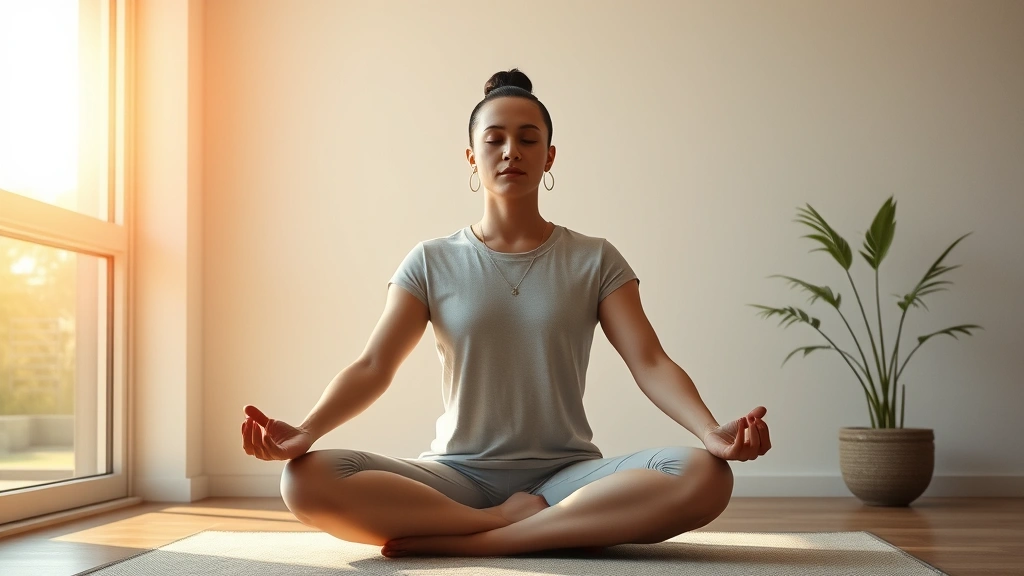
Environmental design supports consistency. Designate a specific space for practice, even if it’s a corner of your bedroom. Include elements that signal intention: a meditation cushion, candle, or plant. This sensory anchoring helps your brain transition into the mindful state more rapidly over time.
Tracking progress provides motivation without creating rigid attachment to outcomes. Many practitioners maintain simple logs noting practice duration and subjective observations. After three weeks, patterns emerge—improved sleep quality, reduced reactivity, enhanced focus. These tangible benefits reinforce commitment.

Start with guided practices if silence feels intimidating. Numerous apps and platforms offer structured guidance from experienced teachers. As your practice deepens, you may gravitate toward unguided meditation, but guided sessions remain valuable throughout your development journey.
Mindfulness and Goal Achievement
Mindfulness fundamentally transforms how you approach goal setting and achievement. Rather than pursuing goals through force and willpower, mindfulness reveals obstacles and misalignments that sabotage progress. When you observe your thoughts without judgment, you notice limiting beliefs, fear patterns, and competing desires that typically operate unconsciously.
This awareness creates choice. You might discover that your stated goal conflicts with deeper values, or that fear of failure drives self-sabotage. These insights aren’t failures—they’re invaluable information for course-correcting before investing months in misaligned pursuits.
Mindfulness also enhances what researchers call “psychological flexibility”—your ability to adapt strategies when facing obstacles. Rather than rigidly adhering to predetermined approaches, you remain present and responsive to actual circumstances. This flexibility dramatically improves problem-solving and resilience.
The practice of mindful intention-setting differs fundamentally from traditional goal-setting. Before pursuing any objective, spend ten minutes in meditation clarifying your true motivation. Is this goal aligned with your values? Are you pursuing it from inspiration or fear? This clarity prevents wasted energy on goals that don’t genuinely serve your development.
Overcoming Common Obstacles
The Restless Mind Challenge confronts most new practitioners. Your mind will wander—repeatedly, persistently, and frustratingly. This isn’t failure; it’s the practice. Each time you notice your mind has wandered and gently return attention to your chosen focus, you’re strengthening attention and self-awareness. Consider these moments the actual practice, not interruptions to it.
Physical Discomfort often derails beginners. Your legs may fall asleep, your back may ache, or your shoulders may tense. Experiment with different positions: chair-sitting, lying down, or standing. Slight adjustments in posture prevent discomfort without compromising practice quality. Remember that mindfulness includes noticing discomfort without judgment—observing sensations as they arise represents valuable practice.
Impatience and Expectation create unnecessary suffering. Many practitioners expect immediate transformation or dramatic experiences. Authentic mindfulness develops gradually through accumulated moments of presence. Trust the process even when results feel imperceptible. Research suggests meaningful neurological changes require consistent practice over weeks and months, not days.
Resistance and Doubt emerge when life becomes busy. Your mind generates compelling arguments for skipping practice: “I’m too busy today,” “I’ll start tomorrow,” “This isn’t working anyway.” Recognize these thoughts as normal mental patterns, not truth. Commit to practice regardless of these objections. Often, the days you least want to practice are when you need it most.
Advanced Practices for Accelerated Growth
Once foundational practices become established, advanced techniques deepen development. Insight Meditation (Vipassana) involves observing the arising and passing of thoughts, emotions, and sensations without attachment. Rather than focusing on breath, you maintain open awareness, noticing whatever emerges. This practice cultivates profound understanding of impermanence, interconnection, and the nature of suffering—insights that fundamentally reshape your relationship with challenges.
Noting Practice involves mentally labeling experiences as they arise: “thinking,” “feeling,” “planning,” “remembering.” This simple labeling creates distance from identification with thoughts, preventing the usual entanglement where you become your anxious thoughts or self-doubt. After extended practice, you naturally observe mental content without unconscious reactivity.
Mindful Communication applies awareness to dialogue and relationships. This involves listening with complete attention, noticing your impulse to interrupt or judge, and responding rather than reacting. This practice transforms relationships while deepening personal growth through genuine connection and mutual understanding.
Integrating mindfulness with personal development resources amplifies results. Many practitioners combine mindfulness with journaling, therapy, or structured learning programs. This multi-modal approach addresses development from multiple angles simultaneously, accelerating transformation.
Retreat Experiences offer intensive practice opportunities. Weekend or week-long silent retreats provide extended practice in supportive environments. While challenging, retreats often catalyze profound shifts that ripple through your life for months afterward.
Scientific Evidence and Long-Term Benefits
The research supporting mindfulness continues accumulating. A meta-analysis in JAMA Psychiatry found mindfulness-based stress reduction programs produce effect sizes comparable to pharmaceutical interventions for anxiety—without side effects. Studies demonstrate improvements in attention span, emotional regulation, immune function, and even telomere length (a marker of cellular aging).
Long-term practitioners report sustained benefits: enhanced resilience during adversity, improved relationships, greater life satisfaction, and accelerated achievement of meaningful goals. These aren’t temporary improvements from meditation sessions—they represent fundamental rewiring of your nervous system and cognitive patterns.
Research from the American Psychological Association confirms that mindfulness reduces rumination, a key factor in depression and anxiety. By training your attention, you interrupt the habitual negative thought loops that perpetuate emotional suffering.
The National Center for Biotechnology Information publishes extensive research demonstrating mindfulness effectiveness across diverse populations and conditions. Whether you’re managing stress, pursuing ambitious goals, healing from trauma, or simply seeking deeper meaning, evidence-based mindfulness offers practical tools.
Creating Your Personalized Mindfulness Plan
Begin by assessing your current situation. What specific challenges would mindfulness address? Stress management? Emotional regulation? Improved focus for goal achievement? This clarity guides practice selection and motivation maintenance.
Design a realistic schedule. If you’ve never meditated, committing to hour-long daily sessions sets you up for failure. Instead, start with five minutes daily at a consistent time. After four weeks, extend gradually to ten minutes. This progressive approach builds sustainable habits.
Combine personal development resources with practice. Read about mindfulness, listen to teachings from experienced practitioners, and connect with communities. This intellectual engagement complements experiential practice, deepening understanding and commitment.
Consider working with a teacher or therapist, especially if you’re addressing trauma or significant mental health challenges. While self-directed practice benefits most people, professional guidance accelerates progress and prevents common pitfalls.
FAQ
How long before I notice mindfulness benefits?
Most practitioners report subtle changes within one to two weeks—improved sleep quality, reduced reactivity, or enhanced focus. More significant transformations typically emerge after consistent practice for four to twelve weeks. Remember that benefits often accumulate gradually; you may not recognize changes until you reflect on your state months later.
Can mindfulness replace therapy or medication?
Mindfulness complements professional mental health treatment but doesn’t replace it. For clinical depression, anxiety disorders, or trauma, work with qualified mental health providers. Mindfulness enhances therapeutic progress and medication effectiveness when used alongside professional care.
What’s the best time to practice mindfulness?
Morning practice sets a calm, focused tone for your entire day. However, consistency matters more than timing. Practice whenever you’ll actually do it—morning, lunch, evening, or before bed. Many people benefit from multiple brief sessions throughout the day rather than one lengthy session.
Do I need special equipment or location?
No. Mindfulness requires nothing beyond your attention. A quiet space helps initially, but advanced practitioners maintain awareness in busy environments. A meditation cushion or chair supports comfort, but any seating works. The practice itself—not external conditions—creates benefits.
How do I handle racing thoughts during meditation?
Racing thoughts indicate your mind is active—which is perfectly normal. Rather than fighting thoughts, notice them without engagement, then return attention to your chosen focus. Think of thoughts as clouds passing through sky; you’re the sky, not the clouds. This distinction prevents frustration and deepens practice.
Can children practice mindfulness?
Yes. Age-appropriate mindfulness practices benefit children, improving focus, emotional regulation, and academic performance. Shorter sessions (two to five minutes), playful approaches, and guided practices work best. Many schools now incorporate mindfulness into curricula with documented benefits.
Is mindfulness religious or spiritual?
While mindfulness originates in Buddhist traditions, contemporary mindfulness is secular and compatible with any belief system. You can practice mindfulness while maintaining your religious or spiritual orientation. The practice focuses on present-moment awareness and mental training, not theological beliefs.


