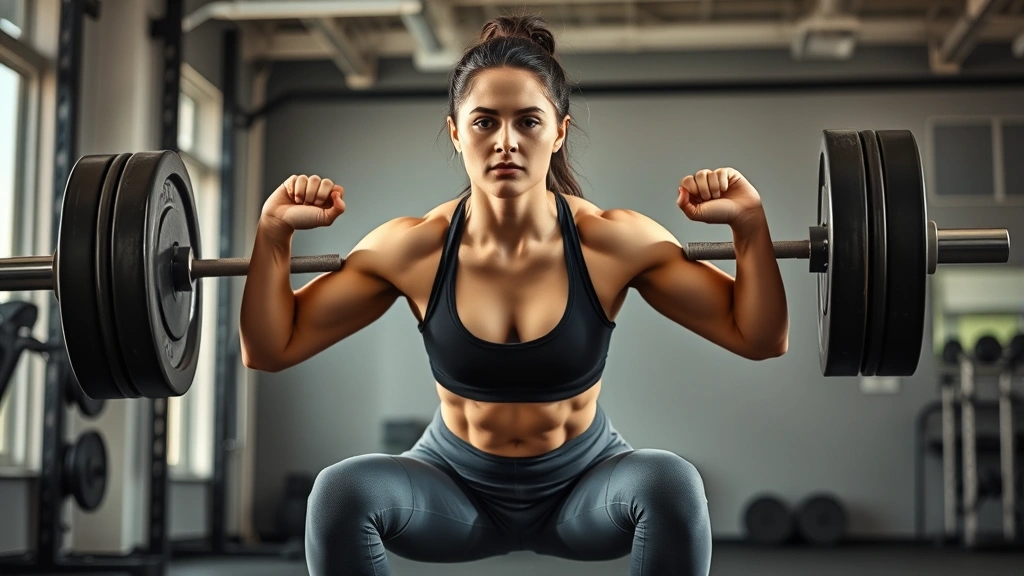
Female Muscle Growth: Science-Backed Tips for Building Strength
Female muscle growth has become increasingly popular as women discover the transformative power of strength training. Whether you’re seeking to build lean muscle, increase athletic performance, or simply feel stronger in your daily life, understanding the science behind muscle development is essential. Unlike the myths that persist about women “bulking up,” research shows that females can develop impressive muscle definition and functional strength through strategic training and nutrition.
The journey to building muscle as a woman involves much more than lifting weights. It requires a comprehensive approach combining proper resistance training, adequate protein intake, recovery strategies, and mental resilience. This guide explores evidence-based methods to optimize your female muscle growth and achieve the physique and strength you desire.
Understanding Female Muscle Physiology
Women’s muscle tissue responds to training similarly to men’s, though hormonal differences create distinct advantages and challenges. Research from the Journal of Applied Physiology demonstrates that females can achieve comparable strength gains relative to their starting point. The key difference lies in testosterone levels—women naturally produce 15-20 times less testosterone than men, meaning muscle development occurs at a different pace but remains entirely achievable.
Understanding your baseline is crucial for setting realistic expectations. Women typically can build 0.5-1 pound of muscle per month with consistent training, compared to men’s 1-2 pounds monthly. This doesn’t diminish the results; it simply means your transformation unfolds over a longer timeline. The advantage? Your gains tend to be leaner and more aesthetically defined.
Muscle fiber composition in women includes both Type I (slow-twitch) and Type II (fast-twitch) fibers. Type II fibers respond dramatically to resistance training and are responsible for visible muscle growth. By targeting these fibers through progressive overload, you activate the hypertrophy mechanism that builds the lean, sculpted physique many women seek.
Your body composition baseline matters significantly. If you’re starting with higher body fat, you may experience “newbie gains”—accelerated muscle development in your first 6-12 months of training. This honeymoon period provides motivation and momentum that shouldn’t be squandered. Focus on establishing consistent habits during this window.
Progressive Resistance Training
The foundation of female muscle growth rests on progressive resistance training. This means consistently challenging your muscles with increasing demands. Unlike cardio-focused workouts, resistance training creates micro-tears in muscle fibers that repair and rebuild stronger during recovery.
Compound movements should form your training backbone. Squats, deadlifts, bench presses, and rows recruit multiple muscle groups simultaneously, triggering robust hormonal responses and efficient muscle development. A study in the Journal of Strength and Conditioning Research found that compound exercises produced significantly greater muscle activation than isolation movements.
Implement the following training principles:
- Progressive overload: Gradually increase weight, reps, or sets each week. This could mean adding 5 pounds to your squat or performing one additional rep on each set. Small increments compound into substantial gains.
- Training frequency: Target each major muscle group 2-3 times weekly. This frequency optimizes protein synthesis without excessive fatigue.
- Rep ranges: For hypertrophy, aim for 6-12 repetitions per set. This range maximally stimulates muscle growth while building strength.
- Volume accumulation: Perform 10-20 sets per muscle group weekly. Higher volume correlates with greater muscle development when managed properly.
Consider implementing a structured program that rotates between upper body, lower body, and full-body sessions. This approach allows adequate recovery while maintaining training frequency. Your goal-setting strategy should include specific lifting targets—not just “get stronger,” but “increase squat by 25 pounds in 12 weeks.”

Nutrition for Muscle Development
Muscle doesn’t build in the gym; it builds in the kitchen. Nutrition represents perhaps the most underestimated component of female muscle growth. Without adequate fuel and building blocks, your training efforts yield minimal results.
Protein intake stands paramount. Current research recommends 0.7-1 gram of protein per pound of body weight daily for optimal muscle development. A 140-pound woman should consume 98-140 grams of protein daily. This seems high initially but becomes manageable with strategic planning: a 4-ounce chicken breast provides 35 grams, Greek yogurt offers 15-20 grams per serving, and eggs deliver 6 grams each.
Distribute protein across meals rather than concentrating it in one sitting. Research shows that consuming 20-40 grams of protein per meal maximizes muscle protein synthesis. This means breakfast, lunch, dinner, and snacks should each contain substantial protein sources.
Caloric intake requires careful calibration. Building muscle demands a slight caloric surplus—approximately 300-500 calories above maintenance. Too aggressive a surplus results in excess fat gain; too conservative prevents adequate muscle development. Use this formula: multiply your body weight by 14-16 to estimate maintenance calories, then add 300-500 for a muscle-building surplus.
Carbohydrates fuel intense training sessions and replenish muscle glycogen depleted during workouts. Don’t fear carbs; embrace them strategically. Prioritize complex carbohydrates—oats, brown rice, sweet potatoes, quinoa—especially around training windows. Consume carbs 1-2 hours before workouts and within 30 minutes post-training for optimal performance and recovery.
Healthy fats support hormone production and overall health. Aim for 0.3-0.5 grams per pound of body weight. Include sources like avocados, nuts, seeds, olive oil, and fatty fish. These foods provide satiety and essential micronutrients that support muscle growth.
Micronutrients matter more than many realize. Iron, zinc, magnesium, and B vitamins directly influence muscle development and recovery. Women, particularly menstruating women, need adequate iron intake (18 mg daily). Zinc supports testosterone production and protein synthesis. Prioritize nutrient-dense whole foods rather than relying on supplements alone.
Recovery and Rest
The concept of “no days off” contradicts muscle physiology. Muscle growth occurs during rest, not during training. When you lift weights, you damage muscle fibers intentionally. Recovery is when adaptation happens and new muscle tissue builds.
Sleep quality directly impacts female muscle growth. During deep sleep, growth hormone secretion peaks, facilitating muscle repair and development. Aim for 7-9 hours nightly. Poor sleep impairs recovery, increases cortisol (a catabolic hormone), and reduces muscle protein synthesis by up to 30%. Establish consistent sleep schedules, optimize bedroom temperature (around 65-68°F), and minimize screen time before bed.
Active recovery days enhance blood flow without creating additional muscle damage. Light walking, yoga, or swimming on rest days promotes nutrient delivery to recovering muscles. These activities reduce soreness and maintain training momentum without overloading your nervous system.
Deload weeks—periods of reduced training volume—prevent overtraining and allow systemic recovery. Every 4-6 weeks, reduce training volume by 40-50% while maintaining intensity. This prevents adaptation plateaus and reduces injury risk. Use deload weeks to assess form, address minor aches, and mentally recharge.
Stress management influences recovery profoundly. Chronic stress elevates cortisol, which antagonizes muscle growth and promotes fat storage. Implement stress-reduction practices: meditation, journaling, time in nature, or social connection. Your motivation remains higher when stress remains managed.

Hormonal Factors and Female Muscle Growth
Understanding your hormonal cycle empowers strategic training adjustments. Menstrual cycle phases create fluctuating hormonal environments that affect strength, endurance, and recovery capacity.
During the follicular phase (menstruation through ovulation), estrogen rises gradually. This phase often brings increased strength, better recovery, and higher pain tolerance. Capitalize on this window by scheduling heavy compound lifts and higher-volume sessions. Your nervous system’s capacity peaks, making this ideal for progressive overload attempts.
The luteal phase (ovulation through menstruation) features elevated progesterone. This phase typically reduces strength capacity and increases fatigue. Rather than fighting physiology, adjust training accordingly. Reduce volume slightly, maintain intensity for strength maintenance, and prioritize recovery. Many women report better results with this cyclical approach rather than identical weekly programming.
Estrogen itself supports muscle growth and recovery. Higher estrogen improves blood flow, enhances protein synthesis, and reduces muscle protein breakdown. This represents a distinct advantage for female athletes when leveraged strategically. Conversely, women with very low body fat may experience hormonal disruption—amenorrhea (absent periods) indicates insufficient calories or recovery.
Menopause presents unique challenges as estrogen declines. Research shows post-menopausal women experience accelerated muscle loss. Strategic resistance training becomes even more critical, as does adequate protein and caloric intake. Hormone replacement therapy (HRT) discussions with healthcare providers become relevant for many women navigating this transition.
Tracking Progress Effectively
What gets measured gets managed. Effective progress tracking maintains motivation and reveals what’s working. However, the scale alone deceives, as muscle weighs more than fat.
Implement these tracking methods:
- Strength metrics: Record weights, reps, and sets for each exercise. A detailed training log reveals progressive overload patterns. Aim to increase one variable monthly—either weight, reps, or volume.
- Body composition: Monthly progress photos from consistent angles and lighting provide visual documentation. Many women find photos more motivating than scale weight, as muscle gain offsets fat loss.
- Measurements: Track arm circumference, chest, waist, hip, thigh, and calf measurements monthly. Muscle growth shows clearly in these metrics before becoming obvious visually.
- Performance benchmarks: Establish baseline tests—maximum pull-ups, plank duration, or sprint time—and retest quarterly. Functional improvements feel incredibly rewarding.
- Body fat percentage: If accessible, track body composition via DEXA scans, bioelectrical impedance, or calipers quarterly. This reveals whether weight changes reflect muscle or fat.
Avoid obsessive daily tracking. Weight fluctuates 2-3 pounds based on water retention, food intake, and hormonal factors. Weekly weigh-ins provide meaningful data; daily weighing creates unnecessary stress and misinterpretation.
Embrace the growth mindset approach to plateaus. Temporary stalls in progress are normal and temporary. They signal adaptation—your body has adjusted to current stimulus. Respond by increasing volume, varying rep ranges, adjusting exercise selection, or modifying rest periods. Plateaus precede breakthrough gains.
Visit the Growth Lift Hub Blog for additional resources on maintaining consistency throughout your journey. Consider exploring books about personal development to strengthen the mental discipline that parallels physical training.
Your personal growth extends beyond physical transformation. The discipline, resilience, and self-awareness developed through consistent training transfer to all life areas. This holistic development represents the true power of committing to female muscle growth.
FAQ
How long before I see visible muscle growth as a woman?
Most women notice subtle changes within 4-6 weeks with consistent training and nutrition. Visible muscle definition typically emerges at 8-12 weeks. Significant transformation requires 3-6 months. Remember that body composition changes precede scale changes—fat loss plus muscle gain may keep weight stable initially.
Will lifting weights make me bulky?
No. Women lack sufficient testosterone to develop the “bulk” many fear. Instead, progressive resistance training creates lean muscle definition. Most women describe the result as “toned” rather than bulky. If you prefer less muscle size, reduce training volume while maintaining intensity.
How much protein do I really need?
Research supports 0.7-1 gram per pound of body weight daily for muscle building. However, even 0.6 grams per pound produces solid results. Find the amount that feels sustainable and supports your training performance and recovery.
Can I build muscle while losing fat?
Yes, particularly if you’re new to training or returning after a break. Body recomposition—simultaneous muscle gain and fat loss—occurs when protein intake is adequate, training is consistent, and calories are at or slightly below maintenance. This process takes longer than dedicated bulking or cutting phases but produces superior aesthetic results.
What’s the best female muscle growth animation approach for learning proper form?
Video resources from reputable strength coaches and exercise scientists provide valuable form instruction. Combine video learning with in-person coaching when possible. Proper form prevents injury, maximizes muscle engagement, and ensures progressive overload translates to actual muscle development.
How does my menstrual cycle affect muscle building?
Hormonal fluctuations throughout your cycle affect strength, recovery capacity, and training tolerance. Many women find follicular phase training more productive for heavy lifting. Adjust intensity and volume based on how you feel, but maintain consistency across both phases for optimal results.
Should I take supplements for female muscle growth?
Whole food provides superior nutrition to supplements. However, protein powder offers convenience for meeting daily protein targets. Creatine monohydrate shows strong evidence for supporting muscle development and is safe for women. Most other supplements lack robust evidence. Prioritize nutrition fundamentals before supplements.


