
Dog Lipomas: Veterinary Insights & Comprehensive Care Tips for Fatty Growths
Dog lipomas represent one of the most common benign tumors found in canines, particularly as they age. These fatty growths develop beneath the skin and can range from small, barely noticeable bumps to large masses that significantly impact your pet’s mobility and quality of life. Understanding what lipomas are, how they develop, and what treatment options exist is essential for any dog owner concerned about their companion’s health.
As a responsible pet owner, recognizing the signs of dog fatty growth early allows you to work with your veterinarian to develop an appropriate management plan. While lipomas are typically harmless, their growth trajectory and location can sometimes require intervention. This comprehensive guide explores everything you need to know about canine lipomas, from identification through long-term care strategies.
What Are Dog Lipomas?
Lipomas are benign fatty tumors that develop in the subcutaneous tissue—the layer of fat beneath your dog’s skin. Unlike malignant cancers, lipomas grow slowly and do not spread to other parts of the body or invade surrounding tissues aggressively. They consist of mature, normal fat cells organized in a capsule, making them distinctly different from the surrounding fatty tissue.
The prevalence of lipomas increases significantly with age. Studies show that dogs over seven years old experience higher incidence rates, with some research indicating that up to 20% of older dogs develop at least one lipoma during their lifetime. These growths can appear anywhere on the body but are most commonly found on the chest, abdomen, legs, and flanks.
What makes lipomas particularly noteworthy in veterinary medicine is their sheer frequency compared to other tumor types. While they’re benign, their location and size can occasionally interfere with normal movement or cause discomfort. Understanding your dog’s specific situation requires professional evaluation and ongoing monitoring by your veterinary team.

Causes and Risk Factors
The exact cause of lipoma development remains incompletely understood, but veterinary research has identified several contributing factors. Frontier in Veterinary Science publications suggest that genetic predisposition plays a significant role, with certain breeds showing higher susceptibility rates than others.
Primary risk factors include:
- Age: Dogs over seven years old show dramatically increased lipoma development
- Obesity: Overweight dogs experience higher incidence rates of fatty growths
- Breed predisposition: Labrador Retrievers, Cocker Spaniels, and mixed breeds show elevated risk
- Hormonal factors: Spayed and neutered dogs may have increased susceptibility
- Metabolic dysfunction: Hypothyroidism and other endocrine conditions correlate with lipoma formation
- Genetic inheritance: Dogs with parents who developed lipomas show higher probability
Recent research from the American Veterinary Medical Association emphasizes that while obesity doesn’t directly cause lipomas, it significantly increases their likelihood and growth rate. This connection between body weight and fatty tumor development highlights the importance of maintaining appropriate nutrition throughout your dog’s life, much like how personal growth requires consistent, intentional effort over time.
Hormonal changes following spaying or neutering may also contribute to lipoma development. The altered metabolic state in fixed dogs can predispose them to fatty tissue proliferation, making weight management even more critical for these individuals.
Identification and Symptoms
Recognizing lipomas early requires familiarity with your dog’s body and regular physical examination. Most lipomas present as soft, moveable lumps beneath the skin that feel distinctly different from normal tissue. They typically develop slowly over months or years, allowing owners time to notice changes if they’re attentive.
Characteristic features of lipomas include:
- Soft, squishy texture that moves freely under the skin
- Slow, progressive growth over extended periods
- Lack of pain or inflammation in early stages
- Typically appear in multiple locations rather than as single growths
- Normal skin appearance over the lipoma
- No discharge or odor from the growth
While most lipomas remain asymptomatic, larger growths or those in problematic locations can cause noticeable symptoms. Dogs may develop lameness if lipomas form on legs or restrict joint movement. Growths on the chest or abdomen might interfere with normal movement or cause discomfort when lying down. Some dogs show behavioral changes like reluctance to exercise or difficulty rising from rest.
Regular grooming and palpation of your dog’s body helps identify new growths quickly. Many owners discover lipomas accidentally while bathing or brushing their pets. Creating a habit of monthly body checks, similar to how developing growth mindset requires consistent practice, allows you to track any changes and report them to your veterinarian.
Diagnosis and Veterinary Assessment
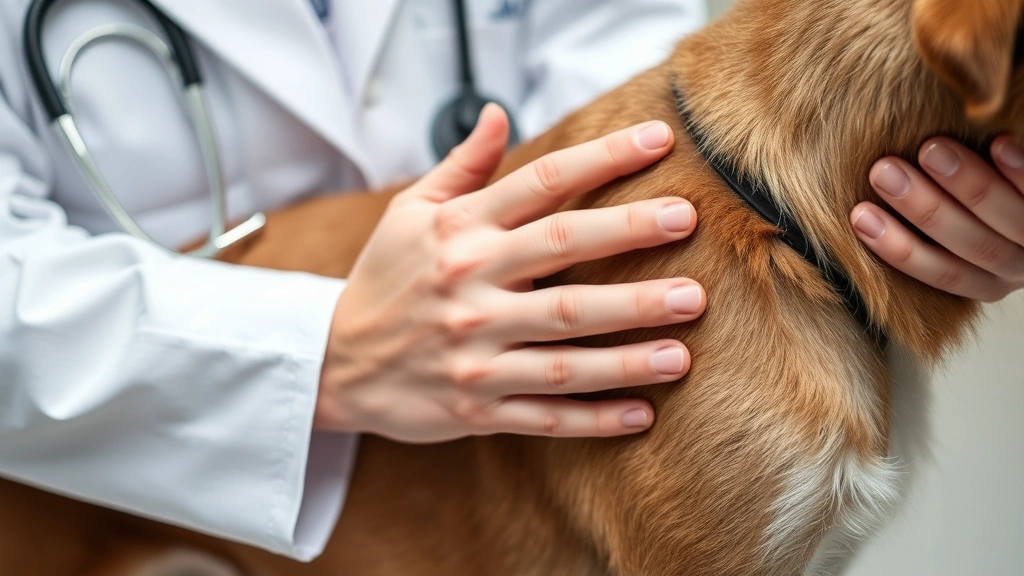
Professional veterinary diagnosis typically begins with physical examination. Your veterinarian will palpate the growth, assess its characteristics, and evaluate whether it matches typical lipoma presentation. Most lipomas can be confidently identified through clinical examination alone, as their distinctive features—soft texture, mobility, and slow growth—are quite recognizable.
However, to definitively confirm a lipoma and rule out more serious conditions, your veterinarian may recommend additional diagnostics. Fine needle aspiration involves drawing cells from the mass with a thin needle for microscopic examination. This relatively non-invasive procedure provides cellular confirmation without requiring surgery.
Ultrasound imaging offers another valuable diagnostic tool, particularly for deeper masses or those in unusual locations. Ultrasound can clearly visualize the lipoma’s characteristics and help distinguish it from other soft tissue growths. In some cases, your veterinarian might recommend biopsy or surgical removal with histopathological examination if any atypical features appear or if the growth behaves unexpectedly.
The American Animal Hospital Association guidelines emphasize the importance of professional assessment rather than owner self-diagnosis, as other conditions can mimic lipomas’ appearance. Trust your veterinarian’s expertise in distinguishing benign fatty growths from potentially more serious conditions requiring immediate intervention.
Treatment Options
Treatment decisions for lipomas depend on several factors: growth rate, location, size, and whether the lipoma interferes with your dog’s quality of life. Many lipomas require no treatment beyond monitoring, as they grow slowly and cause no discomfort. However, certain situations warrant intervention.
Surgical Removal: Surgical excision remains the only definitive treatment for lipomas. This option becomes appropriate when growths interfere with movement, cause pain, or grow rapidly. Surgery typically involves local or general anesthesia, depending on the lipoma’s size and location. Recovery is usually straightforward, with most dogs returning to normal activity within 7-10 days.
The decision to pursue surgery should consider your dog’s age, overall health status, and anesthetic risk. Older dogs with significant health conditions may face higher surgical risks, making conservative management preferable. Discuss these considerations thoroughly with your veterinarian to make an informed decision aligned with your dog’s specific circumstances.
Medical Management: While no medications definitively shrink existing lipomas, certain approaches may slow their growth. Weight management through appropriate diet and exercise represents the most evidence-based intervention. Research published in veterinary journals demonstrates that overweight dogs with lipomas benefit significantly from weight loss programs.
Some veterinarians recommend supplements like omega-3 fatty acids or specific nutraceuticals, though scientific evidence supporting their effectiveness in lipoma management remains limited. Discuss supplement options with your veterinarian before implementing them, ensuring they don’t interfere with any existing medications or health conditions.
Management and Prevention Strategies
Effective lipoma management requires a proactive, long-term approach. Since you cannot completely prevent lipomas if your dog has genetic predisposition, the goal becomes slowing growth and minimizing their impact on quality of life. This mindset mirrors the continuous improvement philosophy found in personal development—you work with what you have and make incremental improvements.
Regular Veterinary Monitoring: Schedule check-ups at least annually, more frequently if your dog has multiple lipomas or shows signs of rapid growth. Your veterinarian can track lipoma size, assess their impact on mobility, and adjust management strategies as needed. Keeping detailed records of lipoma locations, sizes, and growth rates helps identify problematic trends early.
Maintain Healthy Body Weight: This represents the single most important preventive measure. Dogs at optimal weight show slower lipoma growth and fewer complications from existing growths. Work with your veterinarian to determine ideal weight for your dog’s breed and individual characteristics, then implement a sustainable nutrition plan to achieve and maintain it.
Environmental Modifications: If lipomas interfere with movement, modify your dog’s environment to reduce strain. Provide orthopedic bedding for easier rising and lying down. Use ramps or steps to minimize jumping, which can stress limbs affected by lipomas. Keep living spaces uncluttered to prevent tripping over obstacles while navigating around growths.
Nutrition and Exercise Considerations
Proper nutrition forms the foundation of lipoma management and prevention. Dogs with lipomas benefit from high-quality, appropriately portioned diets that maintain lean body condition without excess fat accumulation. Your veterinarian can recommend specific diets formulated for weight management if needed.
Nutritional strategies include:
- Measuring food portions precisely rather than free-feeding
- Choosing high-protein, moderate-fat diets that promote satiety
- Limiting treats to no more than 10% of daily caloric intake
- Avoiding high-calorie human foods and table scraps
- Incorporating low-calorie vegetables as treat alternatives
- Ensuring adequate fiber to promote digestive health and satiety
Exercise plays an equally critical role in lipoma management. Regular, appropriate physical activity helps maintain healthy body weight, supports cardiovascular health, and improves overall quality of life. The type and intensity of exercise should match your dog’s age, fitness level, and any mobility limitations caused by lipomas.
Dogs with leg lipomas may benefit from low-impact activities like swimming or walking on soft surfaces rather than running on hard ground. Mental stimulation through training and puzzle toys provides enrichment without requiring intense physical activity. Like pursuing personal growth goals, developing an effective exercise routine requires consistency, adaptation to individual needs, and patience with gradual progress.
Consider consulting a veterinary physical therapist if your dog shows mobility limitations. They can design customized exercise programs that accommodate lipomas while maintaining muscle tone and flexibility. This professional guidance ensures your dog stays active safely, maximizing quality of life despite these growths.
Frequently Asked Questions
Can lipomas turn into cancer?
No, lipomas are benign tumors that do not transform into malignant cancer. They represent mature fat cells organized in a capsule and do not spread to other tissues. However, this doesn’t mean all growths are lipomas—professional veterinary diagnosis is essential to rule out other conditions. If a growth suddenly changes appearance, grows rapidly, or shows signs of inflammation, contact your veterinarian immediately for reassessment.
How quickly do lipomas grow?
Lipoma growth rates vary considerably among individual dogs. Most lipomas grow slowly, often taking months or years to become noticeably larger. However, some dogs develop rapidly growing lipomas, particularly if overweight. Tracking growth through regular monitoring helps identify any unusual patterns warranting veterinary attention. Rapid growth sometimes indicates a condition other than lipoma, making professional evaluation important.
Should I have my dog’s lipoma surgically removed?
Surgery is appropriate when lipomas interfere with movement, cause pain, or grow so large they impact quality of life. Many lipomas cause no problems and don’t require removal. Discuss your specific situation with your veterinarian, considering your dog’s age, overall health, anesthetic risk, and the lipoma’s characteristics. Together, you can determine whether monitoring or surgery better serves your dog’s interests.
Can diet or supplements shrink lipomas?
No proven diet or supplement definitively shrinks existing lipomas. However, weight management can slow their growth and prevent new lipomas from developing. Omega-3 supplements and other nutraceuticals may provide general health benefits but shouldn’t replace appropriate nutrition and exercise. Always consult your veterinarian before adding supplements to ensure they’re appropriate for your dog’s individual health status.
How can I prevent lipomas in my dog?
While you cannot completely prevent lipomas in genetically predisposed dogs, maintaining optimal body weight represents the most effective preventive strategy. Ensure appropriate portion control, high-quality nutrition, and regular exercise throughout your dog’s life. Monitor your dog regularly for new growths, enabling early detection if they develop. Schedule annual veterinary check-ups to assess overall health and identify any emerging concerns.
Are certain breeds more prone to lipomas?
Yes, some breeds show higher lipoma incidence than others. Labrador Retrievers, Cocker Spaniels, mixed breeds, and older dogs generally experience higher rates. However, lipomas can develop in any breed or mix. Breed predisposition shouldn’t cause alarm but rather motivate proactive weight management and regular monitoring, particularly as your dog ages.
Understanding dog lipomas empowers you to make informed decisions about your pet’s health and care. While these benign fatty growths are common in aging dogs, they don’t have to significantly impact quality of life when managed appropriately. Work closely with your veterinarian to develop a personalized management plan, maintain your dog’s healthy weight, and monitor for any changes. Like pursuing continuous growth and improvement in your own life, managing your dog’s health requires consistent effort, professional guidance, and adaptation to individual needs. With proper care and attention, dogs with lipomas can continue enjoying active, comfortable lives well into their senior years.


