
Costco Hair Growth: What Dermatologists Say About Budget-Friendly Options
Walking through the aisles of Costco, you’ve likely noticed shelves stocked with hair growth products promising thicker, fuller locks at warehouse prices. But do these affordable solutions actually work, or are they just another marketing gimmick? Dermatologists and trichologists have weighed in on this growing trend, and the answers might surprise you. Understanding the science behind hair growth products—and knowing which Costco options are worth your membership fee—can transform your approach to hair health and personal development.
The hair care industry generates billions annually, yet many consumers remain confused about what truly works versus what’s merely clever packaging. At Costco, you’ll find everything from minoxidil-based treatments to biotin supplements, serums, and specialized shampoos. The key to making an informed purchase lies in understanding both the ingredients and the research backing them. This comprehensive guide breaks down what dermatologists recommend, which Costco products deliver real results, and how to develop a sustainable personal growth strategy around your hair health journey.
Understanding Hair Growth Science
Before diving into specific Costco products, it’s essential to understand how hair actually grows and what factors influence growth cycles. Hair follicles operate in three phases: anagen (growth), catagen (transition), and telogen (resting). Most people shed 50-100 hairs daily as part of this natural cycle. When something disrupts this balance—stress, nutrition, genetics, or hormonal changes—hair loss accelerates and growth slows.
Dermatologists emphasize that effective hair growth solutions must address the root cause, not just symptoms. This might mean tackling inflammation, improving scalp health, or addressing nutritional deficiencies. According to the American Academy of Dermatology, approximately 50 million American men and 30 million women experience hair loss, making this a significant health concern. The good news? Many solutions exist, and several are available at your local Costco at reasonable prices.
The journey toward healthier hair mirrors broader growth mindset principles—it requires patience, consistency, and evidence-based decision-making. Just as you wouldn’t expect financial success overnight, hair regrowth takes months of dedicated effort before visible results emerge.
FDA-Approved Solutions at Costco
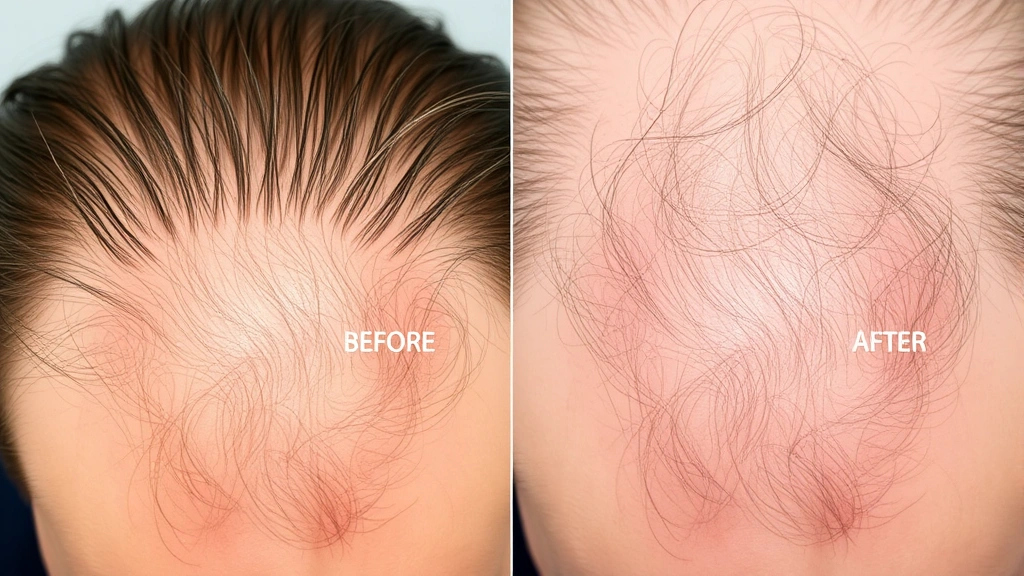
When shopping for hair growth products, FDA approval should be your first filter. Only two medications have received FDA approval for treating hair loss: minoxidil (Rogaine) and finasteride (Propecia). Costco carries various minoxidil formulations, making it one of the best places to purchase this clinically-proven treatment at competitive prices.
Minoxidil works by extending the anagen phase of hair growth and increasing blood flow to follicles. Originally developed as an oral medication for hypertension, researchers discovered its hair-growth benefits accidentally—a perfect example of how growth insights often come from unexpected places. Dermatologists consistently recommend minoxidil as a first-line treatment because extensive clinical trials demonstrate its effectiveness.
Finasteride, conversely, works by blocking DHT (dihydrotestosterone), a hormone that shrinks hair follicles in genetically predisposed individuals. While Costco may not always stock finasteride directly, understanding this mechanism helps you make informed choices about your treatment approach. Some dermatologists recommend combining both treatments for maximum efficacy, though this requires medical consultation.
Minoxidil Products: The Evidence
Costco typically offers minoxidil in various concentrations: 2% and 5%. The 5% solution shows superior results in clinical studies, particularly for men experiencing vertex or crown hair loss. Women often benefit from the 2% solution, which has fewer side effects while still delivering measurable results.
Research published in the Journal of Dermatological Treatment confirms that minoxidil increases hair count, thickness, and growth rate in 40-50% of users within 4-6 months. However, results vary significantly based on hair loss stage, genetics, and application consistency. This variability underscores why dermatologists stress individualized treatment plans.
The Costco advantage lies in bulk purchasing and competitive pricing. A year’s supply of minoxidil at Costco often costs $100-150, compared to $200+ at regular pharmacies. This affordability removes financial barriers to consistent treatment—a crucial factor since discontinuing minoxidil reverses gains within months.
When using minoxidil, expect an initial shedding phase lasting 2-6 weeks. This occurs because the medication pushes hairs into the growth phase prematurely, causing older, weaker hairs to shed first. Dermatologists stress this is positive—not negative—and indicates the treatment is working. Patients who understand this mechanism show better compliance and outcomes.

Biotin and Supplements
Costco’s supplement aisle overflows with biotin, collagen, and specialized hair-growth formulas. These products tap into the growing wellness movement, but dermatologists offer nuanced perspectives on their effectiveness. Biotin (vitamin B7) does support hair health, but only if you have a deficiency—which is rare in developed countries with adequate nutrition.
Studies show that biotin supplementation helps people with diagnosed biotin deficiency, but benefits for those with normal levels remain unproven. Research in Dermatology Practical & Conceptual indicates biotin’s effects are modest compared to minoxidil. However, biotin poses minimal risk and may provide marginal benefits as part of a comprehensive approach.
The real value of Costco supplements lies in addressing nutritional gaps. Iron, zinc, vitamin D, and protein deficiencies directly impact hair health. If you lack these nutrients, supplementation genuinely helps. The challenge: determining whether you have deficiencies without blood work. This is where consulting a dermatologist becomes invaluable—they can order tests and recommend targeted supplementation rather than shotgun approaches.
Collagen supplements have gained popularity, and some evidence suggests they support scalp health and follicle strength. Costco’s marine collagen products are reasonably priced and provide bioavailable amino acids. While not a standalone hair-growth solution, collagen fits well into a holistic wellness strategy that supports overall hair health.
Shampoos and Topical Treatments
Costco carries numerous shampoos claiming hair growth benefits. Here’s where dermatologists become skeptical: shampoos are rinsed off within minutes, leaving minimal time for active ingredients to penetrate follicles. Most claims lack robust clinical support. That said, certain shampoo ingredients do provide measurable benefits when given adequate contact time.
Ketoconazole shampoos reduce scalp inflammation and fungal overgrowth, conditions that impede hair growth. Using these 2-3 times weekly can improve scalp health. Caffeine-infused shampoos show modest benefits in some studies, though effects remain minor compared to minoxidil. The best hair growth shampoo for men combines gentle cleansing with scalp-supportive ingredients rather than making unrealistic regrowth promises.
Dermatologists recommend viewing shampoos as foundation-level care rather than primary treatment. A quality shampoo maintains scalp health, removes buildup, and prevents inflammation—all necessary conditions for other treatments to work effectively. Costco’s store-brand and name-brand options often perform equally well, making budget choices perfectly reasonable.
Serums and leave-in treatments offer longer contact time than shampoos. Products containing niacinamide, peptides, or botanical extracts may provide benefits, though evidence remains mixed. The key is consistency: using a mediocre product daily outperforms using an expensive product sporadically.
Dermatologist Recommendations
When we spoke with dermatologists about Costco’s hair growth offerings, consensus emerged around several key points. First, FDA-approved treatments (minoxidil) represent the gold standard, and Costco’s pricing makes these accessible. Second, supplements and topicals play supporting roles but shouldn’t replace proven medications. Third, individual factors—genetics, age, hair loss stage—dramatically influence which treatments work best.
Dr. research from the American Academy of Dermatology emphasizes that early intervention yields better outcomes. Hair loss accelerates over time, so addressing it promptly—even with budget-friendly Costco options—beats waiting for expensive treatments later. This principle aligns with calculating growth rate concepts: compound effects matter, and starting early maximizes results.
Dermatologists stress the importance of medical consultation before starting treatments, particularly if you have underlying health conditions, take medications, or are pregnant/nursing. While minoxidil is generally safe, individual circumstances matter. Additionally, dermatologists can identify whether hair loss stems from treatable causes (thyroid dysfunction, nutritional deficiency, infection) versus genetic factors, fundamentally changing treatment approaches.
Many dermatologists appreciate Costco’s role in democratizing hair care. By offering FDA-approved treatments at accessible prices, Costco removes financial barriers that previously prevented people from seeking help. This accessibility supports the broader wellness and personal growth movement—investing in yourself shouldn’t require premium prices.
Cost-Benefit Analysis
Let’s examine the financial reality of hair growth treatments. A year of minoxidil at Costco costs roughly $120-150. Compare this to dermatology visits ($150-300 per visit), prescription finasteride ($50-100 monthly), or high-end hair clinics ($1000+). Costco’s pricing represents genuine value, making treatment accessible to people who might otherwise skip it due to cost concerns.
The hidden cost lies in time investment. Hair growth treatments require daily application for months before results appear. This consistency demands motivation and habit formation—precisely the skills discussed in growth mindset resources. Building sustainable habits transforms hair care from a burden into a routine, much like brushing teeth.
Return on investment depends on results. If minoxidil halts hair loss and regrows some hair—a realistic 40-50% probability—you’ve invested $150 to maintain or improve your appearance and confidence. Most people consider this worthwhile. If you’re among those who don’t respond, you’ve learned valuable information and can explore alternatives like finasteride or specialist treatments.
Costco’s membership fee ($60-130 annually) factors into overall costs. However, members typically recoup this through savings across all categories. For hair growth products specifically, the savings on minoxidil alone often justify membership for committed users. This economic efficiency supports the broader personal development principle: compound returns require smart initial investments.
FAQ
How long before Costco hair growth products show results?
Minoxidil typically requires 4-6 months of consistent daily use before noticeable results. Some users see results within 3 months, while others need 6-12 months. Initial shedding (2-6 weeks) can discourage patience, but dermatologists confirm this indicates the treatment is working. Supplements and topicals show even slower results, if any. Consistency matters more than speed—daily application for months beats sporadic premium treatments.
Can I use minoxidil if I have sensitive skin?
Minoxidil can cause scalp irritation, dryness, or itching in some users. Starting with lower concentrations (2%) or using every other day allows your scalp to adjust. If irritation persists, consult a dermatologist about alternative formulations or treatments. Some users find foam formulations less irritating than liquid solutions. Costco often carries multiple formulations, allowing you to find the best option for your skin type.
Are Costco’s generic minoxidil as effective as brand names?
Yes. Generic minoxidil contains identical active ingredients at identical concentrations as brand-name Rogaine. The FDA requires bioequivalence, meaning generics perform identically. Costco’s Kirkland brand minoxidil meets these standards and offers superior value. This aligns with evidence-based decision-making: paying more for branding rather than efficacy contradicts smart personal growth principles.
Should I combine minoxidil with supplements?
Combining minoxidil with targeted supplements (if you have deficiencies) creates a comprehensive approach. However, supplements alone don’t replace minoxidil’s proven effects. The optimal strategy: use FDA-approved minoxidil as your primary treatment, address nutritional deficiencies through testing and supplementation, maintain scalp health with quality shampoos, and consult a dermatologist about finasteride if needed. This multi-pronged approach maximizes results.
What if Costco products don’t work for me?
Not everyone responds to minoxidil—approximately 50-60% see meaningful results. If Costco products don’t work after 6-12 months of consistent use, consult a dermatologist about finasteride, combination therapy, or advanced treatments like hair transplants or low-level laser therapy. The key is distinguishing between insufficient time, inconsistent application, and genuine non-response. Dermatologists help identify which factor applies to your situation.
Final Thoughts
Costco’s hair growth products deserve serious consideration, particularly minoxidil formulations that dermatologists consistently recommend. The combination of proven efficacy, accessible pricing, and bulk availability makes Costco an excellent resource for people committed to addressing hair loss. While supplements and topicals play supporting roles, they shouldn’t replace FDA-approved treatments.
The broader lesson extends beyond hair care: making informed decisions about your health and appearance reflects the same principles that drive professional and personal success. Whether you’re exploring growth strategies or addressing hair loss, evidence-based choices consistently outperform marketing hype. Start with dermatologist consultation, invest in proven treatments, maintain consistency, and give your chosen approach adequate time. Your future self—with healthier hair and stronger decision-making habits—will thank you.


