Biotin Oil Benefits: Dermatologist’s Insights on Hair Growth and Scalp Health
Hair loss and thinning affect millions worldwide, prompting desperate searches for solutions that actually work. Biotin oil has emerged as a popular remedy, but separating marketing hype from genuine dermatological benefits requires expert insight. This comprehensive guide explores what research reveals about biotin oil for hair growth, how it functions at the cellular level, and whether it deserves a place in your daily routine.
As someone committed to personal growth, investing in your appearance and health represents a meaningful form of self-improvement. Understanding evidence-based approaches to hair restoration connects directly to building confidence and achieving your wellness goals.
What Is Biotin Oil and How Does It Work
Biotin, also known as vitamin B7 or coenzyme R, is a water-soluble B-complex vitamin essential for numerous metabolic processes. When formulated into oils, biotin becomes more bioavailable and easier to apply topically, though oral supplementation remains the primary delivery method for systemic benefits. The vitamin plays a crucial role in keratin production—the primary protein comprising hair strands, skin, and nails.
Hair grows from follicles embedded in the scalp, with each follicle cycling through growth, transition, and resting phases. Biotin supports the anagen (growth) phase by strengthening the keratin infrastructure and improving cellular energy production through ATP synthesis. Unlike topical treatments that merely coat the hair shaft, biotin works at the metabolic level to enhance the quality of newly growing hair at its source.
The scalp contains oil glands producing sebum, which protects hair and maintains moisture balance. Biotin oil products combine the vitamin with carrier oils like coconut, argan, or jojoba oil, creating a dual-action treatment that nourishes both the follicle and the hair shaft itself. This combination addresses multiple aspects of hair health simultaneously.
Scientific Evidence Behind Biotin for Hair Growth
Research on biotin’s effectiveness presents a nuanced picture. A landmark PubMed study published in Skin Appendage Disorders demonstrated that women with thinning hair who received biotin supplementation showed significant improvement in hair growth and reduced shedding over six months. Participants experienced increased hair count and improved hair diameter, suggesting biotin’s tangible impact on hair quality.
However, most research focuses on oral biotin supplementation rather than topical biotin oil. The distinction matters: oral biotin reaches hair follicles through systemic circulation, while topical application primarily benefits the scalp surface and outer hair shaft. A comprehensive review in the Journal of the American Academy of Dermatology concluded that biotin shows promise for hair loss, particularly in individuals with documented biotin deficiency, though results vary significantly among individuals.
The mechanism appears most effective for specific conditions: telogen effluvium (stress-induced shedding), androgenetic alopecia (pattern baldness) in early stages, and nutritional deficiencies. Dermatologists note that biotin’s effectiveness depends heavily on baseline biotin status—those already consuming adequate biotin may see minimal additional benefits from supplementation.
A clinical trial examining biotin’s role in hair and nail disorders revealed that participants with compromised keratin production experienced the most dramatic improvements. This finding suggests biotin functions best as a targeted intervention rather than a universal hair loss solution.
Dermatologist Recommendations and Dosage
Leading dermatologists recommend approaching biotin oil strategically rather than viewing it as a standalone cure. Dr. Angela Lamb, dermatologist at Mount Sinai Hospital, emphasizes that biotin works best when addressing underlying deficiencies or when combined with comprehensive hair health protocols. Most dermatologists suggest starting with oral biotin supplementation (2.5 mg daily) before investing heavily in topical biotin oils.
For topical biotin oil application, dermatologists recommend using products containing at least 1% biotin concentration for measurable results. The scalp requires consistent application—typically 2-3 times weekly—with massage to enhance blood flow and absorption. Application should focus on the scalp rather than the hair length, as follicles represent the primary target.
Oral biotin supplementation shows more reliable results than topical application for systemic hair health. Dermatologists typically recommend 2.5-5 mg daily for hair loss concerns, though some advocate for biotin-complex formulas combining B7 with other B vitamins, iron, and zinc for synergistic effects. Treatment duration typically spans 3-6 months before evaluating effectiveness, as hair growth cycles require this timeframe to show measurable change.
Individual factors influence optimal dosing: age, existing health conditions, current medications, and dietary biotin intake all affect supplementation needs. Consultation with a dermatologist ensures personalized recommendations rather than generic dosing protocols.

How to Use Biotin Oil Effectively
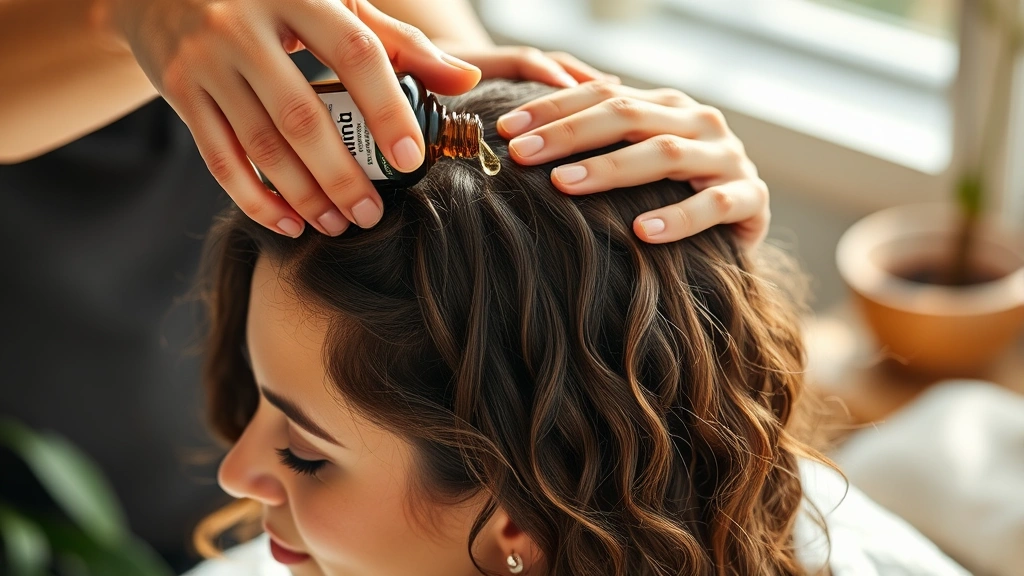
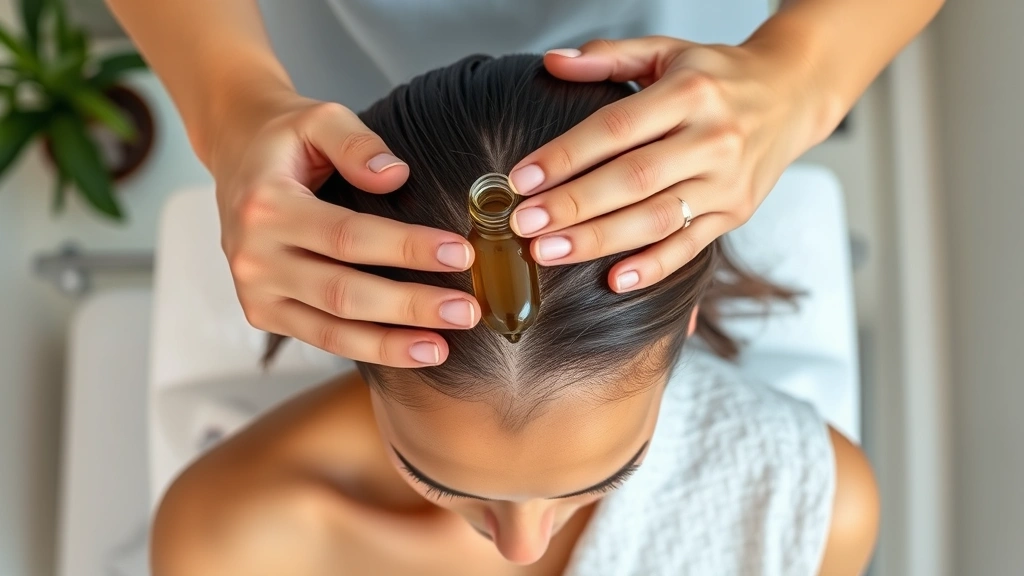
Maximizing biotin oil benefits requires proper application technique and consistent routine integration. Begin by sectioning hair into four quadrants using clips, then apply biotin oil directly to the scalp using the applicator bottle tip. Work methodically across each section, ensuring the oil contacts scalp skin rather than merely coating hair strands.
Massage the scalp gently for 5-10 minutes using circular motions with your fingertips. This massage increases blood circulation to hair follicles, enhancing nutrient delivery and oxygen supply. Increased blood flow directly correlates with improved hair growth rates and follicle health, making this step essential rather than optional.
Leave biotin oil on the scalp for at least 30 minutes—overnight treatment proves even more effective. Some individuals prefer wearing a shower cap to prevent oil transfer to pillows and clothing. Shampoo thoroughly afterward, using a clarifying shampoo if necessary to remove residual oil completely.
Application frequency matters significantly: 2-3 times weekly provides optimal results without overwhelming the scalp or creating buildup that impedes follicle function. Consistency trumps intensity; regular moderate application outperforms sporadic heavy-handed treatments. Track results photographically and note changes in hair texture, shedding volume, and growth rate over 12 weeks.
Combine biotin oil with complementary practices: maintain motivation toward consistent self-care routines, prioritize stress reduction, and ensure adequate sleep. These lifestyle factors profoundly influence hair health through hormonal regulation and cellular repair mechanisms.
Combining Biotin with Other Hair Health Strategies
Biotin oil achieves maximum effectiveness when integrated into comprehensive hair health protocols rather than used in isolation. Nutritional support forms the foundation: adequate protein intake (hair is primarily keratin), iron sufficiency, zinc availability, and B-complex vitamin consumption all influence hair growth rates. Biotin supplementation amplifies these nutritional foundations but cannot compensate for deficient baseline nutrition.
Stress management directly impacts hair health through cortisol elevation, which can trigger telogen effluvium and accelerate androgenetic alopecia progression. Implementing goal-setting strategies for wellness practices—meditation, exercise, adequate sleep—creates synergistic benefits for hair and overall health. These lifestyle modifications often produce more dramatic hair improvements than topical treatments alone.
Scalp health determines hair growth potential more than any single product. Gentle shampooing, avoiding excessive heat styling, minimizing chemical treatments, and protecting hair during sleep all preserve follicle function. Microfiber towels and silk pillowcases reduce mechanical stress on fragile growing hairs, complementing biotin oil’s biochemical support.
Consider laser therapy, platelet-rich plasma (PRP) treatments, or minoxidil as evidence-based adjuncts to biotin protocols. These interventions address different hair loss mechanisms, allowing targeted combination therapy. Dermatologists increasingly recommend multi-modal approaches rather than single-intervention strategies for optimal outcomes.
Tracking progress through digital documentation enables objective assessment. Photograph hair from consistent angles monthly, maintain detailed records of product usage and lifestyle factors, and monitor changes in hair density, texture, and shedding patterns. This data-driven approach mirrors productivity optimization principles applied to personal health management.
Potential Side Effects and Safety Considerations
Biotin oil presents minimal systemic side effects due to biotin’s water-soluble nature—excess amounts are excreted through urine rather than accumulating in body tissues. However, topical application can produce localized reactions: scalp irritation, allergic contact dermatitis, or folliculitis from excessive oil application or poor hygiene during application.
Individuals with sensitive scalps should perform patch tests before full application, applying small amounts behind the ear or on a small scalp section and monitoring for 24 hours. Carrier oils within biotin products may trigger reactions in prone individuals; coconut oil, for instance, causes folliculitis in some people despite its generally beneficial properties.
High-dose biotin supplementation (beyond 10 mg daily) may interfere with certain laboratory tests, potentially producing false results for thyroid function tests and troponin levels. Inform healthcare providers of biotin supplementation before blood work to ensure accurate interpretation. Pregnant and nursing individuals should consult healthcare providers before biotin supplementation, though current evidence suggests safety at recommended doses.
Biotin interacts minimally with medications, but individuals taking anticonvulsants, antibiotics, or other medications affecting B-vitamin metabolism should discuss supplementation with their healthcare provider. Additionally, biotin deficiency can result from certain conditions (inflammatory bowel disease, biotinidase deficiency) or medications (long-term antibiotic use), making professional evaluation essential before self-treating hair loss.
Quality variation among biotin oil products creates inconsistency: some products contain minimal actual biotin despite marketing claims, while others include unnecessary additives or allergens. Research product reviews, verify third-party testing certifications, and purchase from reputable manufacturers to ensure product integrity.
FAQ
How long does biotin oil take to show results for hair growth?
Hair growth cycles require 3-6 months minimum to demonstrate measurable change. Hair typically grows approximately 0.5 inches monthly, and follicles must complete their growth phase before visible results emerge. Some individuals notice reduced shedding within 4-6 weeks, but thicker, longer hair requires patience and consistency. Biotin’s effects accumulate gradually rather than producing dramatic overnight transformation.
Can biotin oil treat male pattern baldness?
Biotin oil shows limited effectiveness for androgenetic alopecia (male pattern baldness) when used alone, as this condition involves genetic sensitivity to DHT (dihydrotestosterone) rather than simple nutritional deficiency. However, biotin may provide modest benefits in early-stage hair loss when combined with proven treatments like minoxidil or finasteride. Dermatologists recommend these evidence-based interventions as primary treatments, with biotin as complementary support.
Is oral biotin supplementation better than topical biotin oil?
Oral biotin supplementation reaches hair follicles through systemic circulation, making it theoretically more effective for systemic hair health. Topical biotin oil primarily benefits the scalp surface and outer hair shaft. Most dermatologists recommend oral biotin supplementation as the primary approach, with topical oil as an optional complementary treatment. Combining both modalities may provide enhanced benefits for some individuals.
What’s the difference between biotin oil and regular hair oils?
Biotin oil specifically contains biotin (vitamin B7) as an active ingredient, providing biochemical support for keratin production and cellular energy metabolism. Regular hair oils (coconut, argan, jojoba) primarily offer moisturizing and protective benefits without the vitamin’s metabolic contributions. Biotin oil combines biotin’s nutritional properties with carrier oils’ conditioning effects, creating a multi-functional product addressing both scalp health and hair shaft integrity.
Can I use biotin oil if I have oily hair?
Individuals with naturally oily hair should reduce application frequency to once weekly or use lighter biotin formulations designed for oily scalps. Excessive oil application can worsen sebum production, clog follicles, and promote folliculitis. Consider biotin supplements instead of topical oil, or select biotin products specifically formulated for oily hair types. Clarifying shampoos help manage buildup from topical biotin treatments.
Does biotin oil prevent hair loss?
Biotin oil cannot prevent genetically-determined hair loss but may slow progression in early stages by strengthening existing hair and optimizing follicle function. Preventing hair loss requires addressing underlying causes: managing stress, maintaining nutritional adequacy, treating hormonal imbalances, and avoiding damaging practices. Biotin functions best as preventive maintenance when baseline biotin status is inadequate, rather than as a universal preventive for all hair loss types.


