Boost Brow Growth Naturally? Expert Tips Inside
Your eyebrows frame your face and express emotion, yet many people struggle with sparse, thin, or slow-growing brows. Whether you’ve over-plucked in the past, experienced natural hair loss, or simply want fuller eyebrows, the good news is that natural solutions exist. Unlike invasive procedures or harsh chemicals, natural brow growth methods work with your body’s biology to stimulate hair follicles, strengthen existing hairs, and promote healthy regrowth over time.
Finding the best brow growth serum doesn’t require expensive treatments or prescription medications. Science-backed natural ingredients, combined with proper hair care habits and lifestyle choices, can deliver remarkable results. This comprehensive guide explores evidence-based strategies to enhance brow growth naturally, from topical serums to nutritional support and daily habits that accelerate results.
Understanding Eyebrow Hair Growth Cycles
Before implementing any personal growth strategy for your brows, understanding hair biology is essential. Eyebrow hair follows a natural growth cycle with three distinct phases: the anagen (growth) phase, catagen (transition) phase, and telogen (resting) phase. Most eyebrow hairs remain in the growth phase for 3-4 months, which is significantly shorter than scalp hair cycles.
This shorter cycle means eyebrow hair naturally sheds more frequently. However, it also presents an opportunity: by supporting hair health during the growth phase, you can maximize thickness and length. Hair follicles require specific nutrients, blood circulation, and hormonal balance to produce strong, healthy hairs. When any of these elements are deficient, hair becomes thin, brittle, or stops growing altogether.
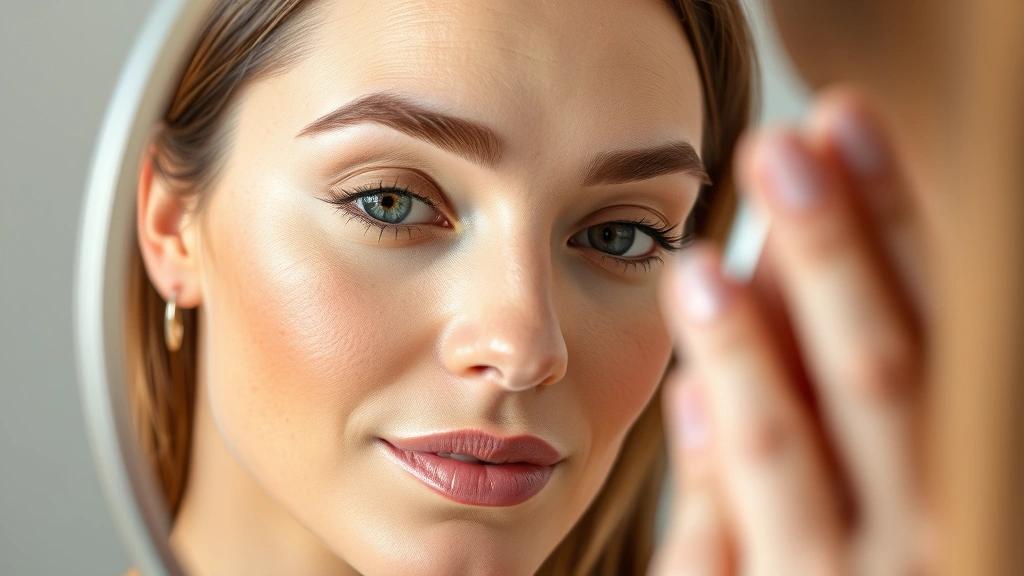
The follicle’s health depends on dermal papilla cells—specialized cells at the hair root that receive nutrients and signals. These cells respond to growth factors, amino acids, vitamins, and minerals. Natural brow growth serums work by delivering these nutrients directly to follicles while stimulating blood flow to the eyebrow region.
[IMAGE_1]
Natural Ingredients in Top Brow Growth Serums
The most effective natural brow growth serums contain clinically-studied ingredients that address multiple aspects of hair health. Understanding these ingredients helps you evaluate products and create your own formulations.
Castor Oil: This ancient remedy contains ricinoleic acid, omega-6 and omega-9 fatty acids, and vitamin E. Research published in Phytotherapy Research demonstrates that castor oil increases blood flow to hair follicles and provides anti-inflammatory benefits. It penetrates the hair shaft, moisturizing from within while strengthening follicles.
Biotin: Also called vitamin B7, biotin supports keratin production—the primary protein in hair. A study in Skin Appendage Disorders found that biotin supplementation improved hair growth and reduced hair loss. Many premium brow serums include biotin for this reason.
Peptides: These amino acid chains signal hair follicles to enter the growth phase and stay longer in that phase. Peptides like myristoyl pentapeptide-17 have shown promising results in extending the anagen phase, leading to longer, fuller brows.
Panthenol: This provitamin B5 derivative hydrates hair and scalp, reducing brittleness and breakage. It also has anti-inflammatory properties that calm irritated skin around eyebrows.
Hyaluronic Acid: While primarily known for skin hydration, hyaluronic acid creates an optimal environment for hair growth by maintaining follicle moisture and elasticity.
Plant Extracts: Green tea extract, ginseng, and saw palmetto contain antioxidants and compounds that block DHT (dihydrotestosterone), a hormone that can shrink hair follicles in genetically predisposed individuals. These extracts also improve circulation and reduce inflammation.
DIY Natural Brow Growth Remedies
Creating your own brow growth serum puts you in control of ingredients and costs significantly less than commercial products. Here are proven DIY formulations:
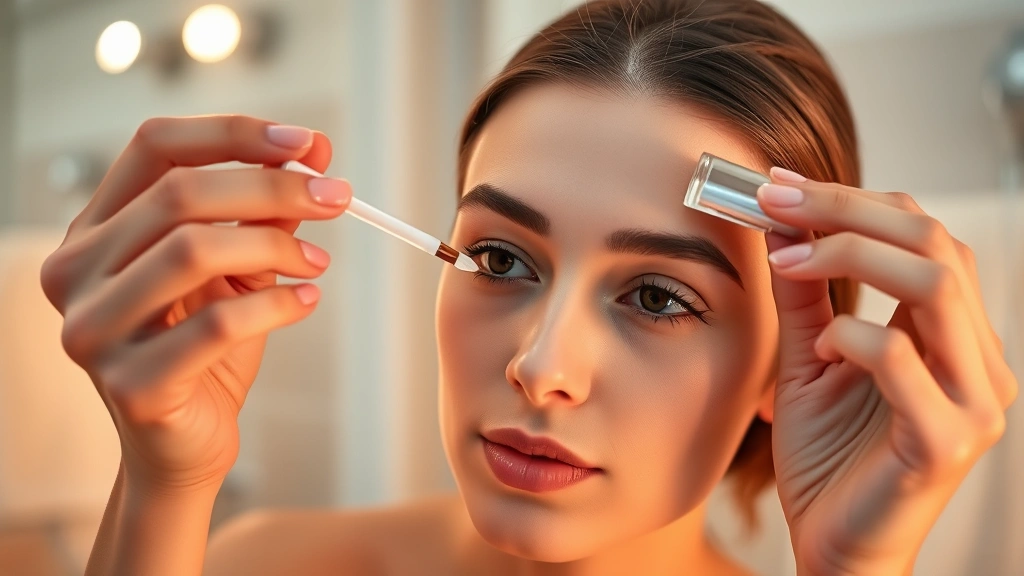
Basic Castor Oil Serum: Mix equal parts castor oil and vitamin E oil. Add 2-3 drops of rosemary essential oil per tablespoon of base oils. Rosemary oil stimulates circulation and contains compounds that may block DHT. Apply nightly using a clean mascara wand or small brush.
Enhanced Growth Formula: Combine castor oil, coconut oil, and jojoba oil as your base. Add biotin powder (available online), a few drops of lavender essential oil for its antimicrobial properties, and a small amount of peptide serum if you can source it. This comprehensive formula addresses moisture, growth signaling, and follicle health simultaneously.
Stimulating Massage Oil: Mix castor oil with ginger essential oil and black seed oil. Ginger increases blood flow through its warming properties, while black seed oil (also called nigella sativa oil) contains thymoquinone, a compound showing promise in hair growth studies. Massage gently onto eyebrows in circular motions for 2-3 minutes daily.
Application technique matters as much as ingredients. Always use a clean applicator to prevent infection. Apply serums to clean, dry skin. Massage gently in circular motions to stimulate circulation. Most people see optimal results with nightly application, though twice-daily use is acceptable for serums with lighter oils.
Nutritional Support for Hair Health
External serums work best when supported by internal nutrition. Hair growth requires specific vitamins and minerals that your body cannot manufacture, making dietary intake crucial. This aligns with comprehensive approaches to self-improvement that address multiple life areas simultaneously.
Protein: Hair is 95% protein. Insufficient protein intake forces your body to allocate available amino acids to vital organs, leaving hair follicles undernourished. Aim for 0.8-1g of protein per pound of body weight daily from sources like eggs, fish, legumes, and poultry.
Iron: Iron deficiency directly correlates with hair loss and slowed growth. Iron carries oxygen to hair follicles. Women of childbearing age should consume 18mg daily; men and postmenopausal women need 8mg. Red meat, spinach, and fortified cereals are excellent sources.
Zinc: This mineral regulates sebum production and supports hair follicle health. Deficiency causes telogen effluvium (excessive shedding). Consume 8-11mg daily from oysters, beef, pumpkin seeds, and chickpeas.
Vitamin D: Research in Dermatology Practical & Conceptual links vitamin D deficiency to various hair loss conditions. Vitamin D receptors exist on hair follicles, suggesting direct involvement in growth cycles. Aim for 1000-2000 IU daily through sunlight exposure, fatty fish, or supplementation.
B Vitamins: The B-complex supports energy production in follicle cells. Biotin (B7), niacin (B3), and pantothenic acid (B5) specifically enhance hair health. Include whole grains, eggs, and leafy greens in your diet.
Omega-3 Fatty Acids: These anti-inflammatory fats nourish hair follicles and reduce scalp inflammation. Consume fatty fish twice weekly or take algae-based supplements if vegetarian.
Consider a hair-specific supplement containing these nutrients, but prioritize whole foods first. Supplements work best as insurance when dietary intake is insufficient.
Daily Habits That Accelerate Brow Growth
Beyond serums and nutrition, daily behaviors significantly impact brow growth. These habits cost nothing but consistency and create compounding results over weeks and months.
Stop Over-Plucking: This seems obvious, but over-plucking is the primary cause of slow brow growth. Plucking damages the follicle with repeated trauma. If you’ve over-plucked for years, follicles may be permanently damaged. However, most follicles recover if left alone for 2-3 months. Resist the urge to pluck stray hairs during your growth period.
Massage Daily: Gentle massage increases blood flow to hair follicles, delivering nutrients and oxygen. Spend 2-3 minutes daily massaging your eyebrows in circular motions using your fingertips. This simple habit costs nothing and produces measurable results within weeks.
Stay Hydrated: Dehydration reduces blood flow and makes hair brittle. Drink half your body weight in ounces of water daily. Proper hydration supports every biological process, including hair growth.
Manage Stress: Chronic stress elevates cortisol, which can push hair follicles into the telogen phase prematurely. Practices like meditation, exercise, and adequate sleep reduce stress hormones. Consider exploring growth mindset concepts that reframe challenges as opportunities, reducing psychological stress.
Sleep Adequately: Hair growth accelerates during sleep when growth hormone peaks. Aim for 7-9 hours nightly. Poor sleep disrupts hormonal balance and increases inflammation, both detrimental to hair growth.
Exercise Regularly: Physical activity improves circulation, reduces stress, and supports hormonal balance. Even 30 minutes of moderate exercise daily enhances blood flow to all body tissues, including hair follicles.
Avoid Harsh Makeup: Heavy eyebrow makeup, especially products left on overnight, can damage hairs and irritate follicles. If wearing makeup, use clean brushes and remove thoroughly with gentle cleansers. Consider makeup-free days to allow follicles to breathe.
What to Avoid When Growing Eyebrows
As important as what you do is what you avoid. Certain practices directly sabotage brow growth efforts.
Avoid Waxing and Threading: While plucking damages individual follicles, waxing and threading remove multiple hairs simultaneously and can damage surrounding skin. During your growth phase, avoid these methods entirely. If you must remove stray hairs, pluck individual hairs carefully rather than removing multiple hairs at once.
Limit Chemical Treatments: Eyebrow tinting, perming, and relaxing treatments expose delicate brow hairs to harsh chemicals. These can weaken hairs and damage follicles. If you use these services, space them far apart and use nourishing serums between treatments.
Avoid Rubbing Eyes: Constant eye rubbing, whether from allergies or habits, can pull out brow hairs and irritate follicles. If you have allergies, treat them with antihistamines or consult an allergist rather than rubbing.
Don’t Use Expired Products: Old serums and oils can develop rancid compounds that irritate skin rather than nourish it. Replace products every 6-12 months depending on storage conditions.
Avoid Smoking: Smoking reduces blood flow throughout the body, including to hair follicles. It also increases oxidative stress and inflammation, both detrimental to hair growth. If you smoke, this provides another compelling reason to quit.
Limit Alcohol Consumption: Excessive alcohol dehydrates the body and depletes B vitamins essential for hair growth. Moderate consumption is fine, but heavy drinking sabotages growth efforts.
Timeline and Realistic Expectations
Understanding realistic timelines prevents frustration and keeps you committed to the process. Brow growth is slower than many expect because eyebrow hairs have shorter growth cycles than scalp hair.
Weeks 1-4: Initial changes are minimal. You may notice slightly healthier-looking existing brows and reduced shedding. The serum and serums are nourishing follicles, but new visible growth is limited. This period tests patience; consistency is critical.
Weeks 5-8: New baby hairs begin appearing at the brow line. These are fine and light-colored, but they represent new growth. Existing hairs appear slightly thicker and healthier. Massage and serum application become noticeably pleasant as you see early results.
Weeks 9-12: Visible transformation begins. New hairs are longer and more noticeable. The overall brow appears fuller, though hairs are still relatively short. Many people see results encouraging them to continue.
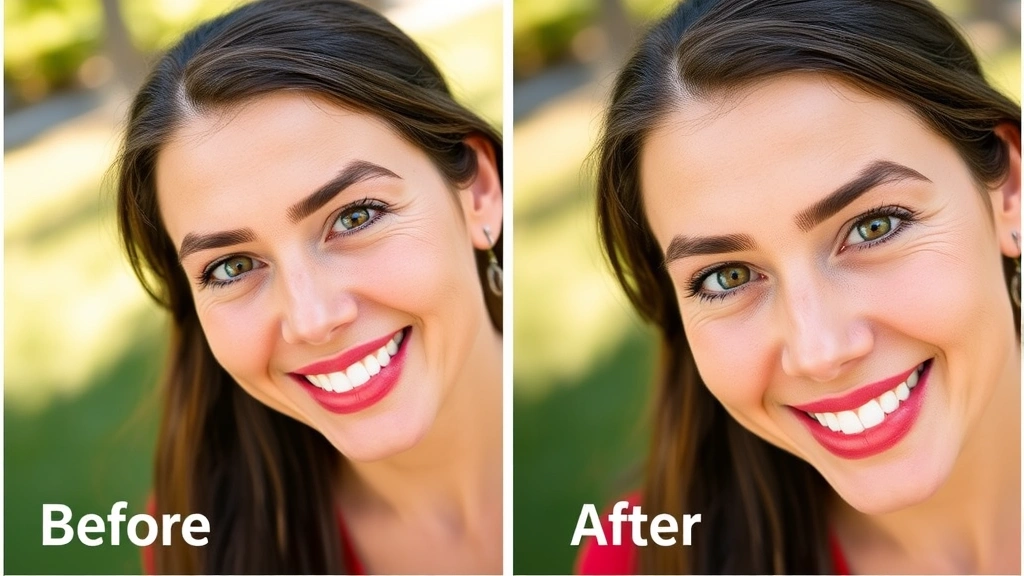
Months 4-6: Significant improvement becomes obvious. New hairs have grown substantially, and the overall brow shape is noticeably fuller. This is when friends and family begin commenting on changes.
Months 6-12: Maximum results typically appear after 6 months of consistent effort. Most people achieve the fullest, longest brows possible through natural methods during this window. Some continue seeing improvements up to 12 months.
Results vary based on genetics, age, previous damage, and consistency. Younger people typically see faster results, while those with extensive previous plucking may need longer recovery periods. The key is viewing brow growth as a long-term investment in your appearance, similar to how investing in self-growth through reading delivers compound returns over time.
FAQ
How long does it take to see brow growth results?
Most people notice visible improvement within 8-12 weeks of consistent serum use combined with healthy habits. Full transformation typically takes 4-6 months. Patience and consistency are essential, as brow hair cycles are naturally slower than scalp hair.
Can natural serums really work as well as prescription treatments?
Natural serums work through different mechanisms than prescription treatments like bimatoprost. While prescription options may produce faster results, natural serums deliver sustainable, long-term improvements without side effects. Many people achieve excellent results naturally when they maintain consistency and support with proper nutrition.
Is castor oil safe to apply near eyes?
Castor oil is generally safe for eyebrow application and has been used for centuries. However, avoid getting it directly in your eyes. Apply to the brow area only, using a clean applicator. If you have sensitive eyes or experience irritation, discontinue use.
Can men use brow growth serums?
Absolutely. Brow growth serums work identically for men and women. Men may experience even faster results due to higher testosterone, which can enhance hair growth when follicles are properly nourished.
What if I have over-plucked for years?
Even severely over-plucked brows can recover. Most follicles remain viable and will regrow if given 2-3 months without plucking. Some follicles may be permanently damaged, but usually 70-80% of follicles recover. Combine serums with the habits outlined here for optimal recovery.
Should I take biotin supplements or use topical biotin?
Both approaches are valuable. Topical biotin in serums works directly on follicles. Oral biotin supplements support overall hair health from within. For best results, use both: topical serum daily and a supplement containing biotin as part of your nutritional support.
Can stress really affect brow growth?
Yes, chronic stress elevates cortisol, which can push hair follicles into the resting phase prematurely. Stress also impairs nutrient absorption and increases inflammation. Managing stress through exercise, meditation, and adequate sleep directly supports hair growth. Explore motivational resources for stress management to support this effort.
Are there any side effects from natural brow growth serums?
Natural serums are generally well-tolerated. Occasionally, people experience minor irritation from essential oils or allergic reactions to specific ingredients. Always patch-test new products on a small area first. Discontinue if you experience persistent irritation.


