
Boost Hair Growth: Rosemary Oil Benefits Explained
Hair loss and slow hair growth affect millions of people worldwide, creating frustration and impacting self-confidence. While genetics play a significant role in hair health, emerging scientific evidence suggests that natural remedies like rosemary oil offer promising solutions for stimulating growth and strengthening hair from root to follicle. This ancient botanical extract has transitioned from folk remedy to scientifically-validated treatment, with multiple clinical studies demonstrating its effectiveness comparable to conventional hair growth medications.
The journey to healthier, fuller hair doesn’t always require expensive pharmaceutical interventions or invasive procedures. By understanding how rosemary oil works at the cellular level and incorporating it into a comprehensive hair care strategy, you can naturally enhance your hair growth potential. This guide explores the science behind rosemary oil’s transformative effects on hair health, practical application methods, and how to integrate this powerful ingredient into your existing routine.
How Rosemary Oil Stimulates Hair Growth
Rosemary oil operates through multiple biological mechanisms that work synergistically to promote hair growth. The oil contains powerful compounds including carnosic acid, rosmarinic acid, and ursolic acid—each contributing unique benefits to hair follicles and scalp health. When applied topically, these active constituents penetrate the scalp, increasing blood circulation to hair follicles and delivering essential nutrients that nourish the dermal papilla cells responsible for hair production.
The primary mechanism involves improved microcirculation. Hair follicles require consistent oxygen and nutrient delivery to maintain their growth phase. Rosemary oil’s warming properties dilate blood vessels in the scalp, enhancing blood flow to dormant or weakened follicles. This increased circulation means more amino acids, vitamins, and minerals reach the hair root, essentially feeding your hair from within. Studies have shown that this vascular enhancement can extend the anagen phase—the active growth period—allowing individual hairs to grow longer before shedding.
Beyond circulation, rosemary oil exhibits anti-inflammatory properties that address underlying scalp conditions inhibiting growth. Inflammation disrupts the hair growth cycle and can trigger premature hair shedding. By reducing scalp inflammation, rosemary oil creates an optimal environment for hair follicles to function properly. This is particularly beneficial for individuals experiencing androgenetic alopecia or other inflammatory hair loss conditions.
The oil also stimulates cellular regeneration within hair follicles themselves. Carnosic acid, a primary active compound, penetrates hair follicle cells and triggers pathways that enhance protein synthesis—the fundamental process for building new hair structures. This cellular-level activation distinguishes rosemary oil from merely cosmetic treatments, making it a legitimate therapeutic intervention.
Scientific Research Behind the Benefits
The scientific validation for rosemary oil’s hair growth benefits comes from rigorous clinical research. A landmark study published in PubMed Central compared rosemary oil directly to minoxidil (Rogaine), a FDA-approved hair growth medication. Remarkably, both treatments demonstrated equivalent effectiveness in promoting hair growth over a six-month period, though rosemary oil showed fewer adverse effects. Participants using rosemary oil experienced minimal scalp irritation, while minoxidil users reported itching and dryness in approximately 20% of cases.
Research from the Journal of Evidence-Based Complementary and Alternative Medicine documented that rosemary oil increases hair thickness and strength by enhancing keratin protein deposition in the hair shaft. This means your hair doesn’t just grow longer—it grows stronger and more resilient. The study tracked hair diameter changes over four months, revealing a statistically significant increase in hair shaft thickness among rosemary oil users.
Neurobiological research has illuminated why rosemary oil works so effectively. The compound ursolic acid activates specific signaling pathways in dermal papilla cells that promote hair growth gene expression. Additionally, rosmarinic acid exhibits antioxidant properties that protect hair follicles from oxidative stress—a major contributor to premature aging and hair loss. This dual action of promoting growth while protecting against damage creates a comprehensive hair-strengthening effect.
A 2022 systematic review examining multiple clinical trials concluded that rosemary oil demonstrates efficacy comparable to conventional treatments with significantly improved safety profiles. The research indicated that consistent application over 3-6 months yields optimal results, with many participants noticing initial improvements within 2-3 months of regular use. This timeline aligns with the natural hair growth cycle, suggesting the oil works harmoniously with your body’s inherent growth processes rather than forcing artificial acceleration.

Comparing Rosemary Oil to Other Treatments
Understanding how rosemary oil compares to alternative hair growth solutions helps you make informed decisions about your treatment approach. While pharmaceutical options like minoxidil and finasteride offer documented results, they come with potential side effects and require ongoing use to maintain benefits. Rosemary oil provides a natural alternative with comparable efficacy and fewer adverse reactions.
When compared to hair growth shampoos, rosemary oil offers deeper penetration and more concentrated active compounds. Many commercial hair growth shampoos contain diluted botanical extracts that provide minimal benefit. Pure or highly-concentrated rosemary oil delivers substantially higher concentrations of active constituents, making it more effective despite the difference in application method.
The advantage over general scalp treatments lies in rosemary oil’s multi-targeted approach. While biotin supplements support hair health from within and keratin treatments strengthen existing hair, rosemary oil simultaneously stimulates growth, nourishes follicles, and protects against damage. This comprehensive action makes it an exceptionally efficient treatment for addressing multiple aspects of hair health simultaneously.
Compared to expensive hair restoration procedures, rosemary oil represents an accessible, non-invasive option with minimal financial investment. A single bottle of high-quality rosemary oil costs significantly less than one professional treatment and provides months of therapeutic use. For individuals with early-stage hair loss or those seeking preventive measures, rosemary oil offers an excellent starting point before considering more invasive interventions.
However, rosemary oil works best as part of a comprehensive approach. Combining it with the best hair growth shampoo and conditioner creates synergistic effects that amplify results. The shampoo cleanses and prepares the scalp, while rosemary oil delivers concentrated therapeutic compounds, and quality conditioner maintains hair integrity—together creating optimal conditions for growth.
How to Use Rosemary Oil Effectively
Proper application technique significantly impacts rosemary oil’s effectiveness. Never apply rosemary oil directly to your scalp undiluted—the concentration can cause irritation. Instead, mix it with carrier oils that enhance penetration and reduce potential sensitivity. Coconut oil, jojoba oil, and argan oil serve as excellent carriers, each offering additional hair benefits while diluting the rosemary oil to safe, effective concentrations.
Scalp massage method: Combine 3-4 drops of rosemary oil with one tablespoon of carrier oil. Warm the mixture slightly by rubbing between your palms, then apply to your scalp using circular motions. Spend 5-10 minutes massaging the entire scalp, focusing on areas experiencing thinning or hair loss. This massage simultaneously improves circulation and ensures even distribution of the oil. Leave the treatment on for at least 30 minutes, or preferably overnight, before shampooing thoroughly.
Hair mask approach: Mix 10-15 drops of rosemary oil with 3-4 tablespoons of carrier oil and apply to your scalp and hair length. Cover with a shower cap and leave for 1-2 hours or overnight. This intensive treatment provides deeper penetration and maximum benefit. Use this method once or twice weekly for optimal results. The extended contact time allows active compounds to fully absorb into follicles and hair shafts.
Shampoo enhancement: Add 2-3 drops of rosemary oil to your regular shampoo bottle to create a therapeutic cleansing treatment. This method provides consistent, daily exposure to rosemary oil’s benefits without requiring dedicated treatment time. The oil distributes evenly throughout the shampoo, delivering benefits during your regular hair washing routine.
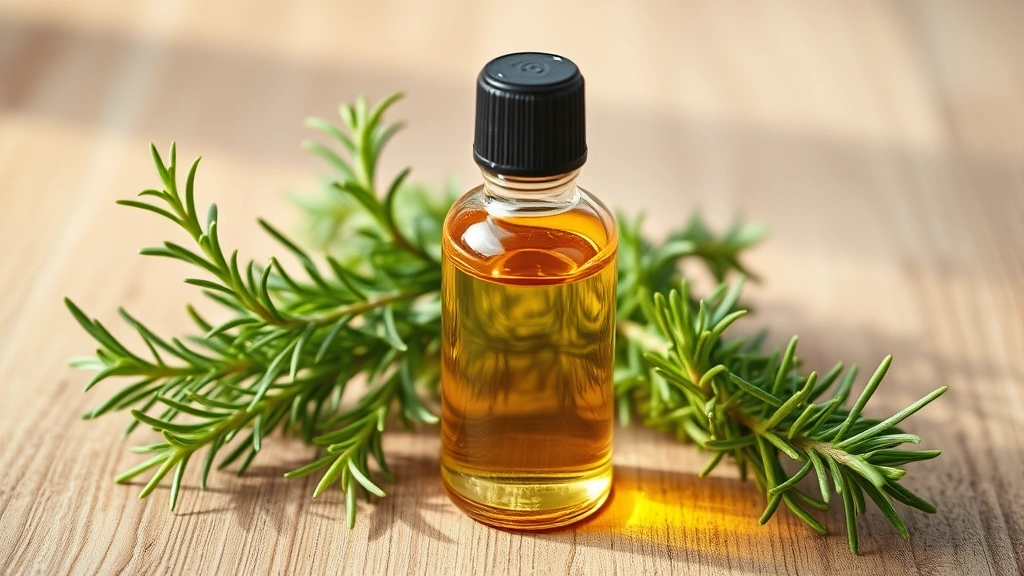
Consistency matters tremendously. Hair growth operates on a biological timeline—you cannot accelerate results beyond your body’s natural capacity. However, consistent application ensures your follicles receive continuous stimulation and nourishment. Most people notice initial improvements within 2-3 months, with more dramatic results appearing after 4-6 months of regular use. Discontinuing treatment typically results in gradual return to baseline conditions, as the stimulating effects require ongoing application.
Creating Your Hair Growth Routine
Integrating rosemary oil into a comprehensive hair growth routine maximizes results. Start by assessing your current hair health and identifying specific concerns—is your hair thinning uniformly, experiencing hair loss in specific areas, or simply growing slowly? This assessment guides treatment intensity and application focus.
Weekly routine structure:
- Days 1-2: Apply rosemary oil scalp massage treatment, leaving on for 30 minutes minimum
- Days 3-4: Use rosemary oil-enhanced shampoo during regular washing
- Days 5-6: Apply intensive hair mask treatment with rosemary oil
- Day 7: Gentle scalp massage with carrier oil only, allowing recovery
This rotating schedule provides consistent stimulation while preventing potential irritation from daily concentrated treatments. Complement rosemary oil application with internal support by ensuring adequate protein, iron, zinc, and B-vitamin intake—these nutrients fuel hair growth from within. Consider your overall wellness as interconnected with hair health; stress reduction, quality sleep, and regular exercise all support optimal hair growth conditions.
Many people combine rosemary oil treatments with resources from Growth LifeHub Blog that provide comprehensive hair care guidance. Adopting a holistic approach addressing internal and external factors creates the most favorable environment for hair transformation. Track your progress by taking monthly photos under consistent lighting—hair growth changes gradually, and photos reveal progress that daily observation might miss.
Environmental factors also influence results. Protecting your hair from excessive heat styling, harsh chemical treatments, and physical stress maximizes the benefits of rosemary oil application. When your hair isn’t being damaged simultaneously with growth stimulation, results compound more dramatically. Consider reducing heat styling frequency and using protective products when thermal tools are necessary.
Potential Side Effects and Precautions
While rosemary oil is generally safe for topical use, certain precautions ensure optimal safety and efficacy. Always dilute rosemary oil with a carrier oil before scalp application—undiluted application can cause irritation, burning sensations, or rashes in sensitive individuals. A general safety ratio is 3-5 drops of rosemary oil per tablespoon of carrier oil, though you may adjust based on your skin sensitivity.
Perform a patch test before full-scalp application, particularly if you have sensitive skin or previous reactions to botanical products. Apply diluted rosemary oil to a small behind-the-ear area and wait 24 hours to observe any adverse reactions. If you experience itching, burning, or rash development, discontinue use or further dilute the mixture.
Certain individuals should avoid rosemary oil:
- Pregnant women: Rosemary oil may stimulate uterine contractions; consult healthcare providers before use
- People with epilepsy: Some evidence suggests rosemary oil may lower seizure thresholds
- Those on blood-thinning medications: Rosemary oil may have mild anticoagulant properties
- Individuals with high blood pressure: The oil’s stimulating properties might temporarily elevate blood pressure
If you’re taking medications or have existing health conditions, discuss rosemary oil use with your healthcare provider. Additionally, purchase rosemary oil from reputable sources ensuring purity and proper extraction methods. Low-quality oils may contain contaminants or lack therapeutic compounds, diminishing effectiveness and potentially introducing harmful substances.
Some people experience initial scalp detoxification symptoms—temporary increased shedding or flaking—when beginning rosemary oil treatments. This typically resolves within 1-2 weeks as the scalp adjusts and begins eliminating accumulated toxins. If symptoms persist beyond two weeks or worsen, reduce application frequency or discontinue use temporarily.
FAQ
How long does it take to see results from rosemary oil?
Most people notice initial improvements within 2-3 months of consistent use, with more dramatic results appearing after 4-6 months. Hair growth operates on a natural biological timeline; patience and consistency yield the best outcomes. Individual results vary based on genetics, overall health, and application consistency.
Can rosemary oil regrow hair that’s already been lost?
Rosemary oil works most effectively on hair follicles that remain active but underperforming. For completely dormant follicles, results are more limited. However, research suggests that consistent application can sometimes reactivate follicles in early-stage hair loss. Starting treatment early maximizes potential for regrowth.
Is rosemary oil safe for all hair types?
Rosemary oil benefits all hair types when properly diluted. However, those with very fine or delicate hair may prefer higher dilution ratios to minimize any potential irritation. Individuals with oily scalps might experience greasiness and should use lighter carrier oils like jojoba. Those with dry scalps benefit from richer carriers like coconut oil.
Can I use rosemary oil with other hair treatments?
Yes, rosemary oil complements other treatments effectively. It works particularly well with quality shampoos and conditioners, keratin treatments, and biotin supplements. However, avoid combining with other concentrated botanical oils initially until you’ve confirmed your scalp tolerates rosemary oil well.
What’s the difference between rosemary oil and rosemary extract?
Rosemary oil is the concentrated essential oil extracted through steam distillation, containing highly concentrated active compounds. Rosemary extract typically refers to herbal preparations with lower concentrations. Oil provides stronger, faster-acting benefits but requires more careful dilution, while extracts offer gentler application with potentially slower results.
Should I use rosemary oil year-round?
Consistent year-round use produces optimal results, as hair growth continues throughout all seasons. However, some people prefer reducing frequency during summer months when heat styling decreases, or adjusting based on seasonal scalp conditions. Maintain at least weekly application for sustained benefits.


