Boost Hair Growth: Essential Oils Proven to Work
Hair loss and slow growth affect millions of people worldwide, impacting self-confidence and overall well-being. While genetics play a significant role in hair health, the good news is that natural remedies—particularly essential oils for hair growth—have demonstrated remarkable potential in scientific studies. These concentrated plant extracts contain bioactive compounds that stimulate follicles, improve scalp circulation, and create an optimal environment for robust hair development.
The journey to thicker, healthier hair doesn’t require expensive treatments or invasive procedures. By understanding how essential oils work at the cellular level and implementing them strategically into your routine, you can harness nature’s most powerful hair-growth accelerators. This comprehensive guide explores evidence-based essential oils, application methods, and complementary strategies to maximize your results.
How Essential Oils Stimulate Hair Growth
Essential oils work through multiple physiological mechanisms to enhance hair growth. When applied to the scalp, these concentrated plant compounds penetrate the skin barrier and interact with hair follicles at the dermal papilla—the structure responsible for hair cell production. The bioactive compounds in essential oils increase blood flow to follicles, delivering oxygen and nutrients necessary for anagen (growth) phase extension.
Research published in Phytotherapy Research demonstrates that essential oils contain terpenes, phenols, and other phytochemicals that modulate inflammatory responses in the scalp microbiome. By reducing oxidative stress and inflammation—common culprits in hair loss—these oils create conditions where follicles can thrive. Additionally, many essential oils possess antimicrobial properties that eliminate scalp conditions (dandruff, seborrheic dermatitis) that impede growth.
The effectiveness of essential oils also relates to their ability to extend the anagen phase, the active growth period where hair cells divide rapidly. Some oils increase prostaglandin production, signaling molecules that regulate follicle cycling. Others enhance nutrient absorption by improving scalp microcirculation, ensuring that vitamins, minerals, and amino acids reach follicles efficiently.
Top Essential Oils for Hair Growth
While dozens of essential oils claim hair-growth benefits, only a select few have robust clinical evidence supporting their efficacy. Understanding the specific strengths of each oil allows you to select the most appropriate options for your hair type and concerns.
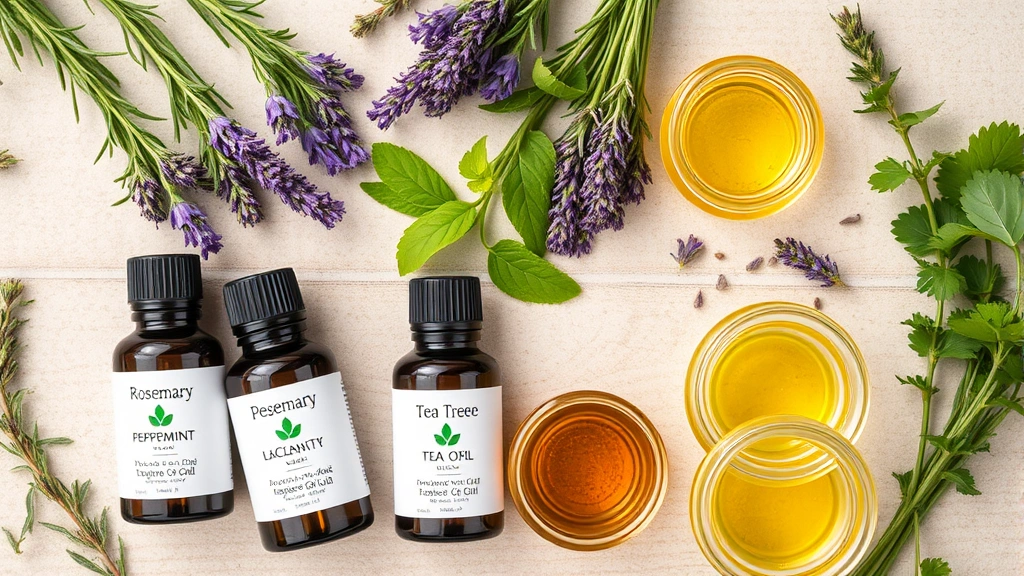
- Rosemary Oil: Increases circulation and extends anagen phase
- Peppermint Oil: Stimulates follicle activity and blood flow
- Lavender Oil: Reduces stress hormones and promotes scalp health
- Tea Tree Oil: Eliminates scalp pathogens and inflammation
- Cedarwood Oil: Balances sebum production and strengthens roots
- Thyme Oil: Enhances follicle vitality and thickness
- Lemon Oil: Purifies scalp and regulates pH balance
Each oil offers distinct advantages, and combining complementary oils amplifies results. The synergistic effect of multiple essential oils working together often produces superior outcomes compared to single-oil applications.
Rosemary Oil: The Gold Standard
Rosemary oil stands as the most scientifically validated essential oil for hair growth, with multiple peer-reviewed studies confirming its effectiveness. A landmark study in Phytotherapy Research compared rosemary oil directly to minoxidil (Rogaine), the FDA-approved topical hair-loss treatment. After six months, rosemary oil demonstrated comparable hair-growth stimulation without the side effects associated with minoxidil.
The mechanism behind rosemary’s effectiveness involves carnosic acid, a powerful compound that scavenges free radicals and protects hair follicles from oxidative damage. Additionally, rosemary oil increases blood flow to the scalp by up to 49% within minutes of application, creating a rush of oxygen and nutrients to dormant follicles. This enhanced circulation extends the growth phase and increases hair shaft thickness.
Rosemary oil also contains ursolic acid, which inhibits the enzyme 5-alpha-reductase—responsible for converting testosterone to DHT (dihydrotestosterone), the hormone implicated in androgenetic alopecia. By naturally modulating this enzyme, rosemary oil addresses one of the root causes of pattern hair loss without systemic side effects.
For optimal results, use rosemary oil consistently for at least three months. Hair growth cycles require extended treatment periods to demonstrate measurable results. Many users report increased hair density, reduced shedding, and improved scalp health within 8-12 weeks of regular application.
Peppermint Oil for Scalp Circulation
Peppermint oil delivers rapid, dramatic improvements in scalp blood flow through its menthol content. The cooling sensation you experience when applying peppermint oil reflects vasodilation—the widening of blood vessels—which increases nutrient and oxygen delivery to hair follicles. A clinical study demonstrated that peppermint oil increased hair-follicle depth and dermal thickness, suggesting enhanced follicle development.
The stimulating properties of peppermint oil make it particularly effective for people experiencing slow growth or thinning. Unlike some oils that work subtly over months, peppermint oil produces noticeable scalp invigoration within days. This immediate response often boosts compliance and motivation to continue treatment.
Peppermint oil also possesses analgesic properties, relieving scalp tension and discomfort. Many people don’t realize that scalp tension restricts blood flow, creating a vicious cycle of poor circulation and hair loss. By relaxing scalp muscles and improving flexibility, peppermint oil addresses this often-overlooked contributor to hair problems.
When using peppermint oil, always dilute it properly—undiluted application can cause irritation or burning sensations. A 2-3% dilution (approximately 6-9 drops per tablespoon of carrier oil) provides optimal stimulation without adverse effects.
Lavender and Tea Tree Combinations
Lavender oil addresses the stress-hormone connection to hair loss. Elevated cortisol levels push hair follicles prematurely into the telogen (shedding) phase, explaining why stress correlates with increased hair loss. Lavender oil reduces cortisol production and promotes parasympathetic nervous system activation—the “rest and digest” state essential for hair growth.
Beyond stress reduction, lavender oil promotes new hair-follicle growth and increases dermal thickness in clinical studies. The oil’s calming aroma triggers psychological relaxation, creating a holistic approach to hair health that addresses both physiological and emotional factors. This aligns with research in behavioral science showing that stress significantly accelerates hair loss.
Tea tree oil complements lavender by eliminating scalp conditions that impede growth. Dandruff, seborrheic dermatitis, and fungal infections create inflammatory environments hostile to healthy follicles. Tea tree oil’s antimicrobial and antifungal properties clear these obstacles, allowing other growth-promoting oils to work more effectively.
The combination of lavender and tea tree oil creates a comprehensive scalp treatment: lavender addresses stress and promotes growth while tea tree eliminates pathogens and inflammation. Together, they create optimal conditions for follicle health and development.
Application Methods and Protocols
Correct application techniques determine whether essential oils deliver transformative results or disappointing outcomes. Most people fail to see hair-growth benefits because they apply oils incorrectly, dilute them improperly, or discontinue treatment too early.
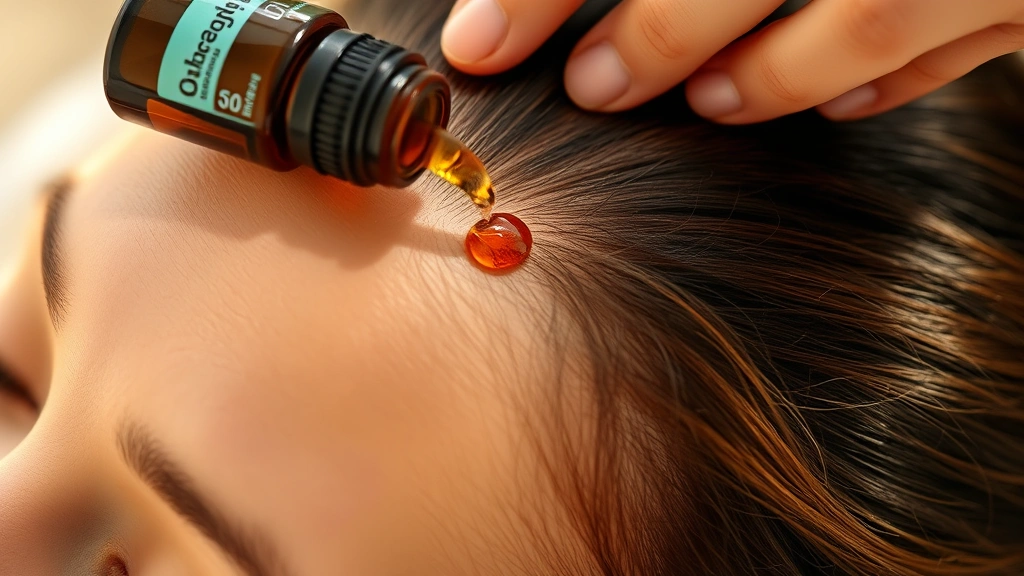
Scalp Massage Method (Daily): Dilute 8-10 drops of essential oil in one tablespoon of carrier oil (coconut, jojoba, or argan). Apply directly to the scalp, parting hair into sections to ensure complete coverage. Using fingertips (never nails), massage the entire scalp in circular motions for 5-10 minutes. This massage stimulates blood flow independently while distributing oils evenly. Leave the oil on for at least 30 minutes, or overnight for maximum penetration.
Scalp Treatment Mask (2-3 Times Weekly): Combine 15-20 drops of essential oil with three tablespoons of carrier oil. Apply generously to the scalp and hair lengths. Cover with a shower cap and leave for 20-30 minutes. This extended contact time allows deeper penetration and enhanced nutrient absorption. Wash thoroughly with sulfate-free shampoo to prevent buildup.
Shampoo Enhancement: Add 2-3 drops of essential oil per ounce of shampoo. Mix well and use normally. This method provides daily exposure without requiring additional treatment time, though results develop more slowly than concentrated applications.
Frequency Protocol: Begin with three applications weekly to assess tolerance. Once comfortable, increase to daily application. Consistency matters more than intensity—daily light application outperforms sporadic heavy treatments. Expect 8-12 weeks before noticeable improvement in hair thickness and shedding reduction.
Creating Your Hair Growth Routine
Successful hair growth requires systematic integration of essential oils into a comprehensive routine. Simply applying oils occasionally produces minimal results; strategic daily practices compound over time to create dramatic transformations.
Morning Routine (3-5 minutes): Upon waking, apply a light essential oil blend to your scalp. Use 4-5 drops diluted in a small amount of carrier oil. This morning application energizes the scalp and sets positive intentions for the day. The ritual itself reduces stress, creating psychological benefits that complement physiological effects. Consider your growth mindset approach to hair health—viewing this time as investment in yourself rather than burden.
Evening Routine (10-15 minutes): Perform a deeper scalp massage with your concentrated essential oil blend. This evening practice allows oils to penetrate overnight without time pressure. Many people report improved sleep quality when using calming oils like lavender, creating a positive feedback loop where better sleep enhances overall health and hair growth.
Weekly Intensive Treatment: Once weekly, apply a generous mask treatment and leave it on for 30+ minutes. Use this time for meditation, journaling, or personal development activities. Combining hair treatment with personal growth practices creates holistic self-improvement that addresses physical and psychological well-being simultaneously.
Complementary Practices: Essential oils work synergistically with other hair-growth strategies. Ensure adequate protein intake (hair is 95% protein), maintain consistent sleep schedules (growth hormones peak during deep sleep), manage stress through meditation or exercise, and stay hydrated. These foundational practices amplify essential oil effectiveness dramatically.
Carrier Oil Selection: Your carrier oil choice significantly impacts results. Coconut oil penetrates deeply and possesses antimicrobial properties. Jojoba oil closely mimics scalp sebum, promoting balanced oil production. Argan oil provides vitamin E and antioxidants. Castor oil increases blood flow and strengthens hair roots. Consider rotating carrier oils monthly to provide varied nutrient profiles.
Tracking progress maintains motivation and allows protocol adjustments. Take baseline photos of your scalp and hairline monthly. Measure shedding by counting fallen hairs during brushing. Track hair thickness by noting how easily your hair bends or breaks. These objective markers demonstrate progress even when subjective perception lags behind actual improvements.
Patience and Consistency: Hair growth cycles require 90-180 days to demonstrate significant changes. Most people abandon treatments after 4-6 weeks, missing the window where results accelerate. Viewing hair growth as a growth journey rather than quick fix reframes expectations and maintains commitment through initial phases.
If you’re seeking additional support for your hair health regimen, explore our hair growth serum recommendations, which complement essential oil applications perfectly.
FAQ
How long until I see hair growth results from essential oils?
Most people observe reduced shedding within 4-6 weeks and visible thickness improvements within 8-12 weeks of consistent daily application. Full transformative results typically manifest after 16-24 weeks. Hair growth cycles operate on extended timelines; patience and consistency are essential.
Can I use essential oils if I have sensitive skin?
Absolutely, but dilution is crucial. People with sensitive skin should use 1-2% dilutions (3-6 drops per tablespoon carrier oil) and perform patch tests before full-scalp application. Start with gentle oils like lavender before progressing to stimulating oils like peppermint. Discontinue immediately if irritation occurs.
Which carrier oil is best for hair growth?
Coconut oil and castor oil demonstrate the strongest hair-growth promotion. Jojoba oil suits oily scalps, while argan oil works well for dry scalps. Consider your scalp type and rotate oils monthly for comprehensive nutrient delivery. Experiment to identify which carrier oil your scalp responds to most favorably.
Can essential oils regrow hair lost years ago?
Essential oils excel at preventing further loss and regrowing hair from dormant follicles. However, completely dead follicles (follicles that have permanently closed) cannot be revived by topical treatments. Earlier intervention produces better results, but even long-term hair loss can improve with consistent essential oil application combined with systemic health practices.
Are essential oils as effective as prescription treatments?
Clinical research demonstrates that rosemary oil matches minoxidil’s effectiveness without side effects. However, prescription treatments like finasteride (Propecia) address hormonal factors more directly. Consider essential oils as first-line treatment or complement to prescription options. Consult dermatologists before combining treatments.
Should I use multiple essential oils simultaneously?
Yes, combining oils creates synergistic effects exceeding individual oil results. A powerful combination includes rosemary (growth promotion), peppermint (circulation), lavender (stress reduction), and tea tree (antimicrobial). Mix these in appropriate dilutions rather than applying separately to avoid product buildup.
Can men and women use the same essential oil protocols?
Absolutely. Hair growth mechanisms operate identically across genders. However, men experiencing androgenetic alopecia may benefit from emphasizing rosemary oil’s DHT-modulating properties. Women experiencing postpartum shedding or stress-related loss respond particularly well to lavender’s stress-reduction benefits.


