
Hair loss affects millions of people worldwide, prompting countless searches for natural remedies and scientifically-backed solutions. Among the most popular natural ingredients gaining attention is tea tree oil, a volatile essential oil derived from the leaves of the Australian tea tree plant. But does tea tree oil actually help with hair growth, or is it merely another wellness trend? This comprehensive guide explores what dermatologists and scientific research reveal about tea tree oil’s effectiveness for hair health and growth.
Understanding whether tea tree oil can genuinely support hair growth requires examining both traditional uses and modern clinical evidence. Many people turn to natural solutions as part of their broader personal growth journey, seeking to improve their physical appearance and confidence. The intersection of natural remedies and proven dermatological science offers valuable insights for anyone considering tea tree oil as a hair care solution.
This exploration combines expert dermatological perspectives with peer-reviewed research to provide you with evidence-based information. Whether you’re experiencing hair thinning, scalp issues, or simply seeking preventative care, understanding tea tree oil’s actual benefits—and limitations—empowers you to make informed decisions about your hair health regimen.
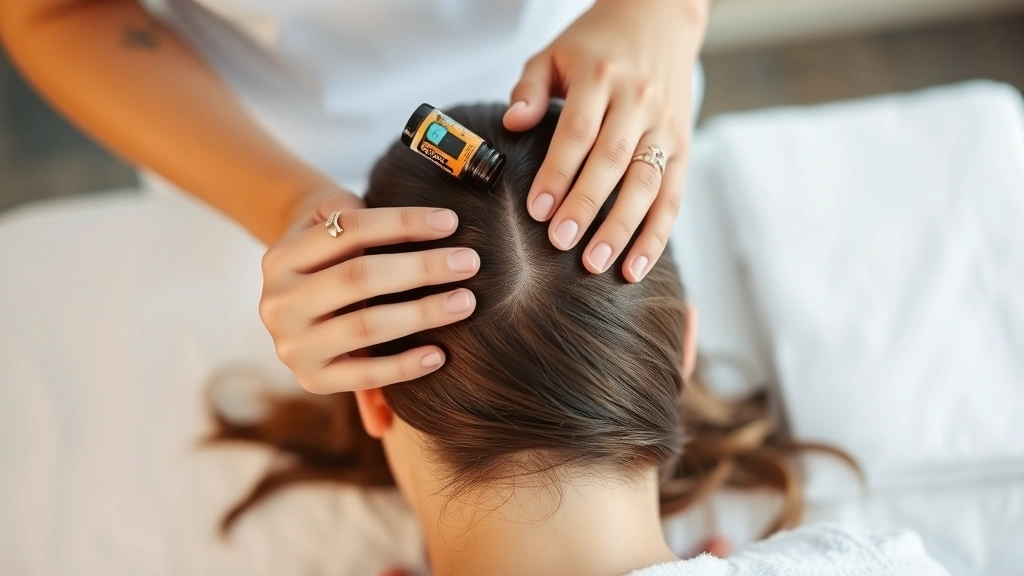
What Is Tea Tree Oil and How Does It Work?
Tea tree oil, scientifically known as Melaleuca alternifolia oil, has been used for centuries in traditional medicine, particularly by Aboriginal peoples in Australia. This essential oil contains numerous bioactive compounds including terpineol, cineole, and pinene, which contribute to its antimicrobial and anti-inflammatory properties. When applied to the scalp, these compounds theoretically work by penetrating the skin barrier and targeting various scalp conditions that might impede healthy hair growth.
The mechanism by which tea tree oil might support hair growth operates on several levels. First, its antimicrobial properties may help eliminate bacteria and fungi that contribute to scalp infections and inflammation. Second, its anti-inflammatory action could reduce scalp irritation and swelling that restricts blood flow to hair follicles. Third, by promoting a healthier scalp environment, tea tree oil may indirectly support the conditions necessary for robust hair growth. Understanding these mechanisms helps explain why dermatologists sometimes recommend it as a complementary treatment alongside conventional therapies.
However, it’s crucial to recognize that having antimicrobial properties doesn’t automatically translate to promoting hair growth. The scalp’s complexity means that multiple factors influence hair health, including genetics, hormones, nutrition, and stress levels. Tea tree oil addresses only specific scalp conditions, making it most effective as part of a comprehensive hair care approach aligned with your broader growth academy principles of holistic self-improvement.
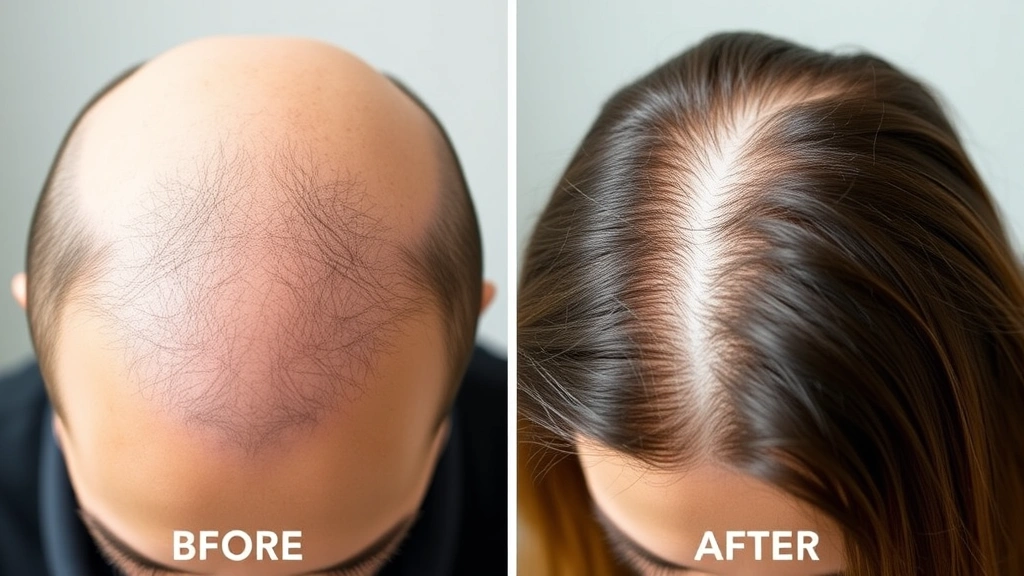
Scientific Evidence on Tea Tree Oil and Hair Growth
Research examining tea tree oil’s direct impact on hair growth remains surprisingly limited. While numerous studies confirm its antimicrobial and anti-inflammatory properties, fewer investigations specifically measure hair growth outcomes. A PubMed search reveals that most tea tree oil research focuses on treating dandruff, seborrheic dermatitis, and scalp conditions rather than directly stimulating hair growth.
One notable study published in the Journal of the American Academy of Dermatology examined tea tree oil’s effectiveness against dandruff and found significant improvements in scalp condition after regular use. Another research effort in the International Journal of Dermatology investigated essential oils including tea tree oil for their antimicrobial properties against scalp pathogens. These studies suggest that tea tree oil’s primary value lies in creating a healthier scalp environment, which indirectly supports hair growth by removing obstacles to follicle function.
The distinction between treating scalp conditions and directly stimulating hair growth is critical. While tea tree oil may help eliminate dandruff or scalp inflammation that contributes to hair loss, it doesn’t directly trigger follicle cells to produce longer, thicker hair strands. This nuance explains why dermatologists often position tea tree oil as a supportive treatment rather than a primary hair growth solution. For comprehensive hair improvement strategies, exploring our Growth LifeHub Blog provides additional evidence-based approaches.
Key Research Findings:
- Tea tree oil demonstrates strong antimicrobial activity against common scalp bacteria and fungi
- Anti-inflammatory properties reduce scalp irritation and redness
- Studies show effectiveness for dandruff and seborrheic dermatitis management
- Direct hair growth stimulation remains unproven in peer-reviewed literature
- Effectiveness varies significantly based on individual scalp conditions and oil concentration
Dermatologist Perspectives and Clinical Findings
Dermatologists approach tea tree oil with cautious optimism, recognizing its benefits for specific scalp conditions while acknowledging limitations in hair growth promotion. According to clinical perspectives from the American Academy of Dermatology, tea tree oil can be a valuable complementary treatment for patients with scalp inflammation, fungal infections, or bacterial overgrowth contributing to hair loss.
Dr. findings from dermatological conferences indicate that tea tree oil’s greatest value emerges when used to address underlying scalp pathology. A patient experiencing hair loss due to scalp fungal infection might benefit from tea tree oil’s antifungal properties, which could restore scalp health and allow normal hair growth to resume. However, for patients with androgenetic alopecia (genetic hair loss), tea tree oil alone provides minimal direct benefit, though it may support overall scalp health alongside proven treatments like minoxidil or finasteride.
Dermatologists emphasize that successful hair health requires addressing root causes. Whether your hair challenges stem from scalp inflammation, nutritional deficiencies, hormonal imbalances, or genetic factors, tea tree oil addresses only specific inflammatory and infectious issues. This comprehensive approach aligns with growth mindset principles, which emphasize understanding underlying mechanisms rather than seeking quick fixes.
Clinical experience suggests that tea tree oil works best when combined with other interventions: proper scalp hygiene, adequate nutrition, stress management, and when necessary, pharmaceutical treatments. Dermatologists often recommend it as part of a multi-faceted approach rather than a standalone solution, particularly for patients seeking natural complementary options.
Tea Tree Oil Benefits for Scalp Health
While tea tree oil’s direct hair growth effects remain limited, its benefits for overall scalp health are more established. A healthy scalp provides the foundation for healthy hair growth, making scalp-focused treatments valuable components of any hair care regimen.
Primary Scalp Health Benefits:
- Dandruff Reduction: Tea tree oil effectively reduces dandruff severity by controlling malassezia fungus overgrowth, improving scalp comfort and appearance
- Scalp Inflammation Control: Anti-inflammatory compounds calm irritated scalp tissue, reducing itching and redness that might compromise follicle health
- Bacterial Balance: Antimicrobial properties help maintain healthy bacterial populations on the scalp, preventing infections that could damage hair follicles
- Oil Production Regulation: Some evidence suggests tea tree oil helps normalize sebum production, addressing both excessively oily and dry scalp conditions
- Itching Relief: Numerous users report significant reduction in scalp itching, improving comfort and reducing scratch-related damage
These scalp benefits create conditions where hair growth can flourish naturally. Think of it as preparing soil before planting seeds—while the soil preparation doesn’t directly create the plant, it removes barriers to growth. Similarly, tea tree oil removes scalp-level obstacles that might otherwise impede healthy hair development.
For those pursuing comprehensive self-improvement, including physical health optimization, joining our digital growth community connects you with others prioritizing holistic wellness approaches.
How to Use Tea Tree Oil Safely for Hair
Proper application technique significantly impacts both safety and effectiveness. Tea tree oil is highly concentrated and should never be applied directly to the scalp undiluted, as this risks irritation, contact dermatitis, or other adverse reactions.
Safe Application Methods:
- Dilution First: Mix tea tree oil with a carrier oil at a concentration of 1-3% tea tree oil. For example, add 6-18 drops of tea tree oil to 30 milliliters (approximately one ounce) of coconut oil, jojoba oil, or argan oil
- Patch Test: Before full application, test the diluted mixture on a small scalp area and wait 24 hours to check for adverse reactions
- Scalp Application: Using your fingertips or a dropper, apply the diluted oil directly to the scalp in sections, massaging gently to ensure even distribution
- Leave-In Time: Allow the oil to remain on your scalp for 15-30 minutes, though some prefer overnight treatments with a shower cap
- Shampooing: Wash thoroughly with a gentle shampoo, ensuring complete removal of the oil
- Frequency: Use 2-3 times weekly initially, adjusting based on scalp response and individual tolerance
Concentration matters significantly—higher concentrations increase effectiveness but also increase irritation risk. Start conservatively and increase concentration only if your scalp tolerates lower concentrations well. This cautious approach reflects the evidence-based mindset emphasized throughout the business growth strategies framework: test, measure, adjust.
Quality matters as well. Select pure, therapeutic-grade tea tree oil from reputable sources. Some commercial products labeled as tea tree oil contain minimal active ingredients, reducing effectiveness. Reading product reviews and checking for third-party testing ensures you’re using genuine, potent tea tree oil.
Potential Side Effects and Precautions
While generally safe when properly diluted, tea tree oil can cause adverse reactions in some individuals. Understanding potential risks helps you use it responsibly and recognize problems early if they develop.
Common Side Effects:
- Scalp irritation, redness, or burning sensation
- Contact dermatitis in sensitive individuals
- Dryness of scalp or hair
- Allergic reactions ranging from mild itching to severe swelling
- Photosensitivity reactions in rare cases
Special Precautions:
- Pregnancy and Nursing: Pregnant or nursing women should consult healthcare providers before using tea tree oil, as safety during these periods hasn’t been extensively studied
- Children: Tea tree oil should not be used on children under 12 years old without medical supervision
- Medication Interactions: Consult your doctor if taking medications, as tea tree oil may interact with certain prescriptions
- Sensitive Skin: Individuals with eczema, psoriasis, or other skin conditions should perform thorough patch tests before regular use
- Pet Safety: Keep tea tree oil away from pets, as it can be toxic to cats and dogs
If you experience persistent irritation, allergic reactions, or worsening hair loss after using tea tree oil, discontinue use immediately and consult a dermatologist. Individual responses vary significantly, and what works for one person may not suit another.
Comparing Tea Tree Oil to Other Hair Growth Solutions
To properly evaluate tea tree oil’s role in your hair care routine, understanding how it compares to other available solutions provides valuable context. Different approaches address different underlying causes of hair loss and scalp conditions.
Tea Tree Oil vs. Minoxidil (Rogaine): Minoxidil is FDA-approved for directly stimulating hair growth, with clinical evidence demonstrating effectiveness for androgenetic alopecia. Tea tree oil has no proven direct growth effect but may support overall scalp health. They address different mechanisms—minoxidil stimulates follicles while tea tree oil improves scalp conditions.
Tea Tree Oil vs. Finasteride (Propecia): Finasteride works by reducing DHT hormone levels responsible for genetic hair loss. Tea tree oil operates differently, addressing scalp health rather than hormonal factors. These could theoretically be used together, though medical consultation is essential.
Tea Tree Oil vs. Ketoconazole Shampoo: Both address fungal scalp issues, but ketoconazole is specifically formulated for antifungal efficacy. Tea tree oil offers a natural alternative with similar antimicrobial properties but potentially less consistent concentration in commercial products.
Tea Tree Oil vs. Scalp Massage: Both improve scalp health through different mechanisms. Scalp massage increases blood flow while tea tree oil addresses inflammation and microbial issues. They complement each other effectively when combined.
The most effective approach often combines multiple strategies: addressing underlying health issues, using appropriate medical treatments when necessary, maintaining excellent scalp hygiene, and incorporating supportive natural remedies like tea tree oil. This comprehensive strategy aligns with holistic personal growth principles that address problems from multiple angles.
Frequently Asked Questions
Can tea tree oil regrow lost hair?
Tea tree oil cannot directly regrow lost hair. Its benefits are limited to creating a healthier scalp environment by reducing inflammation and controlling microbial overgrowth. If hair loss stems from scalp inflammation or fungal infection, treating these conditions with tea tree oil might allow normal hair growth to resume, but it won’t directly stimulate new hair growth in cases of androgenetic alopecia or other non-scalp-related hair loss.
How long does it take to see results from tea tree oil?
Results vary significantly based on individual scalp conditions and consistency of use. For scalp inflammation or dandruff, improvements typically appear within 2-4 weeks of regular use. However, any potential effects on hair growth cycles take considerably longer—at minimum 3-6 months—since hair growth phases extend that long. Patience and consistent application are essential.
Is tea tree oil safe to use daily?
Daily use is generally safe when properly diluted, though many dermatologists recommend 2-3 times weekly applications to minimize irritation risk. Some individuals with particularly sensitive scalps may experience irritation with frequent use. Monitor your scalp’s response and adjust frequency accordingly. If daily use causes irritation, reduce to 2-3 times weekly.
Can I mix tea tree oil with my regular shampoo?
While possible, mixing tea tree oil directly into shampoo bottles isn’t ideal because the oil concentration becomes inconsistent and may degrade over time. Instead, dilute tea tree oil in a carrier oil and apply directly to the scalp, or purchase shampoos formulated with tea tree oil from reputable manufacturers. This ensures consistent, safe concentrations.
Should I use tea tree oil if I have color-treated hair?
Tea tree oil itself doesn’t fade hair color, but the carrier oils used for dilution might affect color vibrancy in some cases. Test on a small section first. If color-treated hair concerns you, consult your colorist or dermatologist. Generally, properly diluted tea tree oil is compatible with color-treated hair when applied directly to the scalp rather than hair shafts.
What carrier oil works best with tea tree oil?
Coconut oil, jojoba oil, and argan oil are excellent choices, each offering additional benefits. Coconut oil has antimicrobial properties complementing tea tree oil; jojoba oil mimics scalp sebum and provides balanced conditioning; argan oil offers antioxidant protection and moisture. Choose based on your scalp type—oily scalps benefit from jojoba, dry scalps from argan or coconut oil.
Can tea tree oil help with alopecia areata?
Alopecia areata is an autoimmune condition where the immune system attacks hair follicles. While tea tree oil might reduce scalp inflammation, it cannot address the underlying autoimmune dysfunction causing hair loss. Medical treatment under a dermatologist’s care is essential for alopecia areata. Tea tree oil might serve as a supportive complementary treatment but shouldn’t replace proper medical care.
Is there any scientific proof tea tree oil grows hair?
No peer-reviewed scientific studies demonstrate that tea tree oil directly stimulates hair growth. Research confirms its antimicrobial and anti-inflammatory properties, which support scalp health. This distinction is crucial—supporting scalp health differs from directly growing hair. While a healthy scalp provides better conditions for growth, tea tree oil doesn’t contain compounds known to trigger follicle activity or extend hair growth phases.
Tea tree oil represents a valuable tool in comprehensive hair and scalp care, but it’s important to maintain realistic expectations about its capabilities. The scientific evidence clearly shows that tea tree oil excels at improving scalp health by reducing inflammation, controlling microbial overgrowth, and managing conditions like dandruff. These benefits create an optimal environment for hair growth, but they don’t directly stimulate follicles to produce new hair.
For anyone experiencing hair loss or scalp issues, the most effective approach combines multiple strategies: consulting a dermatologist to identify underlying causes, using proven medical treatments when appropriate, maintaining excellent scalp hygiene, incorporating supportive natural remedies like tea tree oil, managing stress, ensuring proper nutrition, and considering how overall health impacts hair quality. This multi-faceted approach reflects the comprehensive self-improvement philosophy emphasized throughout Growth LifeHub resources.
Whether tea tree oil should be part of your hair care routine depends on your specific scalp condition. If you’re dealing with dandruff, scalp inflammation, or microbial overgrowth, tea tree oil offers evidence-supported benefits worth exploring. If you’re seeking a solution for genetic hair loss, you’ll need to discuss FDA-approved treatments like minoxidil or finasteride with your dermatologist, though tea tree oil can complement these approaches. By understanding what tea tree oil can and cannot do, you make informed decisions aligned with your hair health goals and broader commitment to personal wellness and growth.


