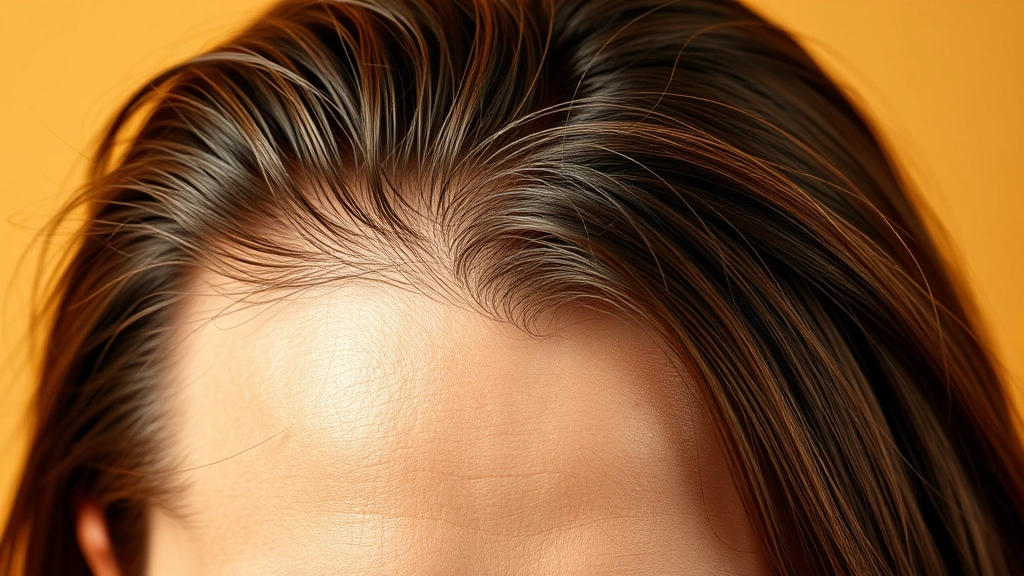
Hair Growth Tips from a Dermatologist Expert: Science-Backed Strategies for Healthy Hair
Your hair is a reflection of your overall health and personal growth journey. Just as personal growth requires consistent effort and the right strategies, achieving healthy hair growth demands understanding the science behind follicle health, nutrition, and lifestyle factors. A dermatologist’s perspective on hair growth combines medical expertise with practical, evidence-based recommendations that go far beyond generic advice you’ll find online.
Hair loss and slow growth affect millions of people worldwide, impacting self-confidence and quality of life. Whether you’re experiencing thinning hair, pattern baldness, or simply want to optimize your hair’s growth potential, consulting insights from dermatological research can transform your approach. This comprehensive guide explores expert-backed strategies that work with your body’s natural processes rather than against them.
Understanding Hair Growth Cycles
Before implementing any hair growth strategy, you must understand how your hair actually grows. Dermatologists emphasize that hair exists in three distinct phases: anagen (growth), catagen (transition), and telogen (resting). Most of your scalp hair—approximately 85-90%—is in the anagen phase at any given time, actively growing for 2-7 years.
The telogen phase lasts about 2-3 months, during which hair rests before naturally shedding. This is completely normal; losing 50-100 hairs daily is healthy. However, when the ratio shifts and more hairs enter the telogen phase prematurely—a condition called telogen effluvium—you may notice significant shedding. Understanding this cycle helps you set realistic expectations: true hair regrowth takes 3-6 months minimum to become visibly noticeable.
Genetic factors determine your hair’s maximum growth rate and lifespan. If your parents experienced hair loss, you’re more likely to as well. However, genetics isn’t destiny. Environmental factors, stress levels, hormonal balance, and nutritional status significantly influence whether you’ll experience premature hair loss or maintain thick, healthy hair throughout your life.
Nutrition and Dietary Factors
Dermatologists consistently point to nutrition as foundational for hair health. Your hair follicles are metabolically active tissues requiring specific micronutrients to function optimally. Deficiencies in key nutrients directly correlate with hair loss and slower growth rates.
Protein and Amino Acids: Hair is primarily composed of keratin, a protein structure. Consuming adequate protein—approximately 0.8 grams per pound of body weight—ensures your body has sufficient amino acids to synthesize new hair. Biotin, one of the B vitamins, plays a crucial role in keratin production. Research published in PubMed Central demonstrates that biotin supplementation improves hair strength and reduces breakage.
Iron and Ferritin: Iron deficiency is one of the most common nutritional causes of hair loss in women. Iron carries oxygen to hair follicles; without adequate iron, follicles can’t function properly. Dermatologists recommend checking your ferritin levels (not just hemoglobin) if experiencing unexplained hair loss. Optimal ferritin for hair health is typically above 70 ng/mL.
Zinc: This mineral regulates hair growth and the immune system around follicles. Zinc deficiency causes telogen effluvium and can worsen androgenetic alopecia (pattern baldness). Oysters, beef, pumpkin seeds, and chickpeas are excellent sources.
Vitamin D: Emerging research shows vitamin D receptors on hair follicles. Low vitamin D correlates with alopecia areata and pattern baldness. Many dermatologists recommend maintaining vitamin D levels between 30-50 ng/mL for optimal hair health.
Omega-3 Fatty Acids: These anti-inflammatory compounds support scalp health and reduce inflammation that can impair hair growth. Fatty fish, flaxseeds, and walnuts provide excellent dietary sources.
Rather than randomly supplementing, work with a dermatologist or nutritionist to identify your specific deficiencies through blood work. Targeted supplementation addresses root causes rather than treating symptoms.
Topical Treatments and Medications
Evidence-based topical treatments represent the most accessible dermatological interventions for hair growth. Minoxidil (Rogaine) is FDA-approved for both men and women. This topical medication extends the anagen phase, allowing hairs to grow longer and thicker. Results typically appear after 3-6 months of consistent use, and discontinuing treatment reverses benefits within months.
For pattern baldness in men, finasteride (Propecia) works systemically by inhibiting DHT (dihydrotestosterone), the hormone driving male pattern baldness. It’s highly effective at preventing further loss and can regrow some hair, but requires ongoing use and carries potential side effects requiring careful consideration with your dermatologist.
Dermatologists increasingly recommend American Academy of Dermatology-approved treatments like low-level laser therapy (LLLT) and red light therapy. These non-invasive options stimulate cellular energy production in follicles, promoting growth without pharmaceutical side effects. Multiple studies confirm efficacy when used consistently.

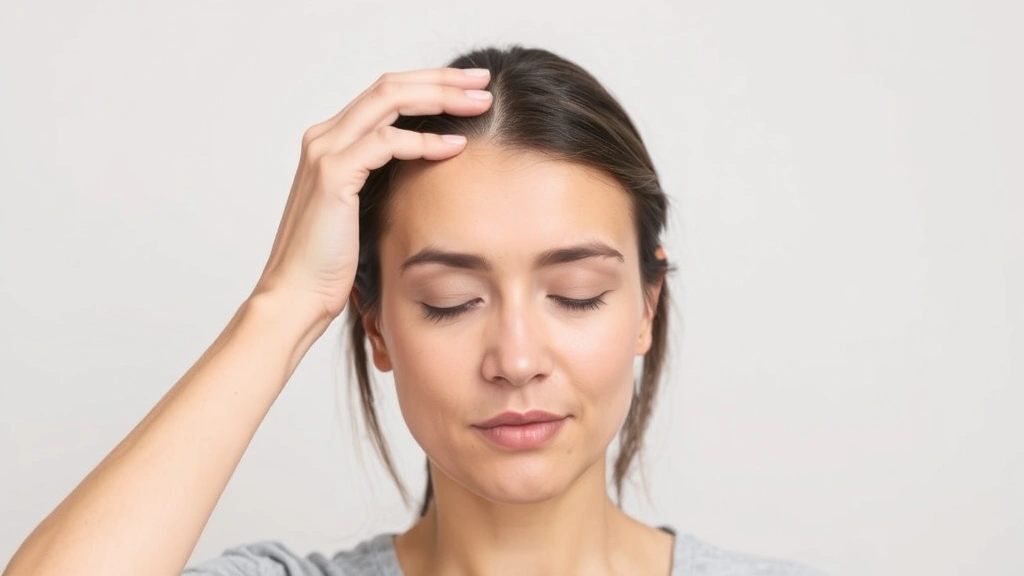
Scalp health directly impacts hair growth. Many dermatologists recommend gentle, sulfate-free shampoos and avoiding excessive heat styling. Scalp massage—performed for 5 minutes daily—increases blood flow to follicles. Research from NIH research databases shows scalp massage increases hair thickness over time.
Lifestyle Modifications for Hair Health
Your daily habits profoundly influence hair health. Stress management is critical; chronic stress elevates cortisol, which prematurely pushes hair into the telogen phase. This is why major life stressors often precede noticeable hair loss 2-3 months later. Implementing stress-reduction practices—meditation, exercise, adequate sleep—protects your hair just as it supports overall health.
Speaking of sleep, dermatologists emphasize that insufficient sleep impairs growth hormone production and increases inflammation. Aim for 7-9 hours nightly to optimize hair growth cycles. Quality sleep is as important as motivation and personal development for achieving any health goal.
Exercise improves circulation and reduces inflammation—both beneficial for hair growth. Cardiovascular exercise particularly increases blood flow to the scalp. Aim for 150 minutes of moderate activity weekly.
Smoking and alcohol negatively impact hair growth by reducing circulation and increasing oxidative stress. Dermatologists consistently recommend cessation for patients seeking to optimize hair health.
Hydration supports every bodily function, including hair growth. Adequate water intake ensures nutrients reach follicles and waste products are efficiently removed.
Hormonal balance significantly influences hair health, particularly in women. Conditions like polycystic ovary syndrome (PCOS) and thyroid dysfunction drive hair loss. If experiencing sudden hair loss alongside other symptoms, request comprehensive hormonal testing from your dermatologist.
Professional Treatments and Procedures
When conservative approaches need supplementation, dermatologists offer advanced procedures. Platelet-rich plasma (PRP) therapy involves extracting growth factors from your own blood and injecting them into the scalp. Multiple clinical trials demonstrate PRP effectiveness for pattern baldness and hair loss, with results appearing after 3-4 months.
Hair transplantation remains the most permanent solution for pattern baldness. Modern techniques like follicular unit extraction (FUE) harvest individual hair follicles from donor areas and transplant them to thinning regions. Success depends on having adequate donor hair and choosing experienced surgeons.
Microneedling creates controlled micro-injuries triggering the body’s healing response and increasing growth factor production in the scalp. When combined with minoxidil, dermatological research shows enhanced results compared to either treatment alone.
Laser therapy and LED therapy stimulate mitochondrial function in follicle cells. Low-level laser therapy (LLLT) at specific wavelengths (typically 600-1100 nanometers) penetrates the scalp without causing heat damage. Clinical evidence supports its use for both androgenetic alopecia and alopecia areata.
These professional treatments work best when combined with the foundational strategies: proper nutrition, stress management, and healthy lifestyle choices. Think of them as strategic goal-setting approaches to hair health—each component builds upon others for maximum impact.
Common Myths About Hair Growth
Myth: Cutting hair makes it grow faster. Hair growth occurs at the follicle, not the ends. Trimming removes damaged ends but doesn’t affect growth rate. However, regular trims prevent split ends from traveling up the hair shaft, making hair appear thicker and healthier.
Myth: You can regrow hair lost years ago without intervention. Once follicles fully miniaturize (shrink permanently), they won’t produce terminal hair without pharmaceutical or procedural intervention. Early intervention is crucial for preventing permanent loss.
Myth: Hair loss is purely genetic. While genetics load the gun, environmental factors pull the trigger. Many genetically predisposed individuals maintain healthy hair through proper nutrition, stress management, and preventive treatment.
Myth: All hair loss products work equally. Evidence quality varies dramatically. Minoxidil and finasteride have robust clinical trial data. Many supplements lack rigorous testing. Always ask your dermatologist which interventions have peer-reviewed evidence supporting their claims.
Myth: Expensive products outperform affordable ones. Price doesn’t correlate with efficacy. A $15 bottle of minoxidil works identically to a $150 branded version. Focus on active ingredients and clinical evidence, not marketing.
Understanding these myths helps you make evidence-based decisions rather than wasting time and money on ineffective interventions. This critical thinking approach applies to all growth mindset development—question assumptions and demand evidence.
FAQ
How long before I see hair growth results?
Hair growth is slow. You won’t notice visible changes for 3-6 months with most interventions. This timeline matches the hair growth cycle. Patience and consistency are essential. Track progress with photos taken under identical lighting every 3 months rather than daily observations.
Can dermatologists really help with hair growth?
Absolutely. Dermatologists are medical specialists trained in diagnosing underlying causes of hair loss and prescribing evidence-based treatments. They can identify nutritional deficiencies, hormonal imbalances, or scalp conditions you might miss. Consulting a dermatologist for hair growth is the most efficient path to results.
Are hair growth supplements necessary?
Only if you have specific deficiencies. Random supplementation wastes money and can cause imbalances. Get blood work first. Targeted supplementation addressing identified deficiencies is far more effective than multivitamins.
What’s the difference between hair loss prevention and regrowth?
Prevention stops further loss; regrowth actively grows new hair. Prevention is easier and more effective. Once hair loss begins, regrowth becomes increasingly difficult. Early intervention is crucial.
Can stress actually cause hair loss?
Yes. Chronic stress triggers telogen effluvium, pushing many hairs into the resting phase simultaneously. You’ll notice increased shedding 2-3 months after stressful events. Stress management is as important as nutrition for hair health.
Is finasteride safe for women?
Finasteride is not FDA-approved for women and can harm fetal development if you’re pregnant or planning pregnancy. Women should discuss minoxidil and other options with their dermatologist instead.
How do I know if a treatment is actually working?
Dermatologists recommend baseline photos under consistent lighting, measuring hair count in a specific scalp area, or assessing hair shedding rates. Subjective feelings are unreliable; objective measurement prevents discouragement from normal variation.
Can I combine multiple hair growth treatments?
Yes, strategically. Minoxidil plus finasteride, or minoxidil plus PRP, show synergistic effects. However, combining too many interventions makes it impossible to identify what’s working. Discuss combination strategies with your dermatologist before starting.
What role does scalp health play in hair growth?
Scalp health is foundational. Inflammation, fungal infections, or seborrheic dermatitis impair hair growth. Gentle cleansing, scalp massage, and addressing underlying conditions create an optimal environment for follicles to thrive.
How does nutrition specifically support hair growth?
Hair follicles are metabolically demanding tissues. They require protein for keratin synthesis, iron for oxygen transport, zinc for growth regulation, and various vitamins for energy production. Nutritional deficiencies directly limit what your follicles can accomplish, regardless of other interventions.


