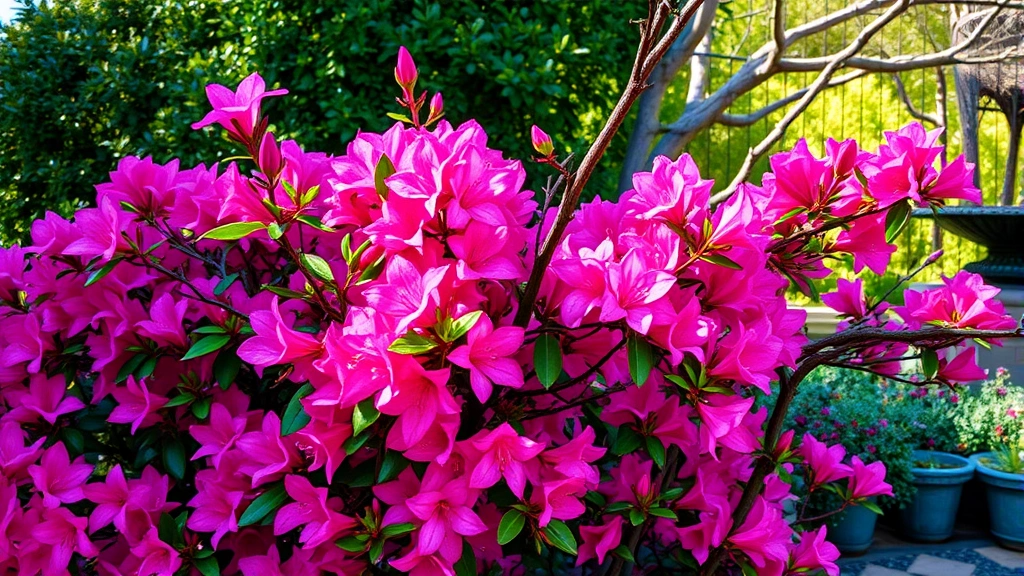
Azalea Growth Habit: Expert Gardening Tips for Thriving Blooms
Azaleas are among the most captivating flowering shrubs in any garden, renowned for their spectacular blooms and relatively manageable care requirements. Understanding azalea growth habits is essential for gardeners who want to cultivate these magnificent plants successfully. Whether you’re a seasoned horticulturist or a beginner exploring personal growth through gardening, mastering azalea cultivation offers both aesthetic rewards and practical learning opportunities.
The growth pattern of azaleas differs significantly from other ornamental shrubs, making it crucial to understand their specific needs and natural tendencies. These plants exhibit distinct seasonal behaviors, growth rates, and structural development patterns that directly influence their health, blooming capacity, and overall landscape contribution. By learning to work with—rather than against—your azalea’s natural growth habits, you’ll achieve fuller, more vibrant plants with consistent flowering year after year.
Understanding Azalea Growth Patterns
Azaleas exhibit unique growth characteristics that set them apart from typical landscape shrubs. Most azalea varieties grow as multi-stemmed shrubs with a naturally spreading habit, reaching heights between 3 and 6 feet depending on the cultivar and growing conditions. The growth rate varies considerably—some dwarf varieties grow only 6 to 12 inches annually, while vigorous cultivars can expand 12 to 18 inches per year.
The branching structure of azaleas is relatively dense and compact when plants receive adequate sunlight and proper care. New growth typically emerges in spring after flowering, making this the ideal time to observe and manage the plant’s development. Unlike many shrubs that grow continuously throughout the season, azaleas follow a more defined growth cycle with distinct periods of active growth and dormancy.
Understanding this growth timing is crucial for implementing effective management strategies. When you recognize how your azalea naturally wants to grow, you can align your gardening practices with these biological tendencies—much like setting effective goals aligned with natural rhythms accelerates progress.
Soil and Environmental Requirements
Azalea growth habits are profoundly influenced by soil composition and environmental conditions. These plants are notoriously acid-loving, thriving in soils with pH levels between 4.5 and 6.0. When soil pH rises above this range, azaleas develop chlorosis—a condition where leaves yellow while veins remain green—indicating nutrient uptake problems that severely restrict growth.
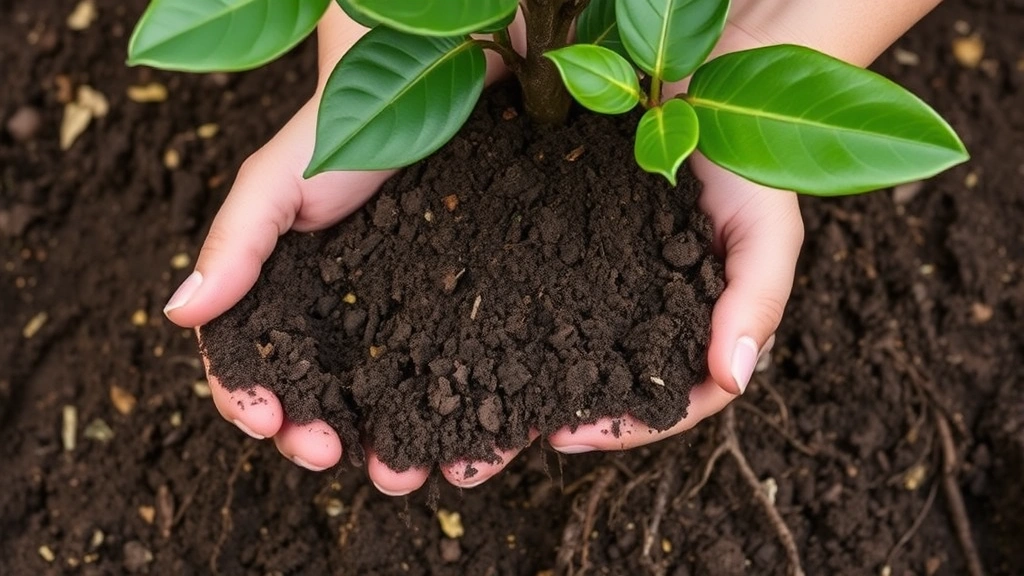
The ideal azalea soil combines excellent drainage with high organic matter content. Azaleas require consistently moist soil during the growing season but cannot tolerate waterlogged conditions that promote root rot. Most gardeners achieve optimal results by amending native soil with peat moss, pine bark, and compost to create a loose, friable growing medium that retains moisture while allowing excess water to drain freely.
Light requirements significantly impact azalea growth patterns. While many azalea varieties tolerate partial shade, they perform best with 4 to 6 hours of morning or dappled sunlight daily. Insufficient light results in leggy, sparse growth and reduced flowering. Conversely, intense afternoon sun in hot climates can scorch leaves and stress plants, limiting their growth potential. This balance between light exposure and protection mirrors the principle of developing growth through balanced challenge.
Moisture management during establishment is critical for healthy growth habits. Young azaleas require consistent watering during their first growing season to develop robust root systems. Once established, most azaleas tolerate moderate drought, though they perform best with regular watering during dry periods. Mulching with 2 to 3 inches of pine needles or bark helps maintain soil moisture and keeps roots cool.
Pruning Techniques for Optimal Growth
Strategic pruning fundamentally shapes azalea growth habits and flowering potential. The timing of pruning directly influences bloom production because azaleas set flower buds in late summer for the following spring. Pruning after mid-July can remove developing flower buds, significantly reducing next season’s blooms.
The ideal pruning window closes by early July, making spring and early summer the optimal times for major pruning work. Light pruning to shape the plant or remove dead wood can occur anytime, but significant structural pruning should conclude by early July to preserve flowering.
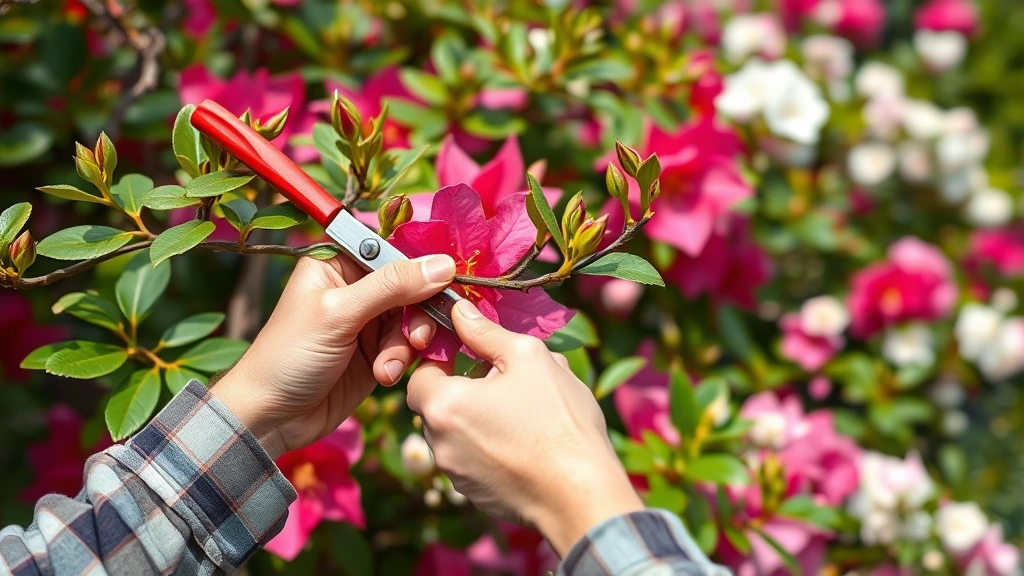
When pruning, focus on removing crossing branches, dead wood, and excessively long shoots that disrupt the plant’s natural form. Azaleas respond well to moderate pruning that removes up to one-third of the plant’s growth, encouraging branching and denser foliage development. For overgrown specimens, renovation pruning can be performed over two to three years, removing major canes selectively to allow new growth to develop.
Pinching back new growth in spring when shoots are 4 to 6 inches long encourages branching and fuller plant development. This technique, borrowed from productivity strategies that emphasize consistent daily actions, creates more flowering points and improves overall plant structure.
Seasonal Growth Management
Azalea growth patterns follow distinct seasonal rhythms that gardeners must respect and work with for optimal results. Spring brings the most vigorous growth period, with new foliage and flowers emerging in rapid succession. During this phase, ensure consistent moisture and provide light fertilization to support the plant’s increased nutritional demands.
Summer represents a transition period where growth slows and the plant begins setting flower buds for next year. Reduce fertilization significantly or discontinue it entirely by mid-summer to avoid stimulating new growth that would disrupt flower bud development. Maintain consistent moisture during hot months to prevent stress.
Fall brings a second, more modest growth flush for many azalea varieties before dormancy sets in. This period is less vigorous than spring but still important for plant development. Avoid fertilizing in fall, as this can stimulate tender new growth susceptible to winter damage.
Winter dormancy is essential for azalea health and flowering. Evergreen azaleas maintain their foliage but reduce metabolic activity significantly. Deciduous varieties lose their leaves entirely, entering complete dormancy. Protect plants from harsh winter winds and excessive sun exposure, which can damage foliage and buds. In cold climates, mulching helps insulate roots and protects them from freeze-thaw cycles.
Common Growth Problems and Solutions
Several factors can disrupt normal azalea growth habits, requiring intervention to restore plant health. Chlorosis, characterized by yellowing leaves with green veins, typically indicates soil pH that’s too high or nutrient deficiency. Test your soil pH and amend with sulfur if necessary to lower it into the 4.5 to 6.0 range. Iron chelate applications can provide temporary relief while soil pH adjusts.
Sparse, leggy growth usually results from insufficient light. Evaluate your plant’s light exposure and consider pruning overhead trees or relocating the azalea to a sunnier position if possible. Light deficiency also makes plants more susceptible to pests and diseases, so improving light conditions addresses multiple problems simultaneously.
Poor drainage causes root rot, the most serious azalea growth problem. Affected plants develop weak, stunted growth and eventually decline despite adequate care. Improve drainage by amending soil with organic matter, adding the azalea to a raised bed, or relocating it to better-draining soil. In existing landscape positions, creating a slight mound around the planting area helps redirect water away from the root zone.
Pest infestations like spider mites and lace bugs damage foliage and stress plants, resulting in poor growth. Monitor plants regularly for pest signs and address infestations promptly with appropriate organic or conventional controls. Strong, healthy plants established through proper systematic management approaches resist pests more effectively than weakened specimens.
Fertilization and Nutrient Management
Azalea growth habits respond dramatically to appropriate fertilization programs. These plants have relatively modest nutrient requirements compared to many ornamentals, and excessive fertilization often causes more problems than it solves. Over-fertilizing promotes excessive vegetative growth at the expense of flowering and can damage roots through salt accumulation.
Apply fertilizer specifically formulated for acid-loving plants in spring as new growth emerges. A single application of balanced, slow-release fertilizer (such as 10-10-10 or similar) in April or May typically provides sufficient nutrition for healthy growth throughout the season. Cease fertilizing by mid-summer to avoid disrupting flower bud development.
Micronutrient deficiencies sometimes develop in azaleas, particularly iron and magnesium. Iron deficiency causes the chlorosis mentioned earlier, while magnesium deficiency presents as interveinal yellowing on older leaves. Address these issues with appropriate micronutrient amendments or foliar sprays applied according to product directions.
Organic approaches to azalea nutrition include applying compost or composted pine bark around the plant base, which slowly releases nutrients while improving soil structure. Cottonseed meal, an organic fertilizer naturally suited to acid-loving plants, provides slow, steady nutrition without salt accumulation risks.
Propagation and Growth Development
Understanding azalea growth habits extends to propagation methods that produce vigorous young plants. Azaleas propagate readily from semi-hardwood cuttings taken in early to mid-summer. Select healthy, non-flowering shoots about 4 to 6 inches long, remove lower leaves, and insert them in a rooting medium of peat moss and perlite kept consistently moist.
Provide bottom heat of 65 to 75 degrees Fahrenheit and high humidity—a propagation mat and clear plastic dome create ideal conditions. Cuttings typically root within 4 to 8 weeks, at which point they can be potted into individual containers with appropriate acid-loving plant soil mix. Young rooted cuttings grow steadily when provided with bright, indirect light and consistent moisture.
Layering offers another effective propagation method that takes advantage of azalea growth habits. In spring, select a low-growing branch, wound it slightly where it contacts soil, and pin it down into moist soil mix. Once roots develop—typically within 6 to 12 months—sever the rooted section from the parent plant and establish it as an independent specimen.
Seed propagation is possible but less common because azaleas grown from seed don’t always replicate parent plant characteristics, particularly with hybrid varieties. Seeds require cold stratification and excellent light for germination. However, seed-grown plants often develop exceptionally strong, vigorous growth habits once established.
FAQ
What is the typical growth rate of azaleas?
Azalea growth rates vary by cultivar, with dwarf varieties growing 6 to 12 inches annually and vigorous types expanding 12 to 18 inches per year. Growth speed depends on soil conditions, light exposure, moisture availability, and overall plant health. Younger plants typically grow faster than mature specimens.
When should I prune my azaleas?
Prune azaleas in spring and early summer, completing major pruning by early July. Pruning after mid-July removes developing flower buds, reducing next season’s blooms. Light pruning to remove dead wood can occur anytime, but avoid heavy pruning in fall and winter.
Why is my azalea not growing well?
Poor growth usually results from soil pH that’s too high, insufficient light, poor drainage, or inadequate moisture. Test your soil, evaluate light conditions, and ensure the planting site has well-draining, amended soil with consistent moisture. Address any pest infestations promptly.
How often should I fertilize azaleas?
Apply fertilizer formulated for acid-loving plants once in spring as new growth emerges. A single annual application of slow-release fertilizer typically provides sufficient nutrition. Avoid fertilizing after mid-summer, as this disrupts flower bud development.
Can I grow azaleas in containers?
Yes, azaleas grow well in containers filled with acid-loving plant soil mix. Container azaleas require more frequent watering than in-ground plants and benefit from regular fertilization since container nutrients leach with watering. Bring tender varieties indoors in cold climates or provide winter protection.
How do I propagate azaleas?
Semi-hardwood cuttings taken in early summer root readily in peat moss and perlite with bottom heat and humidity. Layering—pinning branches into moist soil until roots develop—also works effectively. Seed propagation is possible but doesn’t guarantee offspring identical to parents.
What soil pH do azaleas prefer?
Azaleas thrive in acidic soil with pH between 4.5 and 6.0. Soil pH above this range causes nutrient uptake problems and chlorosis. Amend soil with sulfur or peat moss to lower pH, or grow azaleas in containers with appropriate acid-loving plant soil mix.


