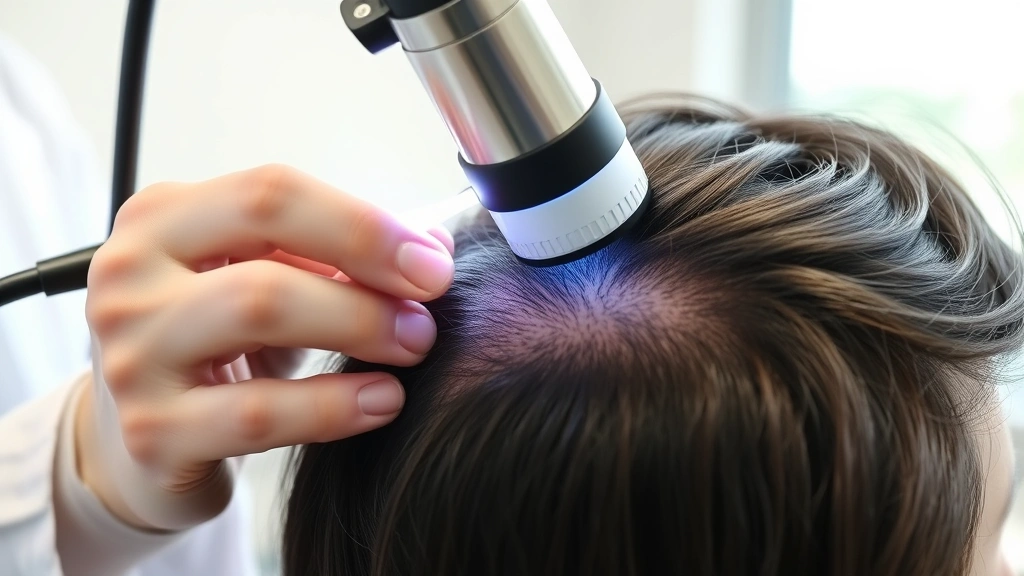
Laser Hat for Hair Growth: Dermatologist Insights and Evidence-Based Benefits
Hair loss affects millions of people worldwide, creating both physical and emotional challenges that impact self-confidence and quality of life. While traditional treatments like minoxidil and finasteride have dominated the market for decades, a revolutionary technology is gaining significant traction among dermatologists and hair restoration specialists: the laser hat for hair growth. This innovative device harnesses low-level laser therapy (LLLT), also known as photobiomodulation, to stimulate dormant hair follicles and promote natural hair regrowth without invasive procedures or systemic medications.
The laser hat represents a paradigm shift in non-invasive hair loss treatment, offering patients a convenient, scientifically-backed solution that can be used in the comfort of their own homes. Unlike traditional approaches, this technology works at the cellular level to energize hair follicles, improve scalp circulation, and create an optimal environment for hair growth. Understanding how laser hats work, their proven effectiveness, and how they compare to other treatments is essential for anyone considering this approach to combating hair loss.
How Laser Hats Work: The Science Behind Photobiomodulation
Laser hats for hair growth operate on the principle of photobiomodulation, a biological process where specific wavelengths of light penetrate tissue and stimulate cellular activity. When red and near-infrared light (typically ranging from 600 to 1100 nanometers) reaches the hair follicles, it interacts with mitochondria in the cells, particularly with an enzyme called cytochrome c oxidase. This interaction increases ATP (adenosine triphosphate) production, the energy currency of cells, which powers essential cellular functions necessary for hair growth.
The mechanism works through several interconnected pathways. First, the increased ATP production energizes hair follicle cells, pushing them from the telogen (resting) phase into the anagen (growth) phase. Second, photobiomodulation improves blood circulation to the scalp, delivering more oxygen and nutrients to hair roots. Third, the therapy reduces inflammation and oxidative stress in follicles, creating a healthier microenvironment for sustained hair growth. Fourth, the light stimulates fibroblasts and other cells to produce collagen and growth factors that support follicle health and longevity.
Research published in dermatological journals demonstrates that this process is particularly effective for androgenetic alopecia (male and female pattern baldness), the most common form of hair loss. The beauty of this approach lies in its non-invasive nature—there’s no surgery, no systemic medication absorption, and no need for daily topical applications that can be messy or irritating to sensitive scalps.
Clinical Evidence and Dermatologist Support
Dermatologists increasingly recommend laser hats because substantial clinical evidence supports their efficacy. Multiple peer-reviewed studies have demonstrated significant improvements in hair density, thickness, and growth rate among users of low-level laser therapy devices. A landmark study published in the Journal of Clinical and Aesthetic Dermatology found that participants using laser caps showed a 39% increase in hair count after 16 weeks of regular use, with continued improvement over six months.
What makes this evidence particularly compelling is that laser therapy has been FDA-cleared for hair loss treatment, placing it in the same regulatory category as proven medications like minoxidil. The FDA’s approval came after rigorous clinical trials demonstrating both safety and efficacy. Dermatologists appreciate that laser hats offer a mechanism of action entirely different from pharmaceutical approaches, meaning they can be combined with hair growth serums or other treatments for potentially synergistic effects without drug interactions.
Leading dermatology organizations have acknowledged the role of photobiomodulation in hair restoration. Research from prestigious institutions consistently shows that the therapy works best when used as part of a comprehensive approach to hair health, which might include nutritional optimization, stress management, and complementary treatments. The consistency of positive results across different patient populations—from younger individuals experiencing early hair loss to older patients with advanced alopecia—demonstrates the robustness of this approach.
Beyond pattern baldness, dermatologists have observed benefits for other conditions affecting hair growth, including alopecia areata and telogen effluvium. This versatility makes laser hats a valuable tool in the dermatologist’s arsenal for addressing diverse hair loss presentations.
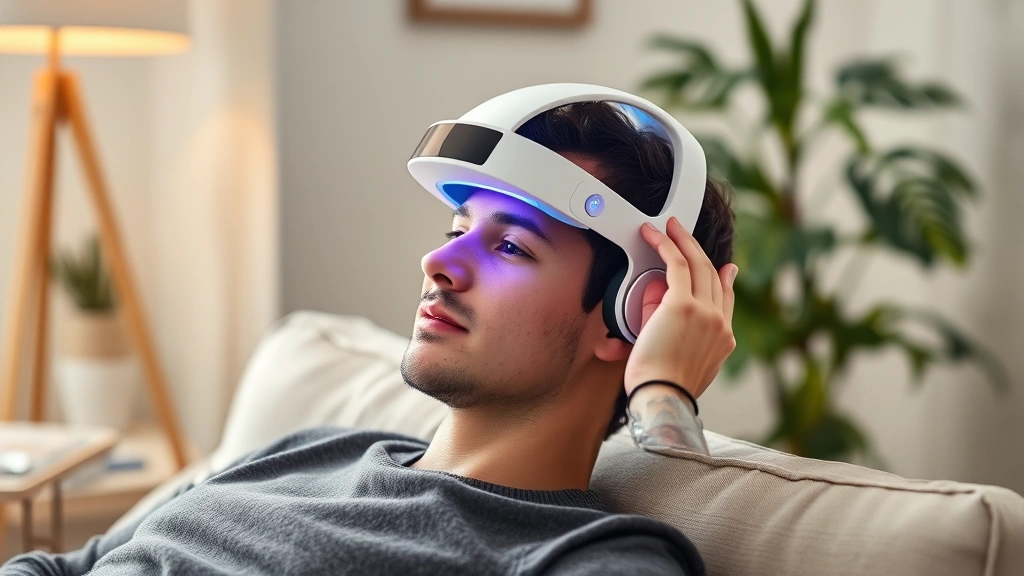
” alt=”Professional using advanced laser hair growth device in clinical setting”>
Types of Laser Hats and Optimal Wavelengths
Not all laser hats are created equal, and understanding the differences is crucial for selecting an effective device. The most commonly used wavelengths for hair growth are 650 nanometers (red light) and 810 nanometers (near-infrared light). Red light penetrates to approximately 8-10 millimeters depth, making it ideal for stimulating follicles in the upper dermal layer. Near-infrared light penetrates deeper, reaching 10-15 millimeters, which allows it to affect hair follicles positioned deeper in the scalp.
The most effective laser hats utilize a combination of both wavelengths, providing comprehensive stimulation across different depths of follicle positioning. This dual-wavelength approach ensures that all hair follicles, regardless of their depth, receive adequate stimulation. Power output is another critical specification—reputable devices typically deliver between 5-15 milliwatts per square centimeter, which research has shown to be optimal for hair growth without causing thermal damage to tissue.
Laser hat designs vary from helmet-style devices that cover the entire scalp to focused caps that concentrate treatment on the crown and vertex areas where hair loss is most pronounced. Helmet-style devices offer comprehensive coverage and are ideal for individuals with diffuse hair loss across the scalp, while focused designs may be more practical for those with localized thinning. Some premium devices include adjustable settings, allowing users to customize treatment intensity based on their specific needs and scalp sensitivity.
When evaluating laser hats, dermatologists recommend checking for FDA clearance status, power specifications, wavelength information, and clinical trial data. Devices that provide transparent technical specifications and published research are more likely to deliver the results promised in marketing materials. The investment in a quality device typically ranges from several hundred to several thousand dollars, but this represents a one-time cost compared to ongoing expenses for topical treatments or medications.
Comparing Laser Hats to Other Hair Loss Treatments
Understanding how laser hats compare to established hair loss treatments helps individuals make informed decisions about their hair restoration strategy. Minoxidil (Rogaine) has been the gold standard topical treatment for decades, showing modest improvements in hair density for many users. However, minoxidil requires daily application, can cause scalp irritation in sensitive individuals, and must be continued indefinitely to maintain results. When minoxidil is discontinued, hair loss typically resumes within months.
Finasteride (Propecia), an oral medication that inhibits DHT production, is effective for many men but carries potential side effects including sexual dysfunction and requires ongoing medical supervision. Additionally, finasteride is not suitable for women of childbearing age. Laser therapy, by contrast, works through an entirely different mechanism—energizing existing follicles rather than blocking hormones or stimulating growth factors externally.
Hair transplantation surgery offers permanent results but involves significant cost (typically $4,000-$15,000), recovery time, and the possibility of visible scarring. Laser hats provide a non-invasive alternative that can slow or halt hair loss and potentially regrow hair without surgical intervention. Many individuals combine laser therapy with beard growth oil or hair growth serums for enhanced results, creating a multi-pronged approach to hair restoration.
The combination therapy approach has gained traction among dermatologists who recognize that different mechanisms can work synergistically. A patient using a laser hat might also apply a growth serum to boost cellular activity through topical factors while the laser simultaneously increases ATP production and scalp circulation. This complementary approach often yields superior results compared to any single treatment alone.
Emerging research suggests that laser therapy may actually improve the effectiveness of other treatments. Some studies indicate that photobiomodulation-primed follicles respond better to minoxidil or natural growth factors, suggesting that laser hats could serve as an excellent foundational treatment upon which other therapies are built.
” alt=”Person examining scalp health and hair growth progress in mirror”>
Proper Usage Guidelines and Treatment Protocols
Maximizing the benefits of a laser hat requires understanding proper usage protocols and maintaining consistent treatment schedules. Most dermatologists recommend using a laser hat for 20-30 minutes, three to four times per week during the initial treatment phase (first 12-16 weeks). This frequency allows adequate photon exposure without overwhelming the system or causing fatigue in the follicles.
Consistency is paramount—sporadic use produces inferior results compared to maintaining a regular schedule. Many users find it helpful to integrate laser hat therapy into their daily routine, perhaps using the device while working, reading, or relaxing in the evening. This removes the psychological barrier of adding another time-consuming task to their day and increases adherence to the treatment protocol.
The timeline for visible results varies among individuals based on factors including age, genetics, baseline hair loss severity, and overall health. Most users begin noticing improvements in hair thickness and reduced shedding within 12-16 weeks, with more dramatic improvements becoming apparent at the 6-month mark. Hair growth cycles mean that maximum benefit typically emerges after 6-12 months of consistent use. This extended timeline reflects the biological reality that hair follicles operate on their own growth cycles and cannot be rushed beyond their natural pace.
Maintenance protocols differ from initial treatment phases. Once significant improvement is achieved, many dermatologists recommend reducing frequency to once or twice weekly to maintain results. Some users find that even monthly or bi-monthly sessions help preserve gains achieved during intensive treatment phases. Finding the optimal maintenance schedule often requires experimentation and communication with a dermatologist familiar with your specific situation.
Environmental factors can influence outcomes. Scalp health, nutritional status, stress levels, and sleep quality all impact hair growth independent of laser therapy. Users who combine laser hat treatment with personal growth practices like stress reduction, improved sleep, and nutritional optimization often see superior results. The holistic approach recognizes that hair health reflects overall wellness.
Safety Considerations and Side Effects
One of the most appealing aspects of laser hat therapy is its excellent safety profile compared to pharmaceutical alternatives. Low-level laser therapy does not generate heat that damages tissue—the wavelengths and power outputs used are specifically calibrated to stimulate cellular function without causing thermal injury. This means laser hats can be used safely on the scalp without concern for burns or tissue damage.
Side effects are minimal and typically mild when they occur. Some users report slight tingling sensations during treatment, which usually diminishes with continued use as the scalp adapts. Occasional users experience mild temporary itching as dormant follicles begin activating and shedding old hairs to make room for new growth. This phenomenon, sometimes called “shedding phase,” is actually a positive sign indicating that follicles are responding to treatment.
Individuals with photosensitivity conditions or those taking photosensitizing medications should consult with their dermatologist before beginning laser therapy. Similarly, anyone with active scalp infections, open wounds, or certain skin conditions should seek professional guidance. Pregnant individuals should discuss laser therapy with their healthcare provider, though the non-invasive nature and lack of systemic absorption makes it generally considered safe.
The long-term safety profile of low-level laser therapy is excellent, with decades of clinical use demonstrating no cumulative toxicity or serious adverse effects. The FDA’s approval process for laser hair growth devices involved rigorous safety evaluation, and post-market surveillance has continued to support the safety conclusion. Users can confidently use laser hats as part of their long-term hair loss management strategy without concern for serious complications.
Quality matters significantly when considering safety. Devices from reputable manufacturers that provide transparent specifications and clinical data are far more likely to deliver safe, consistent results. Purchasing from established medical device companies rather than unknown manufacturers reduces the risk of receiving substandard equipment that might not deliver promised wavelengths or power outputs.
Frequently Asked Questions
How long does it take to see results from a laser hat?
Most users begin noticing improvements in hair thickness and reduced shedding within 12-16 weeks of consistent use. More dramatic improvements typically become apparent at the 6-month mark, with optimal results often achieved between 6-12 months. Individual timelines vary based on genetics, age, and baseline hair loss severity, but patience and consistency are essential for success.
Can I use a laser hat if I’m taking minoxidil or finasteride?
Yes, laser therapy can be safely combined with both minoxidil and finasteride. In fact, many dermatologists recommend combining treatments because they work through different mechanisms. Some research suggests that photobiomodulation may enhance the effectiveness of these medications by priming follicles to respond better to growth factors and hormonal influences.
Is laser hat therapy suitable for women?
Absolutely. Laser hats are effective for both male and female pattern baldness. Women often appreciate this option because it avoids the hormonal considerations associated with finasteride and provides an alternative to topical minoxidil, which some find inconvenient or irritating. The mechanism of action—energizing follicles through photobiomodulation—works equally well regardless of gender.
What’s the difference between a laser hat and an LED cap?
Laser hats use coherent light (laser light) that maintains its properties over distance, while LED caps use incoherent light emitted from light-emitting diodes. Research suggests that laser light may penetrate tissue more effectively and create more precise stimulation of follicles. However, high-quality LED devices have also demonstrated efficacy in clinical trials. The key is ensuring the device uses appropriate wavelengths (650-810 nanometers) and adequate power output.
Will my hair loss resume if I stop using the laser hat?
This depends on the underlying cause of hair loss. If hair loss is caused by genetics and DHT sensitivity (androgenetic alopecia), the underlying condition persists even when hair regrows. However, many users find that after achieving significant regrowth, they can reduce treatment frequency to maintenance levels (monthly or bi-monthly) and sustain results. The follicles “remember” their activated state, reducing the intensity of treatment needed to maintain improvement.
Can I combine laser hat therapy with natural hair growth approaches?
Combining laser therapy with a comprehensive approach to hair health yields the best results. Optimizing nutrition, managing stress, improving sleep quality, and using complementary products like hair growth serums all support follicle health. Visiting the Growth Lift Hub Blog provides additional insights into holistic hair restoration strategies that complement laser therapy.
How much does a quality laser hat cost?
Quality laser hats typically range from $400 to $3,000, depending on wavelength options, power output, coverage area, and brand reputation. While this represents a significant upfront investment, it’s typically a one-time purchase that provides years of treatment capability. When compared to the ongoing costs of daily minoxidil applications or regular dermatology visits, laser hats often prove cost-effective over time.
Understanding laser hat technology empowers individuals to make informed decisions about their hair loss treatment strategy. As dermatologists continue to recognize and recommend this evidence-based approach, laser hats are becoming an increasingly popular component of comprehensive hair restoration plans that address the biological, environmental, and psychological aspects of hair health.


