Biotin Shampoo: Dermatologist’s Guide to Hair Growth
Hair loss and thinning affect millions of people worldwide, creating a significant market for solutions that promise restoration and regrowth. Among the most popular ingredients gaining traction in hair care is biotin, a B-vitamin that plays a crucial role in keratin production and hair structure. Biotin shampoo for hair growth has emerged as a convenient delivery method for this essential nutrient, but understanding its actual effectiveness requires examining both scientific evidence and dermatological recommendations.
Biotin shampoo represents a shift toward nutrient-based hair care, where topical application combines with potential systemic benefits. However, many consumers remain confused about whether biotin shampoo alone can deliver meaningful results or if it requires complementary approaches. This comprehensive guide explores what dermatologists actually recommend about biotin shampoo, how it works, and whether it deserves a place in your hair care routine.
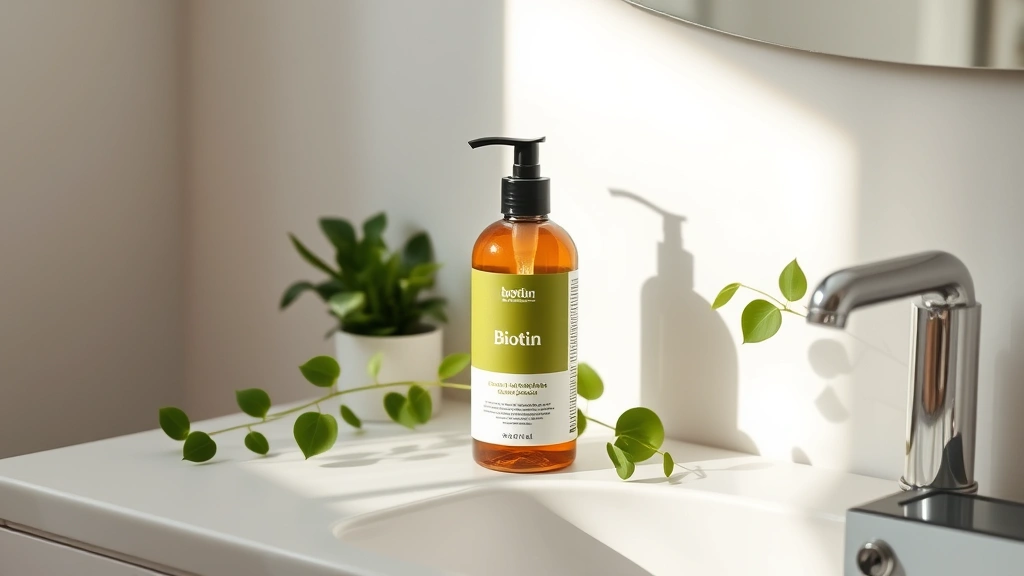
What Is Biotin and Why Hair Needs It
Biotin, also known as vitamin B7 or vitamin H, is a water-soluble B-complex vitamin essential for hair health and growth. Your body uses biotin to synthesize keratin, the primary protein that comprises hair strands. Without adequate biotin, your hair becomes brittle, weak, and prone to breakage. This vitamin also supports the health of hair follicles, the structures from which new hair grows.
The human body cannot produce biotin independently; it must be obtained through diet or supplementation. Common dietary sources include eggs, almonds, sweet potatoes, spinach, and salmon. However, many people consume insufficient biotin through food alone, particularly those with restrictive diets or certain medical conditions. This deficiency can manifest as hair thinning, premature graying, and slow hair growth.
Biotin works at the cellular level by functioning as a coenzyme in metabolic pathways that produce amino acids and glucose. These compounds are essential building blocks for hair protein synthesis. When biotin levels are optimal, hair follicles receive adequate nutritional support, resulting in stronger, thicker strands with improved elasticity and shine.
How Biotin Shampoo Works
Biotin shampoo operates through two primary mechanisms: topical conditioning and potential nutrient absorption. When you apply biotin shampoo to your scalp and hair, the biotin molecules coat the hair shaft, providing immediate conditioning benefits and improving hair texture. This topical application strengthens existing hair and reduces breakage, which contributes to the appearance of thicker, fuller hair.
The second mechanism involves potential transdermal absorption. While the scalp’s barrier function typically prevents significant vitamin penetration, some biotin molecules may penetrate hair follicles and surrounding tissue. However, dermatologists emphasize that this absorption is limited compared to oral biotin supplementation. The scalp’s protective layer evolved to prevent unwanted substances from entering, so relying solely on topical biotin for systemic effects is generally ineffective.
Most dermatologists recommend biotin shampoo as a complementary product within a comprehensive hair care strategy rather than a standalone solution. When combined with hair growth oils and proper scalp care, biotin shampoo can enhance overall results. The conditioning properties prevent damage that would otherwise compromise your hair’s appearance and health.
Scientific Evidence Behind Biotin for Hair
Research on biotin’s effectiveness for hair growth presents a nuanced picture. A landmark study published in dermatological journals found that oral biotin supplementation significantly improved hair growth and reduced hair shedding in participants with biotin deficiency. However, results for individuals with adequate biotin intake were considerably less impressive.
The distinction between biotin deficiency and biotin insufficiency is crucial. True biotin deficiency is rare in developed countries and typically occurs only in individuals with specific genetic conditions or severe malnutrition. Most people seeking hair growth solutions have adequate biotin levels but hope that increasing intake will accelerate growth beyond normal parameters.
Research from the National Center for Biotechnology Information indicates that biotin supplementation shows promise primarily for people with existing deficiency. For others, results depend on addressing underlying causes of hair loss, such as nutritional imbalances, hormonal factors, stress, or genetic predisposition. This explains why some users report dramatic improvements while others see minimal changes.
A comprehensive review in Dermatology Online Journal noted that while biotin is essential for hair health, it’s rarely the single missing piece in hair loss cases. Most hair growth issues involve multiple factors requiring multifaceted approaches. Biotin shampoo can support overall hair health, but it shouldn’t replace professional evaluation of underlying causes.
Dermatologist Recommendations
Leading dermatologists acknowledge biotin’s role in hair health while cautioning against overstated expectations. The American Academy of Dermatology recognizes biotin as a potentially beneficial supplement for hair growth, particularly when deficiency is confirmed through blood tests. However, the organization emphasizes that biotin alone rarely produces transformative results without addressing other contributing factors.
Most dermatologists recommend a tiered approach to hair growth: first, identify and treat underlying causes such as thyroid dysfunction, iron deficiency, or hormonal imbalances. Second, implement comprehensive nutrition and lifestyle changes. Third, consider targeted supplements like biotin, along with personal growth strategies that reduce stress-related hair loss. Finally, explore professional treatments if needed.
Regarding biotin shampoo specifically, dermatologists suggest these products serve best as preventative maintenance rather than corrective treatments. They recommend choosing shampoos that combine biotin with other beneficial ingredients like niacin, panthenol, and botanical extracts. Additionally, dermatologists stress that consistency matters—using biotin shampoo sporadically won’t produce meaningful results. Hair growth cycles require months of continuous care to show visible improvements.
Many dermatologists recommend pairing biotin shampoo with oral biotin supplements for optimal results. Oral supplementation addresses systemic biotin levels more effectively than topical application alone. However, they emphasize consulting healthcare providers before starting supplements, as excessive biotin can occasionally interfere with certain medical tests.
Biotin Shampoo vs. Other Hair Growth Solutions
The hair care market offers numerous solutions, each with different mechanisms and evidence bases. Understanding how biotin shampoo compares helps you make informed decisions about your hair growth strategy.
- Minoxidil (Rogaine): This FDA-approved topical treatment directly stimulates hair follicles and extends the growth phase. Clinical evidence strongly supports minoxidil’s effectiveness for pattern baldness. Unlike biotin shampoo, minoxidil shows measurable results in clinical studies, though it requires ongoing use.
- Finasteride (Propecia): This oral medication blocks DHT, the hormone responsible for male pattern baldness. It’s highly effective for genetic hair loss but requires a prescription and involves potential side effects.
- Hair growth serums: These concentrated formulations contain biotin alongside peptides, growth factors, and botanical extracts. They offer higher concentrations than shampoos but typically cost more.
- Scalp treatments: Specialized scalp masks and treatments address underlying scalp health, which supports hair growth from the foundation.
- Oral supplements: Comprehensive hair vitamins combining biotin, iron, zinc, and amino acids provide systemic nutritional support more effectively than topical products.
Biotin shampoo occupies a middle ground—more convenient than oral supplements but less potent than prescription treatments. It works best as part of a comprehensive approach rather than as a standalone solution. For genetic hair loss, prescription medications offer stronger evidence. For nutritional hair loss, oral supplements combined with dietary improvements may prove more effective. Biotin shampoo complements these approaches while providing daily conditioning benefits.
Choosing the Right Biotin Shampoo
Not all biotin shampoos deliver equal benefits. Dermatologists recommend evaluating products based on several criteria to ensure you’re investing in quality.
- Biotin concentration: Check the label for biotin percentage or concentration. Higher concentrations typically provide better results, though extremely high concentrations may not be necessary. Look for products listing biotin in the first ten ingredients.
- Additional beneficial ingredients: The best biotin shampoos include complementary ingredients like niacin, panthenol, keratin, and botanical extracts. These work synergistically with biotin to enhance hair health and strength.
- Sulfate-free formulation: Sulfates strip natural oils from hair, causing dryness and breakage. Sulfate-free shampoos are gentler and more conducive to healthy hair growth.
- pH balance: Hair’s natural pH is slightly acidic (around 4.5-5.5). Shampoos matching this pH prevent cuticle damage and maintain hair integrity.
- Third-party testing: Products tested by independent laboratories for purity and potency provide greater confidence in their effectiveness.
- Professional recommendations: Ask your dermatologist or trichologist for specific product recommendations based on your hair type and concerns.
Reading customer reviews and looking for consistent positive feedback helps identify genuinely effective products. However, remember that individual results vary based on underlying factors. A product that works excellently for one person may produce different results for another.
Expected Results and Timeline
Understanding realistic timelines prevents disappointment and helps you evaluate whether biotin shampoo is working for you. Hair growth follows natural cycles that cannot be significantly accelerated beyond genetic programming.
Human hair grows approximately half an inch monthly, with growth rates varying by genetics, age, and health status. The complete hair growth cycle spans 2-7 years, with most hairs spending 2-3 years in the active growth phase. This means visible improvements in hair length and thickness require patience and consistency.
When using biotin shampoo, most people notice initial benefits within 2-4 weeks: improved shine, better texture, and reduced breakage. These represent topical conditioning effects rather than new growth. Actual improvements in hair thickness and growth rate typically require 3-6 months of consistent use. Some people experience more dramatic changes if they had underlying biotin deficiency, while others with adequate biotin levels see subtle improvements.
To accurately assess results, take photos under consistent lighting before starting biotin shampoo and monthly thereafter. Track hair shedding, texture changes, and overall appearance. This documentation helps distinguish between placebo effect and genuine improvement. If you see no changes after six months of consistent use, biotin shampoo may not be addressing your specific hair concerns, and consulting a dermatologist about alternative approaches is advisable.
Remember that personal growth and self-improvement extend beyond physical changes. Developing patience and realistic expectations about hair growth fosters the mindset that supports long-term success in any improvement endeavor.
FAQ
Can biotin shampoo regrow hair that’s already been lost?
Biotin shampoo cannot regrow hair in areas with permanently damaged follicles. However, it can strengthen existing hair and potentially help hair that’s thinning due to weakness rather than follicle death. For significant hair loss, consulting a dermatologist about prescription treatments or professional procedures is necessary.
Is biotin shampoo safe for all hair types?
Biotin shampoo is generally safe for all hair types, including curly, straight, thick, and fine hair. However, individuals with specific scalp conditions like severe psoriasis or eczema should consult dermatologists before use. Those with biotin allergies (extremely rare) should avoid biotin products.
How often should I use biotin shampoo?
Most dermatologists recommend using biotin shampoo 2-3 times weekly as your primary shampoo. More frequent use isn’t necessarily better and may dry out hair. Some people alternate biotin shampoo with gentler clarifying shampoos. Listen to your hair’s response and adjust frequency accordingly.
Should I combine biotin shampoo with oral biotin supplements?
Combining topical and oral biotin can be beneficial, particularly if you have deficiency or insufficiency. However, consult your healthcare provider before starting supplements, as excessive biotin can interfere with certain medical tests. Most dermatologists recommend 2.5 mg daily oral biotin for hair health.
Why isn’t my biotin shampoo working?
Several factors affect biotin shampoo effectiveness: inconsistent use, underlying medical conditions, hormonal imbalances, severe stress, poor nutrition, or genetic factors unresponsive to biotin. Additionally, if your hair loss stems from androgenetic alopecia (genetic pattern baldness), biotin shampoo alone won’t address the root cause. Consult a dermatologist to identify what’s actually causing your hair concerns.
Can men and women both use biotin shampoo?
Yes, biotin shampoo benefits both men and women equally. However, the underlying causes of hair loss differ by gender. Women experience more telogen effluvium (stress-related shedding) and nutritional hair loss, where biotin shampoo may help significantly. Men more often experience androgenetic alopecia, where prescription treatments may be necessary alongside biotin shampoo.
Is biotin shampoo better than biotin supplements?
They serve different purposes. Oral biotin supplements provide systemic nutritional support more effectively than topical application. Biotin shampoo delivers topical conditioning and may provide minor systemic benefits. The most effective approach combines both: oral biotin supplementation for nutritional support and biotin shampoo for daily hair care and conditioning.


