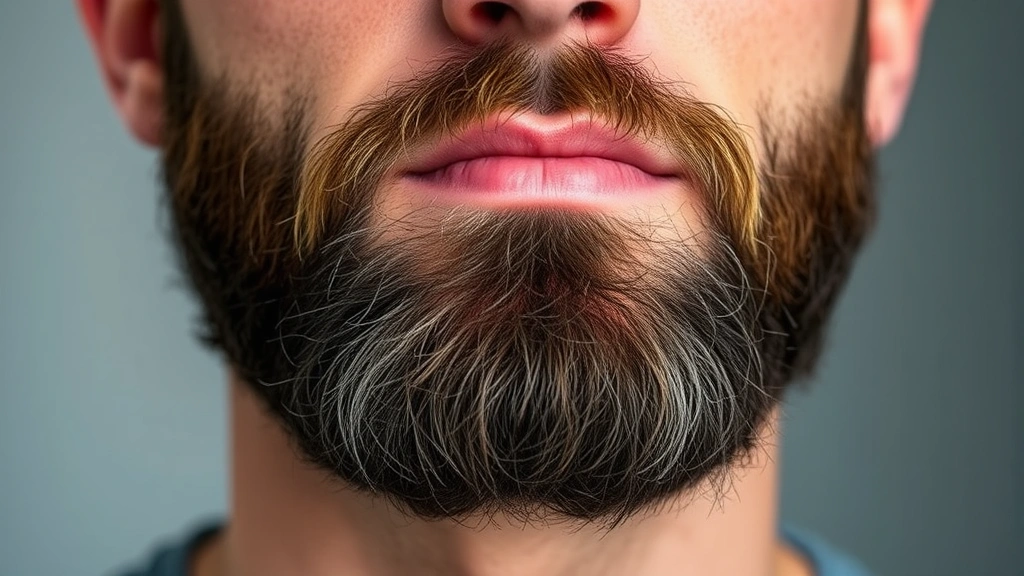
1 Month Beard Growth: Dermatologist Tips for Optimal Results
Growing a beard is more than just letting your facial hair grow wild—it’s a journey that requires understanding the science behind facial hair growth, proper maintenance, and strategic lifestyle choices. Whether you’re aiming for a fuller look or testing your commitment to a new style, the first month is critical. During this initial 30-day period, your beard will go through significant changes, and how you manage this time determines whether you’ll achieve the thick, healthy growth you desire or struggle with patchy, weak whiskers.
Many men underestimate the importance of personal growth when it comes to grooming habits. Just as developing a growth mindset transforms your professional life, adopting the right beard care routine transforms your appearance. Dermatologists agree that the first month of beard growth is when most men make critical mistakes that compromise their final results. This comprehensive guide reveals exactly what you need to do to maximize your 1 month beard growth potential.

Understanding Beard Growth Biology
Your facial hair growth is governed by genetics, hormones, and age. Testosterone and DHT (dihydrotestosterone) directly influence beard thickness and growth rate. Men typically grow facial hair at approximately half an inch per month, though this varies significantly based on individual biology. During your first month, you’re not just growing new hair—you’re transitioning from the stubble phase into visible beard territory.
According to dermatological research on hair growth cycles, facial hair follows three distinct phases: anagen (growth), catagen (transition), and telogen (resting). Most of your beard hairs are in the anagen phase during the first month, which means they’re actively growing. Understanding this biological reality helps you set realistic expectations and optimize your growth strategy.
The thickness of your 1 month beard growth depends heavily on hair follicle size and melanin production. Some men notice their beard appears thicker as it grows longer simply because longer hair has more surface area and casts shadows. This optical illusion is actually beneficial—it means even moderately thick growth will appear more impressive by week four.

Nutrition and Supplementation for Faster Growth
What you eat directly impacts beard growth quality and speed. Protein is absolutely essential—your hair is primarily composed of keratin, a protein structure. Aim for 0.8-1.0 grams of protein per pound of body weight daily. This isn’t just about vanity; it’s about providing your body the raw materials it needs to construct strong, healthy hair.
Biotin, a B-vitamin, has substantial scientific evidence supporting its role in hair growth. Studies show that biotin supplementation (2.5 mg daily) can improve hair strength and growth rate within 90 days, though benefits often appear within the first month. Zinc is equally critical—deficiency directly causes hair loss and stunted growth. Include oysters, beef, pumpkin seeds, and chickpeas in your diet.
Iron and vitamin D deserve special attention during your growth phase. Iron carries oxygen to hair follicles, while vitamin D regulates the hair growth cycle. Men with low vitamin D levels experience significantly slower beard growth. If you live in a northern climate or spend limited time outdoors, supplementing with 1000-2000 IU daily during your first month can yield noticeable results.
Consider adding a comprehensive hair growth serum or supplement containing saw palmetto, which blocks DHT conversion and may enhance beard thickness. While genetics still matter most, these nutritional interventions provide meaningful support during your critical first month.
Skincare Foundation During Month One
Healthy skin produces healthy beards. Your facial skin during the first month of growth needs special attention because growing hair can trap bacteria and dead skin cells, leading to irritation, ingrown hairs, and itch. Dermatologists recommend a simple but effective routine: cleanse, exfoliate, and moisturize.
Cleanse your beard area twice daily with a gentle, sulfate-free cleanser. This removes dirt, oil buildup, and dead skin without stripping natural oils that protect both skin and hair. The dermal layer under your growing beard needs hydration—use a lightweight, non-comedogenic moisturizer immediately after cleansing while your skin is still slightly damp. This locks in moisture and prevents the infamous “beard itch” that causes many men to shave prematurely.
Exfoliation is where most men fail during month one. Dead skin accumulation under growing hair causes itching and can lead to ingrown hairs. Use a gentle chemical exfoliant (AHA or BHA) 2-3 times weekly rather than aggressive physical scrubs that damage delicate new hair. This simple step eliminates the primary reason men abandon their beard growth goals in the first month.
Don’t neglect the skin beneath your beard. Use a dermatologist-recommended beard oil or balm starting in week two. These products nourish both hair and skin, reduce itch, and prevent the rough, uncomfortable feeling that discourages new beard growers. Apply beard oil to damp beard and skin after showering for maximum absorption.
Trimming and Shaping Strategy
This contradicts common advice, but dermatologists recommend light trimming during your first month of beard growth. You’re not shaving; you’re maintaining clean lines and removing split ends before they compromise growth quality. This requires precision and the right tools.
Wait until day 10-14 before your first trim—this allows your beard to establish direction and density. Use professional-grade beard scissors or clippers with adjustable guards. Focus on:
- Cleaning up the neckline to create definition
- Removing split ends that developed during growth initiation
- Creating symmetry between left and right sides
- Establishing the cheek line if desired
Trim conservatively—remove no more than 1/8 inch. Many men make the mistake of over-trimming during month one, which defeats the purpose of growing. The goal is maintenance, not reshaping. Think of trimming as using the right tools for professionals—precision tools applied with intention yield superior results.
By week three, you can establish your desired shape more definitively. If you want a full, natural look, trim only the edges. If you prefer a more sculpted appearance, create slight angles at the cheeks and chin. This early shaping sets the trajectory for future growth and demonstrates commitment to quality over speed.
Daily Beard Maintenance Routine
Consistency matters more than complexity during your first month. Establish a simple routine you’ll actually maintain:
- Morning: Rinse with warm water, apply beard oil to damp beard, comb through with a beard brush to train hair direction
- Midday: Lightly mist with beard balm if you notice itch or dryness
- Evening: Cleanse with gentle beard wash, apply moisturizer to skin, comb beard downward to train growth pattern
- Weekly: Deep conditioning treatment with beard butter or mask
- Bi-weekly: Gentle exfoliation and professional trim maintenance
Use a beard brush, not a comb, during month one. Brushes distribute natural oils, train hair direction, and stimulate blood flow to follicles. This enhanced circulation delivers more oxygen and nutrients to growing hair, directly improving your 1 month beard growth results. Comb only with wide teeth and minimal pressure if you must—aggressive combing breaks delicate new growth.
Temperature matters too. Wash with warm water (not hot) to open pores and allow thorough cleansing, but finish with cool water to close pores and seal the hair cuticle. This simple technique reduces itch and improves shine noticeably by week three.
Common Mistakes to Avoid
Dermatologists consistently see the same preventable errors that sabotage first-month beard growth. Understanding these mistakes helps you avoid them:
Mistake 1: Ignoring the itch phase. Week two typically brings intense itching as hair grows through the skin surface. This is normal and temporary. Resist shaving. Instead, increase moisturizing frequency and use beard oil liberally. The itch phase lasts 7-10 days and signals healthy growth activation.
Mistake 2: Using regular hair products. Scalp hair products contain ingredients unsuitable for facial hair and skin. Facial hair is coarser and requires different conditioning. Invest in dedicated beard products—this isn’t luxury; it’s necessity for optimal growth.
Mistake 3: Neglecting sleep and stress management. Cortisol, your stress hormone, directly inhibits hair growth. During your first month, prioritize 7-9 hours of quality sleep. Stress management isn’t just about mental health—it’s a biological requirement for optimal beard growth supported by stress physiology research.
Mistake 4: Touching your beard constantly. Your hands transfer bacteria and oils. Excessive touching causes irritation, itch, and can damage delicate new growth. Establish awareness of this habit and redirect the impulse.
Mistake 5: Unrealistic timeline expectations. Some men expect full, thick beards within 30 days. Realistic expectations are crucial for motivation. Most men see approximately 0.5 inches of growth, but the visual transformation is dramatic due to density and definition work. Celebrate this milestone.
FAQ
How much beard growth should I expect in one month?
Average facial hair growth is approximately 0.4-0.5 inches per month, though this varies by genetics, age, and hormonal health. The visual difference is more dramatic than the measurement suggests because shorter hair appears denser and darker due to light reflection and shadow.
What’s the best beard oil for first-month growth?
Look for oils containing jojoba, argan, or coconut oil with minimal additives. Jojoba closely mimics natural skin sebum and absorbs well. Apply to damp beard immediately after showering for optimal penetration and effectiveness.
Should I shave my neck during the first month?
Yes, maintain your neckline for definition. Most men define their neckline approximately one finger-width above the Adam’s apple. This creates the appearance of fuller, more intentional growth rather than unkempt scruff.
Can supplements really speed up beard growth?
Quality evidence supports biotin, zinc, and vitamin D supplementation for improved hair health and growth rate. Results typically appear within 4-8 weeks, so expect modest improvements during month one, with more dramatic results by month three.
Is beard itch permanent?
No. The intense itch phase typically lasts 7-14 days as hair pushes through the skin surface. Proper moisturizing, exfoliation, and beard oil dramatically reduce this discomfort. By week three, most men experience minimal itch.
What if my beard grows in patchy during month one?
Patchiness often appears worse during early growth because longer hairs show density variations invisible at stubble length. Many apparent patches fill in by month two or three. If patchiness persists beyond three months, consult a dermatologist to rule out alopecia areata or other conditions.


