
Gymnastics and Growth: What Science Says About Height Development
The myth persists in gyms and living rooms across the world: gymnastics stunts your growth. Parents hesitate to enroll their children in tumbling classes, coaches whisper warnings about intensive training, and young athletes worry that their dedication to the sport might compromise their height potential. But what does the actual science say? The truth is far more nuanced and, ultimately, far more reassuring than the urban legend suggests.
For decades, this concern has circulated without substantial evidence, rooted more in observation bias and coincidence than rigorous research. Young gymnasts are often naturally smaller and leaner than their peers—but this doesn’t mean gymnastics made them that way. Understanding the real relationship between gymnastics and physical growth requires examining the science of human development, the biomechanics of training, and the factors that genuinely influence height. This comprehensive guide separates fact from fiction and empowers athletes and parents with evidence-based information.
The Origin of the Growth-Stunting Myth
Every persistent myth has roots, and the gymnastics-growth myth is no exception. This belief likely emerged from several converging observations. First, elite gymnasts—particularly female gymnasts competing at the highest levels—tend to be shorter and lighter than the general population. This is a selection bias issue: the sport naturally favors smaller athletes because their lower center of gravity, reduced joint stress, and superior power-to-weight ratio create mechanical advantages for tumbling, balance beam work, and apparatus skills.
Second, intensive training during childhood and adolescence does create visible physical changes. Young gymnasts develop lean muscle mass, reduced body fat percentages, and distinctive physiques shaped by their training. Parents and observers sometimes misinterpret these adaptations as stunted growth rather than recognizing them as normal developmental responses to specialized athletic training.
Third, confirmation bias plays a significant role. When a young gymnast doesn’t reach the height their parents expected, the gymnastics training becomes the convenient explanation—even though genetics, nutrition, sleep, and dozens of other factors influence final height far more substantially. Meanwhile, tall gymnasts who excel at their sport receive little attention because they don’t fit the narrative.
The myth gained additional credibility through anecdotal reports and coaching folklore, passed down without scientific scrutiny. In the absence of robust research contradicting these claims, the myth persisted and spread, creating unnecessary anxiety among families considering gymnastics as an activity for their children.
How Human Growth Actually Works
To evaluate whether gymnastics affects growth, we must first understand the biological mechanisms behind human height development. Growth occurs through two primary processes: bone lengthening and skeletal maturation. During childhood and adolescence, the growth plates (epiphyses) at the ends of long bones contain cartilage cells that continuously divide and mature, pushing bone tissue forward and increasing bone length.
Growth hormone, produced by the pituitary gland, serves as the primary regulator of this process. Thyroid hormones, insulin-like growth factor 1 (IGF-1), and sex hormones (particularly during puberty) also play crucial roles. Genetics determine approximately 60-80% of final height, while environmental factors including nutrition, sleep, stress, and overall health account for the remaining 20-40%. This genetic foundation is immutable—no amount of gymnastics training can override your inherited growth potential.
Growth plates remain open and responsive until late adolescence or early adulthood when they fuse completely. Once fusion occurs, no further lengthening is possible through any intervention. The timeline for growth plate closure varies among individuals but generally completes by the early twenties. This biological reality is fundamental: gymnastics cannot and does not cause growth plates to close prematurely or prevent their normal development.
Physical stress on growing bones actually stimulates healthy bone development. Mechanical loading through exercise increases bone mineral density and strengthens the skeletal system. Research in sports medicine consistently demonstrates that young athletes engaged in weight-bearing exercise develop stronger, denser bones than sedentary peers—a protective effect that persists throughout life and reduces fracture risk in older age.
What Research Actually Shows
When scientists have specifically examined the relationship between gymnastics training and growth outcomes, the evidence contradicts the stunting myth. A landmark study published in the Journal of Sports Sciences examined growth trajectories in young gymnasts compared to age-matched controls. Researchers found no significant differences in growth velocity or final height projections between trained gymnasts and non-athletes. Both groups followed expected growth patterns based on their genetic backgrounds and baseline characteristics.
Research from the American College of Sports Medicine examining pediatric athletes across multiple sports, including gymnastics, found no evidence that intensive training during childhood compromises growth. In fact, young athletes often demonstrate enhanced bone health and improved metabolic profiles compared to sedentary controls. The organization emphasizes that properly structured training, adequate nutrition, and sufficient recovery support normal growth and development.
A comprehensive review in Sports Medicine analyzing studies on young athletes and growth concluded that growth suppression in sports is exceptionally rare and typically only occurs under extreme conditions: severe caloric restriction, overtraining without adequate recovery, or medical conditions that compromise growth hormone production. Standard gymnastics training, even at competitive levels, does not create these extreme conditions when athletes receive proper nutrition and coaching.
Studies examining female gymnasts—the population most frequently cited in growth-stunting discussions—reveal that shorter stature among elite competitors primarily reflects selection bias rather than training effects. Shorter athletes self-select into gymnastics because the sport rewards their physical characteristics. When researchers follow gymnasts from childhood through adulthood, their growth trajectories align with family height patterns and genetic predictions, not with their training volume or intensity.
Perhaps most telling: gymnasts who retire from competitive training continue growing at normal rates. If gymnastics genuinely stunted growth through some mechanism, retired athletes would show growth recovery. Instead, they continue following their expected genetic growth curves, suggesting that training never suppressed growth in the first place.
Genetics vs. Training: The Real Determinants
Your height is primarily determined by genetics inherited from both parents. This isn’t metaphorical—it’s biological reality. Scientists have identified hundreds of genetic variants that influence final height, with the largest effects coming from a handful of genes regulating growth hormone signaling and bone development.
If both your parents are average height, no gymnastics training—nor any other intervention—will transform you into a tall adult. Conversely, if your parents are tall, gymnastics training won’t prevent you from reaching similar heights. This doesn’t mean environment is irrelevant; it means environmental factors operate within the boundaries set by your genetic potential.
The confusion often arises because people observe that elite gymnasts tend to be shorter and assume training caused this. The reality: shorter individuals are overrepresented in elite gymnastics because the sport’s mechanical demands favor their physiology. Tall gymnasts exist and can excel, but they don’t become elite as frequently because the sport’s physics disadvantages greater height. This is selection bias, not a training effect.
Understanding this distinction is crucial for personal growth and decision-making. Young athletes should choose sports based on passion and opportunity, not fear of growth suppression. Parents should recognize that their child’s final height will reflect their family genetics far more than their athletic pursuits.
Nutrition and Recovery Matter Most
While gymnastics training itself doesn’t stunt growth, inadequate nutrition or recovery absolutely can compromise development. Young athletes training intensively require sufficient calories, protein, and micronutrients to fuel both training adaptations and continued growth. This is the real issue worth monitoring—not whether gymnastics is inherently problematic, but whether the athlete’s overall lifestyle supports their developmental needs.
Research from pediatric sports nutrition specialists identifies several nutritional factors critical for growing athletes: adequate protein (1.2-2.0 grams per kilogram of body weight daily), sufficient energy intake to match training demands, adequate calcium and vitamin D for bone health, and iron to support oxygen transport and muscle function. Young gymnasts who maintain these nutritional standards grow normally. Those who restrict calories excessively—whether through intentional dieting or insufficient meal planning—may experience growth slowdown, but this reflects poor nutrition, not gymnastics itself.
Sleep represents another critical factor. Growth hormone secretion peaks during deep sleep, and young athletes require 8-10 hours nightly. Proper sleep hygiene supports growth; chronic sleep deprivation can suppress growth hormone and compromise development. Young gymnasts juggling training, school, and social commitments sometimes sacrifice sleep, inadvertently creating the conditions that could affect growth—but again, this is a lifestyle issue, not a gymnastics issue.
Recovery from training is equally important. Adequate rest days prevent overtraining, which can elevate cortisol levels and suppress growth hormone. Well-designed training programs for young gymnasts include progressive volume increases, deload weeks, and sufficient rest to allow adaptation. Programs following these principles support healthy development. Programs that ignore recovery principles might create problems—but responsible coaching prevents this.
Maximizing Growth While Training
Young athletes serious about gymnastics while wanting to optimize their growth should implement several evidence-based strategies. First, prioritize nutrition. Work with a sports nutritionist to ensure caloric and micronutrient intake matches training demands. Track protein intake and ensure it meets recommendations for growing athletes. Include calcium-rich foods and consider vitamin D supplementation if dietary intake is insufficient.
Second, protect sleep. Establish consistent sleep schedules, aim for 8-10 hours nightly, and create sleep-conducive environments. Limit screen time before bed and manage training schedules to prevent late-night sessions that interfere with sleep. Sleep is where much of the growth magic happens—treat it as seriously as training itself.
Third, follow periodized training. Quality coaching includes planned variation in training volume and intensity, with adequate recovery built into programming. Young athletes shouldn’t train maximally year-round. Periodization allows adaptation to training stress while protecting against overtraining’s potential growth-suppressive effects.
Fourth, maintain overall health. Regular health check-ups can identify nutritional deficiencies, hormonal imbalances, or other issues affecting growth. If a young athlete isn’t growing at expected rates, medical evaluation is appropriate—but this would apply to any young person, not specifically to gymnasts.
Fifth, balance gymnastics with other activities. Diverse movement experiences, including non-gymnastics play and exercise, support overall development. Young athletes benefit from varied physical challenges rather than exclusive focus on a single sport. This promotes well-rounded athleticism and reduces injury risk.
Parents considering gymnastics for their children should feel confident that the sport itself supports healthy development when properly structured. Gymnastics builds strength, coordination, confidence, and discipline—valuable qualities that contribute to overall personal development and growth opportunities throughout life.
For athletes already training intensively, the focus should shift from worrying about growth stunting to optimizing the factors that genuinely matter: nutrition, sleep, recovery, and overall health. These elements deserve attention not because gymnastics is dangerous, but because young athletes deserve support for their complete development—physical, mental, and emotional.

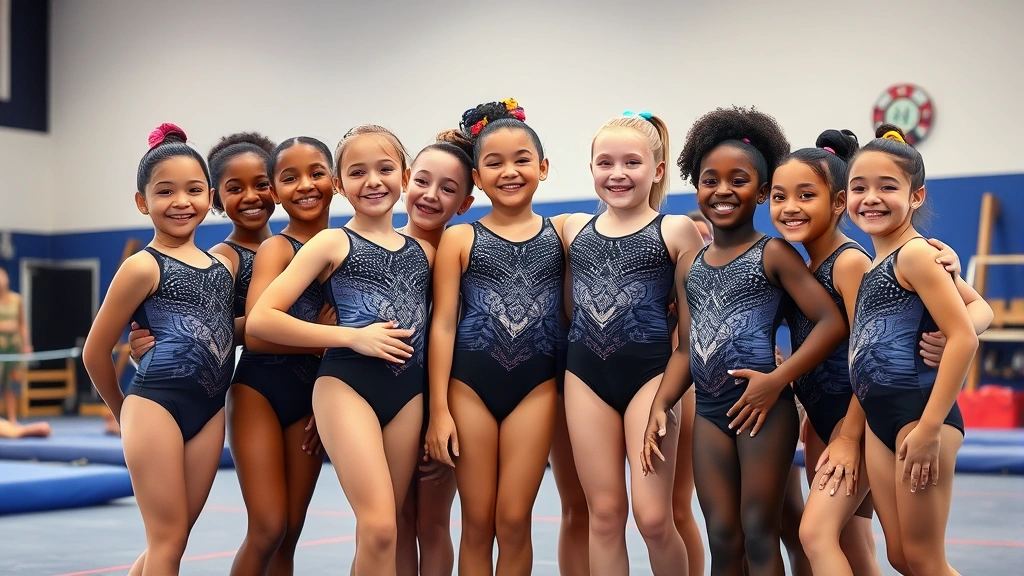
‘ alt=’Group of young gymnasts of varying heights celebrating together, diverse athletes, positive energy, gym setting’ />
The real story of gymnastics and growth is one of opportunity, not limitation. Gymnastics develops physical capabilities, mental resilience, and self-confidence that extend far beyond the sport itself. These benefits contribute to genuine personal growth—the kind that matters most. By separating scientific fact from persistent myth, young athletes and their families can make informed decisions about participation based on passion and opportunity rather than unfounded fears.
FAQ
Does gymnastics stunt growth in children?
No. Scientific research consistently shows that gymnastics training does not stunt growth when athletes receive adequate nutrition, sleep, and recovery. Elite gymnasts tend to be shorter due to selection bias—shorter athletes have biomechanical advantages in gymnastics—not because training suppressed their growth.
Why are gymnasts typically shorter than other athletes?
Gymnastics rewards specific physical characteristics: lower center of gravity, reduced joint stress, and superior power-to-weight ratio. Shorter athletes naturally excel at these requirements, so they’re overrepresented in elite gymnastics. This is selection bias, not a training effect.
What should young gymnasts eat to support growth?
Young gymnasts need adequate calories matching training demands, 1.2-2.0 grams protein per kilogram body weight daily, sufficient calcium and vitamin D for bone health, and adequate iron. Work with a sports nutritionist to ensure proper nutrition for both training and development.
How much sleep do young athletes need?
Young athletes should aim for 8-10 hours of quality sleep nightly. Growth hormone secretion peaks during deep sleep, making sleep critical for development. Protect sleep as seriously as training itself.
At what age do growth plates close?
Growth plates typically close between late adolescence and early adulthood, generally by the early twenties. Once closed, no further bone lengthening is possible. The exact timing varies among individuals and between bones.
Can intensive training affect growth hormone?
Properly structured training with adequate recovery actually supports normal growth hormone function. Only extreme conditions—severe overtraining, extreme caloric restriction, or medical issues—suppress growth hormone. Standard gymnastics training does not create these extreme conditions.
Should I let my child do gymnastics if they’re small for their age?
Yes, absolutely. Small stature is not contraindicated for gymnastics and may provide biomechanical advantages. Your child’s height reflects their genetics, not their sport choice. If you have growth concerns unrelated to gymnastics, consult your pediatrician.
What’s the difference between gymnastics training and growth stunting?
Gymnastics training is a normal physical activity that supports bone health and development. Growth stunting would require extreme conditions: severe malnutrition, extreme overtraining, or medical conditions affecting growth hormone. Standard gymnastics training creates none of these conditions.


