Minoxidil for Beard: Dermatologist Insights on Growth, Safety, and Results
Facial hair growth remains one of the most sought-after aesthetic improvements for men worldwide, yet not everyone can achieve their desired beard density naturally. Minoxidil for beard growth has emerged as a scientifically-backed solution that extends far beyond its original use as a scalp treatment. Dermatologists increasingly recommend this topical medication to patients struggling with patchy beards, slow growth rates, or thinning facial hair. Understanding how minoxidil works, its effectiveness, potential side effects, and proper application methods can help you make an informed decision about whether this treatment aligns with your personal growth and transformation goals.
This comprehensive guide draws from dermatological research and clinical expertise to provide you with evidence-based insights into minoxidil beard treatment. Whether you’re beginning your journey toward improved self-confidence through enhanced appearance or seeking to optimize your current grooming strategy, this article equips you with the knowledge needed to approach this treatment responsibly and effectively.
How Minoxidil Works for Beard Growth
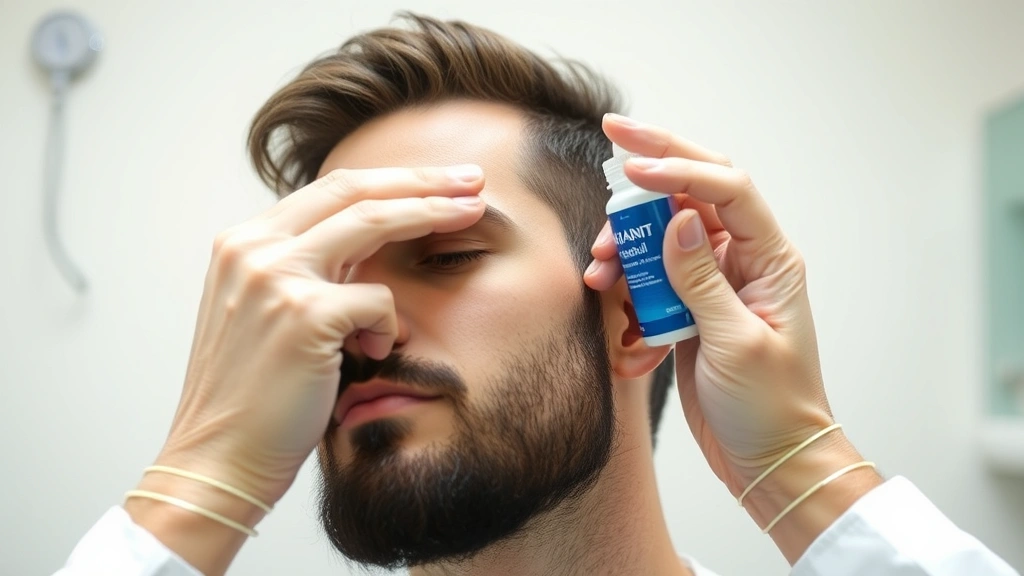
Minoxidil operates through a sophisticated mechanism that addresses the biological factors limiting beard development. Originally developed as an oral medication for hypertension, researchers discovered its remarkable side effect: hair growth stimulation. When applied topically to facial hair, minoxidil works by extending the anagen phase of hair growth—the active growth period during which hair cells actively divide and lengthen.
The medication functions as a potassium channel opener, meaning it dilates blood vessels in the treated area. This improved blood flow delivers increased oxygen and nutrients directly to hair follicles, nourishing them at the cellular level. Additionally, minoxidil may stimulate prostaglandin production, which plays a crucial role in hair follicle activity. For men pursuing personal improvement through enhanced appearance, this biological mechanism represents a tangible path toward achieving their aesthetic goals outlined in your growth and transformation plan.
The medication also appears to shift hair follicles from the telogen phase (resting phase) into the anagen phase more efficiently. This means dormant or miniaturized follicles—common in patchy beards—receive the biological signals needed to produce thicker, longer hairs. Understanding this mechanism helps explain why results require patience; your follicles must complete their natural growth cycles to reveal the full benefits.
Clinical Evidence and Effectiveness
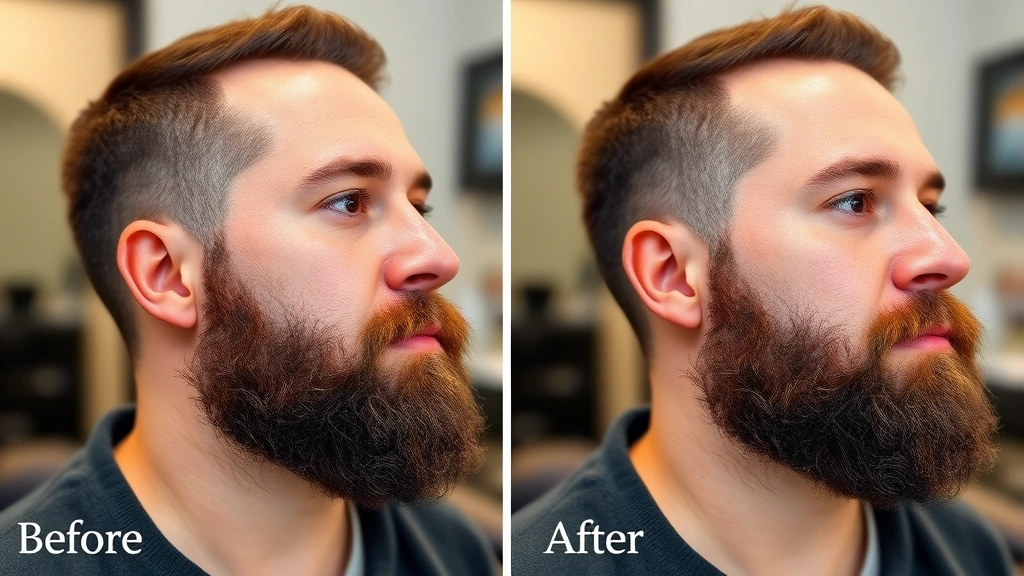
Dermatological research provides compelling evidence supporting minoxidil’s efficacy for beard growth. A landmark study published in the Journal of the American Academy of Dermatology demonstrated that 3% minoxidil significantly increased beard thickness and density compared to placebo groups. Participants using minoxidil showed measurable improvements in hair count, shaft diameter, and overall beard fullness within 16 weeks.
Clinical trials consistently show that approximately 40-50% of users experience significant beard improvement, with another 30-40% observing moderate growth increases. Success rates vary based on individual factors including genetics, age, baseline testosterone levels, and treatment consistency. Men with androgenetic alopecia (male pattern baldness) often experience superior results, suggesting genetic predisposition toward androgen sensitivity plays a role in treatment response.
Research from Dermatology Online Journal indicates that minoxidil effectiveness for beards rivals or exceeds its use for scalp hair in some cases. The facial skin’s unique characteristics—higher blood flow, different follicle structure—may actually optimize minoxidil’s mechanisms. This finding encourages men seeking self-improvement through appearance enhancement to consider minoxidil a legitimate, evidence-based option rather than an experimental approach.
Importantly, dermatologists note that minoxidil works best on miniaturized follicles rather than completely dormant ones. If you have areas where you’ve never grown any beard hair, minoxidil’s effectiveness decreases significantly. However, for patchy areas or regions with fine, light hairs, the medication demonstrates remarkable potential for transformation.
Minoxidil Concentrations and Formulations
Available minoxidil formulations vary in strength, delivery mechanism, and suitability for beard application. The most common concentration is 5%, available over-the-counter in liquid, foam, and gel formulations. This concentration has undergone extensive clinical testing for both scalp and facial hair applications. The 5% strength balances efficacy with tolerability, making it the dermatologist-recommended starting point for most patients.
A lower 2% concentration exists primarily for scalp use, though some men experiment with it for beards. Dermatologists generally recommend starting with 5% for facial hair, as the beard area typically requires higher concentrations for optimal results compared to the scalp. Some specialized compounding pharmacies offer custom formulations, including 10% minoxidil or combinations with other compounds, though these require a dermatologist’s prescription and supervision.
Regarding formulation type, each offers distinct advantages:
- Liquid minoxidil: Most affordable, allows precise application, but can be messy and requires careful handling to avoid dripping
- Foam minoxidil: Easier application, less dripping, faster drying time, though slightly more expensive
- Gel formulations: Preferred by many users for beard application due to controlled delivery and minimal mess
Your choice between formulations should consider your lifestyle, application preferences, and commitment to consistent use. Much like selecting productivity tools that align with your habits, choosing a minoxidil formulation you’ll use consistently matters more than selecting the theoretically optimal version.
Application Methods and Best Practices
Proper application technique significantly impacts minoxidil’s effectiveness for beard growth. Dermatologists recommend applying 1 milliliter of minoxidil twice daily—morning and evening—directly to clean, dry skin in the beard area. This dosing has been established through clinical trials and represents the optimal balance between efficacy and safety.
Follow these evidence-based application steps:
- Cleanse your face thoroughly and allow skin to dry completely (5-10 minutes minimum)
- Use the provided applicator to dispense 1ml of minoxidil
- Apply the medication directly to affected areas, focusing on patchy or thin regions
- Gently massage the product into your beard and skin using your fingertips
- Allow minoxidil to dry completely before touching your face (typically 3-4 minutes)
- Avoid washing your face or showering for at least 4 hours after application
- Repeat the process in the evening before bed
Consistency represents the most critical factor in minoxidil success. Missing applications reduces effectiveness and extends the timeline to visible results. Many users benefit from setting phone reminders or incorporating minoxidil application into established routines—similar to how building consistent motivation habits requires systematic approaches rather than relying on willpower alone.
Apply minoxidil to completely dry skin, as moisture can interfere with absorption and reduce effectiveness. Avoid applying other beard products—oils, balms, or styling products—for at least 4 hours after minoxidil application. This waiting period ensures the medication penetrates adequately without interference.
Timeline: When to Expect Results
Understanding the realistic timeline for minoxidil beard results helps maintain motivation and manage expectations throughout treatment. Most users require 3-4 months of consistent application before observing noticeable improvements. This timeline aligns with your hair growth cycle; existing hairs must complete their natural shedding phase before new, thicker hairs emerge.
Many men experience an initial shedding phase during weeks 2-6 of treatment. This temporary increase in hair loss concerns many users, but dermatologists assure that this represents a positive sign. Minoxidil is pushing older, thinner hairs out of their follicles to make room for new, thicker growth. This shedding typically subsides within 4-6 weeks as new hair growth accelerates.
A realistic progression timeline looks like this:
- Weeks 1-2: No visible changes; follicles begin responding at cellular level
- Weeks 2-6: Possible temporary shedding; some users report increased itch or flaking
- Weeks 6-12: Fine, light hairs begin appearing in treated areas; existing hairs may appear thicker
- Weeks 12-16: More substantial improvement visible; beard appears noticeably fuller
- Months 4-6: Maximum results typically achieved; continued improvement possible up to month 12
- Month 6+: Maintenance phase; consistent results with continued application
Patience proves essential during this extended timeline. Much like pursuing meaningful goals that require sustained effort, minoxidil success demands commitment beyond the quick-fix mentality. Your willingness to maintain this regimen for several months separates those who achieve remarkable results from those who abandon treatment prematurely.
Side Effects and Safety Considerations
While minoxidil demonstrates excellent safety for topical use, understanding potential side effects enables informed decision-making. The most common side effect is scalp irritation, occurring in approximately 6-8% of users. This typically manifests as mild itching, redness, or flaking in the application area. These symptoms usually resolve within 2-4 weeks as your skin adapts to the medication.
Specific side effects dermatologists monitor include:
- Contact dermatitis: Allergic reaction to minoxidil or its inactive ingredients; switch formulations if this occurs
- Hypertrichosis: Unwanted hair growth in adjacent areas; avoid applying beyond intended beard region
- Facial flushing or temporary redness: Results from increased blood flow; typically mild and temporary
- Dryness or flaking: Manage with gentle moisturizer applied after minoxidil dries
Systemic absorption represents a theoretical concern with topical minoxidil, though clinical evidence suggests minimal risk when used as directed. The amount of minoxidil entering the bloodstream through facial skin application is substantially lower than oral doses. However, individuals with cardiovascular conditions should consult their physician before beginning treatment.
Pregnant women and those planning pregnancy should avoid minoxidil, as insufficient safety data exists for this population. Men with known minoxidil allergies or those taking certain cardiovascular medications should discuss beard treatment options with their dermatologist or primary care physician first.
Combining Minoxidil with Other Treatments
Many dermatologists recommend combining minoxidil with complementary treatments for optimized beard growth results. Finasteride (Propecia), a 5-alpha reductase inhibitor, pairs effectively with minoxidil by addressing the hormonal factors contributing to hair loss while minoxidil stimulates growth directly. This combination targets beard growth from multiple biological angles, potentially accelerating and maximizing results.
Dermatological research supports several other complementary approaches:
- Microneedling: Using a dermaroller (0.5-1.5mm) 1-2 times weekly may enhance minoxidil penetration and stimulate collagen production in beard areas
- Biotin supplementation: While evidence is modest, biotin supports hair health and keratin production
- Proper nutrition: Ensure adequate protein, iron, zinc, and B vitamins—essential for hair growth
- Stress management: Chronic stress elevates cortisol, which can impair hair growth; see our blog for stress management strategies
- Adequate sleep: Hair growth accelerates during sleep when growth hormone peaks
The synergistic approach—combining minoxidil with lifestyle optimization—aligns with comprehensive personal improvement philosophy. Just as creating a vision board requires multiple elements working together, maximizing beard growth involves coordinating biological treatments with lifestyle factors.
Avoid combining minoxidil with other topical beard growth products without dermatologist guidance. Multiple active ingredients may cause irritation or reduce individual efficacy. Your dermatologist can recommend safe combination protocols based on your specific situation.
Maintenance and Long-Term Use
Minoxidil beard treatment requires ongoing commitment to maintain results. Discontinuing minoxidil typically results in gradual beard regression over 3-6 months, as follicles return to their pre-treatment state. This reality underscores the importance of understanding minoxidil as a long-term maintenance treatment rather than a permanent solution.
Many users adopt a sustainable approach: continuing minoxidil indefinitely at the established twice-daily dosing, or exploring maintenance protocols with their dermatologist. Some men successfully transition to once-daily application after achieving desired results, though research on reduced-frequency maintenance remains limited. Any dosing adjustments should occur under dermatological supervision.
Long-term safety data supports minoxidil’s safety for extended use when applied topically as directed. Studies tracking users for 5+ years show no accumulation of adverse effects or tolerance development. Your skin maintains consistent responsiveness to the medication, provided you maintain consistent application.
Cost considerations matter for long-term sustainability. Generic 5% minoxidil costs approximately $15-30 monthly, making it more affordable than many personal development investments. Budget for ongoing treatment when evaluating whether minoxidil fits your financial and personal growth priorities.
Document your progress through photos taken under consistent lighting conditions monthly. These visual records provide motivation during extended treatment timelines and help you objectively assess whether minoxidil delivers the results you anticipated. This systematic documentation mirrors best practices in developing comprehensive growth and transformation plans.
Frequently Asked Questions
Can minoxidil regrow a completely bald beard area?
Minoxidil works best on miniaturized follicles that still exist but produce fine, light hairs. If an area has never grown any beard hair, minoxidil’s effectiveness decreases substantially. However, dermatologists report that areas with sparse or fine beard growth typically respond well to treatment, often producing noticeably thicker, darker hairs within 4-6 months.
Is minoxidil safe to use daily forever?
Yes, topical minoxidil has demonstrated safety for long-term daily use when applied as directed. Clinical studies tracking users for 5+ years show no accumulation of adverse effects. However, discontinuing treatment typically leads to gradual beard regression, making it a maintenance treatment rather than a permanent solution. Discuss long-term use plans with your dermatologist.
Does minoxidil work better for certain beard types?
Minoxidil shows superior effectiveness in users with genetic predisposition toward androgenetic alopecia and those with existing miniaturized beard follicles. Men with darker hair, higher baseline testosterone sensitivity, and younger age generally experience more dramatic results. Individual response varies significantly; dermatologists recommend starting treatment to assess personal effectiveness rather than predicting outcomes based on demographics.
Can women use minoxidil for facial hair growth?
While some women use minoxidil for facial hair reduction (through hair growth suppression on the scalp), applying minoxidil to facial areas in women is generally not recommended without dermatological supervision. Pregnancy concerns and potential systemic absorption make physician consultation essential before female use.
What happens if I miss doses of minoxidil?
Occasional missed doses minimally impact results, but consistent missed applications reduce overall effectiveness and extend timelines to visible improvement. Dermatologists emphasize consistency as the most critical success factor. Setting phone reminders or integrating minoxidil into established daily routines helps maintain adherence to the twice-daily application schedule.
Can minoxidil cause permanent side effects?
Topical minoxidil has not been associated with permanent adverse effects when used as directed. Temporary side effects like irritation or itching resolve within weeks as your skin adapts. Hypertrichosis (unwanted hair growth in adjacent areas) reverses within months after discontinuing treatment in the affected region. Consult your dermatologist immediately if you experience unexpected reactions.
Is prescription minoxidil stronger than over-the-counter?
The standard 5% minoxidil concentration available over-the-counter is the same strength used in clinical trials and recommended by dermatologists for beard growth. Prescription options typically offer custom formulations or higher concentrations (10%+), which some dermatologists prescribe for non-responders to standard treatment. Over-the-counter 5% represents the evidence-based starting point for most users.
How does minoxidil compare to beard transplants?
Minoxidil offers a non-invasive, affordable approach to improving existing beard growth, while beard transplants provide permanent density increases through surgical hair relocation. Dermatologists often recommend trying minoxidil for 6 months before considering transplants, as many patients achieve satisfactory results without surgery. Combining minoxidil with transplants may optimize outcomes in severe cases.


