
Do Laser Hair Caps Work? Dermatologist Insights on Low-Level Light Therapy
Hair loss affects millions of people worldwide, and the search for effective solutions has led many to explore innovative technologies like laser hair growth caps. These devices, which use low-level laser therapy (LLLT), have gained significant attention in recent years as a non-invasive alternative to traditional hair restoration methods. But do they actually work? This comprehensive guide examines the scientific evidence, dermatologist perspectives, and practical considerations to help you make an informed decision about whether a laser hair growth cap is right for you.
The promise of regrowing hair without surgery or medications is undeniably appealing. However, separating marketing hype from genuine clinical results requires understanding the science behind these devices and what peer-reviewed research actually demonstrates. Throughout this article, we’ll explore how laser hair caps function, what the evidence shows, and how they compare to other hair growth solutions available today.
How Laser Hair Caps Work
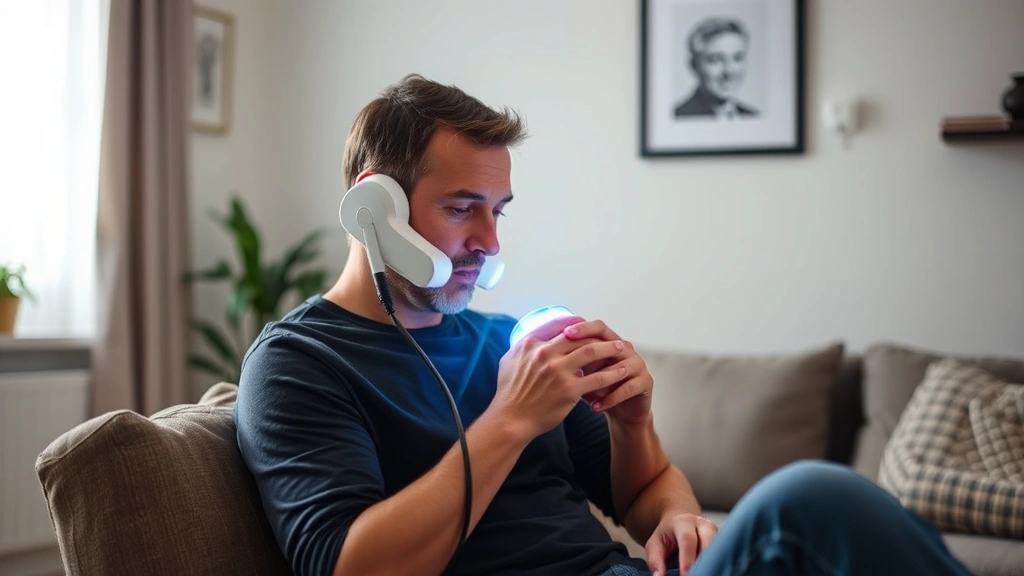
A laser hair growth cap is a wearable device that emits specific wavelengths of light directly onto the scalp. These devices typically use red or near-infrared light, usually in the 600-1000 nanometer wavelength range. The cap is worn for specific durations—usually 15-30 minutes per session—several times per week, and the light energy penetrates the scalp to reach hair follicles.
The mechanism relies on photobiomodulation, a process where light energy is absorbed by cellular components, particularly mitochondrial chromophores like cytochrome c oxidase. This absorption stimulates the production of adenosine triphosphate (ATP), the energy currency of cells. The theory is that increased cellular energy in hair follicles can extend the growth phase of the hair cycle and potentially reverse miniaturization—the process where follicles shrink due to genetic sensitivity to DHT (dihydrotestosterone).
Unlike surgical interventions or pharmaceutical approaches, laser caps represent a non-invasive, drug-free method that users can apply at home. They’ve become increasingly popular because they require no prescriptions, have minimal reported side effects, and fit into daily routines relatively easily. The convenience factor has contributed to their widespread adoption, though convenience doesn’t automatically translate to efficacy.
The Science Behind Low-Level Laser Therapy
The theoretical foundation for using light therapy in hair restoration isn’t new. Researchers have studied photobiomodulation for decades, with applications ranging from wound healing to muscle recovery. The specific application to hair growth emerged from observations that light therapy could stimulate cellular activity in dormant or weakened tissues.
When light in the red to near-infrared spectrum strikes hair follicles, it’s absorbed by mitochondria within follicle cells. This absorption activates cytochrome c oxidase in the electron transport chain, which facilitates ATP production. More ATP theoretically means more energy available for follicle cells to perform their functions—including extending the anagen (growth) phase of the hair cycle and potentially counteracting the effects of DHT-induced miniaturization.
Research published in Dermatology Practical & Conceptual demonstrates that LLLT can increase blood flow to the scalp and reduce inflammation, both of which theoretically support healthier hair growth. Additionally, studies suggest that light therapy may influence growth factors like vascular endothelial growth factor (VEGF), which supports blood vessel formation and nutrient delivery to follicles.
However, the gap between theoretical mechanisms and practical results remains significant. While the cellular biology is sound, translating this into consistent, clinically meaningful hair regrowth has proven more challenging than the initial theories suggested.
Clinical Evidence and Research
When examining clinical evidence, the picture becomes more nuanced than marketing materials suggest. Several peer-reviewed studies have demonstrated positive results with LLLT for hair growth, but the magnitude of improvement and consistency across studies varies considerably.
A 2013 meta-analysis in Lasers in Surgery and Medicine reviewed multiple LLLT studies and found statistically significant improvements in hair count and thickness compared to placebo in many cases. However, the researchers noted considerable heterogeneity in study designs, device specifications, treatment protocols, and measured outcomes, making direct comparisons difficult.
More recent research has shown mixed results. Some studies report hair density increases ranging from 15-25% over 16-26 weeks of treatment, while others show minimal differences between treatment and control groups. The variation appears related to factors including:
- Wavelength of light used (different wavelengths penetrate differently)
- Power density and total energy delivered
- Treatment frequency and duration
- Baseline hair loss severity
- Individual genetic and physiological factors
- Type of hair loss being treated
The FDA has cleared certain laser devices for treating hair loss, which indicates they’ve met safety standards and shown some efficacy in clinical testing. However, FDA clearance should not be interpreted as definitive proof of dramatic hair regrowth—it means the device is safe and shows statistically significant but often modest improvements over placebo.
What Dermatologists Say
Dermatologists’ perspectives on laser hair caps are notably cautious and evidence-based. Most acknowledge that LLLT has some scientific support but emphasize the importance of realistic expectations. The American Academy of Dermatology recognizes LLLT as a potential option, but it’s typically not recommended as a first-line treatment for androgenetic alopecia (pattern hair loss).
Dr. dermatologists specializing in hair disorders often recommend laser caps as a complementary treatment rather than a standalone solution. Many suggest combining them with proven interventions like minoxidil or finasteride for potentially better results. This combination approach reflects the understanding that hair loss is multifactorial and addressing it from multiple angles may be more effective than relying on a single modality.
Dermatologists also emphasize that results, when they occur, develop slowly. Most studies showing positive outcomes required 16-26 weeks of consistent use before meaningful changes appeared. Additionally, like other hair growth treatments, laser caps appear to require ongoing use to maintain any benefits—discontinuing treatment often leads to regression.
Many dermatologists appreciate that laser caps have an excellent safety profile with minimal side effects, making them a low-risk option for patients seeking to explore non-pharmaceutical approaches. However, they caution against viewing them as a miracle cure or replacement for more established treatments with stronger evidence bases.
Effectiveness for Different Hair Loss Types
The effectiveness of laser hair caps appears to vary significantly depending on the type and stage of hair loss being treated.
Androgenetic Alopecia (Pattern Hair Loss): This is the most common type of hair loss and the primary focus of most LLLT research. Results are generally modest, with improvements more noticeable in earlier stages of hair loss. Someone experiencing early thinning may see more dramatic results than someone with advanced baldness.
Telogen Effluvium: This condition involves temporary, widespread shedding typically triggered by stress, illness, or hormonal changes. Some research suggests LLLT may be helpful in this context, though the condition often resolves naturally over time, making it difficult to attribute improvement solely to treatment.
Alopecia Areata: This autoimmune condition causes patchy hair loss. Limited research exists on LLLT for alopecia areata, and results have been inconsistent. It’s not typically recommended as a primary treatment for this condition.
Post-Surgical or Post-Procedural Hair Loss: Some evidence suggests LLLT may help with hair recovery after procedures like hair transplants or medical treatments. This application shows more promise than treatment of established pattern hair loss.
The stage of hair loss matters considerably. Laser caps appear most effective when used early in the hair loss process, potentially helping to slow progression or stabilize hair density. Once significant baldness has occurred, expecting laser caps alone to produce substantial regrowth is unrealistic based on current evidence.
Comparing Laser Caps to Other Treatments
To properly evaluate laser hair caps, it’s helpful to understand how they compare to other available options. If you’re exploring hair loss solutions, you might also consider beard growth supplements or other topical approaches like hair growth oil for women, though these work through different mechanisms.
Minoxidil (Rogaine): This topical treatment has stronger clinical evidence than LLLT. Studies consistently show 15-25% increases in hair count over 16 weeks. It’s FDA-approved, affordable, and well-studied. However, it requires twice-daily application and can cause scalp irritation in some users. Like laser caps, it requires ongoing use.
Finasteride (Propecia): This oral medication blocks DHT production and has the strongest evidence base for treating male pattern baldness. Clinical trials show it can regrow hair and significantly slow hair loss progression in most users. However, it carries potential side effects including sexual dysfunction and requires a prescription. It’s specifically for men.
Hair Transplantation: This surgical approach provides the most dramatic, permanent results for suitable candidates. It’s expensive ($4,000-$15,000+) and involves downtime, but transplanted hair is permanent and doesn’t require ongoing treatment.
Platelet-Rich Plasma (PRP): This emerging treatment involves injecting concentrated platelets into the scalp. Evidence is growing but remains limited compared to minoxidil or finasteride. It’s expensive and requires multiple sessions.
Laser caps occupy a middle ground—more convenient than twice-daily topical application, but with weaker evidence than minoxidil or finasteride. They’re non-invasive like topicals but don’t carry pharmaceutical side effects. For many users, the ideal approach combines laser caps with another treatment modality.

Safety and Potential Side Effects
One of the strongest arguments in favor of laser hair caps is their excellent safety profile. Adverse effects are rare and generally mild when they do occur. Reported side effects include:
- Temporary scalp irritation: Some users report minor redness or tingling, usually resolving quickly
- Headaches: Rarely reported, typically mild
- Increased shedding: Some users experience temporary increased hair shedding initially, which may reflect the hair cycle adjustment
- Eye concerns: Though devices are designed to avoid direct eye exposure, users with light sensitivity should exercise caution
The safety profile is significantly better than pharmaceutical options like finasteride, which can cause sexual dysfunction and other systemic effects in some users. This makes laser caps an attractive option for those with concerns about medication side effects or those seeking to avoid pharmaceutical interventions.
However, safety doesn’t equal efficacy. A treatment can be perfectly safe while providing minimal benefit. The lack of side effects shouldn’t overshadow the modest nature of results demonstrated in clinical studies.
For users considering laser caps, the main risks are financial (the devices are expensive, typically $300-$1,000+) and opportunity cost (time spent using a laser cap might be better spent on treatments with stronger evidence, or the investment might be better allocated toward proven treatments).
FAQ
How long does it take to see results from a laser hair cap?
Most clinical studies show that meaningful results, if they occur, typically appear after 16-26 weeks of consistent use. Some users report seeing initial changes in hair texture or reduced shedding sooner, but visible density improvements generally require patience. This timeline is comparable to minoxidil but slower than some users hope.
Can laser hair caps regrow hair that’s completely gone?
Evidence suggests laser caps are most effective for slowing hair loss and potentially improving hair density in areas with existing miniaturized follicles. Regrowing hair in areas with completely inactive follicles is unlikely. They work best as a preventive or early-intervention tool rather than a solution for advanced baldness.
Do I need to use a laser cap forever?
Like most hair loss treatments, discontinuing laser cap use typically results in regression. If the underlying cause of hair loss (genetic predisposition, DHT sensitivity) remains unchanged, hair will likely return to its previous pattern. Ongoing maintenance appears necessary to sustain any benefits.
Are all laser caps equally effective?
No. Effectiveness varies based on wavelength, power output, treatment area coverage, and device design. Devices cleared by the FDA have demonstrated some efficacy, but results can vary between different models and manufacturers. Reading clinical data specific to your device of interest is important.
Can I combine a laser cap with other hair loss treatments?
Yes, and many dermatologists recommend combining approaches. Using a laser cap alongside minoxidil or finasteride may provide better results than either treatment alone, though research specifically on combination therapy is limited. Consult with a dermatologist before combining treatments.
How much do laser hair caps cost?
Prices range from $300 to $1,500+ depending on the device quality, size of treatment area, and brand. Most insurance plans don’t cover them since they’re considered elective. This significant cost should be weighed against the modest, inconsistent evidence of effectiveness.
Are laser caps safe for all hair types?
Laser caps appear safe across different hair and skin types based on available research. However, individuals with photosensitivity disorders, certain medications that increase light sensitivity, or scalp conditions should consult a dermatologist before use.
Understanding personal growth extends beyond physical appearance—it includes making informed decisions about your health. If you’re interested in broader personal growth strategies, consider how self-education and evidence-based decision-making apply across all areas of your life.
Final Verdict: Are Laser Hair Caps Worth It?
Based on dermatological evidence and clinical research, laser hair growth caps show promise but deliver modest results. They’re safe, non-invasive, and have a theoretical scientific basis. However, they’re not a miracle cure, and expectations should be carefully calibrated.
Laser caps may be worth considering if:
- You’re experiencing early-stage hair thinning and want to slow progression
- You want a non-pharmaceutical option with minimal side effects
- You’re willing to use the device consistently for 4-6 months to assess results
- You’re combining it with other treatments like minoxidil or finasteride
- You can afford the device without financial strain
Laser caps are probably not your best choice if:
- You have advanced baldness and expect significant regrowth
- You need quick results
- You’re looking for a proven, standalone solution
- The cost creates financial hardship
- You’re unwilling to commit to consistent, long-term use
The most evidence-based approach to hair loss involves consulting a dermatologist who can assess your specific situation, recommend appropriate treatments based on the stage and type of your hair loss, and potentially suggest combination therapy. Laser caps can be part of a comprehensive strategy, but they shouldn’t be viewed as a replacement for more established treatments with stronger evidence bases.
Remember that hair loss is multifactorial, and what works for one person may not work for another. Patience, realistic expectations, and willingness to explore multiple approaches—potentially including the guidance found on our GrowthLifeHub Blog—will serve you better than hoping any single treatment will be a complete solution.


