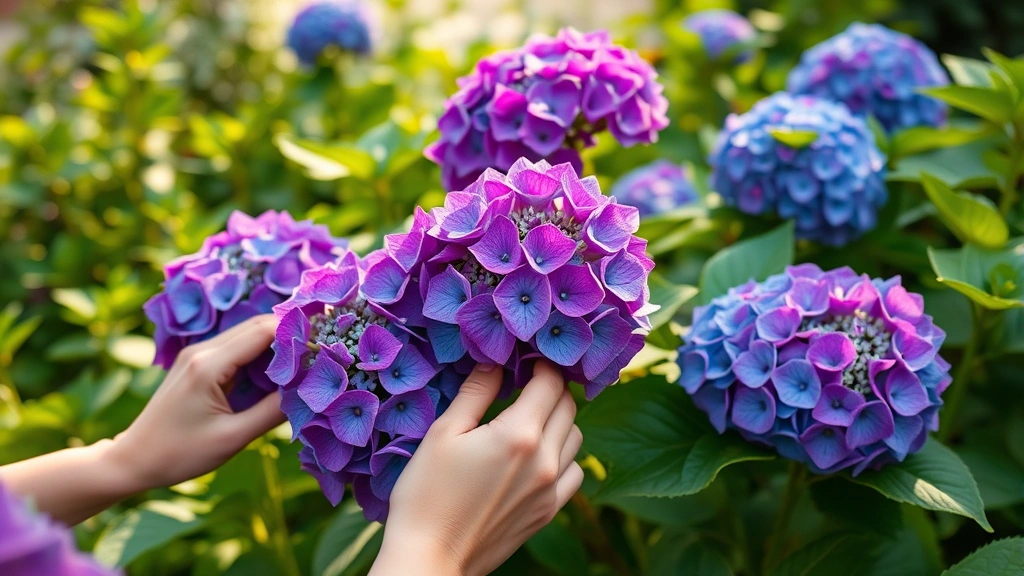
Hydrangea Growth Habit: Gardener’s Insights for Thriving Plants
Hydrangeas represent one of the most rewarding plants for gardeners seeking dramatic visual impact with manageable care requirements. These flowering shrubs have captivated gardeners for centuries, transforming landscapes with their voluminous blooms and elegant foliage. Understanding hydrangea growth habits is essential for anyone looking to cultivate these stunning plants successfully, whether you’re a seasoned gardener or someone just beginning to explore the rewarding world of horticulture. Like personal development itself, growing hydrangeas requires patience, knowledge, and consistent attention to the fundamentals.
The journey to mastering hydrangea cultivation mirrors the principles found in personal growth, where understanding your starting point and setting clear objectives leads to meaningful results. Just as goal setting requires specificity and planning, hydrangea gardening demands knowledge of species characteristics, environmental conditions, and pruning strategies. This comprehensive guide explores the intricate growth patterns of hydrangeas, providing practical insights that will help you cultivate thriving plants and develop your gardening expertise.
Understanding Hydrangea Species and Their Growth Patterns
Hydrangeas encompass multiple species, each with distinct growth habits and characteristics that influence how they develop in your garden. The most common varieties include bigleaf hydrangeas (Hydrangea macrophylla), panicle hydrangeas (Hydrangea paniculata), oakleaf hydrangeas (Hydrangea quercifolia), and smooth hydrangeas (Hydrangea arborescens). Each species exhibits unique growth patterns, bloom timing, and size potential that gardeners must understand to provide appropriate care.
Bigleaf hydrangeas are the most popular choice for many gardeners, reaching heights of 4 to 8 feet with impressive 4 to 8-inch flower heads. These plants display vigorous growth during their active season and respond dramatically to environmental conditions. Panicle hydrangeas grow more upright and can reach 15 feet tall, producing cone-shaped flower clusters that transition from white to pink as they mature. Understanding these growth characteristics helps you select the right species for your garden space and anticipate the mature size of your plants.
Oakleaf hydrangeas offer a different aesthetic with deeply lobed foliage and elongated white flower clusters, typically growing 4 to 6 feet tall. Smooth hydrangeas are native North American varieties that thrive in various climates and produce large, dome-shaped flower clusters. Like developing growth mindset through understanding your own strengths, recognizing which hydrangea species matches your conditions accelerates success.
Soil Conditions and pH Impact on Growth
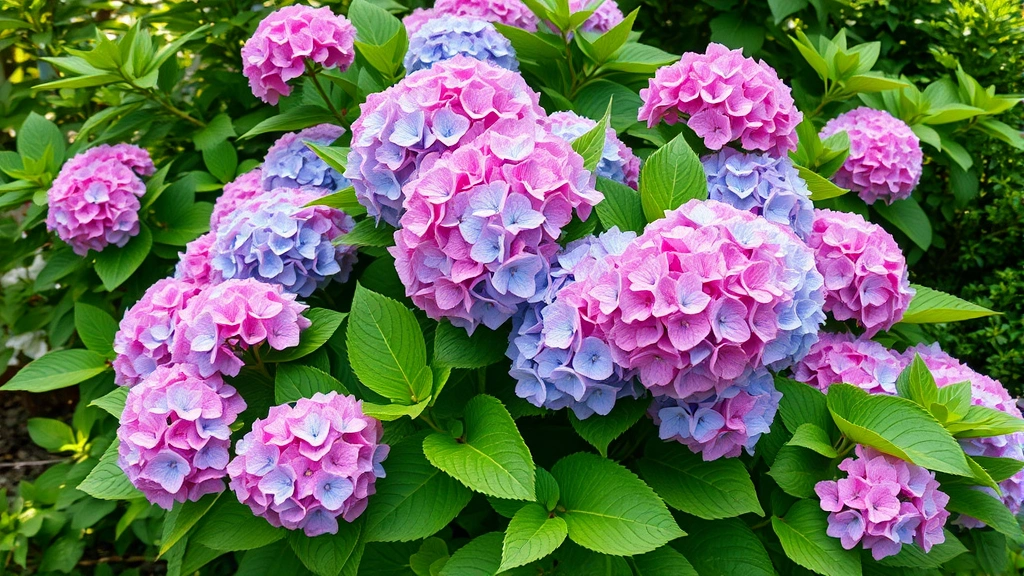
Soil composition represents one of the most critical factors influencing hydrangea growth habits and performance. These plants prefer well-draining soil rich in organic matter, with a pH range between 5.5 and 7.0 for most species. The fascinating aspect of hydrangea cultivation is how soil pH directly affects flower color in bigleaf varieties—acidic soils (below 6.0) produce blue flowers, while alkaline soils (above 7.0) produce pink flowers, with purple flowers appearing in neutral pH ranges.
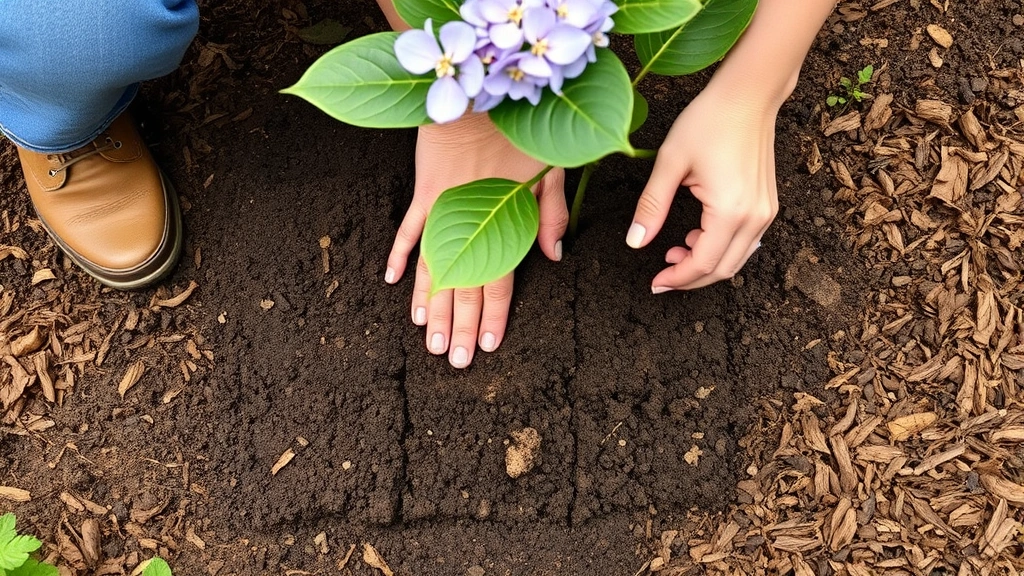
To optimize soil conditions, incorporate 2 to 3 inches of compost or aged bark mulch into planting areas before installation. This amendment improves drainage, increases organic matter, and creates a more favorable environment for root development. Testing your soil pH before planting allows you to make informed decisions about flower color preferences and necessary amendments. If your soil is too alkaline for desired blue flowers, add sulfur or acidifying fertilizers gradually over time. Conversely, if acidification is unwanted, adding lime increases pH naturally.
The relationship between soil preparation and plant success parallels the importance of motivation foundations in personal development—both require establishing proper conditions before expecting robust growth. Regular soil monitoring and amendment ensures sustained vigor throughout the growing season.
Mulching practices significantly enhance growth by regulating soil temperature, conserving moisture, and gradually improving soil structure as organic material decomposes. Apply 2 to 3 inches of mulch around plants, keeping it 6 inches away from stems to prevent rot and pest issues.
Light Requirements for Optimal Development
Light exposure profoundly influences hydrangea growth habits, flowering capacity, and overall plant vigor. Most hydrangea species thrive in partial shade, receiving 3 to 6 hours of sunlight daily, though specific requirements vary by type. Bigleaf and smooth hydrangeas prefer afternoon shade, particularly in hot climates, where intense sun exposure can scorch foliage and stress plants. Panicle hydrangeas demonstrate greater sun tolerance, flourishing with 6 to 8 hours of direct sunlight, which also promotes denser flowering and stronger stems.
In regions with intense summer heat, providing shade during afternoon hours protects plants from heat stress while maintaining adequate light for photosynthesis and bloom production. Morning sun exposure offers ideal conditions—plants benefit from warming and drying morning light while remaining protected from afternoon intensity. Insufficient light reduces flowering, encourages leggy growth, and diminishes plant vigor, making proper light assessment essential during site selection.
Understanding your garden’s light patterns throughout seasons helps you position hydrangeas optimally. Track light exposure for several days to determine which areas receive appropriate illumination levels. This systematic approach to environmental assessment mirrors strategies for overcoming obstacles through planning and careful observation.
Watering Strategies for Healthy Growth
Hydrangea growth depends significantly on consistent moisture availability, though these plants require well-draining soil that prevents waterlogging. The name “hydrangea” literally means “water vessel,” reflecting the plant’s substantial water requirements and characteristic large, water-rich leaves. Establishing proper watering practices from the beginning promotes vigorous growth, abundant flowering, and resilience to environmental stress.
Young hydrangeas require more frequent watering as they establish root systems, typically needing 1 to 2 inches of water weekly through rainfall or irrigation. Established plants still require consistent moisture, particularly during hot, dry periods when water loss accelerates. Deep, infrequent watering encourages deeper root development compared to shallow daily watering, creating more drought-tolerant plants over time.
Water delivery method significantly affects growth outcomes. Drip irrigation or soaker hoses deliver water directly to root zones, reducing foliage wetness that promotes fungal diseases. Morning watering allows foliage to dry quickly, further reducing disease pressure. During extreme heat or drought conditions, increase watering frequency while monitoring soil moisture to prevent both under and overwatering—conditions that equally stress plants and inhibit growth.
Mulching complements watering strategies by moderating soil temperature and reducing moisture evaporation, extending intervals between waterings while maintaining consistent soil moisture. This strategic combination of practices creates optimal growing conditions that support robust hydrangea development.
Pruning Techniques for Shape and Vigor
Pruning represents one of the most important cultural practices influencing hydrangea growth habits, yet it remains a source of confusion for many gardeners. Different species require different pruning approaches based on their flowering characteristics and growth patterns. Understanding when and how to prune prevents common mistakes that reduce flowering or compromise plant structure.
Bigleaf and oakleaf hydrangeas flower on old wood—stems that developed during the previous year. These varieties should be pruned immediately after flowering, typically in late summer, allowing new growth to harden before winter dormancy. Remove dead, diseased, or weak stems first, then selectively prune to shape plants and improve air circulation. Avoid heavy pruning that removes excessive growth and eliminates next season’s flower buds.
Panicle and smooth hydrangeas flower on new wood—stems that develop during the current growing season. These varieties tolerate aggressive spring pruning (before growth begins), allowing gardeners to shape plants heavily without sacrificing flowers. Spring pruning of new-wood hydrangeas encourages bushier growth with more flowering stems.
Strategic pruning timing and technique directly influence flowering abundance and plant architecture. Research from University of Maryland’s horticultural programs demonstrates how proper pruning timing increases flower bud set by 40-60% compared to improper timing. Remove no more than one-third of plant growth annually to maintain vigor while achieving desired shapes.
Dead-heading spent flowers encourages continued blooming in some varieties while improving appearance. However, allow flowers to remain in fall and winter, as their dried forms provide aesthetic interest and protect developing buds beneath.
Seasonal Growth Cycles and Timing
Hydrangea growth follows distinct seasonal patterns that influence management decisions throughout the year. Spring represents the primary growth phase when temperatures warm and day length increases, triggering active development and leaf expansion. During this period, provide adequate water, appropriate light, and balanced fertilization to support vigorous growth.
Summer brings peak flowering as plants reach their aesthetic potential. Maintain consistent moisture and monitor for stress signs like wilting or leaf discoloration. Some varieties may produce secondary flowering if conditions remain favorable. Late summer and early fall represent the transition period when growth slows, flower development completes, and plants begin hardening growth in preparation for dormancy.
Winter dormancy is essential for hydrangea health, as cold exposure helps plants develop flower buds for next season. Avoid fertilizing after mid-summer, as nitrogen application stimulates tender new growth vulnerable to winter damage. Fall pruning (except for immediate post-flowering pruning of old-wood varieties) should be avoided, as it encourages new growth that frost will damage.
Understanding these seasonal cycles allows you to time management activities optimally. This knowledge parallels the importance of regular growth tracking in personal development—seasonal assessment and adjustment enhance long-term success.
Common Growth Problems and Solutions
Despite best efforts, hydrangeas sometimes experience growth challenges that require diagnosis and intervention. Recognizing problems early enables swift corrections that restore plant vigor. Research from Clemson University Extension identifies the most common hydrangea growth issues and effective solutions.
Poor flowering represents the most common complaint among hydrangea gardeners. This typically results from incorrect pruning timing (removing flower buds), insufficient light, excessive nitrogen fertilization, or frost damage to developing buds. Verify pruning timing matches your species, ensure adequate light exposure, use balanced or low-nitrogen fertilizers, and consider frost protection in late spring.
Wilting and leaf scorch indicate water stress, whether from insufficient watering or, paradoxically, poor drainage causing root rot. Assess soil moisture at 6-inch depth—soil should feel moist but not waterlogged. Improve drainage by amending soil with compost or sand if necessary. Increase watering frequency during hot, dry periods.
Yellowing leaves may indicate iron chlorosis (common in high-pH soils), nitrogen deficiency, or disease. Iron chlorosis appears as yellowing between leaf veins while veins remain green. Address this by lowering soil pH with sulfur or using chelated iron products. Nitrogen deficiency causes overall pale-green coloration; remedy with balanced fertilizer application in spring.
Fungal diseases like powdery mildew and leaf spot thrive in humid, poorly ventilated conditions. Improve air circulation through selective pruning, avoid wetting foliage, and apply fungicide if problems persist. Missouri Botanical Garden’s disease management guides provide detailed information on identifying and treating specific fungal problems.
Pest pressure from spider mites, Japanese beetles, or aphids can stress plants and inhibit growth. Monitor regularly and employ integrated pest management strategies—removing affected foliage, spraying insecticidal soap for soft-bodied insects, or using traps for beetles.
Winter damage from extreme cold or late spring frost kills developing buds or new growth. In cold regions, provide winter protection with burlap wrapping or mulch mounding. Choose cold-hardy varieties appropriate for your climate zone.
Frequently Asked Questions
How fast do hydrangeas grow annually?
Most hydrangea species grow 12 to 24 inches annually when conditions are favorable. Growth rate depends on species, age, growing conditions, and care quality. Young plants establish root systems before achieving rapid growth, while established plants reach full growth potential more quickly.
Can hydrangeas grow in full shade?
Most hydrangeas require at least 3 to 4 hours of sunlight daily for adequate flowering. While some varieties tolerate shade better than others, full shade typically results in reduced flowering and potentially leggy growth. Bigleaf varieties are the most shade-tolerant, while panicle hydrangeas require more light.
What’s the best fertilizer for hydrangea growth?
Balanced, slow-release fertilizers (equal nitrogen-phosphorus-potassium ratios like 10-10-10) support healthy growth without excessive vegetative growth at flowering expense. Apply in early spring and mid-spring, avoiding fertilization after mid-summer. Specialized hydrangea fertilizers often include micronutrients beneficial for growth and color.
How long before newly planted hydrangeas flower?
Nursery-grown hydrangeas often flower the first season after planting if they’re established plants. However, young rooted cuttings may require 2 to 3 years to reach flowering maturity. Patience during establishment years leads to more vigorous, longer-lived plants.
Can you transplant established hydrangeas?
Yes, hydrangeas tolerate transplanting reasonably well, though mature plants experience temporary growth setback. Transplant in early spring or fall when plants are semi-dormant, dig a generous root ball, and water thoroughly after moving. Avoid transplanting during summer heat or late fall when plants cannot establish roots before winter.
Why are my hydrangea leaves turning brown?
Brown leaves typically indicate water stress (either too much or too little), sunscald from intense afternoon sun, or disease. Assess soil moisture, provide afternoon shade if necessary, improve air circulation, and remove affected foliage. Consistent watering practices usually resolve most leaf browning issues.


