
Boost Beard Growth: Dermatologist-Approved Tips to Stimulate Facial Hair Development
A full, healthy beard is more than just a fashion statement—it’s a symbol of patience, dedication, and self-care. Whether you’re aiming for a thick lumberjack look or a refined stubble, understanding how to stimulate beard growth requires a scientific approach combined with consistent grooming habits. Many men struggle with patchy beards or slow growth rates, often unaware that the solution lies in a combination of nutritional support, proper skincare, and lifestyle optimization.
The good news is that beard growth is largely within your control. With the right strategies and commitment, you can dramatically improve the thickness, fullness, and health of your facial hair. This comprehensive guide draws from dermatological research and expert recommendations to provide you with actionable steps that actually work. Just as developing a growth and transformation plan requires strategic thinking, growing a better beard demands intentional effort and consistency.
Understanding Beard Growth Biology
Before diving into actionable strategies, it’s essential to understand how beard growth actually works at a biological level. Your facial hair grows from follicles beneath the skin’s surface, with each follicle operating on its own growth cycle. The beard growth cycle consists of three phases: the anagen phase (active growth, lasting 2-6 years), the catagen phase (transition period, lasting 2-3 weeks), and the telogen phase (resting period, lasting 3-4 months).
The rate at which your beard grows is influenced by genetics, age, hormonal levels, and overall health. On average, facial hair grows about half an inch per month, though this varies significantly among individuals. Understanding these biological factors helps explain why some men achieve impressive beards while others face challenges. The key is working with your body’s natural processes rather than against them.
Genetics determine your beard’s maximum potential thickness and growth pattern, but that doesn’t mean you’re stuck with what nature initially gave you. By optimizing the conditions under which your hair grows, you can maximize your genetic potential and achieve fuller, healthier facial hair. This mirrors the concept of adopting a growth mindset—recognizing that improvement comes through deliberate effort and proper strategy.
Optimize Your Nutrition for Facial Hair
Your beard is made of protein, so nutrition forms the foundation of healthy facial hair growth. Without adequate nutrients, your body prioritizes essential functions over beard development. This means you need to focus on specific vitamins, minerals, and macronutrients that directly support hair growth.
Protein is the primary building block of hair. Aim for 0.8-1.0 grams of protein per pound of body weight daily. Include sources like chicken, fish, eggs, legumes, and Greek yogurt. Biotin, also known as Vitamin B7, is crucial for keratin production—the protein that makes up your hair structure. Studies show biotin supplementation can improve hair quality and growth rate.
Iron deficiency can lead to hair loss and stunted growth. Incorporate red meat, spinach, and fortified cereals into your diet. Zinc plays a vital role in hair tissue growth and repair. Oysters, beef, pumpkin seeds, and chickpeas are excellent sources. Vitamin D influences hair follicle cycling; deficiency is linked to hair loss. Aim for 1000-2000 IU daily through sunlight exposure, fatty fish, or supplements.
Don’t overlook Vitamin C, which supports collagen production and iron absorption. Citrus fruits, berries, and bell peppers are readily available sources. Vitamin A promotes sebum production—the natural oil that conditions your beard. Sweet potatoes, carrots, and kale provide excellent amounts. Additionally, omega-3 fatty acids reduce inflammation and promote scalp health. Include fatty fish, flaxseeds, and walnuts in your regular diet.
Consider your diet as part of your broader personal growth journey. Improving nutrition benefits not just your beard, but your overall health, energy, and appearance. This comprehensive approach to self-improvement creates compounding benefits across multiple life areas.
The Role of Hormones and DHT
Testosterone and its derivative, dihydrotestosterone (DHT), are the primary hormonal drivers of beard growth. DHT is particularly important—it’s responsible for the development and thickness of facial hair. However, sensitivity to DHT varies greatly among individuals, which explains why some men develop thick beards while others with higher testosterone levels struggle with facial hair density.
To optimize hormone levels naturally, focus on resistance training and strength exercises. Research published in peer-reviewed journals demonstrates that resistance training increases testosterone levels and improves DHT sensitivity. Aim for 3-4 strength training sessions weekly, focusing on compound movements like squats, deadlifts, and bench presses.
Sleep is another critical hormone regulator. During deep sleep, your body produces testosterone and growth hormone—both essential for beard development. Aim for 7-9 hours nightly and maintain consistent sleep schedules. Poor sleep disrupts cortisol levels, which can inhibit testosterone production and accelerate hair loss.
Stress management is equally important. Chronic stress elevates cortisol, which suppresses testosterone and can trigger telogen effluvium—premature hair shedding. Incorporate meditation, yoga, or regular exercise to manage stress levels. These lifestyle modifications align with the principles of increasing motivation and maintaining consistency, which are essential for long-term success.
Skincare Routine for Beard Health
Healthy facial hair starts with healthy skin. Many men neglect beard-specific skincare, which is a critical mistake. Your beard grows from skin follicles, and poor skin health directly impacts beard quality and growth rate.
Cleanse properly: Wash your beard daily with a dedicated beard shampoo rather than regular hair shampoo. Regular shampoos strip natural oils, leading to dry, brittle hair. Beard shampoos are formulated to preserve sebum while removing dirt and debris. Use lukewarm water—hot water damages hair and irritates skin.
Exfoliate regularly: Dead skin cells accumulate around beard follicles, potentially causing ingrown hairs and stunted growth. Exfoliate 2-3 times weekly using a gentle scrub or exfoliating brush. This removes dead skin and increases blood flow to the area.
Moisturize consistently: After washing, apply beard oil or beard balm while your beard is still slightly damp. This locks in moisture and prevents dryness. Beard oils typically contain carrier oils like jojoba, argan, or coconut oil, plus essential oils that promote growth and health. Apply a small amount and work it through your entire beard.
Use beard conditioner: 2-3 times weekly, use a conditioning treatment specifically formulated for beards. This prevents split ends, improves softness, and reduces breakage. Leave-in conditioners are particularly effective for maintaining moisture throughout the day.
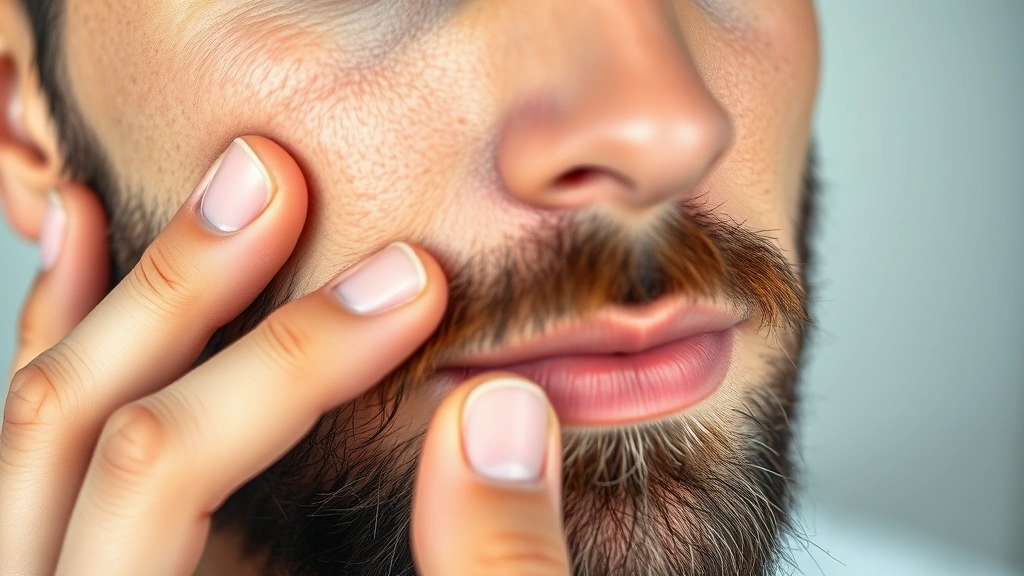
Massage your beard area: Daily scalp and beard massage increases blood flow to follicles, promoting nutrient delivery and growth. Spend 5 minutes daily massaging your cheeks, jawline, and chin using circular motions with your fingertips. This simple practice can significantly improve growth rates over time.
Lifestyle Factors That Accelerate Growth
Beyond nutrition and skincare, several lifestyle factors dramatically influence beard growth speed and quality. These interconnected elements create an environment where your beard thrives.
Exercise regularly: Physical activity improves cardiovascular health, increases testosterone, and enhances nutrient delivery to follicles. Combine strength training with cardiovascular exercise. Aim for 150 minutes of moderate cardio and 2-3 strength sessions weekly. This commitment to physical health mirrors the dedication required in setting and achieving goals effectively—consistency matters more than intensity.
Manage stress effectively: Chronic stress is a primary cause of hair loss and stunted growth. Implement daily stress-reduction practices: meditation, deep breathing exercises, journaling, or time in nature. Even 10-15 minutes of daily mindfulness can significantly reduce cortisol levels.
Optimize hydration: Dehydration impairs nutrient transport and hair growth. Drink at least 8-10 glasses of water daily. Proper hydration supports every biological process, including hair growth.
Avoid smoking and excessive alcohol: Smoking restricts blood flow to facial hair follicles and damages hair protein. Alcohol dehydrates your body and depletes essential nutrients. Both habits significantly slow beard growth and reduce beard quality.
Get adequate sunlight: Sunlight exposure triggers Vitamin D production, which is essential for hair cycling and growth. Aim for 20-30 minutes of midday sun exposure daily. This also improves mood and reduces stress.

Supplements and Vitamins for Beard Growth
While a well-balanced diet should provide most nutrients you need, targeted supplementation can accelerate results. Consider these science-backed supplements for beard growth optimization.
Biotin: The most researched supplement for hair growth. Studies demonstrate that biotin improves hair strength and growth rate. Typical dosing is 2.5mg daily. Results typically appear after 3-6 months of consistent use.
Vitamin D: Deficiency is common and directly linked to hair loss. Supplementing with 1000-4000 IU daily is safe and effective. Get your levels tested to determine your specific needs.
Zinc: Essential for hair growth and repair. Supplement with 15-30mg daily, but don’t exceed 40mg as excess zinc can cause copper deficiency. Research on zinc supplementation confirms its role in preventing hair loss and promoting growth.
Iron: If you’re deficient (test your ferritin levels), supplementation can dramatically improve growth. However, excess iron is harmful, so supplement only under professional guidance.
Saw Palmetto: This herbal supplement blocks DHT conversion in some individuals. While results vary, some men report improved beard thickness with consistent use (160mg daily).
Multivitamin: A quality multivitamin ensures you’re not missing any micronutrients. Choose one specifically formulated for hair, skin, and nails.
Before starting any supplement regimen, consult with a healthcare provider. Individual needs vary based on current deficiencies and health status. Supplementation works best when combined with proper nutrition and lifestyle habits.
Dermatologist-Recommended Treatments
For men seeking more aggressive approaches, several dermatologist-approved treatments can significantly enhance beard growth. These are particularly useful if you have patchy areas or slow growth despite optimizing lifestyle factors.
Minoxidil (Rogaine): Originally developed for scalp hair loss, minoxidil is increasingly used for facial hair growth. Applied topically twice daily, minoxidil extends the anagen phase and increases follicle size. Results typically appear after 3-6 months. This American Academy of Dermatology approved treatment is available over-the-counter.
Finasteride (Propecia): This oral medication blocks DHT conversion, preventing hair loss. However, it’s less effective for stimulating new growth compared to minoxidil. Some men use both in combination for optimal results. Requires prescription and medical supervision.
Beard transplants: For severe patchiness or genetic limitations, beard transplant surgery offers permanent results. This involves harvesting hair follicles from donor areas and implanting them in the beard region. Results are permanent but costly.
Laser therapy: Low-level laser therapy (LLLT) stimulates follicle activity and increases blood flow. While results vary, consistent treatment (2-3 times weekly) can improve growth rates. Requires professional equipment and expertise.
Platelet-rich plasma (PRP): Emerging treatment involving injecting concentrated platelets into the beard area. PRP contains growth factors that stimulate follicles. Research is promising, though more studies are needed.
Consult a dermatologist specializing in hair loss before pursuing medical treatments. They can assess your specific situation and recommend the most appropriate approach.
Common Mistakes to Avoid
Understanding what NOT to do is equally important as knowing what to do. These common mistakes sabotage beard growth progress:
Trimming too frequently: Trimming doesn’t make beards grow faster—it’s a myth. Trim only every 4-6 weeks to maintain shape and remove split ends. Over-trimming slows visible progress.
Using wrong products: Regular hair shampoo, conditioner, and styling products damage beards. Invest in beard-specific products formulated for coarser facial hair.
Poor diet consistency: Sporadic good eating doesn’t work. Beard growth requires sustained nutritional support. Maintain consistent, protein-rich eating habits for months to see results.
Neglecting sleep: Sleep is when testosterone and growth hormone peak. Sacrificing sleep for other activities directly impacts beard potential. Prioritize consistent, quality sleep.
Excessive styling stress: Constant brushing, combing, or styling damages hair and causes breakage. Be gentle when grooming. Use a wide-tooth comb and avoid tight styles.
Ignoring genetics: If your father and grandfather had sparse beards, you may face genetic limitations. However, optimizing lifestyle can still improve results beyond baseline expectations.
Expecting overnight results: Beard growth takes patience. Most men need 3-6 months of consistent effort before seeing significant results. Set realistic expectations aligned with your broader personal development goals.
FAQ
How long does it take to grow a full beard?
Most men can grow a full, presentable beard in 3-6 months with proper care. However, reaching maximum thickness and length may take 1-2 years. Individual timelines vary based on genetics, age, and how well you optimize growth factors.
Can beard growth be accelerated with products alone?
No. While quality beard products are important for health and appearance, they cannot override biological limitations. Acceleration requires combining topical products with internal nutrition, exercise, sleep, and stress management. Products are one piece of a comprehensive strategy.
Does shaving make beards grow back thicker?
This is a persistent myth. Shaving creates a blunt edge that makes hair appear thicker, but it doesn’t affect the actual hair growth rate or thickness. The thickness is determined by genetics and hormones, not shaving frequency.
What’s the best age to grow a beard?
Testosterone levels peak in men’s late 20s and early 30s, making this the ideal window for maximum beard growth. However, men in their 40s, 50s, and beyond can still grow excellent beards by optimizing lifestyle factors. Age is less important than consistency.
Can women use beard growth strategies?
While women typically have less facial hair due to lower testosterone, the nutritional and lifestyle strategies discussed apply universally. Women interested in enhancing body hair should focus on nutrition, exercise, and stress management. However, hormonal treatments require medical supervision.
How often should I wash my beard?
Daily washing with beard shampoo is appropriate for most men. However, if your beard becomes dry, reduce frequency to 3-4 times weekly. Use only beard-specific products, never regular shampoo, which strips natural oils.
Are beard growth supplements safe?
Most supplements discussed (biotin, vitamins, minerals) are safe at recommended dosages. However, individual responses vary. Consult a healthcare provider before starting supplementation, especially if you take medications or have existing health conditions.


