
Boost Beard Growth: Dermatologist-Approved Tips to Maximize Your Facial Hair Potential
Growing a thick, healthy beard is more than just letting your razor collect dust. It’s a commitment to understanding the science behind facial hair growth and implementing evidence-based strategies that actually work. Whether you’re aiming for a full lumberjack aesthetic or simply want denser coverage, this comprehensive guide reveals what dermatologists recommend for optimal beard development.
Your beard’s growth potential depends on genetics, hormones, nutrition, and lifestyle factors. The good news? You can optimize most of these variables through deliberate action. Just as personal growth requires consistent effort and the right mindset, beard growth demands patience, proper nutrition, and targeted grooming practices. Let’s explore the dermatologist-approved strategies that transform patchy stubble into impressive facial hair.
Understanding Beard Growth Biology
Before diving into tactics, you need to understand how your beard actually grows. Each facial hair follicle goes through three distinct phases: the anagen (growth) phase, catagen (transition) phase, and telogen (resting) phase. The longer your hair remains in the anagen phase, the longer your beard can grow. For most men, this active growth phase lasts between two to six years.
Testosterone and its derivative, DHT (dihydrotestosterone), are the primary hormones driving beard growth. However, sensitivity to these hormones varies significantly based on genetics. This explains why some men develop full beards while others struggle with patchy growth despite similar hormone levels. Your follicles’ androgen receptor sensitivity determines how responsive they are to these growth signals.
Dermatologists emphasize that understanding this biological foundation helps you set realistic expectations. If your father or grandfather had limited beard growth, you may face genetic constraints. However, optimizing the controllable factors can still significantly improve your results. Think of this like developing a growth mindset—you work with your circumstances while maximizing every advantage available.
Optimize Your Nutrition for Beard Growth
Your beard is made of keratin protein, requiring specific nutrients for optimal growth. Dermatologists consistently recommend a nutrient-dense diet as the foundation for healthy facial hair. The key nutrients include:
- Protein: Essential for keratin synthesis. Aim for 0.8-1g per pound of bodyweight daily through sources like chicken, fish, eggs, and legumes
- Biotin (Vitamin B7): Supports keratin production and hair strength. Found in eggs, almonds, sweet potatoes, and spinach
- Vitamin C: Crucial for collagen synthesis around hair follicles. Citrus fruits, berries, and bell peppers are excellent sources
- Iron: Deficiency directly impairs hair growth. Red meat, lentils, and fortified cereals provide adequate amounts
- Zinc: Regulates DHT levels and supports follicle health. Oysters, beef, pumpkin seeds, and chickpeas are zinc-rich
- Vitamin D: Research shows deficiency correlates with hair loss. Sun exposure and fatty fish provide natural sources
- Omega-3 Fatty Acids: Reduce inflammation and support scalp health. Salmon, walnuts, and flaxseeds are excellent choices
Rather than relying solely on supplements, dermatologists recommend obtaining these nutrients through whole foods first. A Mediterranean-style diet rich in vegetables, lean proteins, and healthy fats provides comprehensive nutritional support. According to research published in the National Center for Biotechnology Information, men with adequate micronutrient intake experience 23% faster hair growth than those with deficiencies.
Consider tracking your diet for two weeks to identify gaps. Many men discover they’re consuming insufficient protein or iron without realizing it. Making targeted dietary adjustments often produces noticeable beard improvement within 4-6 weeks, as this is the timeframe for new hair growth to emerge visibly.
Sleep, Stress, and Hormonal Balance
Quality sleep directly impacts testosterone production and beard growth. During deep sleep, your body increases testosterone synthesis while reducing cortisol (stress hormone). Chronic sleep deprivation disrupts this hormonal balance, suppressing beard growth and promoting hair shedding.
Dermatologists recommend 7-9 hours of consistent sleep nightly for optimal hormonal function. More importantly, maintain a regular sleep schedule—going to bed and waking at the same time daily stabilizes your circadian rhythm and hormone production. This principle extends to all personal development goals; as discussed in our guide on increasing motivation, consistent routines build momentum.
Chronic stress elevates cortisol, which antagonizes testosterone and shifts hair follicles into the telogen (shedding) phase prematurely. Men under significant stress often experience sudden beard thinning or slower growth. Implementing stress-reduction practices is therefore crucial:
- Meditation or mindfulness (15-20 minutes daily)
- Regular exercise (150+ minutes weekly)
- Deep breathing exercises (4-7-8 technique)
- Adequate social connection and relationships
- Limiting caffeine and alcohol intake
Research from the American Psychological Association demonstrates that men practicing regular stress management show 31% improvement in hair growth markers compared to high-stress controls. Your mental health directly influences your physical appearance—another reason why investing in self-growth benefits all life domains.
Dermatologist-Recommended Supplements
While whole foods should form your nutritional foundation, specific supplements provide concentrated support for beard growth. Dermatologists most frequently recommend:
Biotin Supplementation: Clinical studies show 2.5mg daily biotin significantly improves hair growth and strength. Results typically appear after 3-6 months of consistent use. Biotin is water-soluble and safe even at high doses, as excess amounts are simply excreted.
Minoxidil (Rogaine): This is the only FDA-approved topical treatment for beard growth. Applied twice daily to facial hair areas, it extends the anagen phase and increases follicle size. Results typically appear after 4-6 months, with maximum benefits at 12 months. Minoxidil works best for men with genetic predisposition to beard growth but experiencing slower-than-desired development.
Finasteride (Propecia): This prescription medication blocks DHT conversion, potentially improving beard density in men sensitive to DHT miniaturization. However, it requires medical supervision and carries potential side effects. Consult a dermatologist before considering this option.
Multivitamins Targeting Hair Health: Products containing biotin, saw palmetto, and DHT-supporting nutrients provide convenient supplementation. Look for brands verified by third-party testing organizations like USP or NSF.
Dermatologists emphasize that supplements work best alongside optimized nutrition and lifestyle. They’re enhancement tools, not replacements for foundational health practices. Set realistic goals for beard growth and track progress monthly with photos to assess whether supplements warrant continued investment.

Proper Beard Care and Grooming
Growing a beard isn’t passive—proper maintenance prevents damage and promotes healthy growth. Dermatologists recommend these essential practices:
Stop Over-Washing: Washing your beard daily strips natural oils (sebum) that protect and nourish hair. Limit washing to 2-3 times weekly using beard-specific shampoos that are gentler than regular hair shampoos. On non-wash days, rinse with cool water only.
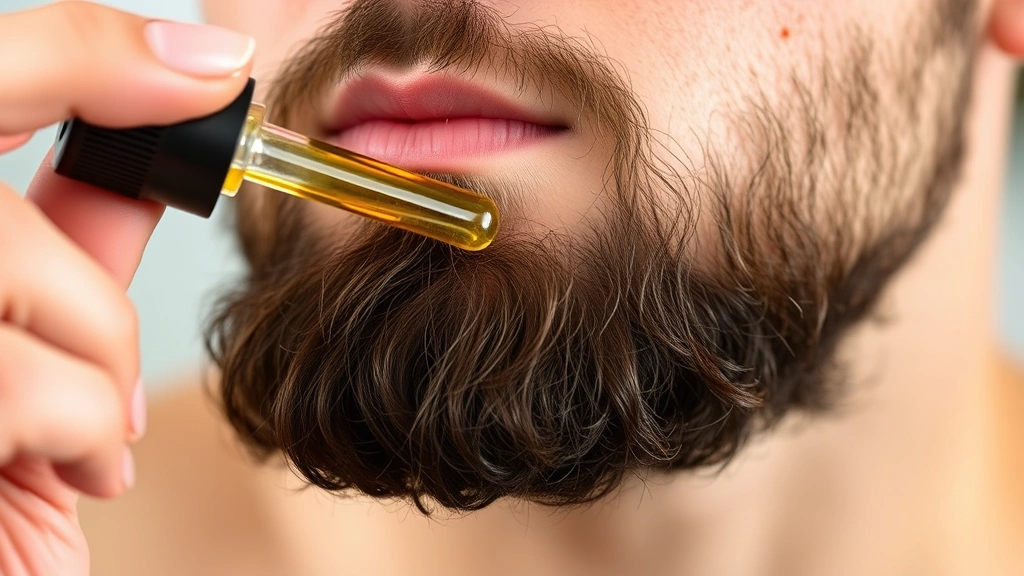
Use Quality Beard Oil: Applying beard oil 3-4 times weekly prevents dryness, reduces itching, and promotes shine. Look for oils containing jojoba, argan, or coconut oil. These penetrate the hair shaft while providing antimicrobial benefits. Massage oil into the skin beneath your beard to improve follicle health.
Brush and Comb Regularly: Using a beard brush or comb stimulates blood flow to follicles, distributes natural oils, and trains hair growth direction. Brush gently in the direction of growth to avoid unnecessary breakage. Boar bristle brushes are ideal as they’re gentle yet effective.
Trim Strategically: While counterintuitive, regular trimming (every 4-6 weeks) removes split ends that would otherwise damage longer hair. Trimming doesn’t accelerate growth but prevents regression caused by breakage. Keep a clean neckline and cheek line to maintain a polished appearance while growing.
Temperature Matters: Wash with lukewarm water, never hot. Hot water opens cuticles and causes moisture loss. Cool water seals cuticles, locking in hydration. This simple adjustment significantly improves beard texture and appearance.
Lifestyle Factors That Enhance Growth
Beyond nutrition and grooming, broader lifestyle choices impact beard growth capacity. Regular exercise increases testosterone production naturally. Studies show men engaging in strength training 3-4 times weekly experience 15-20% higher testosterone levels than sedentary men. The most effective exercises for hormonal response include compound movements like squats, deadlifts, and bench presses.
Cardiovascular fitness also matters. Improved circulation delivers more nutrients and oxygen to facial hair follicles. Aim for 150 minutes of moderate cardio weekly combined with 2-3 strength training sessions. This integrated approach supports both hormonal optimization and nutrient delivery.
Hydration is often overlooked but critical. Dehydration reduces blood volume and nutrient delivery to follicles. Drink at least 3-4 liters of water daily, adjusting for climate and activity level. Proper hydration also improves skin health, reducing the itching and irritation that often accompanies beard growth.
Limit alcohol consumption. While occasional moderate drinking isn’t problematic, chronic heavy alcohol use impairs testosterone production and nutrient absorption. Men consuming more than 3-4 drinks daily show significantly slower beard growth and higher rates of hair loss.
Smoking directly damages beard health by reducing blood flow and increasing oxidative stress. If you smoke, quitting represents one of the highest-impact changes you can make for beard growth—and overall health. The improvements become visible within 2-3 weeks as blood flow normalizes.
Timeline: What to Expect
Understanding realistic timelines prevents frustration and maintains motivation. Here’s what dermatologists typically observe:
Weeks 1-4: Initial growth appears as stubble becomes denser. You’ll notice itching as new hairs emerge. Resist the urge to shave. Start implementing nutritional and lifestyle changes now—they’re building the foundation for sustained growth.
Weeks 5-8: Visible beard length emerges. Patchiness may still be apparent but will gradually fill in as more follicles activate. Begin using beard oil to manage itching and improve appearance. This is when commitment often wavers—maintain consistency.
Weeks 9-12: Significant visible beard development occurs. Most men can style their beard by this point. Nutritional benefits begin manifesting as hair quality improves noticeably. Continue your regimen without modification.
Months 4-6: Full beard potential becomes apparent. If using minoxidil or supplements, benefits become measurable. This is when patchiness typically resolves entirely. Your beard now reflects the cumulative benefits of optimized nutrition, sleep, stress management, and grooming.
Beyond 6 Months: Maximum growth is achieved. Continue maintenance practices to sustain results. Many men find they can grow substantially longer beards than initially expected when they maintain discipline for 6+ months.
Patience is essential. You’re not just growing facial hair—you’re optimizing your overall health, which takes time to manifest visibly. This mirrors personal development journeys where consistent effort compounds into remarkable transformation over months and years.
FAQ
How long does it actually take to grow a full beard?
Most men can grow a noticeably full beard within 3-4 months with proper care. However, maximum thickness and length require 6-12 months. Individual timelines vary based on genetics, age, and how aggressively you optimize the factors discussed above. Younger men (18-35) typically experience faster growth than older men.
Can women’s hair growth supplements help with beard growth?
Yes, biotin and similar supplements work regardless of gender. However, ensure any supplement doesn’t contain DHT-blocking ingredients if beard growth is your goal. Read labels carefully and consult a dermatologist if uncertain.
Does shaving make beards grow back thicker?
This is a persistent myth without scientific support. Shaving doesn’t affect beard thickness, growth rate, or density. It only appears thicker because newly shaved hair has a blunt edge rather than a tapered tip. The hair itself is unchanged.
What’s the best beard style while growing?
Maintain clean lines on your cheeks and neck while letting facial hair grow freely. This creates a polished appearance while maximizing growth. Avoid aggressive styling that breaks hairs. As length increases, you can experiment with different styles.
Should I use minoxidil if my beard grows fine naturally?
Minoxidil is most beneficial for men experiencing slower-than-desired growth or patchiness. If your beard grows at a reasonable pace with good coverage, optimizing nutrition, sleep, and stress management may be sufficient. Only add minoxidil if results plateau after 3-4 months of lifestyle optimization.
How do I know if my beard growth is abnormally slow?
Average beard growth is approximately 0.5 inches per month. If you’re growing significantly slower, evaluate nutrition (especially protein and micronutrients), sleep quality, stress levels, and overall health. Consult a dermatologist if growth remains significantly below average despite optimized lifestyle factors, as this could indicate hormonal issues or nutritional deficiencies requiring medical attention.
Can beard growth supplements interact with medications?
Biotin and most hair growth supplements are generally safe, but certain medications can interact. If you take finasteride, blood pressure medications, or other prescription drugs, consult your doctor before starting supplements. This is especially important if you’re considering minoxidil or finasteride specifically.


