
Boost Her Hair Growth: Expert Tips & Tricks for Healthy, Stronger Hair
Hair growth is more than just genetics—it’s a reflection of overall health, nutrition, and dedicated care practices. Many women struggle with slow hair growth, thinning, or breakage, often unaware that simple lifestyle adjustments and targeted treatments can dramatically accelerate results. Whether you’re looking to grow longer locks or strengthen existing strands, understanding the science behind hair growth empowers you to make informed decisions that actually work.
The average human scalp produces about half an inch of hair per month, but this rate varies significantly based on age, genetics, hormones, nutrition, and stress levels. The good news? Research shows that optimizing these factors can boost growth rates by 20-30%, meaning visible results within 2-3 months of consistent effort. This comprehensive guide explores evidence-based strategies, professional treatments, and lifestyle modifications that work synergistically to maximize hair growth potential.
Understanding the Hair Growth Cycle
Before implementing any growth strategy, it’s essential to understand how hair actually grows. Each strand progresses through four distinct phases: anagen (growth), catagen (transition), telogen (resting), and exogen (shedding). The anagen phase is where the magic happens—this is when your hair actively grows, and it typically lasts 2-7 years. Extending this phase and keeping more hairs in active growth is the key to faster, thicker hair.
During the anagen phase, cells in the hair follicle divide rapidly, producing the protein structure that becomes your hair shaft. Any disruption to this process—whether from nutritional deficiencies, hormonal imbalances, or excessive stress—can prematurely push hairs into the catagen and telogen phases, resulting in shedding and slower overall growth. Understanding this cycle helps explain why some interventions take weeks to show results; you’re essentially waiting for new hairs to enter and progress through the growth phase.
The scalp contains approximately 100,000 hair follicles, and at any given time, about 85-90% are in the anagen phase while 10-15% are in telogen. Optimizing conditions means keeping that 85-90% figure as high as possible and extending the duration of the growth phase itself.

Nutrition: The Foundation of Hair Growth
Hair is made primarily of a protein called keratin, which means protein intake is non-negotiable for growth. Studies published in the Dermatology Practical & Conceptual journal demonstrate that protein deficiency directly correlates with hair loss and reduced growth rates. Aim for 1.2-1.6 grams of protein per kilogram of body weight daily, sourced from diverse origins including fish, eggs, legumes, and poultry.
Beyond protein, several micronutrients play critical roles in hair health:
- Iron: Carries oxygen to follicle cells; deficiency causes telogen effluvium (excessive shedding). Women of reproductive age need 18mg daily.
- Zinc: Essential for protein synthesis and cell division in the follicle. Target 8-11mg daily.
- Biotin (Vitamin B7): Strengthens keratin structure, reducing breakage. Evidence suggests 2.5mg daily produces measurable improvements.
- Vitamin D: Regulates hair cycle and activates hair growth genes. Deficiency is linked to alopecia and slower growth.
- Selenium: Protects follicles from oxidative damage. 55mcg daily is optimal for most women.
- Copper: Facilitates melanin production and collagen cross-linking. 900mcg daily supports pigmentation and strength.
Consider comprehensive blood work to identify specific deficiencies. Many women discover they’re low in iron, vitamin D, or B12—all common culprits in slow hair growth. If supplementation is necessary, consistency matters more than megadosing; taking the correct dose daily for 8-12 weeks produces better results than sporadic high doses.
Additionally, omega-3 fatty acids reduce inflammation in the scalp and support sebum production, which naturally protects and conditions hair. Consume fatty fish twice weekly or supplement with 1000-2000mg daily of combined EPA/DHA.
Topical Treatments That Deliver Results
Minoxidil (Rogaine) remains the gold standard for topical hair growth stimulation. Originally developed for blood pressure management, researchers noticed users grew hair as a side effect. The 5% solution for women is applied directly to the scalp twice daily and works by extending the anagen phase and increasing blood flow to follicles. Clinical trials show 60% of women experience regrowth within 4-6 months, with continued improvement over a year.
Results require consistency—missing applications reduces effectiveness significantly. Once you stop using minoxidil, any regrown hair will eventually shed over several months. This isn’t a failure; it’s simply how the product works. Many women view it as a long-term maintenance strategy similar to other health investments.
Peptide-based serums have emerged as promising alternatives or complements to minoxidil. These products contain amino acid chains that signal follicles to enter or extend the growth phase. While less studied than minoxidil, emerging research suggests peptides can improve hair density by 10-15% within 12 weeks. Look for products containing matrixyl, copper peptides, or specialized proprietary blends backed by clinical trials.
For those exploring comprehensive approaches, check out our guide on hair growth shampoo formulations, which discusses active ingredients applicable to all hair types. Similarly, principles from beard growth oil research translate to scalp health generally.
Caffeine topicals stimulate blood flow and may counteract DHT (dihydrotestosterone), the hormone implicated in pattern hair loss. Applied daily as a rinse or serum, caffeine shows modest but measurable benefits, particularly when combined with other treatments. Niacinamide reduces sebum overproduction and strengthens the hair shaft, making it valuable for oily scalps prone to follicle clogging.
Scalp Health and Massage Techniques
A healthy scalp is the foundation for healthy hair growth. Poor scalp health—characterized by buildup, inflammation, or reduced circulation—creates an inhospitable environment for follicles. Regular cleansing removes product residue, excess sebum, and environmental pollutants that clog pores and restrict nutrient delivery.
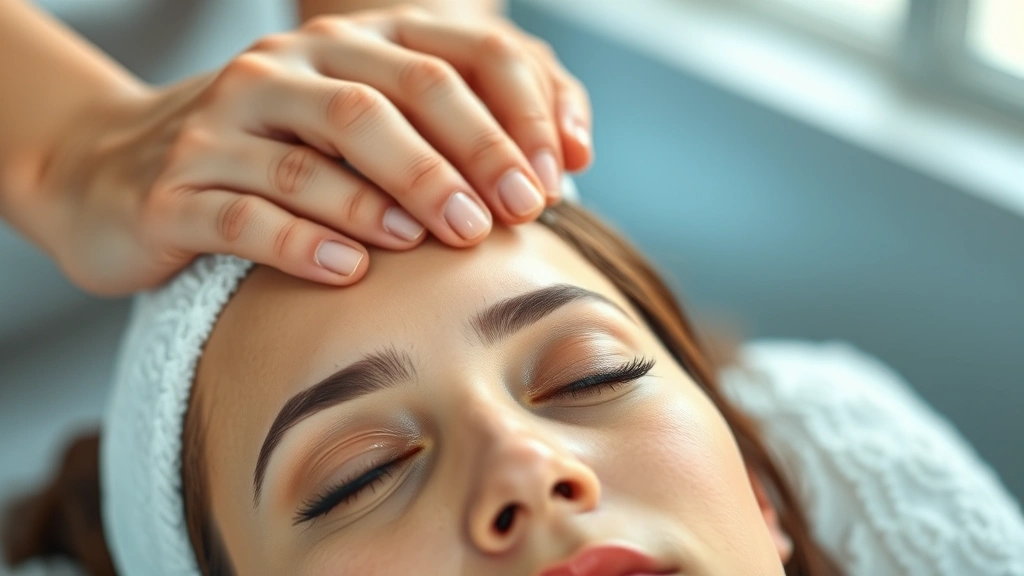
Scalp massage is one of the most underutilized yet highly effective growth strategies. A 2019 study published in Dermatology Practical & Conceptual found that daily 5-minute scalp massages increased hair thickness by 0.3mm within 24 weeks. The mechanism: massage increases blood flow to follicles, delivering more oxygen and nutrients while stimulating mechanoreceptors that may trigger growth signals.
Proper technique matters. Using your fingertips (not nails), apply moderate pressure in circular motions across the entire scalp for 5-10 minutes daily. Focus on areas of thinning or concern. You can perform this during shampooing or as a standalone ritual. For enhanced results, combine massage with a scalp stimulating serum containing ingredients like peppermint oil (increases blood flow by up to 30%) or ginger extract.
Scalp exfoliation removes dead skin cells and product buildup that impede growth. Use a gentle exfoliating scalp scrub weekly—this is particularly important if you use styling products, dry shampoo, or live in areas with hard water. Some women find physical exfoliation irritating; in that case, chemical exfoliants containing salicylic acid or glycolic acid provide gentler results.
Consider your shampoo and conditioner carefully. Sulfate-free formulas are gentler and don’t strip natural oils that protect the scalp and hair shaft. Look for products containing growth-promoting ingredients like panthenol, keratin peptides, or plant-derived growth factors. Condition primarily the mid-lengths and ends, avoiding the scalp to prevent buildup.
Lifestyle Factors That Accelerate Growth
Sleep quality directly impacts hair growth. During deep sleep, your body increases blood flow to the skin and hair follicles while regulating hormones that influence the hair cycle. Chronic sleep deprivation elevates cortisol, pushing more hairs into the telogen phase and triggering shedding. Aim for 7-9 hours of consistent, quality sleep nightly. If you struggle with sleep, explore relaxation techniques or consult a healthcare provider about underlying issues.
Stress management is equally critical. Psychological stress triggers telogen effluvium, a condition where 30-70% of hairs prematurely enter the shedding phase. This isn’t immediate—it typically occurs 2-3 months after a stressful event—but it’s very real. Regular exercise, meditation, yoga, or therapy all reduce cortisol and support hair health. Research from the American Psychological Association confirms that stress reduction techniques measurably improve hair growth metrics.
Exercise benefits hair growth through multiple mechanisms: improved circulation, stress reduction, enhanced nutrient delivery, and hormonal balance. Aim for 150 minutes of moderate cardiovascular activity weekly, combined with strength training 2-3 times per week. The increased blood flow during and after exercise reaches the scalp, nourishing follicles and removing metabolic waste.
Hydration supports every cellular process, including hair growth. The hair shaft is approximately 13% water, and dehydration compromises keratin structure and elasticity. Drink 8-10 glasses of water daily, more if you exercise regularly or live in a dry climate. Proper hydration also improves scalp moisture, reducing dryness and irritation that can impede growth.
Limiting heat styling and chemical treatments prevents damage that necessitates trimming and slows net growth. When you must use heat tools, apply a heat protectant spray first. Limit flat ironing, blow drying, and chemical straightening to 1-2 times weekly. Allow hair to air dry when possible. This doesn’t directly increase growth rate, but it maximizes the length you achieve by minimizing breakage.
For those interested in broader personal development approaches to health optimization, explore our personal growth resources, which cover holistic wellness strategies applicable to hair health and beyond.
Professional Treatments and Procedures
Platelet-Rich Plasma (PRP) therapy has gained significant traction in recent years. Your blood is drawn, centrifuged to concentrate platelets and growth factors, then injected into the scalp. These growth factors stimulate follicle stem cells and extend the anagen phase. Studies show 40-60% improvement in hair density after 3-4 monthly sessions, with results visible within 2-3 months. Cost ranges from $500-1500 per session, making it an investment, but results can persist 12-18 months.
Low-Level Laser Therapy (LLLT) or Red Light Therapy uses specific wavelengths (typically 650-1000nm) to stimulate mitochondrial function in follicle cells. Clinical trials demonstrate 15-25% improvement in hair density with consistent use (3-5 times weekly). At-home laser caps range from $300-3000, while professional treatments cost $100-300 per session. Results typically appear within 3-6 months.
Microneedling the scalp creates controlled micro-injuries that trigger the body’s natural healing response, increasing blood flow and growth factor production. A 2018 study found that microneedling combined with minoxidil produced superior results compared to minoxidil alone. Professional microneedling (0.5-2mm needles) is performed monthly, while at-home dermarollers (0.25-0.5mm) can be used weekly under proper guidance.
Hair transplantation is the most invasive option, suitable for significant hair loss. Follicular Unit Extraction (FUE) or Follicular Unit Transplantation (FUT) relocate healthy follicles from donor areas to thinning regions. Results are permanent and natural-looking, though costly ($4000-15000+) and requiring recovery time. This approach is most appropriate after exhausting non-surgical options.
Scalp micropigmentation creates the appearance of fuller, denser hair through tattooing. While it doesn’t increase actual growth, it provides immediate cosmetic improvement and can boost confidence while other treatments work.
Common Mistakes to Avoid
Many well-intentioned efforts backfire due to common mistakes. Expecting overnight results is unrealistic; hair growth takes time. Most interventions require 8-12 weeks minimum to show measurable progress, as you’re waiting for new hairs to grow through the growth phase. Patience combined with consistency beats sporadic intensive efforts.
Over-washing strips natural oils and disrupts the scalp microbiome. Most women benefit from shampooing 2-3 times weekly, not daily. If your hair feels greasy quickly, this often improves within 1-2 weeks of reduced washing frequency as your scalp adjusts.
Using products with silicones and heavy oils can clog follicles and create buildup that impedes growth. While moisturizing is important, lightweight, silicone-free products are superior for growth-focused routines. Look for water-based serums rather than heavy oils.
Neglecting protein balance while supplementing other nutrients is futile; without adequate protein, your body can’t build new hair regardless of other interventions. Similarly, ignoring stress and sleep undermines all other efforts. You can’t supplement or topically treat your way around poor lifestyle fundamentals.
Switching treatments too frequently prevents you from accurately assessing what works. Commit to a regimen for at least 12 weeks before evaluating results or making changes. Constantly swapping products prevents any single intervention from demonstrating its true potential.
Using harsh brushes or tight hairstyles causes traction alopecia (hair loss from constant pulling) and breakage. Use wide-tooth combs on wet hair, avoid tight braids or buns as daily styles, and handle hair gently.
FAQ
How long does it actually take to see hair growth results?
Most interventions require 8-12 weeks to show visible results, as this is how long it takes for new hairs to grow through the growth phase. Minoxidil and professional treatments may show results within 4-6 weeks, while nutritional improvements typically take 12-16 weeks (the time for new hairs to grow). Patience is essential; inconsistent efforts over 3 months beat intensive efforts over 3 weeks.
Can hair growth supplements actually work?
Yes, but only if they address actual deficiencies. A supplement containing biotin, iron, and vitamin D will work wonderfully if you’re deficient in these nutrients. If your levels are already adequate, the same supplement may produce no visible benefit. Blood work identifying specific deficiencies ensures you’re not wasting money on unnecessary supplements.
Is minoxidil safe for long-term use?
Yes, minoxidil is considered safe for extended use, with no evidence of decreased effectiveness over years of consistent application. The primary consideration is commitment; stopping minoxidil results in gradual loss of regrown hair over several months. Side effects are generally minimal, though some users experience scalp irritation or increased shedding initially (which typically resolves within 2-3 weeks).
Does hair type affect growth rate?
Growth rate is similar across hair types (approximately 0.5 inches monthly), but texture affects perceived growth. Straight hair appears longer quickly, while curly or coily hair appears shorter at the same length due to curl pattern. Caring for your specific texture—moisture for curly hair, protein balance for all types—ensures optimal health and minimizes breakage that slows net length gain.
Can hormonal birth control affect hair growth?
Yes, hormonal changes significantly impact hair growth. Some women experience improved hair growth on hormonal contraceptives (particularly those with anti-androgenic properties), while others experience thinning. If you notice hair changes after starting or stopping birth control, discuss this with your healthcare provider; switching formulations may resolve issues. These effects typically take 2-3 months to manifest.
Should I trim my hair while trying to grow it?
Yes, regular trims (every 8-12 weeks) prevent split ends from traveling up the hair shaft and necessitating larger trims later. A small trim actually accelerates net length gain by eliminating damaged hair that would eventually break anyway. Trim just 1/4 inch to maintain length while preventing damage.
What’s the difference between hair growth and hair retention?
Hair growth refers to the rate at which new hair emerges from the follicle (about 0.5 inches monthly for everyone). Hair retention refers to how much of that growth you keep—essentially, minimizing breakage and shedding. Most growth strategies actually focus on retention: preventing breakage through healthy practices, reducing shedding through stress management and nutrition, and extending the growth phase through treatments like minoxidil. Optimizing retention often produces more dramatic length improvements than trying to increase the inherent growth rate.
Are there foods that specifically boost hair growth?
No single food is a magic bullet, but certain foods provide concentrated doses of growth-supporting nutrients. Salmon (protein, omega-3s, vitamin D), eggs (protein, biotin, choline), spinach (iron, folate), pumpkin seeds (zinc, copper), and oysters (zinc) are particularly beneficial. The key is consistent consumption of balanced meals containing adequate protein, healthy fats, and micronutrient-dense vegetables rather than relying on any single food.
For those interested in broader health optimization and personal development, explore the GrowthLifeHub Blog for comprehensive wellness strategies that support hair health alongside overall life improvement.


