Hair Oil for Growth: Dermatologist Tips for Thicker, Healthier Hair
Your hair is a reflection of your overall health and self-care commitment. Just as personal growth requires a strategic plan, achieving healthy hair growth demands consistency, the right products, and evidence-based techniques. Hair loss and thinning affect millions worldwide, yet many people overlook one of the most effective natural solutions: quality hair oils combined with proper application methods.
Dermatologists have increasingly recognized that hair oil isn’t merely a cosmetic treatment—it’s a therapeutic intervention backed by scientific research. The key lies in understanding which oils work best, how to apply them correctly, and how to integrate them into a sustainable hair care routine that complements your lifestyle and growth goals.
Why Hair Oil Matters: The Science Behind Growth
Hair growth is a complex biological process involving multiple stages: anagen (growth phase), catagen (transition), and telogen (resting phase). According to research published in the Journal of Cosmetic Dermatology, hair oils can significantly impact scalp health and follicle function. The scalp’s sebaceous glands naturally produce sebum, but external factors—stress, pollution, heat styling—deplete this protective layer.
When you apply therapeutic hair oils, you’re not just coating your strands. You’re nourishing the scalp microbiome, reducing inflammation, and creating an optimal environment for follicles to thrive. Studies show that certain oils contain compounds with antimicrobial, anti-inflammatory, and antioxidant properties that address root causes of hair loss.
Think of hair oil as an investment in your personal transformation. Much like working smarter rather than harder, using the right oil targets the actual problem instead of applying generic solutions. Dermatologists emphasize that consistency matters more than occasional intensive treatments—your hair responds to sustained, intelligent care.

Top Dermatologist-Recommended Hair Oils
Coconut Oil remains the gold standard. Its molecular structure allows penetration into the hair shaft, reducing protein loss and strengthening each strand from within. Research in Dermatitis journal confirms coconut oil’s effectiveness for both scalp health and hair resilience. Use virgin, cold-pressed varieties for maximum benefits.
Argan Oil is rich in vitamin E, phenolic compounds, and fatty acids. Moroccan argan oil particularly benefits those with fine or thinning hair because it’s lightweight yet deeply nourishing. Dermatologists recommend it for its ability to improve scalp circulation without leaving residue.
Rosemary Oil has emerged as a powerhouse for stimulating growth. A landmark study comparing rosemary oil to minoxidil found comparable results in promoting hair growth, making it a natural alternative worth considering. The oil increases blood flow to hair follicles and contains carnosic acid, which protects against oxidative stress.
Jojoba Oil closely mimics scalp sebum, making it ideal for balancing oil production. If you struggle with either oily or dry scalp, jojoba normalizes conditions without stripping natural oils. It’s particularly effective for those with sensitive skin.
Castor Oil contains ricinoleic acid and omega-6 fatty acids that strengthen hair roots and improve scalp blood flow. Traditional Ayurvedic medicine has used castor oil for centuries, and modern dermatology validates these applications through clinical observation.
Peppermint Oil (diluted) stimulates scalp nerves and increases blood flow. Research shows peppermint oil increases hair growth by up to 92% in animal studies, though human trials are ongoing. Always dilute with a carrier oil—never apply essential oils directly to scalp.
How to Apply Hair Oil for Maximum Growth Benefits
Timing and Frequency: Dermatologists recommend applying oil 2-3 times weekly for most people. Consistency trumps intensity—twice-weekly applications for three months will outperform sporadic intensive treatments. Think of it like setting sustainable goals rather than pursuing unrealistic overnight results.
Preparation Method: Warm oil penetrates better than cold oil. Use a double boiler or warm water bath to reach approximately 37°C (body temperature). Avoid microwaving, which creates hot spots and can damage beneficial compounds. Warming takes five minutes and dramatically improves absorption.
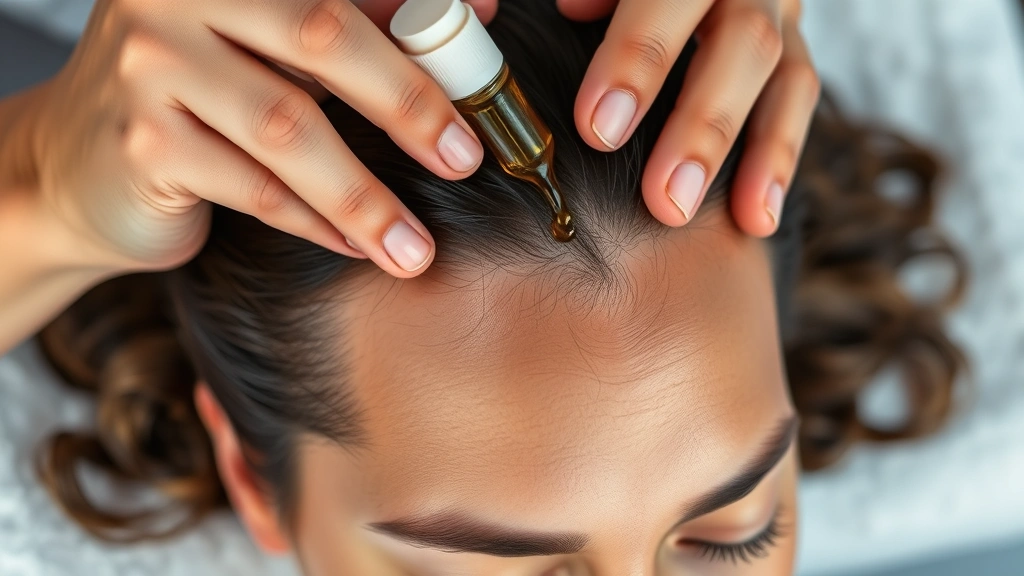
Application Technique: Part your hair into four sections using clips. Starting at the roots, apply oil directly to scalp using your fingertips—not your palms. Use small circular motions, working systematically across your entire scalp. This stimulates blood flow while ensuring complete coverage. Most people need 15-30 milliliters depending on hair density.
Coverage Strategy: After scalp application, distribute remaining oil through mid-lengths and ends. These areas are older, more porous, and benefit from intensive nourishment. Avoid applying excessive oil to the first two inches from roots if you have fine hair prone to greasiness.
Duration: Leave oil on for minimum 30 minutes; overnight treatments (2-3 times weekly) yield superior results. If applying overnight, wrap hair in a silk or satin cap—cotton pillowcases absorb oil and create friction that damages hair. Silk reduces breakage by up to 40% compared to cotton.
Washing Protocol: This is crucial. Use lukewarm water and gentle sulfate-free shampoo. Apply shampoo to roots first, massage for two minutes, then rinse thoroughly. Follow with cool water rinse to seal hair cuticles. Most people need two shampoo cycles to remove all oil completely.
Consistency: The Real Secret to Hair Transformation
Hair grows approximately 0.3-0.4 millimeters daily. Visible results require 8-12 weeks of consistent care. Dermatologists emphasize that sporadic treatments fail because hair follicles operate on cycles. The anagen phase lasts 2-7 years, meaning your follicles are “remembering” your care practices across months, not days.
This timeline mirrors sustained motivation and habit building. When you commit to a twice-weekly oil routine, you’re not just treating your hair—you’re developing a self-care discipline that compounds. People who maintain consistent hair oil routines report not just thicker hair, but improved scalp health, reduced dandruff, and enhanced natural shine.
Track your progress. Take baseline photos from multiple angles before starting. Photograph again at weeks 4, 8, and 12. Tangible evidence of change sustains motivation through the adjustment period when results aren’t yet obvious.
Common Mistakes That Sabotage Hair Growth
Using Wrong Oil Type for Your Hair: Heavy oils like coconut can weigh down fine hair, while lightweight oils may insufficient for thick, curly textures. Know your hair type before selecting oil. If unsure, ask a dermatologist.
Applying Cold Oil: Cold oil sits on hair surface rather than penetrating. The extra five minutes warming takes pays dividends in absorption and effectiveness.
Over-Application: More oil doesn’t mean faster growth. Excessive oil can clog follicles and create bacterial overgrowth. Start with 15 milliliters and adjust based on results.
Inconsistent Washing: Oil left on scalp longer than 24 hours can create buildup that impedes growth. Establish a reliable washing day to maintain consistency.
Ignoring Scalp Health: Hair growth originates at the scalp. If you have dandruff, fungal issues, or seborrheic dermatitis, address these first with appropriate treatments. Hair oil complements medical treatment; it doesn’t replace it.
Neglecting Diet and Stress: Hair oil is external care. Internal factors—protein intake, iron levels, B vitamins, stress management—equally impact growth. A comprehensive approach yields superior results.
Creating Your Hair Growth Routine
Step 1: Assessment: Determine your hair type (fine, medium, thick), scalp condition (oily, dry, combination), and specific concerns (thinning, breakage, slow growth). This information guides oil selection.
Step 2: Selection: Choose one primary oil and one secondary oil for rotation. Rotating prevents your scalp from adapting and maintains effectiveness. For example: coconut oil twice weekly, argan oil once weekly.
Step 3: Schedule: Pick specific days—Tuesday and Friday evenings work for many people. Consistency matters more than perfect timing, so choose days you’ll actually maintain.
Step 4: Preparation: Gather supplies: oil, double boiler, measuring cup, hair clips, silk cap. Having everything ready removes friction and makes the routine easier to maintain. This parallels using proper tools to enhance productivity.
Step 5: Documentation: Use your phone to photograph hair and note observations: scalp condition, hair texture, any changes. Written records keep you accountable and reveal patterns.
Step 6: Integration: Connect your hair oil routine to existing habits. Apply oil after your Tuesday workout, or every Friday after your shower. Habit stacking ensures the routine becomes automatic.
Beyond oils, support hair growth through complementary practices. Scalp massage 3-5 minutes daily (without oil) increases blood flow. Silk pillowcases reduce breakage. Minimize heat styling. Stay hydrated—dehydrated hair grows more slowly. Manage stress through exercise or meditation; psychological stress directly impacts hair growth cycles.
FAQ
How long before I see results from hair oil?
Most people notice improved scalp health and hair texture within 2-3 weeks. Visible growth increases appear after 8-12 weeks of consistent use. Patience is essential; hair growth is a slow biological process.
Can hair oil cause hair loss?
Quality oil applied correctly doesn’t cause loss. However, excessive oil can clog follicles if not washed properly, and some people may experience temporary shedding as new growth pushes out damaged hair. This normalization process typically resolves within 4-6 weeks.
Is coconut oil safe for all hair types?
Coconut oil works well for most people, but those with very fine or high-porosity hair may find it too heavy. Argan or jojoba oil are lighter alternatives. Test on a small section first.
Can I use hair oil daily?
Daily oil application risks buildup for most people. 2-3 times weekly is optimal for balancing nourishment with scalp health. Those with very dry hair or curly textures may tolerate more frequent application.
Should I use oil if I have oily scalp?
Yes, but choose wisely. Jojoba oil and rosemary oil actually balance oil production. Counterintuitively, under-moisturizing oily scalps sometimes causes more sebum production as the scalp overcompensates. Proper oil restores balance.
What’s the difference between carrier oils and essential oils?
Carrier oils (coconut, argan, jojoba) are safe to apply directly. Essential oils (rosemary, peppermint) must be diluted—typically 2-3 drops per tablespoon of carrier oil—before scalp application to prevent irritation.
Can I combine multiple oils?
Yes, blending creates synergistic benefits. A popular combination: two tablespoons coconut oil plus two drops rosemary essential oil. Experiment to find your optimal blend, then maintain consistency with that formula.


