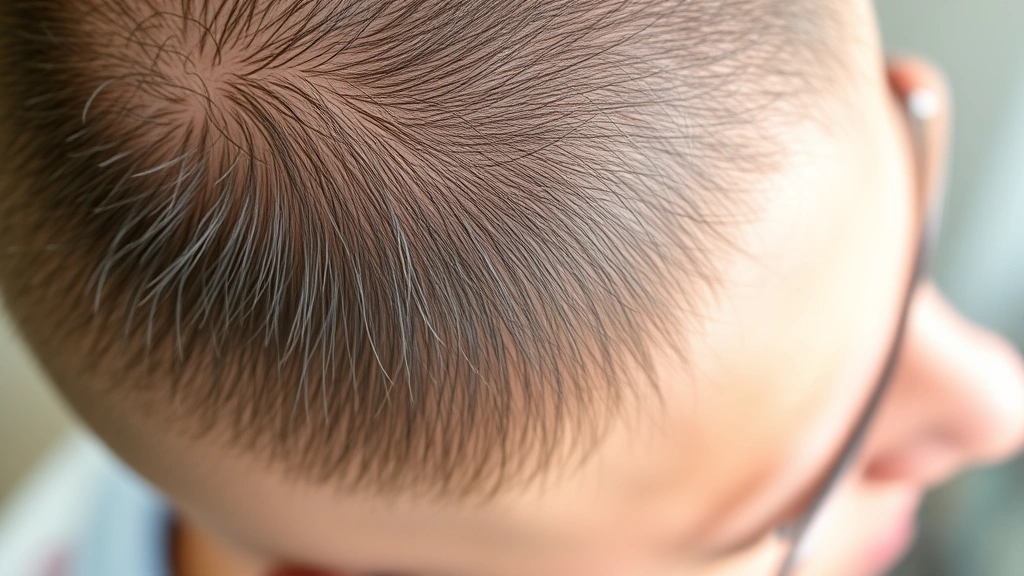
Do Hair Growth Shampoos Work? Dermatologist Insights and Evidence-Based Facts
The hair care aisle has become a minefield of promises. Bottles emblazoned with claims of thicker, longer, faster-growing hair line shelves everywhere, and millions of people spend billions annually hoping for transformative results. But here’s the uncomfortable truth that dermatologists have known for years: most hair growth shampoos deliver disappointingly modest results, if any at all. Understanding why requires examining the science behind hair biology, the limitations of topical treatments, and what actually works according to dermatological research.
Your hair growth journey starts beneath the scalp, where follicles operate on their own biological clock. This article breaks down the evidence-based facts about hair growth shampoos, what dermatologists really think about them, and which approaches actually produce measurable improvements. Whether you’re experiencing natural hair loss, thinning, or simply want healthier growth, the insights here will help you make informed decisions rather than waste money on empty promises.
How Hair Actually Grows: The Biological Foundation
Before evaluating whether hair growth shampoos work, you need to understand hair biology. Each strand on your head grows from a follicle, a tiny organ beneath your skin that cycles through distinct phases: anagen (growth phase lasting 2-7 years), catagen (transition phase), and telogen (resting phase lasting 2-3 months). During the anagen phase, your hair grows approximately half an inch per month—this is determined largely by genetics, hormones, nutrition, and overall health.
The follicle’s health depends on blood flow, nutrient delivery, and hormonal balance. This is crucial information because it reveals why topical shampoo treatments face inherent limitations. When you apply shampoo to your scalp, it sits on the surface for mere minutes before rinsing away. The follicles themselves sit deep within the dermis layer of skin, far below where shampoo can effectively penetrate. Even premium formulations with penetration enhancers struggle to deliver active ingredients to where hair growth is actually determined.
Hair growth is influenced by multiple factors working together: adequate protein intake (hair is primarily made of keratin), iron and zinc levels, thyroid function, stress hormones, and scalp circulation. A shampoo alone cannot address systemic nutritional deficiencies or hormonal imbalances—the root causes of many hair issues. This biological reality forms the foundation of why dermatologists maintain cautious skepticism about shampoo-based solutions.
The Fundamental Limitations of Shampoos: Contact Time and Penetration
Here’s what happens when you use any shampoo: you apply it to wet hair, massage for 60-90 seconds typically, then rinse it away completely. That brief contact window means any active ingredients have minimal time to work. Compare this to prescription treatments like minoxidil (Rogaine), which you leave on your scalp daily for hours, or finasteride (Propecia), which enters your bloodstream systemically.
The stratum corneum—your skin’s outermost barrier—is specifically designed to prevent substances from penetrating. Water-based shampoo formulations struggle particularly with this barrier. Even oil-based ingredients have limited penetration depth. Research published in the Journal of Cosmetic Dermatology consistently shows that topical hair care products achieve only superficial scalp penetration, primarily affecting the hair shaft itself rather than the follicle.
Additionally, shampoos are cleansing agents first. Their primary job is removing oil, dirt, and product buildup. Any additional benefits—moisturizing, thickening, growth-promoting—are secondary functions. This dual purpose creates tension: effective cleansing requires surfactants that can strip the hair and scalp, potentially counteracting any beneficial ingredients included in the formula.
The marketing language surrounding hair growth accelerators often exploits this confusion. Terms like “stimulates growth” or “activates follicles” sound scientific but typically describe cosmetic thickening effects rather than actual biological hair growth stimulation.
What Active Ingredients Actually Do: Separating Science from Marketing
Let’s examine the common active ingredients found in hair growth shampoos and what the evidence actually shows:
- Caffeine: Small studies suggest caffeine may extend the anagen phase in vitro, but real-world evidence is minimal. Caffeine shampoos are rinsed away before meaningful absorption occurs. Any benefit would be cosmetic—temporary thickening from swelling hair shafts.
- Biotin: Biotin supplements may help people with biotin deficiency, but most people get adequate biotin from food. Topical biotin in shampoo has virtually no research supporting its effectiveness for hair growth.
- Niacinamide (Vitamin B3): Shows some promise for scalp health and sebum regulation, but evidence for actual hair growth is weak. It’s genuinely beneficial for scalp condition, not follicle stimulation.
- Saw Palmetto: This botanical ingredient is often marketed as a natural DHT blocker. While some studies show modest effects, the evidence is far weaker than finasteride. Topical application makes the mechanism even more questionable.
- Peptides and Proteins: These coat the hair shaft, creating thickness perception. They don’t affect the follicle or growth rate. The effect disappears after shampooing.
- Plant Extracts (Ginseng, Ginger, Mint): Traditional ingredients with limited modern evidence. They may improve scalp circulation marginally, but clinical data supporting hair growth is sparse.
The honest assessment: no shampoo ingredient has strong clinical evidence for actually increasing hair growth rate or preventing hair loss. Some ingredients may improve scalp health, which is valuable but distinct from growth stimulation. Others create cosmetic improvements—thicker-appearing hair—without biological changes.
What Dermatologists Really Say About Hair Growth Shampoos
When dermatologists evaluate hair loss cases, they follow evidence-based guidelines from organizations like the American Academy of Dermatology. For androgenetic alopecia (genetic hair loss), only two topical treatments have FDA approval and strong clinical evidence: minoxidil and, recently, topical finasteride. Shampoos don’t appear on these lists.
According to PubMed’s dermatological literature database, published research on commercial hair growth shampoos is remarkably sparse. When studies do exist, they’re often small, poorly controlled, or funded by manufacturers. Independent, large-scale clinical trials validating hair growth shampoo efficacy are essentially nonexistent.
Most dermatologists recommend hair growth shampoos with significant caveats: they may provide mild cosmetic benefits (thicker-appearing hair, better scalp health) but shouldn’t be expected to stop or reverse hair loss. The American Academy of Dermatology acknowledges that while certain shampoos may be pleasant to use and support scalp health, they don’t constitute medical treatment for hair loss conditions.
The dermatological consensus is pragmatic: if you enjoy using a particular shampoo, it’s not harmful. But don’t expect it to solve significant hair loss. If you’re experiencing meaningful hair thinning or loss, evidence-based medical interventions are necessary. This honest assessment disappoints people hoping for simple solutions, but it reflects scientific reality.
Proven Solutions That Actually Work: Evidence-Based Approaches
If hair growth shampoos are largely ineffective, what actually works? The evidence clearly supports several approaches:
- Minoxidil (Rogaine): FDA-approved, clinically proven to regrow hair and slow loss. Available over-the-counter in 2% and 5% formulations. Works best for androgenetic alopecia. Requires ongoing use; results reverse when discontinued.
- Finasteride (Propecia): Oral medication blocking DHT, the hormone driving genetic hair loss in men. Prescription required. Strong evidence for slowing and reversing early-stage hair loss. Recently, topical formulations have become available.
- Low-Level Laser Therapy (LLLT): Emerging evidence supports specific wavelengths stimulating hair growth. Requires consistent, long-term use. More effective for early-stage loss.
- Nutritional Optimization: Adequate protein, iron, zinc, B vitamins, and vitamin D support healthy hair growth. Blood testing can identify deficiencies. This foundational approach is often overlooked but essential.
- Stress Management: Chronic stress triggers telogen effluvium (excessive shedding). Meditation, exercise, and sleep improvement have measurable impacts on hair health. This connects to your broader personal growth journey.
- Scalp Health Focus: Using gentle, sulfate-free shampoos, maintaining scalp hygiene, and avoiding excessive heat styling protects existing hair. This isn’t growth stimulation, but preservation matters tremendously.
- Hair Transplantation: For significant, permanent hair loss, surgical options like FUE provide lasting results. This represents the most definitive intervention.
Notice that most proven solutions operate systemically (through bloodstream) or with prolonged contact (minoxidil sits on scalp for hours). Brief shampoo contact simply cannot replicate these mechanisms.
How to Choose Effective Hair Care Products: A Practical Framework
Even though most hair growth shampoos don’t genuinely stimulate growth, choosing quality hair care matters for scalp and shaft health. Here’s a practical evaluation framework:
Prioritize Gentle Cleansing: Look for sulfate-free, pH-balanced formulations. Harsh cleansing damages hair and irritates scalp, counteracting any beneficial ingredients. Check the ingredient list—simpler is often better.
Evaluate Scalp Health Benefits: Some ingredients genuinely improve scalp condition without overstating growth claims. Niacinamide, zinc pyrithione (for dandruff), and salicylic acid (gentle exfoliation) have legitimate supportive evidence. Read labels honestly—does the product claim actual growth or scalp health?
Consider Your Hair Type: Choosing products suited to your hair—oily, dry, curly, straight—matters more than chasing growth claims. A product formulated for your specific needs will improve hair appearance and health more than a generic “growth” shampoo.
Check Realistic Expectations: Be suspicious of dramatic before-and-after photos. Real hair improvement happens gradually over months. Be equally skeptical of ingredients with no clinical evidence. Trustworthy brands cite actual studies, not just ingredient lists.
Consider Complementary Approaches: Instead of relying solely on shampoo, combine it with proven interventions. Use a quality, gentle shampoo alongside minoxidil or finasteride if medically appropriate. Add nutritional optimization and stress management. This integrated approach actually produces results.
Products like Kooswala hair growth shampoo may offer genuine scalp health benefits, but evaluate them within realistic frameworks. They’re part of good hair care, not standalone solutions.
FAQ
Do any hair growth shampoos actually work?
Most hair growth shampoos don’t produce measurable hair growth. Some may improve scalp health or create cosmetic thickening effects, but they won’t stop or reverse significant hair loss. For actual growth stimulation, evidence-based medical treatments (minoxidil, finasteride) are necessary.
Why don’t shampoos work for hair growth?
Shampoos contact your scalp for only 60-90 seconds before rinsing away. Hair follicles sit deep beneath the skin surface, beyond where topical shampoos can effectively penetrate. Most hair growth is determined by genetics, hormones, and systemic nutrition—factors a shampoo cannot address.
Are expensive hair growth shampoos better than cheap ones?
Price doesn’t correlate with growth-stimulating efficacy. Expensive and inexpensive shampoos alike lack strong evidence for actual hair growth. What matters is choosing a gentle, well-formulated product suited to your hair type. Save expensive purchases for proven treatments like minoxidil.
Can I use hair growth shampoo with minoxidil or finasteride?
Yes, absolutely. Using a quality, gentle shampoo supports scalp health while medically proven treatments address hair loss. The combination approach is sensible—the shampoo provides foundational care while prescription or over-the-counter treatments deliver proven results.
How long should I use a hair growth shampoo before seeing results?
If you’re expecting actual hair growth from shampoo, you won’t see meaningful results because they don’t produce them. If evaluating scalp health or cosmetic thickness improvements, give it 4-6 weeks. But understand you’re assessing shampoo quality, not growth stimulation.
What’s the best approach for actual hair growth?
The evidence-based approach combines: (1) medical treatment if appropriate (minoxidil or finasteride), (2) nutritional optimization addressing deficiencies, (3) stress management and adequate sleep, (4) gentle, quality hair care, and (5) scalp health maintenance. This integrated strategy produces real results where shampoo alone cannot.
Are natural or organic hair growth shampoos more effective?
Natural doesn’t equal more effective. Botanical ingredients may sound appealing, but they lack the clinical evidence supporting pharmaceutical treatments. Some natural ingredients improve scalp health, which is valuable but distinct from growth stimulation. Choose based on ingredient efficacy, not marketing language.


