Regrow Hair Post-Chemo: Dermatologist Insights and Recovery Strategies
Hair loss during chemotherapy is one of the most visible and emotionally challenging side effects cancer patients face. The experience of losing hair can impact self-esteem and identity during an already difficult treatment journey. However, the encouraging news is that hair regrowth after chemotherapy is not only possible—it’s the expected outcome for most patients. Understanding the science behind post-chemo hair recovery and implementing evidence-based strategies can accelerate healing and restore confidence during this transformative period.
Dermatologists have made significant advances in understanding how chemotherapy affects hair follicles and what patients can do to support healthy regrowth. This comprehensive guide draws on clinical expertise and research to provide you with actionable insights for nurturing your hair back to health. Whether you’re currently undergoing treatment or in the recovery phase, this information will help you navigate the journey with realistic expectations and practical solutions.
How Chemotherapy Affects Hair Growth
Chemotherapy drugs work by targeting rapidly dividing cells, which is why they’re effective against cancer. Unfortunately, hair follicles are among the fastest-growing cells in the human body, making them particularly vulnerable to these treatments. When chemotherapy damages hair follicles, it typically affects hairs in the active growth phase (anagen phase), causing them to shed within days or weeks of treatment.
Different chemotherapy drugs have varying effects on hair loss. Some medications cause complete baldness, while others result in partial thinning. Factors influencing the severity include drug type, dosage, treatment duration, and individual genetic predisposition. Understanding your specific treatment protocol and discussing hair loss risks with your oncology team is essential for mental preparation and planning.
The good news is that chemotherapy-induced hair loss is almost always temporary. Unlike some permanent scarring alopecia conditions, chemotherapy typically doesn’t permanently damage hair follicles. Instead, it disrupts the growth cycle, causing follicles to enter a resting phase. Once treatment concludes, follicles gradually reactivate and begin producing new hair strands. This biological resilience offers genuine hope for complete recovery as you focus on personal growth during your healing journey.

Timeline for Hair Regrowth After Chemo
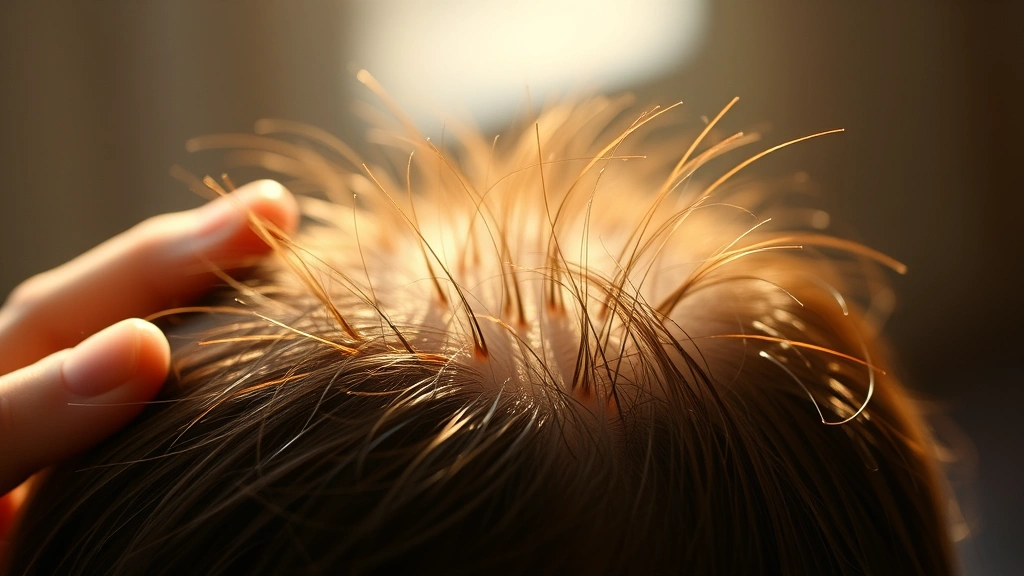
Hair regrowth typically follows a predictable timeline, though individual variation is normal. Most patients notice initial hair growth within 3-6 months after completing chemotherapy. This early regrowth often appears as fine, soft fuzz on the scalp before gradually thickening and lengthening.
Months 1-3: During this initial recovery phase, hair follicles transition from dormancy to the growth phase. You may notice slight hair growth and texture changes. Patience is crucial during this period, as visible progress may seem minimal.
Months 3-6: Hair growth becomes more noticeable. New hair is typically shorter, finer, and sometimes differs in color or texture from pre-treatment hair. This variation is temporary as follicles recalibrate their growth patterns.
Months 6-12: Significant growth occurs during this phase. Hair reaches approximately 3-6 inches, and texture normalization begins. Most patients can style their hair more conventionally and may discontinue wigs or head coverings.
12+ Months: By one year post-treatment, most patients achieve substantial regrowth. Hair texture, color, and growth patterns typically normalize completely by 18-24 months. Some patients experience lasting changes in hair texture or curl pattern, which usually represents a temporary adaptation rather than permanent alteration.
This recovery process mirrors the broader journey of rebuilding motivation and resilience after significant life challenges. Setting realistic expectations for hair regrowth helps maintain emotional well-being throughout recovery.
Nutritional Support for Hair Recovery
Nutrition plays a fundamental role in supporting hair follicle health and accelerating regrowth. Hair is primarily composed of protein, specifically a structural protein called keratin. Additionally, hair growth requires essential micronutrients including iron, zinc, biotin, and B vitamins. Chemotherapy often depletes nutritional reserves, making targeted dietary support crucial for recovery.
Protein Intake: Ensure adequate protein consumption to provide building blocks for new hair growth. Target 1.2-1.6 grams per kilogram of body weight daily. Include diverse protein sources: lean meats, fish, eggs, legumes, nuts, and dairy products. Collagen-rich foods like bone broth additionally support hair structure and scalp health.
Iron and Zinc: These minerals are critical for hair growth cycles. Iron deficiency correlates with increased hair loss, while zinc supports follicle protein synthesis. Include red meat, shellfish, spinach, pumpkin seeds, and chickpeas. Consider supplementation only under medical supervision, as excessive levels can be counterproductive.
B Vitamins: B vitamins, particularly B6, B12, and folate, support hair follicle metabolism. Sources include whole grains, leafy greens, eggs, and fortified cereals. Biotin, though often marketed for hair growth, shows modest evidence but is worth including through eggs, almonds, and sweet potatoes.
Antioxidants: Oxidative stress impairs hair growth. Vitamin C, vitamin E, and selenium combat free radicals. Include berries, citrus fruits, nuts, seeds, and colorful vegetables. Research from PubMed Central demonstrates antioxidant supplementation supports faster follicle recovery post-chemotherapy.
Hydration: Adequate water intake supports nutrient transport and cellular function. Aim for 8-10 glasses daily, adjusting for individual needs and medical recommendations.
Consulting with an oncology-specialized dietitian ensures your nutritional strategy aligns with your specific treatment and recovery needs. This proactive approach complements the broader commitment to setting and achieving health-focused goals during recovery.
Scalp Care and Hair Care Practices
Gentle scalp and hair care practices support follicle health and minimize additional stress on recovering hair. During the regrowth phase, hair is more fragile and vulnerable to damage, requiring modified care routines.
Cleansing: Use sulfate-free, pH-balanced shampoos specifically formulated for sensitive scalps. Wash with lukewarm water rather than hot, as heat can irritate recovering follicles. Limit washing to 2-3 times weekly initially, gradually increasing frequency as hair strengthens. Massage the scalp gently with fingertips rather than nails to stimulate blood flow without causing irritation.
Conditioning: Hydration is essential for fragile new hair. Apply conditioner primarily to hair lengths and ends rather than the scalp. Deep conditioning treatments twice weekly support moisture retention and reduce breakage. Look for products containing glycerin, ceramides, or natural oils.
Styling: Avoid tight hairstyles, excessive heat styling, and chemical treatments during early regrowth phases. Tight ponytails and braids create tension alopecia, potentially damaging newly recovering follicles. If heat styling is desired, use low temperatures and apply heat protectant products. Allow hair to air-dry whenever possible.
Scalp Massage: Gentle scalp massage increases blood flow to follicles, potentially accelerating growth. Using fingertips or a soft brush, massage the scalp in circular motions for 5-10 minutes daily. Some dermatologists recommend this practice as a low-cost, evidence-supported intervention for supporting regrowth.
Sun Protection: New hair lacks the protective melanin concentration of mature hair. Wear hats or use UV-protective hair products when spending time outdoors. This prevents additional damage and supports healthier regrowth.
Dermatologist-Recommended Treatments
Beyond basic care, several medical treatments can support and potentially accelerate hair regrowth after chemotherapy. These interventions are most effective when implemented early in the recovery phase.
Minoxidil (Rogaine): This topical treatment stimulates hair growth and extends the anagen phase. Applied twice daily to the scalp, minoxidil shows evidence of accelerating post-chemo regrowth, particularly when initiated within the first few months after treatment completion. Results typically appear within 4-6 months of consistent use.
Low-Level Laser Therapy (LLLT): Also called red light therapy or photobiomodulation, LLLT uses specific wavelengths to stimulate follicle activity. Clinical studies demonstrate LLLT can accelerate post-chemotherapy hair regrowth and improve hair density. Treatment involves 2-3 sessions weekly using specialized devices, with results appearing after 3-4 months of consistent therapy.
Platelet-Rich Plasma (PRP): This regenerative medicine approach involves injecting concentrated platelets directly into the scalp to stimulate follicle healing. Emerging research supports PRP’s effectiveness for post-chemo alopecia, though more large-scale studies are needed. Treatment typically requires 3-4 sessions spaced 4-6 weeks apart.
Hair Growth Supplements: While whole-food nutrition is primary, targeted supplements may support recovery. Dermatologist-approved options include biotin, saw palmetto, and marine collagen. However, quality and dosing vary significantly among products. Always consult your oncology team before starting supplements, as some may interact with ongoing treatments.
Scalp Treatments: Dermatologists may recommend specialized serums or growth factor treatments applied topically to support follicle recovery. These products contain peptides, growth factors, or botanical extracts designed to optimize conditions for hair regrowth.
Research from the American Academy of Dermatology provides evidence-based guidelines for post-chemo hair management. Consulting with a dermatologist experienced in cancer recovery allows personalized treatment selection based on your specific situation and recovery timeline.
Psychological and Emotional Aspects
Hair loss represents far more than a physical change—it’s deeply connected to identity, self-image, and emotional well-being. Addressing the psychological dimensions of hair regrowth supports holistic recovery and resilience during this challenging transition.
The experience of losing hair and subsequently regrowing it can paradoxically become a powerful metaphor for recovery and renewal. Many cancer survivors describe their returning hair as a tangible symbol of their body’s healing capacity and their own resilience. Reframing this experience as a journey of personal transformation, rather than purely as loss, supports psychological adaptation.
During the regrowth phase, managing expectations is crucial. New hair often appears different from pre-treatment hair—it may be curlier, straighter, finer, or coarser. This temporary variation can be surprising or disappointing. Understanding that these changes are typically transient helps maintain perspective and patience. Many patients report that their hair returns to its original characteristics within 12-24 months.
Connecting with support communities—whether through cancer survivor groups, online forums, or counseling—provides invaluable emotional support. Hearing others’ experiences with hair regrowth normalizes the journey and offers practical tips. This community connection aligns with the broader principle of cultivating growth mindset through shared learning and mutual support.
Consider documenting your hair regrowth journey through photographs or journaling. This practice creates a visual record of progress that can be motivating during slower growth phases. Many survivors find this documentation becomes a source of pride and evidence of their body’s remarkable healing capacity.
Consulting with a therapist or counselor experienced in cancer survivorship provides professional support for navigating identity changes and rebuilding self-confidence. These professionals can help address body image concerns, grief about physical changes, and anxiety about recurrence—all common psychological aspects of cancer recovery.
The regrowth journey offers an opportunity to practice self-compassion and patience with your body. Rather than viewing hair loss as failure or weakness, recognize it as evidence of your body’s brave response to treatment. Similarly, celebrate regrowth as evidence of healing and resilience. This mindset shift supports not only hair recovery but broader emotional healing and personal development throughout your cancer recovery journey.
FAQ
When will my hair start growing back after chemotherapy?
Hair regrowth typically begins 3-6 months after completing chemotherapy. Initial growth appears as fine fuzz before gradually thickening. Individual timelines vary based on treatment type, dosage, and personal factors. Some patients notice hair growth within weeks, while others require several months. Patience during this waiting period is essential, as follicles need time to reactivate after treatment disruption.
Will my hair look the same as before treatment?
In most cases, yes—hair returns to its pre-treatment appearance within 12-24 months. However, some patients experience temporary changes in texture, curl pattern, or color during regrowth. These variations are typically transient and resolve as hair fully matures. Occasionally, permanent texture changes occur, though this is less common. Discussing expected outcomes with your dermatologist helps set realistic expectations.
Can I speed up hair regrowth after chemo?
While you cannot force accelerated growth, several evidence-based strategies support optimal regrowth: maintain excellent nutrition with adequate protein and micronutrients, use dermatologist-recommended treatments like minoxidil or low-level laser therapy, practice gentle scalp care, manage stress effectively, and ensure adequate sleep. These approaches create ideal conditions for follicles to regrow at their natural pace rather than forcing unnatural acceleration.
Is it normal for regrown hair to be different from my original hair?
Yes, temporary differences in texture, color, or curl pattern are common and typically resolve within 12-24 months. These changes reflect follicles recalibrating after treatment disruption. Rarely, permanent texture changes occur, but most patients experience complete normalization. This variation is a normal part of recovery and doesn’t indicate permanent damage.
Should I take hair growth supplements after chemotherapy?
Whole-food nutrition should be your primary focus, emphasizing protein, iron, zinc, and B vitamins. Targeted supplements like biotin or marine collagen may provide additional support but should only be taken with medical approval, as some supplements interact with cancer treatments or other medications. Consult your oncology team and a registered dietitian for personalized supplement recommendations.
What if my hair doesn’t grow back?
Hair regrowth failure post-chemotherapy is extremely rare, as chemotherapy typically doesn’t permanently damage follicles. If you notice absent or severely delayed regrowth beyond 6-12 months, consult your dermatologist to rule out other alopecia conditions that may have developed coincidentally. Your medical team can investigate potential causes and recommend appropriate interventions.
How can I manage my appearance during the regrowth phase?
Many patients continue wearing wigs, scarves, or hats during early regrowth until hair reaches desirable length. These options provide confidence and control over appearance during the transition period. Some patients embrace their returning hair at any length, finding this openness liberating. The choice is entirely personal. Additionally, focusing on skincare, eyebrow care, and other appearance aspects can boost confidence during regrowth.


