Fenugreek for Hair Growth? Science-Backed Benefits and How to Use It
Hair loss affects millions of people worldwide, and the search for effective natural remedies has led many to explore traditional ingredients like fenugreek. This ancient herb, scientifically known as Trigonella foenum-graecum, has been used in Ayurvedic and traditional medicine for centuries. But does the science actually support its use for hair growth, or is it just another wellness trend? This comprehensive guide examines the evidence, explains how fenugreek works, and provides practical strategies for incorporating it into your hair care routine.
Your journey toward healthier hair requires both understanding the science and committing to consistent action. Much like pursuing personal growth, improving your hair health demands patience, knowledge, and the right approach. Let’s explore what research tells us about fenugreek and whether it deserves a place in your wellness arsenal.

What Is Fenugreek and Where Does It Come From?
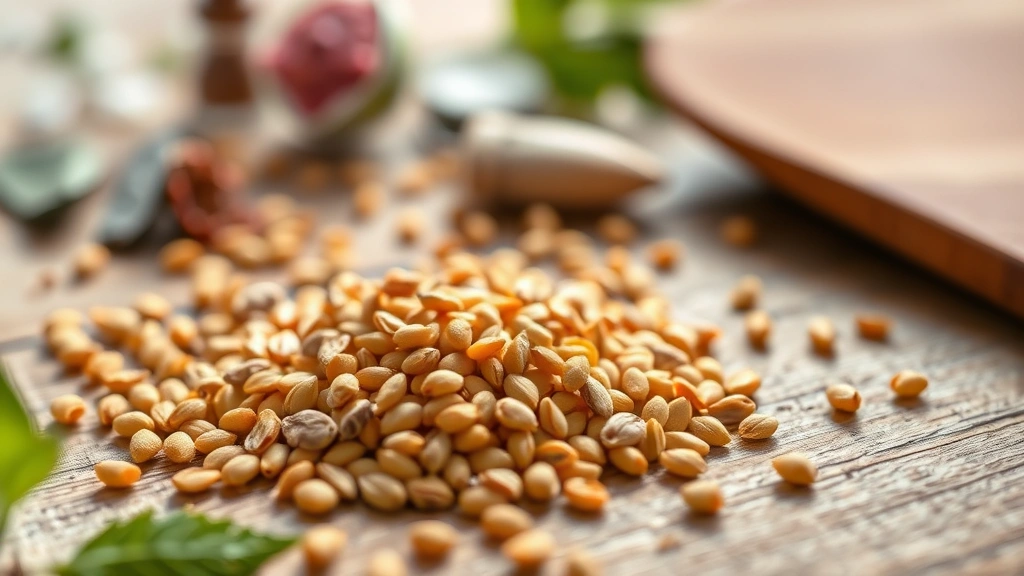
Fenugreek is a legume native to South Asia and the Mediterranean region, traditionally used as both a spice and medicinal herb. The plant produces small, golden-brown seeds that have been staples in Indian, Middle Eastern, and North African cuisines for thousands of years. Beyond culinary applications, fenugreek seeds contain impressive nutritional profiles including proteins, vitamins, minerals, and bioactive compounds.
The herb’s reputation in traditional medicine systems is well-documented. Practitioners have recommended fenugreek for hormonal balance, lactation support, blood sugar management, and—importantly for our purposes—hair and skin health. However, traditional use alone doesn’t validate effectiveness. The question that matters most: does modern scientific research support these claims? This is where evidence-based thinking becomes essential, similar to how you’d approach goal setting with realistic expectations.
The Science Behind Fenugreek and Hair Health
Multiple scientific studies have investigated fenugreek’s effects on hair growth, and the results are genuinely promising. A landmark study published in the Journal of the Science of Food and Agriculture examined fenugreek seed extract’s impact on hair follicles. Researchers found that the extract stimulated hair growth in cultured human hair follicles, suggesting real biological mechanisms at work.
Another important investigation in the Phytotherapy Research journal evaluated a topical fenugreek-based formulation on individuals experiencing hair loss. Participants who applied the treatment consistently showed measurable improvements in hair growth parameters compared to control groups. These weren’t dramatic overnight transformations, but rather steady, observable improvements over several weeks.
The mechanism appears multifaceted. Fenugreek doesn’t work through a single pathway but rather influences several biological processes that support healthy hair growth. This understanding reflects how developing a growth mindset requires understanding multiple contributing factors rather than seeking single solutions.
Research from the International Journal of Trichology indicates that fenugreek may help address one of the root causes of hair loss: inflammation and oxidative stress in hair follicles. By reducing these damaging processes, fenugreek creates a more favorable environment for healthy hair growth.
Key Active Compounds That Promote Hair Growth
Understanding why fenugreek works requires examining its chemical composition. The seed contains several bioactive compounds that contribute to its hair-promoting effects:
- Diosgenin: A plant steroid that may influence hormone levels and follicle health. Research suggests diosgenin can stimulate hair growth by prolonging the anagen (growth) phase of the hair cycle.
- Saponins: These compounds enhance nutrient absorption and may improve scalp circulation, ensuring hair follicles receive adequate oxygen and nutrients.
- Proteins and amino acids: Hair primarily consists of keratin, a protein structure. Fenugreek’s high protein content provides building blocks for strong, resilient hair.
- Iron and zinc: Deficiencies in these minerals are strongly linked to hair loss. Fenugreek contains bioavailable forms of both, making supplementation potentially effective.
- Flavonoids and polyphenols: These antioxidants combat free radical damage that accelerates hair aging and loss, protecting follicles from oxidative stress.
The synergistic effect of these compounds—working together rather than in isolation—likely explains why fenugreek appears more effective than isolated single ingredients. This principle mirrors how comprehensive personal development strategies address multiple life areas simultaneously for optimal results.
How to Use Fenugreek for Maximum Hair Benefits
Simply knowing that fenugreek benefits hair growth means nothing without practical implementation strategies. Here are evidence-based methods for incorporating fenugreek into your routine:
Fenugreek Seed Paste (Topical Application)
This is the most direct approach. Soak fenugreek seeds overnight in water, then grind them into a thick paste. Apply directly to your scalp and hair, focusing on roots and affected areas. Leave the paste on for 20-30 minutes before rinsing thoroughly. Use this treatment 2-3 times weekly for best results. The direct contact allows active compounds to penetrate the scalp and follicles.
Fenugreek Tea (Internal Consumption)
Boil fenugreek seeds in water for 10 minutes, strain, and drink the resulting tea. You can consume this daily or 3-4 times weekly. Internal consumption addresses hair health from within by providing systemic nutrients and supporting hormonal balance. This approach complements topical applications for comprehensive benefits.
Fenugreek Oil Infusions
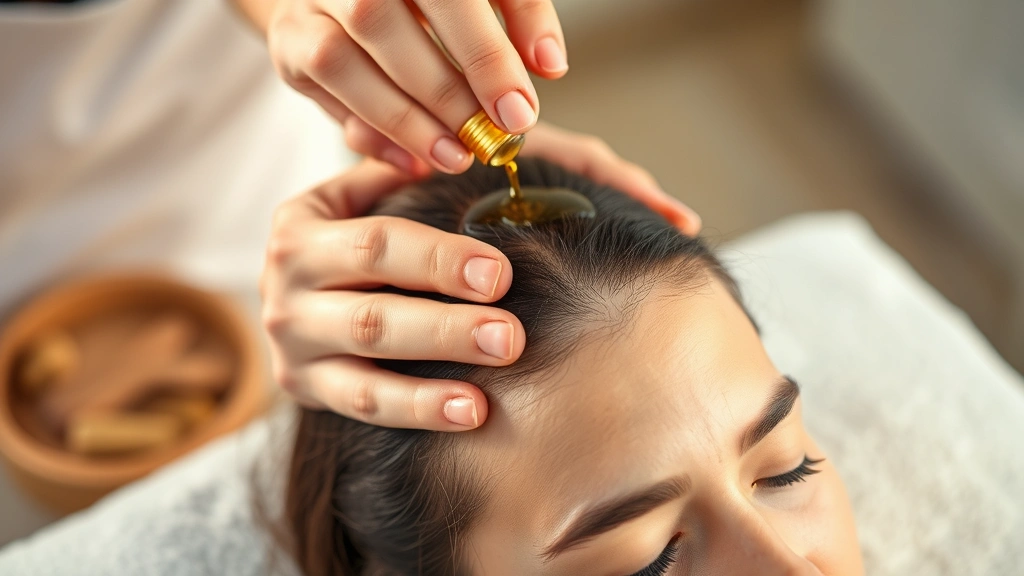
Steep fenugreek seeds in coconut oil or sesame oil for several days, creating a nutrient-rich infusion. Use this oil for scalp massages, which simultaneously deliver fenugreek’s compounds and improve blood circulation. Massage the scalp gently for 5-10 minutes, allowing the oil to penetrate. This combines fenugreek’s benefits with the circulation-boosting effects of massage.
Commercial Fenugreek Products
Standardized supplements, shampoos, and conditioners containing fenugreek extract offer convenience and consistent dosing. Look for products specifying the percentage of active compounds and third-party testing verification. While less traditional than homemade preparations, quality commercial products ensure reliable potency.
Combining Fenugreek With Other Hair Growth Strategies
Fenugreek works best as part of a comprehensive hair health strategy rather than a standalone solution. Just as sustained motivation requires multiple reinforcement strategies, hair growth benefits from multifaceted approaches:
Nutritional Support: Ensure adequate intake of biotin, vitamin D, vitamin B12, zinc, iron, and omega-3 fatty acids. These nutrients are essential for hair growth and work synergistically with fenugreek’s compounds. Consider getting blood work done to identify specific deficiencies.
Scalp Health Optimization: A healthy scalp environment is prerequisite for hair growth. Regular gentle cleansing, avoiding harsh chemicals, and maintaining proper pH balance create conditions where fenugreek can work most effectively. Scalp massage increases blood flow, delivering nutrients to follicles.
Stress Management: Chronic stress elevates cortisol levels, which can trigger hair loss. Meditation, exercise, adequate sleep, and relaxation techniques support hair health at the hormonal level. Fenugreek addresses some mechanisms of stress-related hair loss, but stress management addresses the root cause.
Hydration and Sleep: Hair growth occurs primarily during sleep when growth hormone peaks. Adequate sleep (7-9 hours) is essential. Proper hydration supports nutrient transport and cellular function throughout the body, including hair follicles.
Gentle Hair Care Practices: Minimize heat styling, chemical treatments, and tight hairstyles that cause mechanical stress. Use silk pillowcases to reduce friction. These practices prevent further damage while fenugreek promotes recovery.
Potential Side Effects and Safety Considerations
While fenugreek is generally well-tolerated, awareness of potential side effects ensures safe use. Some individuals report:
- Digestive upset: Consuming fenugreek tea may cause mild nausea, diarrhea, or stomach discomfort, particularly on an empty stomach. Taking it with food typically resolves this issue.
- Allergic reactions: Rarely, individuals with legume allergies may react to fenugreek. Start with small amounts and monitor for itching, swelling, or respiratory symptoms.
- Hormonal effects: Fenugreek contains phytoestrogens (plant compounds mimicking estrogen). While beneficial for some, individuals with hormone-sensitive conditions should consult healthcare providers before use.
- Medication interactions: Fenugreek may interact with blood thinners, diabetes medications, and hormone therapies. If taking prescription medications, discuss fenugreek use with your doctor.
- Scalp irritation: Some experience mild itching or irritation from topical paste applications. Dilute with coconut oil or test on a small area first.
Pregnant and breastfeeding women should consult healthcare providers before using fenugreek, as safety in these contexts requires professional guidance.
Real Results: What to Expect
Setting realistic expectations is crucial. Hair growth follows biological timelines that can’t be rushed. The typical hair growth cycle spans 2-6 years, with each strand growing approximately half an inch monthly. Improvements from fenugreek won’t manifest overnight.
Most users report noticeable improvements within 4-8 weeks of consistent use, manifesting as:
- Reduced daily hair shedding
- Improved scalp health (less itching, flaking)
- Stronger, less brittle hair
- Increased hair thickness and volume
- Faster growth rates
- Enhanced hair shine and texture
Individual results vary based on genetics, underlying health conditions, nutritional status, stress levels, and consistency of application. Someone with severe nutritional deficiencies may see dramatic improvements, while those with genetically predetermined hair loss patterns may experience modest benefits. This variation is normal and doesn’t indicate fenugreek’s ineffectiveness—it reflects biological individuality.
Documentation through photos taken monthly provides objective evidence of progress. Many users find that maintaining detailed records, similar to tracking progress toward professional goals with productivity tools, helps sustain motivation during the slow initial phases.
Frequently Asked Questions
How long does it take to see results from fenugreek for hair growth?
Most individuals observe initial improvements within 4-8 weeks of consistent use. More substantial changes typically become apparent after 3-6 months. Hair growth is a slow biological process, and patience is essential. Consistency matters more than intensity—regular daily or thrice-weekly applications outperform sporadic intensive treatments.
Can I use fenugreek if I have sensitive skin?
Yes, but with precautions. Start with diluted applications (mix fenugreek paste with coconut oil) and perform patch tests on small scalp areas. If irritation develops, reduce frequency or concentration. Some individuals with sensitive skin use fenugreek oil infusions instead of paste for gentler delivery. Discontinue use if irritation persists.
Is fenugreek effective for all types of hair loss?
Fenugreek works best for hair loss related to nutritional deficiencies, inflammation, or hormonal imbalances. It may be less effective for genetically determined male or female pattern baldness, though some users report benefits even in these cases. For androgenetic alopecia, combining fenugreek with other approaches yields better results than fenugreek alone.
Can men and women both use fenugreek for hair growth?
Yes, both genders can use fenugreek. The phytoestrogens in fenugreek may theoretically affect hormone-sensitive individuals differently, but research indicates benefits for both men and women experiencing hair loss. Men concerned about estrogenic effects should start with topical applications rather than internal consumption.
What’s the difference between fenugreek seeds and fenugreek extract?
Whole seeds contain all natural compounds in their original proportions but require preparation and have variable potency. Standardized extracts concentrate active compounds, offering consistent dosing and potentially faster results. Both approaches work; choose based on convenience and preference. Extracts suit those seeking convenience, while seeds appeal to those preferring whole-food approaches.
Can I combine fenugreek with other hair growth treatments?
Generally yes, but use caution with certain combinations. Fenugreek pairs well with other natural approaches (scalp massage, nutritional supplementation, stress management). Be cautious combining fenugreek with prescription hair loss medications—consult your doctor first. Avoid combining with other hormone-affecting supplements without professional guidance.
Should I use fenugreek year-round or cycle on and off?
Continuous use is generally safe and more effective than cycling. Hair growth requires sustained nutrient delivery and follicle stimulation. However, some individuals prefer cycling (8 weeks on, 2 weeks off) to prevent potential tolerance development, though evidence for tolerance isn’t strong. Consistency matters more than cycling patterns.
The evidence supporting fenugreek for hair growth is genuine and increasingly documented in scientific literature. By understanding the mechanisms, using it correctly, and combining it with comprehensive hair health strategies, you can harness this traditional remedy’s modern-validated benefits. Remember that hair health improvement requires patience and consistency—qualities that, much like broader personal development, yield remarkable results when sustained over time.


