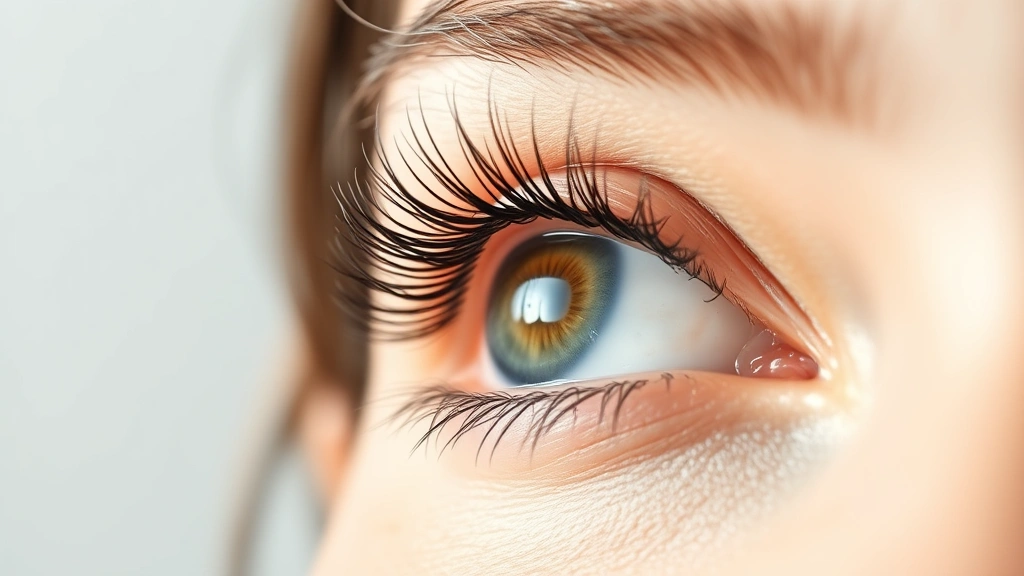
Boost Lash Length? Dermatologist-Approved Tips for Longer, Healthier Eyelashes
Your eyelashes do more than frame your eyes—they protect them from dust, debris, and environmental damage while contributing significantly to your overall appearance and confidence. Yet many people struggle with short, thin, or brittle lashes that refuse to grow beyond a certain length. The good news? Dermatologists have identified proven strategies to enhance eyelash growth naturally and safely, from targeted serums to lifestyle modifications that support follicle health.
Whether you’re recovering from lash damage, seeking natural enhancement, or simply want fuller lashes, understanding the science behind eyelash growth empowers you to make informed decisions. This comprehensive guide explores evidence-based approaches to achieving longer, stronger lashes while maintaining the integrity of your delicate eye area.
Understanding Eyelash Growth Cycles
Before diving into eyelash growth serum solutions, it’s essential to understand how lashes naturally grow. Each eyelash follicle operates on its own independent growth cycle, consisting of three phases: the anagen (growth) phase lasting 4-10 weeks, the catagen (transitional) phase lasting 2-3 weeks, and the telogen (resting) phase lasting 4-9 months.
This staggered timeline explains why lashes don’t all shed simultaneously—your body maintains continuous coverage. However, factors like age, genetics, hormonal changes, and external stressors can shorten the growth phase or extend the resting phase, resulting in thinner-appearing lashes. Understanding this biology helps you appreciate why consistent serum application requires patience; you’re essentially supporting your follicles through multiple growth cycles before visible results emerge.
Most dermatologists recommend a minimum 8-12 week commitment when using any lash-enhancement product, as this timeframe allows you to see lashes that have completed a full growth cycle under the serum’s influence.
The Science Behind Eyelash Growth Serums
Modern eyelash growth serum formulations work through several scientifically-validated mechanisms. The most effective products contain ingredients that extend the anagen (growth) phase, strengthen the hair shaft to reduce breakage, and nourish follicles to promote healthier lash development. Research published in the Journal of Drugs in Dermatology demonstrates that certain peptides and plant-derived compounds can significantly increase lash length and thickness when applied consistently.
The key distinction between effective serums and ineffective ones lies in bioavailability—whether ingredients can actually penetrate the lash follicle and exert their beneficial effects. Premium formulations use specialized delivery systems that allow active compounds to reach the dermal papilla, the nutrient-rich tissue at the base of each lash that drives growth.
When you’re evaluating options, look for serums backed by clinical studies showing measurable improvements in lash length, thickness, and darkness. Dermatologists particularly favor products with transparent ingredient lists and published efficacy data rather than those relying solely on marketing claims.
Connecting this to your broader personal development journey, investing in quality lash care reflects a commitment to self-improvement through evidence-based choices—much like selecting proven strategies for boosting productivity in the workplace or other life areas.
Key Ingredients in Effective Serums
Peptides and biotin: Peptides are amino acid chains that signal follicles to enter the growth phase. Biotin, a B-vitamin, strengthens the keratin structure of each lash, reducing breakage. Dermatologists frequently recommend serums combining both ingredients for synergistic effects.
Prostaglandin analogs: Originally developed for glaucoma treatment, compounds like bimatoprost have demonstrated remarkable effects on lash growth in clinical settings. These work by extending the anagen phase and increasing follicle size. However, they require prescription access in many regions and may cause side effects like iris darkening in some users.
Botanical extracts: Ingredients like ginseng, green tea extract, and panax root contain phytonutrients that reduce inflammation around follicles and provide antioxidant protection. Research shows these natural compounds can enhance circulation to the lash line, supporting nutrient delivery.
Hyaluronic acid and glycerin: These humectants draw moisture into the lash shaft, improving flexibility and reducing brittleness. Well-hydrated lashes are less prone to breakage, allowing them to reach their full potential length.
Niacinamide: Also called vitamin B3, niacinamide strengthens the lash structure and improves the skin barrier around follicles, creating optimal conditions for growth. Studies in Dermatology Times highlight its role in reducing inflammation and supporting follicle health.
The most effective serums typically combine multiple mechanisms rather than relying on a single ingredient, much like how comprehensive productivity tools for professionals integrate multiple features to maximize results.
Dermatologist-Recommended Application Methods
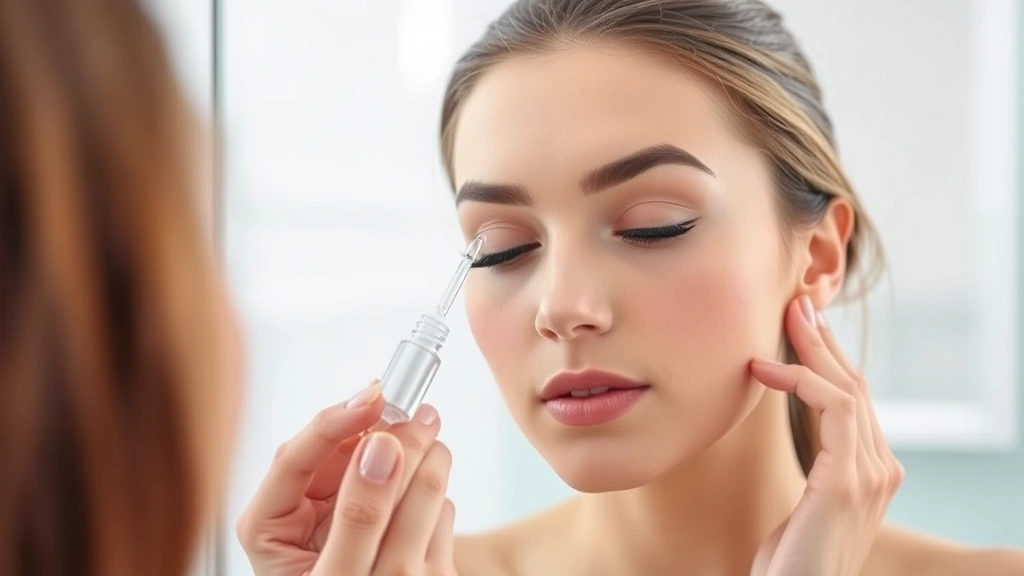
Proper application technique significantly impacts eyelash growth serum effectiveness. Dermatologists emphasize these evidence-based practices:
- Clean application: Begin with thoroughly cleansed eyelids free of makeup, oils, and debris. Use a gentle, fragrance-free cleanser to avoid irritating the delicate eye area.
- Precise placement: Apply serum directly to the lash line rather than on the lashes themselves. The follicles reside at the base, so targeting this area ensures ingredients reach where they’re needed most.
- Consistent timing: Use your serum at the same time daily, preferably in the evening before bed. This allows the product to work undisturbed throughout the night and reduces interaction with makeup or other products.
- Minimal quantity: A tiny amount—roughly the size of a grain of rice—is sufficient. Excess product wastes money and may cause irritation or unwanted side effects like darkening of the surrounding skin.
- Patience with results: Visible improvements typically emerge after 6-8 weeks of consistent use. Lashes grow slowly by design; dramatic transformations require commitment across multiple growth cycles.
- Avoid common mistakes: Don’t apply serum to wet lids, share applicators, or use expired products. Never apply serum if you have active eye infections or inflammation.
For maximum benefit, coordinate your lash care with other personal growth initiatives by establishing a consistent evening routine that supports both lash health and overall wellness.
Nutrition and Internal Support for Lash Health
External serums work best when supported by internal nutritional factors. Just as lashes require specific ingredients topically, your body needs particular nutrients to build strong, healthy hair structures. Dermatologists emphasize that nutritional deficiencies directly correlate with weak, slow-growing lashes.
Protein and amino acids: Lashes are primarily composed of keratin, a protective protein. Consuming adequate protein ensures your body has building blocks for robust lash growth. Aim for 0.8-1.0 grams per pound of body weight daily through sources like eggs, fish, chicken, legumes, and dairy.
Iron: Iron deficiency anemia commonly manifests as hair loss, including lash shedding. Dermatologists recommend checking iron levels if you experience unusual lash loss. Incorporate iron-rich foods like spinach, red meat, and fortified grains, or consider supplementation under medical guidance.
Zinc: This mineral supports follicle protein synthesis and prevents premature shedding. Zinc-rich foods include oysters, beef, pumpkin seeds, and chickpeas. Research in Dermatology Practical & Conceptual demonstrates that adequate zinc intake correlates with improved hair growth across all body areas.
Biotin and B vitamins: Biotin supports keratin production, while other B vitamins regulate the hair growth cycle. Consider a B-complex supplement if you follow a restrictive diet, though most people obtain sufficient amounts through whole foods.
Omega-3 fatty acids: These anti-inflammatory compounds reduce inflammation around follicles and improve circulation. Include fatty fish, flaxseeds, and walnuts in your diet regularly.
This nutritional foundation mirrors the importance of establishing strong behavioral foundations in goal-setting practices—success requires supporting systems working in concert.
Lifestyle Habits That Damage Lashes
While using an effective eyelash growth serum, simultaneously protecting your lashes from preventable damage accelerates results. Dermatologists identify several common habits that compromise lash health:
Harsh makeup removal: Tugging or rubbing aggressively while removing eye makeup damages delicate lash follicles and causes breakage. Instead, use a gentle makeup remover and allow it to dissolve makeup before wiping softly with a clean cloth or cotton pad.
Sleeping face-down: Consistent pressure on your face while sleeping can cause lash breakage and follicle damage. Try sleeping on your back or using a silk pillowcase that reduces friction compared to cotton.
Excessive heat styling: Curling lashes daily with heated tools weakens the hair shaft and promotes breakage. Limit heat styling to special occasions, and always use a protective serum beforehand.
Rubbing eyes frequently: Chronic eye rubbing—whether from allergies, fatigue, or habit—damages lashes and can lead to traction alopecia (lash loss from repeated pulling tension). If you experience frequent itching, consult an ophthalmologist to address underlying causes like allergies or dry eye syndrome.
Wearing lash extensions continuously: While occasional lash extensions are generally safe, wearing them permanently prevents your natural lashes from resting and recovering. The weight of extensions causes traction damage. Consider taking breaks between applications, or limit extensions to special events.
Using expired or low-quality mascaras: Old mascara harbors bacteria and may contain dried, clumpy particles that damage lashes. Replace mascara every 3 months, and choose formulas designed to be gentle on natural lashes.
Stress and poor sleep: Chronic stress elevates cortisol, which can push lashes prematurely into the telogen (shedding) phase. Prioritize stress management through techniques like meditation or exercise, similar to strategies discussed in our guide on managing stress at work. Aim for 7-9 hours of quality sleep nightly to support hormonal balance and follicle health.

Professional Treatments and When to Consider Them
Beyond serums and lifestyle modifications, dermatologists offer professional treatments for those seeking accelerated results or dealing with significant lash loss:
Prescription prostaglandin analogs: Medications like latanoprost, bimatoprost, and travoprost were originally developed for glaucoma but demonstrate dramatic lash-growth effects as a side benefit. Applied nightly to the lash line, these prescription treatments can increase lash length by 25% and thickness by over 100% within 12-16 weeks. However, they require medical supervision and aren’t suitable for everyone due to potential side effects.
Low-level laser therapy: Some dermatology clinics offer specialized laser treatments that stimulate follicle activity and increase blood flow to the lash line. While research is ongoing, preliminary studies suggest benefits for individuals with compromised follicle function.
Microblading and lash tattooing: These semi-permanent cosmetic procedures create the appearance of fuller lashes through tattooing pigment along the lash line. While not addressing actual growth, they provide an aesthetic solution for those with permanent lash loss.
Follicle transplantation: In rare cases of severe lash loss due to trauma or medical conditions, dermatologists may recommend hair follicle transplantation. This surgical procedure harvests healthy follicles from other body areas and implants them along the lash line, though it’s expensive and typically reserved for significant loss cases.
Most dermatologists recommend starting with topical serums and lifestyle modifications before pursuing professional treatments, as these approaches carry minimal risk and often prove effective.
FAQ
How long does it take to see results from eyelash growth serum?
Most people notice visible improvements within 6-8 weeks of consistent daily application. Dramatic results typically emerge after 12-16 weeks as multiple lash growth cycles complete under the serum’s influence. Patience is essential—lash growth is naturally slow, and expectations should be realistic.
Can I use eyelash growth serum if I wear contact lenses?
Yes, but exercise caution. Apply serum to the lash line rather than directly on the eye, allow it to dry completely before inserting contacts, and avoid contact with the eye surface itself. If you experience irritation, discontinue use and consult your eye care provider.
Are natural eyelash growth serums as effective as prescription options?
Natural serums containing peptides, plant extracts, and biotin demonstrate clinically-proven effectiveness, though prescription prostaglandin analogs typically produce more dramatic results. The choice depends on your needs, budget, and risk tolerance regarding potential side effects. Natural options are excellent for maintenance and prevention.
Can eyelash growth serum cause side effects?
Most over-the-counter serums are well-tolerated with minimal side effects. However, some individuals experience mild irritation, redness, or itching. Prescription prostaglandin analogs carry higher risks, including iris darkening, increased tear production, and eyelid darkening. Always perform a patch test before full application, and discontinue use if adverse effects occur.
Is it safe to use eyelash growth serum long-term?
Over-the-counter serums are generally safe for long-term use. In fact, consistent application is necessary to maintain results—lashes return to baseline growth rates once you stop using the serum. Prescription options require ongoing medical supervision if used long-term.
Should I continue using serum after achieving desired lash length?
To maintain results, yes. Discontinuing serum use typically results in lashes gradually returning to their original length and thickness over several weeks. Many users adopt a maintenance schedule of applying serum 3-4 times weekly after achieving their goals.
Can I use eyelash growth serum with other eye products?
Generally yes, but timing matters. Apply serum as the final step in your nighttime routine after all other products have dried. If using prescription retinoids or other active eye treatments, consult your dermatologist about potential interactions before combining products.
What’s the difference between eyelash serums and mascaras claiming lash growth?
Mascaras primarily coat existing lashes to create the appearance of length and thickness through pigment and polymers. Serums work internally to stimulate actual follicle growth and strengthen the hair shaft. For genuine growth, serums are more effective than mascaras, though mascaras can provide immediate cosmetic enhancement while you wait for serum results.


