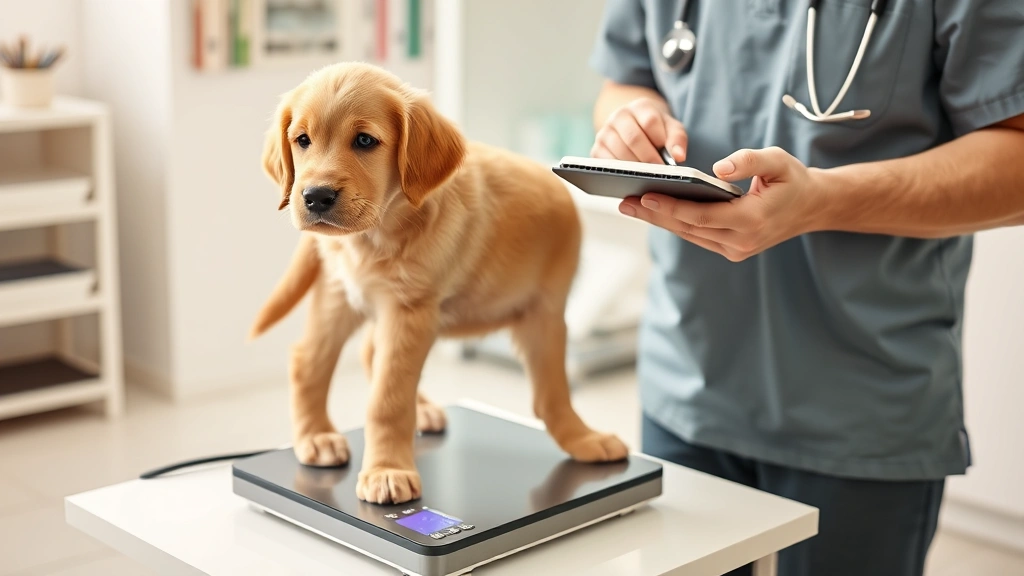
Track Dog Growth: Vet-Approved Guidelines for Healthy Development
Just as personal growth requires monitoring progress, your dog’s physical development demands careful tracking and attention. Understanding your puppy’s growth patterns isn’t just about curiosity—it’s a critical aspect of responsible pet ownership that directly impacts long-term health, nutrition, and quality of life. A comprehensive dog growth chart serves as your roadmap, helping you identify potential health issues before they become serious problems.
Your veterinarian relies on growth data to assess whether your puppy is developing within normal parameters for their breed, age, and size. When you consistently track your dog’s growth, you gain invaluable insights into their nutritional needs, exercise requirements, and potential genetic predispositions to health conditions. This proactive approach transforms you from a passive pet owner into an informed guardian equipped with the knowledge to make better decisions for your companion’s wellbeing.

Understanding Canine Growth Phases
Dogs experience distinct growth phases that significantly differ from human development. The neonatal period, lasting from birth to approximately three weeks, represents the most vulnerable stage where puppies are entirely dependent on their mother for nutrition and warmth. During this phase, weight gain is rapid—healthy puppies typically double their birth weight within the first week. Understanding these fundamental growth principles helps you establish realistic expectations.
The socialization period begins around three weeks and extends to fourteen weeks. This is when puppies become increasingly mobile, begin eating solid food, and develop crucial social bonds. Growth during this phase remains exponential, with puppies gaining weight almost daily. By the end of this period, most puppies have reached approximately 40-50% of their adult body weight, depending on their breed classification.
The juvenile stage spans from fourteen weeks to approximately six months for small breeds and up to twelve months for large breeds. Growth continues but at a slower pace than the socialization period. During this phase, puppies develop stronger bones, more defined musculature, and greater coordination. Proper nutrition becomes increasingly important as skeletal development accelerates.
The adolescent stage represents a critical window where dogs experience growth spurts and hormonal changes. Small breeds typically complete most skeletal growth by nine to twelve months, while large and giant breeds may continue growing until eighteen to twenty-four months. This variation makes breed-specific tracking essential for accurate assessment.

Creating Your Dog Growth Chart
Starting a dog growth chart requires minimal equipment but consistent dedication. You’ll need an accurate scale—preferably one used at your veterinary clinic for consistency—a notebook or digital tracking system, and a calendar to mark measurement dates. Most veterinarians recommend weighing puppies every two weeks until six months of age, then monthly thereafter until growth plateaus.
To weigh your puppy accurately at home, stand on a scale while holding your dog, note the combined weight, then weigh yourself alone and subtract the difference. Record the date, weight, and any notable observations about appetite, activity level, or physical changes. This simple practice creates a historical record that becomes invaluable during veterinary visits.
Beyond weight, track additional measurements that provide comprehensive growth data. Record your puppy’s body length from nose to tail base, chest girth, and leg length if possible. These measurements reveal whether growth is proportional and whether certain body parts are developing disproportionately—a sign of potential genetic or nutritional issues. Maintaining motivation for consistent tracking becomes easier when you see tangible progress over time.
Visual assessment complements numerical data. Photograph your puppy from the same angle monthly to document physical changes. You should be able to feel your dog’s ribs easily but not see them prominently. The waist should be visible from above, and there should be a slight tuck to the abdomen. These visual indicators, combined with weight data, provide a complete picture of healthy development.
Breed-Specific Growth Patterns
Growth trajectories vary dramatically across breeds, making breed-specific tracking essential for accurate assessment. Small breeds like Chihuahuas and Toy Poodles typically reach their adult weight between eight and twelve months, with some growth plateauing as early as six months. These breeds have faster metabolic rates and shorter growth windows, requiring careful monitoring during early development.
Medium breeds such as Beagles and Cocker Spaniels experience growth that extends through twelve to sixteen months. Their growth curve is more gradual than small breeds, allowing for a longer nutritional optimization window. Standard-sized dogs in this category require careful calorie management to prevent obesity while ensuring adequate nutrition for bone and muscle development.
Large breeds including Labrador Retrievers and German Shepherds present unique growth challenges. These dogs continue growing until eighteen to twenty-four months, with some individuals adding weight and muscle well into their second year. Their growth rate must be carefully controlled through diet and exercise to prevent orthopedic problems like hip dysplasia and elbow dysplasia. Overfeeding large breed puppies accelerates growth rate beyond what their skeletal system can safely support.
Giant breeds such as Great Danes and Saint Bernards require the most meticulous growth monitoring. These dogs grow for extended periods—often until twenty-four to thirty-six months—and their massive size creates significant stress on developing joints and bones. Research from the American Animal Hospital Association demonstrates that controlled growth in giant breeds significantly reduces orthopedic disease incidence.
Understanding your dog’s breed classification helps you interpret growth data correctly. A four-month-old Great Dane that weighs forty pounds may be growing perfectly on schedule, while a four-month-old Beagle at the same weight would be severely overweight. Consulting informative resources about your specific breed provides crucial context for assessment.
Nutrition and Growth Management
Proper nutrition forms the foundation of healthy growth, making feeding decisions among the most important choices pet owners make. Puppies require significantly more calories per pound of body weight than adult dogs because they’re simultaneously maintaining their current body while building new tissue. The Association of American Feed Control Officials (AAFCO) establishes nutritional standards for puppy foods that ensure adequate protein, fat, calcium, and phosphorus.
Protein requirements for growing dogs range from 18-25% for large breed puppies and 22-32% for small breed puppies, depending on age and breed size. Adequate protein supports muscle development, immune function, and hormone production. Fat content should comprise 8-15% of calories, providing essential fatty acids crucial for brain development and coat health.
Calcium and phosphorus balance proves particularly critical during growth, especially for large breeds. These minerals must be present in appropriate ratios—ideally 1.2:1 calcium to phosphorus—to support proper bone mineralization. Excessive calcium supplementation, a common mistake among well-intentioned owners, actually impairs bone development and increases orthopedic disease risk. National Center for Biotechnology Information research confirms that oversupplementation causes more developmental problems than deficiency.
Feeding frequency should match your puppy’s age and breed. Puppies under three months benefit from four meals daily, three to six month puppies require three meals daily, and puppies over six months typically thrive on two meals daily. Large and giant breed puppies should receive three meals daily throughout their first year to prevent bloat and maintain stable blood sugar levels supporting steady growth.
Monitoring body condition during growth is as important as tracking weight. Puppies should never be overweight—excess calories during critical growth periods program their metabolism toward obesity and increase orthopedic disease risk. Similarly, underfeeding stunts growth and compromises immune development. Work with your veterinarian to establish appropriate calorie targets based on your puppy’s growth curve and breed characteristics.
Health Monitoring Through Growth Tracking
Growth charts serve as powerful diagnostic tools that reveal health issues before obvious symptoms appear. Sudden growth plateaus or weight loss may indicate parasitic infections, nutritional deficiencies, or metabolic disorders requiring veterinary investigation. Conversely, growth that significantly exceeds breed norms might suggest endocrine imbalances or obesity developing.
Growth rate consistency matters as much as absolute weight. A puppy gaining half a pound weekly should continue that pattern; sudden acceleration or deceleration warrants veterinary evaluation. These changes often precede visible symptoms, allowing early intervention when treatment is most effective. This principle mirrors the importance of tracking progress toward goals in personal development—small deviations from expected trajectories signal the need for strategy adjustments.
Orthopedic development in large and giant breeds requires special attention during growth tracking. Lameness, reluctance to exercise, or difficulty rising from rest may indicate developmental orthopedic disease. Regular weight monitoring helps identify obesity, which exacerbates joint stress during critical growth periods. Many orthopedic problems originating during growth become chronic issues in adulthood, making preventive monitoring invaluable.
Dental development follows growth patterns and provides diagnostic information. Puppy teeth should shed completely between four and seven months, with permanent teeth fully erupted by seven to eight months. Delayed tooth eruption or retained baby teeth may indicate nutritional deficiencies or genetic conditions. Your veterinarian can identify these issues during growth monitoring appointments.
Coat quality, skin condition, and energy levels provide qualitative growth indicators. A healthy growing puppy should have a glossy coat, clear skin, and abundant energy. Dull coats, excessive shedding, or lethargy may indicate nutritional inadequacies or underlying health conditions. These observations, combined with quantitative growth data, create a comprehensive health assessment.
Common Growth Concerns
Growth that significantly deviates from breed norms requires veterinary investigation. Stunted growth may result from parasitic infections, malabsorption disorders, endocrine imbalances, or inadequate nutrition. Conversely, excessive growth may indicate overfeeding, hyperthyroidism, or genetic predisposition to obesity. Your veterinarian can order appropriate diagnostic tests to identify underlying causes.
Developmental orthopedic disease represents one of the most common growth-related concerns, particularly in large and giant breeds. Conditions like hip dysplasia, elbow dysplasia, and osteochondrosis develop during growth periods due to genetic predisposition combined with environmental factors including nutrition, growth rate, and exercise. Research from the Orthopedic Foundation for Animals demonstrates that controlled growth significantly reduces disease incidence.
Nutritional secondary hyperparathyroidism develops when puppies receive inadequate calcium relative to phosphorus, or when homemade diets lack appropriate mineral balance. This condition causes weak bones, lameness, and permanent skeletal deformities. Proper growth monitoring identifies affected puppies early, before irreversible damage occurs.
Growth plate disorders, including premature closure or delayed closure, create significant problems. Premature closure causes uneven limb development and lameness, while delayed closure extends the vulnerable period for injury and disease. These conditions often have genetic components but environmental factors including nutrition and exercise intensity significantly influence severity.
Feeding-related growth problems result from either excessive or insufficient calorie intake. Overfeeding accelerates growth beyond what a puppy’s skeletal system can support, increasing orthopedic disease risk and programming toward obesity. Underfeeding stunts growth, impairs immune development, and creates behavioral problems. Your veterinarian can adjust feeding based on growth monitoring data to maintain optimal development.
Understanding efficient strategies for managing your puppy’s growth prevents many common problems. Rather than guessing about appropriate nutrition and exercise, data-driven decisions based on consistent growth monitoring ensure optimal outcomes.
FAQ
How often should I weigh my puppy?
Weigh puppies every two weeks until six months of age, then monthly until growth plateaus. This frequency captures important growth patterns while remaining manageable for most owners. Your veterinarian may recommend different intervals based on your puppy’s individual circumstances.
What if my puppy’s growth doesn’t match the chart?
Individual variation is normal, but significant deviations warrant veterinary evaluation. Factors including genetics, nutrition, health status, and breed characteristics influence growth rates. Your veterinarian can determine whether deviations are normal variation or signs of underlying issues.
Can I use online growth calculators to predict adult size?
Online calculators provide rough estimates but lack accuracy for individual puppies. Breed, genetics, nutrition, and health status all influence adult size. Your veterinarian can provide more accurate predictions based on your puppy’s growth curve and breed characteristics.
How does exercise affect growth?
Appropriate exercise supports healthy growth by strengthening bones and muscles. However, excessive exercise during growth periods, particularly in large breeds, increases orthopedic disease risk. Follow breed-specific exercise guidelines and consult your veterinarian about appropriate activity levels.
Should I supplement my puppy’s diet?
Puppies eating quality commercial puppy food rarely require supplements. Excessive calcium or vitamin supplementation actually impairs development. Consult your veterinarian before adding supplements to your puppy’s diet.
When does growth stop?
Growth completion varies by breed. Small breeds typically stop growing by twelve months, medium breeds by sixteen months, and large/giant breeds by twenty-four months. Some giant breeds continue adding weight and muscle until three years of age.


