
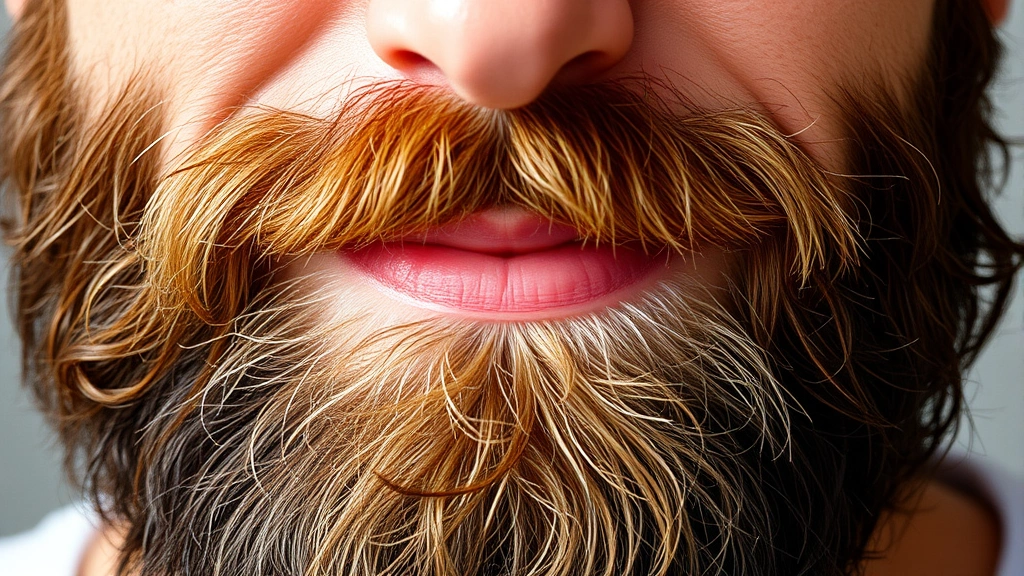
Does Beard Oil Help Growth? Expert Insights on Facial Hair Development
The question of whether beard oil actually promotes hair growth has sparked countless debates in barbershops and online grooming communities. Many men invest in premium beard oils hoping to accelerate growth, but the science behind these products reveals a more nuanced answer than simple yes or no. While beard oil won’t magically make your facial hair grow faster, it plays a crucial supporting role in creating optimal conditions for healthy beard development—much like how personal growth requires the right environment and mindset.
Understanding the relationship between beard oil and growth requires examining the biological factors that influence facial hair, the actual mechanisms of beard development, and what scientific research tells us about grooming products. This comprehensive guide separates myth from evidence-based reality, empowering you to make informed decisions about your grooming routine and overall appearance optimization.
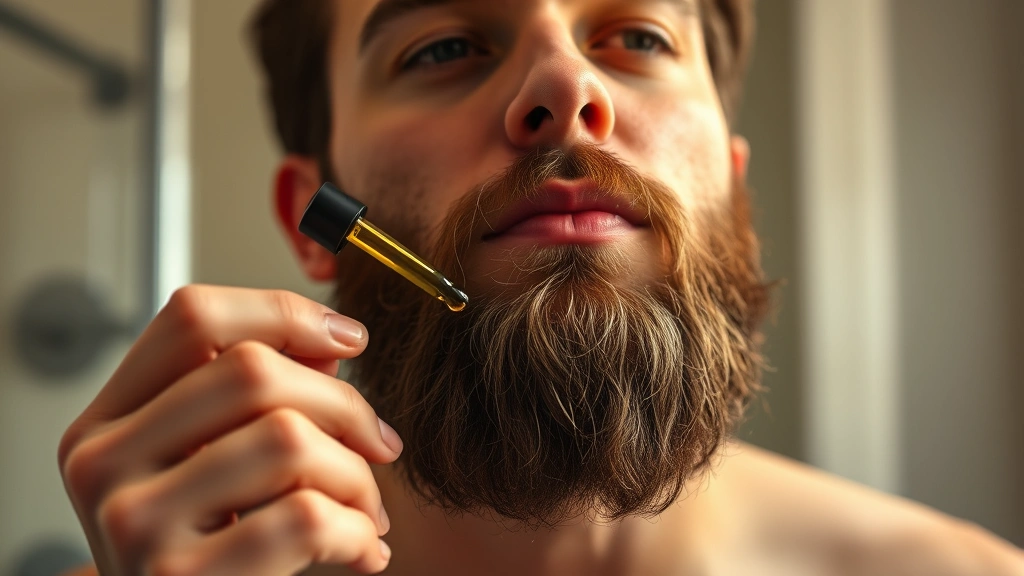
How Beard Growth Actually Works
Before evaluating whether beard oil helps growth, you need to understand the biological fundamentals of facial hair development. Beard growth is primarily determined by genetics and hormones, specifically androgens like testosterone and DHT (dihydrotestosterone). These hormones activate hair follicles in the facial region, initiating the growth cycle that produces visible beard hair.
The hair growth cycle consists of three distinct phases: the anagen phase (active growth lasting 2-6 years), the catagen phase (transition period lasting 2-3 weeks), and the telogen phase (resting period lasting 2-4 months). During the anagen phase, your beard grows approximately half an inch per month on average. This growth rate is largely predetermined by your genetic makeup and hormonal profile—factors that beard oil cannot directly influence.
Hair follicles are living structures with roots embedded deep beneath the skin’s surface. The follicle’s health depends on proper blood circulation, nutrient delivery, and hormonal signaling. This is where external care products like beard oil become relevant. While they cannot alter your genetics or hormone levels, they can support the microenvironment surrounding your follicles, potentially optimizing the conditions under which growth occurs.
Interestingly, the pursuit of beard growth shares principles with broader growth mindset approaches—both require understanding foundational factors and creating supportive conditions rather than expecting overnight transformation.
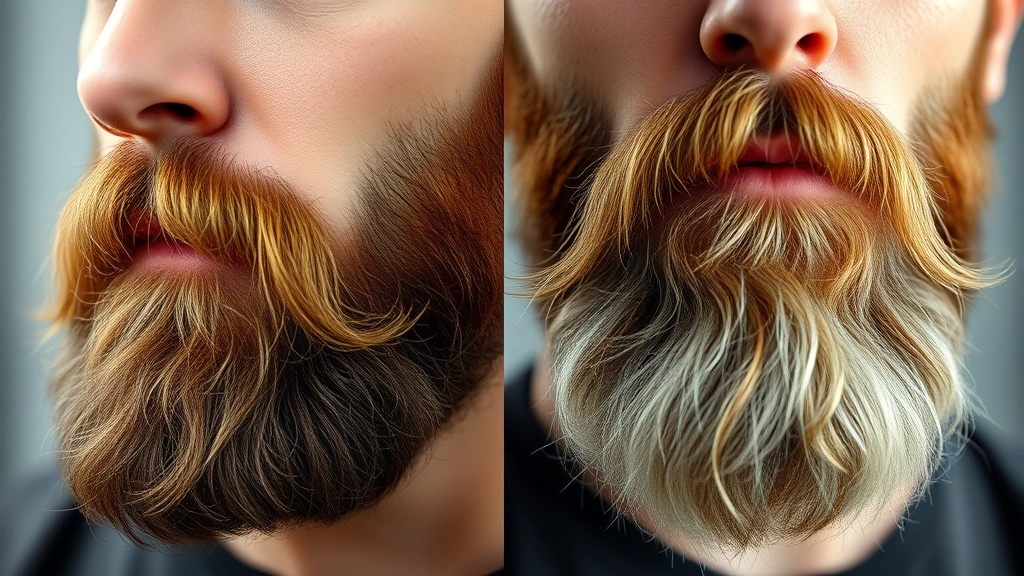
The Science Behind Beard Oil
Beard oil is a topical grooming product composed of carrier oils and essential oils, designed to condition facial hair and the underlying skin. The primary function of beard oil is to moisturize and protect both the beard hair itself and the sensitive skin beneath it. Most quality beard oils contain carrier oils like jojoba oil, argan oil, coconut oil, and sweet almond oil, blended with essential oils for fragrance and additional benefits.
When you apply beard oil, it penetrates the hair shaft and creates a protective barrier that reduces moisture loss. Beard hair, particularly longer beards, is susceptible to dryness because natural oils (sebum) produced by your skin have difficulty traveling down the length of longer hairs. This is why many men experience itchiness and dryness when growing out their beards. Beard oil compensates for this natural limitation, maintaining hydration throughout the hair shaft.
The skin beneath your beard requires special attention because it’s covered by hair, creating a microclimate with reduced air circulation. This environment can lead to accumulation of dead skin cells, bacteria, and irritation. Quality beard oils address this by keeping the skin moisturized, reducing inflammation, and supporting a healthier scalp-like environment. Research published in the Journal of Cosmetic Dermatology demonstrates that proper skin hydration supports overall hair health and can reduce hair loss caused by dryness and irritation.
Does Beard Oil Directly Increase Growth?
The straightforward answer is: beard oil does not directly accelerate beard growth rate. No scientific evidence suggests that topical beard oils increase the speed at which your beard grows or extend the anagen phase. Your growth rate remains determined by genetics and hormones, regardless of which beard oil you use.
However, this doesn’t mean beard oil is ineffective—it means we must understand its actual benefits rather than expecting it to perform miracles. Some men report that their beards appear fuller and look longer faster when they use beard oil consistently. This perception often results from several factors: reduced hair breakage, improved hair texture making the beard appear denser, better definition of individual hairs, and simply healthier-looking facial hair that seems more impressive.
The distinction between actual growth acceleration and improved appearance is crucial. If your beard hairs are breaking off due to dryness and brittleness, you’re not actually growing less—you’re losing more of what you grow. Beard oil prevents this moisture-related breakage, meaning more of your natural growth is preserved and visible. This creates the practical benefit of achieving a longer, fuller-looking beard in less time, even though the underlying growth rate hasn’t changed.
Think of it like this: if you’re naturally capable of growing an inch per month but lose half an inch to breakage, you net only half an inch of growth. Beard oil can prevent that breakage, allowing you to realize your full growth potential. This principle extends to other areas of development—just as joining a growth community doesn’t make you smarter but removes barriers to learning, beard oil doesn’t make follicles produce more hair but removes obstacles to realizing your genetic potential.
Key point: Beard oil optimizes conditions for your existing growth capacity rather than increasing that capacity itself.
Indirect Benefits for Beard Health
While beard oil doesn’t directly boost growth, its indirect benefits for beard health are substantial and scientifically supported. Understanding these benefits helps explain why many bearded men swear by their beard oil routines.
Prevents Beard Itch and Irritation: New beard growth often triggers itching as hair emerges through the skin. This irritation can tempt men to shave prematurely, preventing them from ever reaching their full beard potential. Beard oil, particularly formulations containing anti-inflammatory ingredients, significantly reduces this itching. Studies in dermatology journals confirm that proper skin hydration reduces inflammation and associated itching sensations.
Reduces Beard Dandruff and Flaking: The skin beneath your beard can develop a condition similar to scalp dandruff, characterized by white flakes and visible irritation. This occurs when the skin becomes too dry. Beard oil addresses this directly by maintaining proper moisture levels, preventing the skin irritation that leads to flaking and visible debris.
Improves Hair Texture and Appearance: Dry beard hair appears dull, wiry, and unkempt. Properly moisturized beard hair reflects light better, appears shinier, and feels softer. This improved texture makes your beard look fuller and more impressive, which can boost confidence and create the perception of faster growth.
Protects Against Environmental Damage: Sun exposure, wind, cold temperatures, and pollution all damage beard hair. The protective barrier created by beard oil shields your hair from these environmental stressors, reducing cumulative damage that can weaken hair structure.
Supports Healthy Follicle Environment: By maintaining skin health and reducing inflammation, beard oil creates an optimal microenvironment for follicles to function properly. While this doesn’t increase growth rate, it ensures your follicles aren’t compromised by poor skin conditions.
Key Ingredients That Make a Difference
Not all beard oils are created equal. The specific ingredients in your beard oil significantly influence its effectiveness. Understanding what to look for empowers you to choose products that deliver real benefits rather than relying on marketing hype.
Jojoba Oil: This carrier oil most closely resembles your skin’s natural sebum, making it excellent for absorption and compatibility. Jojoba oil penetrates the hair shaft effectively and doesn’t leave a greasy residue. It contains vitamin E and B-complex vitamins that support skin health.
Argan Oil: Rich in antioxidants and vitamin E, argan oil provides excellent moisturization and protective benefits. It’s particularly effective at reducing frizz and improving hair texture. The antioxidants help protect against environmental damage and oxidative stress that can weaken hair.
Coconut Oil: While popular, coconut oil has a higher melting point and can leave residue on some hair types. However, it does contain lauric acid, which has antimicrobial properties and can help prevent bacterial and fungal issues in the beard area.
Sweet Almond Oil: This lightweight oil absorbs well and contains proteins that can strengthen hair structure. It’s particularly good for men with sensitive skin as it’s less likely to cause irritation.
Vitamin E: This antioxidant protects hair and skin from free radical damage. It supports collagen production and overall skin health, creating better conditions for follicles to function optimally.
Essential Oils: Beyond fragrance, oils like cedarwood, eucalyptus, and tea tree have antimicrobial and anti-inflammatory properties. Tea tree oil specifically can help prevent folliculitis and skin infections in the beard area.
Avoid beard oils with excessive silicones or synthetic ingredients that can coat the hair without providing actual nourishment. Look for products with clear ingredient lists emphasizing natural carrier oils and proven beneficial compounds. Your commitment to choosing quality products reflects the same principle as investing in quality education and resources—the right tools significantly enhance results.
Optimal Application Techniques
How you apply beard oil matters as much as which oil you choose. Proper application technique ensures maximum benefit and prevents common issues like greasy hair or product waste.
Timing: Apply beard oil when your beard is slightly damp, ideally right after showering. Damp hair allows better product penetration and helps distribute the oil evenly. Applying to completely wet hair dilutes the oil, while applying to bone-dry hair makes distribution uneven.
Amount: Most men use 3-5 drops for a short beard and 5-10 drops for longer beards. Start with less rather than more—you can always add more, but excess oil creates a greasy appearance. The goal is subtle conditioning, not visible shine.
Distribution: Rub the oil between your palms to warm it slightly, then work it through your beard from the roots outward. Use your fingers to separate the beard into sections and ensure the oil reaches the skin beneath. This is crucial because the skin underneath requires the moisturization more than the visible hair.
Combing: After applying oil, use a beard comb or boar bristle brush to distribute it evenly and style your beard. This step ensures consistent coverage and helps train your beard to grow in your desired direction.
Frequency: Most men benefit from daily beard oil application, particularly if they have longer beards or dry skin. Some men with oily skin may only need application 3-4 times weekly. Adjust frequency based on how your beard feels and looks.
Nighttime Application: Consider applying beard oil before bed, allowing it to work overnight when there’s less friction and movement. This maximizes absorption and reduces the risk of transferring oil onto bedding.
Setting Realistic Expectations
To get the maximum benefit from beard oil, you must align your expectations with reality. Beard oil is a supporting tool in your grooming routine, not a miracle product that transforms your beard growth.
What Beard Oil Will Do:
- Reduce beard itch and irritation, allowing you to maintain your beard during the awkward growth phase
- Prevent breakage and split ends, helping you retain more of your natural growth
- Improve beard texture and appearance, making your beard look fuller and healthier
- Support skin health beneath your beard, reducing dandruff and irritation
- Protect against environmental damage that weakens hair
- Create a healthier microenvironment for follicles to function optimally
What Beard Oil Will Not Do:
- Increase your genetic growth rate or extend the anagen phase
- Change your hormonal profile or DHT sensitivity
- Create beard growth where genetics doesn’t support it
- Permanently repair severely damaged hair (prevention is more effective than repair)
- Work as a standalone solution without proper overall grooming
Effective beard growth requires a comprehensive approach. Beard oil is one component of a strategy that includes proper nutrition, adequate sleep, stress management, regular grooming, and patience. Just as personal development requires integrated approaches, beard optimization works best when you address multiple factors simultaneously.
Timeline Expectations: Most men notice visible beard improvement within 2-4 weeks of consistent beard oil use. Skin irritation typically improves within days, while texture changes and apparent fullness develop over weeks. Full benefits emerge after 8-12 weeks of consistent application. This timeline reflects how long it takes for improved conditions to support multiple growth cycles.
Individual Variation: Your results depend on your baseline beard quality, genetics, skin type, and overall health. A man with naturally dry skin and sensitive beard area will notice more dramatic improvement than someone with naturally oily skin. This variation is normal and doesn’t indicate product failure—it reflects the reality that different people start from different baselines.
The most successful beard growers combine beard oil with other evidence-based practices: maintaining a healthy diet rich in protein and biotin, staying hydrated, getting adequate sleep, managing stress, and protecting their beard during growth phases. This multifaceted approach, similar to comprehensive growth strategies, maximizes results by addressing all relevant factors.
FAQ
Can beard oil make my beard grow faster?
No, beard oil cannot increase your growth rate. Growth speed is determined by genetics and hormones. However, beard oil prevents breakage and irritation that might otherwise slow your progress toward a full beard, allowing you to realize your full genetic potential.
Will beard oil help if I have a patchy beard?
Beard oil won’t fill in genetically sparse areas, but it can help maximize growth in areas where you do have follicles. Patchiness is primarily genetic. Some men find that consistent beard oil use makes existing hair appear fuller, which can reduce the visual impact of patchiness.
How long should I use beard oil before seeing results?
You should notice improvements in beard texture and reduced itching within 1-2 weeks. More significant changes in appearance and thickness perception typically develop over 4-8 weeks. Commit to at least a month of consistent daily use before evaluating effectiveness.
Is beard oil necessary or just marketing?
Beard oil is genuinely beneficial, though not absolutely necessary. You can maintain a healthy beard with just regular washing and conditioning. However, for most men, especially those with longer beards or sensitive skin, beard oil provides real benefits that justify its cost. It’s a practical tool, not a marketing gimmick, though many brands certainly oversell their products’ capabilities.
Can I use regular hair oil or conditioner instead of beard oil?
You can use some hair products on your beard, but beard oil is specifically formulated for facial hair and the sensitive skin beneath it. Regular hair conditioner is often too heavy and can leave residue. Beard oil’s lighter formulation works better for facial hair. If cost is a concern, jojoba oil alone from a health store is an effective, affordable alternative.
Does beard oil expire or go bad?
Quality beard oils with natural ingredients have a shelf life of 1-2 years. Store your beard oil in a cool, dark place to preserve it. If it develops an off smell or appearance, discard it. Essential oils can oxidize over time, reducing their effectiveness and potentially becoming irritating.
Will beard oil make my beard too soft or less masculine?
No. Beard oil improves texture and appearance without compromising masculinity. A well-conditioned, healthy beard actually looks stronger and more impressive than a dry, brittle one. Many of the most respected beard styles rely on quality grooming products to achieve their appearance.