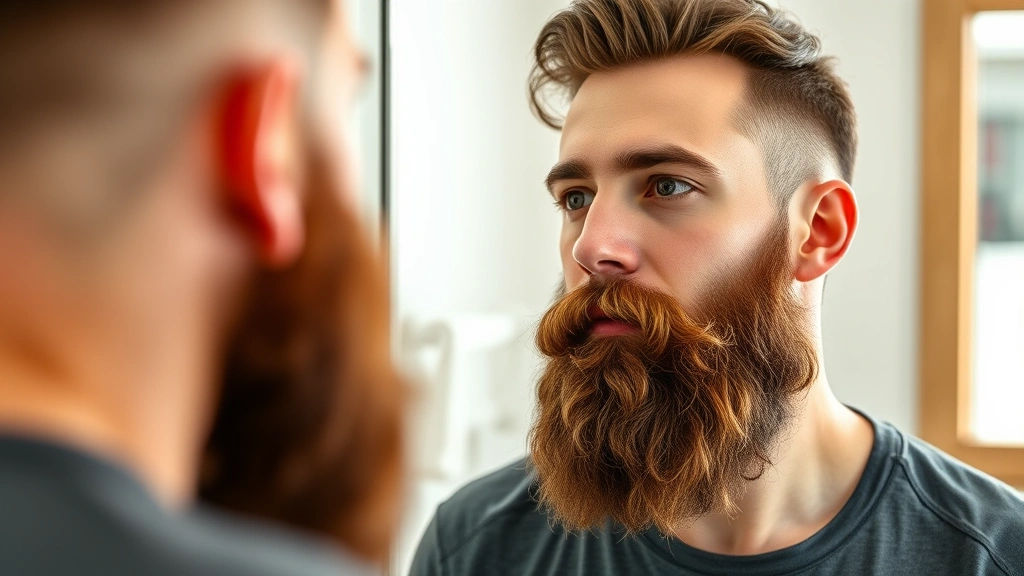
Derma Rollers for Beards: Expert Insights on Growth and Effectiveness
The quest for a fuller, thicker beard has driven countless men to explore innovative grooming solutions. Among the most talked-about tools in recent years is the derma roller—a device covered in tiny needles designed to stimulate the skin. But does this trendy tool actually work for beard growth, or is it another overhyped grooming fad? This comprehensive guide breaks down the science, separates fact from fiction, and provides actionable insights based on expert research and real-world results.
Understanding how derma rollers function at a cellular level is crucial before investing time and money into this treatment. When you roll the device across your facial hair area, the micro-needles create controlled micro-injuries that trigger your body’s natural healing response. This process, known as microneedling, stimulates collagen production and increases blood flow to the treated region. For beard growth specifically, this mechanism could theoretically enhance the environment where hair follicles thrive.
How Derma Rollers Work for Facial Hair
Derma rollers operate on a principle that dermatologists have studied for decades. The device contains between 0.5mm to 2.5mm needles, with different sizes serving different purposes. When rolled across the skin, these needles create microscopic punctures that activate several biological processes simultaneously.
The primary mechanism involves stimulating fibroblasts—cells responsible for producing collagen and elastin. This response strengthens the skin’s structural integrity and increases nutrient delivery to hair follicles. Additionally, the micro-injuries trigger the release of growth factors and cytokines, which are signaling molecules that promote healing and tissue regeneration.
For beard growth specifically, enhanced blood circulation becomes particularly important. Hair follicles require consistent oxygen and nutrient delivery to produce thick, healthy strands. By increasing blood flow to the facial region, derma rollers create a more favorable environment for beard development. The process also encourages the skin to retain more moisture, which can reduce irritation and flaking that sometimes inhibits hair growth.
Many users report that derma rolling feels like a controlled micro-injury that jumpstarts the body’s repair mechanisms. Think of it as sending a signal to your body saying, “This area needs attention and resources.” Your body responds by prioritizing that region for healing and growth.
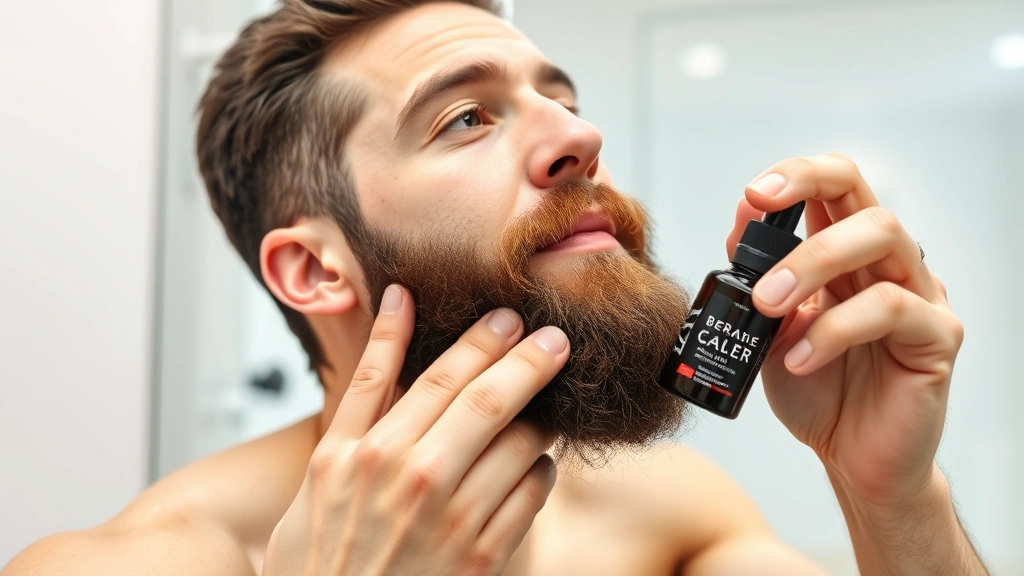
What Science Says About Microneedling and Hair Growth
The scientific evidence supporting microneedling for hair growth is surprisingly robust, though most research focuses on scalp hair rather than beard hair specifically. A landmark study published in the International Journal of Dermatology demonstrated that microneedling combined with minoxidil (Rogaine) produced significantly better results than minoxidil alone for treating male pattern baldness.
Research from PubMed Central indicates that microneedling increases the absorption of topical treatments by up to 1,000 times. This is particularly relevant for beard growth because many men use beard oils, growth serums, and minoxidil—products that penetrate far more effectively when combined with derma rolling.
The mechanism has been validated across multiple studies: microneedling stimulates growth factor expression, increases angiogenesis (new blood vessel formation), and promotes stem cell activation. These biological responses create optimal conditions for hair follicle health and growth cycle progression.
However, it’s important to note that most clinical research involves professional-grade microneedling devices used by dermatologists, not consumer-grade derma rollers. The needles in professional equipment are often longer and more precisely engineered. Despite this distinction, consumer devices still demonstrate measurable benefits when used consistently and correctly.
One critical finding: microneedling works best when combined with other beard growth strategies. Behavioral research on habit formation suggests that combining multiple approaches—such as derma rolling, topical treatments, and lifestyle optimization—creates synergistic effects that outperform any single intervention.
Beard-Specific Benefits and Results
While scalp hair research is abundant, beard-specific microneedling data is more limited. However, dermatologists and beard specialists consistently report positive outcomes when patients use derma rollers correctly. The benefits extend beyond simple hair growth.
Increased Hair Density: Users frequently report thicker, fuller beards after 8-12 weeks of consistent derma rolling. This occurs because microneedling activates dormant or miniaturized hair follicles, transitioning them into active growth phases.
Improved Beard Texture: Enhanced collagen production strengthens hair strands from the follicle level outward. Many men notice their beard hair becomes coarser and more resilient, reducing brittleness and split ends.
Reduced Patchiness: Patchy beards often result from uneven blood flow or follicle dormancy in specific regions. Derma rolling stimulates growth across all treated areas, gradually filling in sparse patches.
Better Skin Health: A healthy beard requires healthy skin underneath. Microneedling reduces inflammation, improves skin texture, and reduces ingrown hairs—common issues that interfere with beard growth.
Enhanced Nutrient Absorption: When combined with beard growth serums or minoxidil, derma rolling dramatically increases product penetration, maximizing treatment effectiveness.
Real-world testimonials from beard enthusiasts show that most people notice initial improvements within 4-6 weeks, with significant changes appearing after 12 weeks of consistent use. Results vary based on genetics, age, hormone levels, and overall health—factors that influence beard growth regardless of treatment method.
Proper Technique and Best Practices
Using a derma roller incorrectly can minimize results or cause irritation. Following proper technique is essential for safety and effectiveness.
Choose the Right Needle Size: For facial hair, dermatologists recommend 0.5mm to 1.5mm needles. Smaller needles (0.5mm) work well for beginners and sensitive skin, while 1.0mm to 1.5mm needles provide more dramatic stimulation for experienced users. Avoid needles longer than 2.5mm for facial use.
Preparation Steps: Begin with clean skin. Apply a gentle cleanser and pat dry completely. Some experts recommend applying a numbing cream 20-30 minutes before rolling to reduce discomfort. This aligns with self-improvement psychology principles—removing barriers to consistent practice increases adherence.
Rolling Technique: Use gentle, controlled pressure. Roll in multiple directions: vertical, horizontal, and diagonal. Each area should receive 8-10 passes. Focus on the cheeks, chin, and jawline where beard growth occurs. Avoid rolling directly over active acne or open wounds.
Frequency Guidelines: Begin with once weekly sessions. After 4-6 weeks, you can increase to twice weekly if your skin tolerates it well. Never exceed twice weekly rolling, as excessive microneedling can cause chronic inflammation.
Post-Rolling Care: Apply a hydrating serum immediately after rolling while skin is still slightly damp. This enhances absorption. Follow with a lightweight moisturizer. Avoid harsh products, direct sunlight, and intense exercise for 24 hours post-treatment.
Product Timing: If using minoxidil or beard growth serums, apply them 12 hours after rolling. This prevents product irritation on freshly micro-injured skin while still allowing enhanced absorption from the increased permeability.
Safety Considerations and Potential Risks
While derma rollers are generally safe when used properly, several important precautions exist.
Infection Risk: The primary safety concern involves bacterial contamination. Always use a sterilized roller. Clean your device with rubbing alcohol before and after each use. Replace your roller every 3-6 months, as needle integrity degrades with repeated use.
Skin Irritation: Some users experience redness, swelling, or temporary irritation. This is normal and typically subsides within 24 hours. However, if irritation persists beyond 48 hours or worsens, discontinue use and consult a dermatologist.
Contraindications: Avoid derma rolling if you have active acne, eczema, psoriasis, or other skin conditions. People taking blood thinners should consult their doctor before beginning microneedling. Pregnant women should seek professional medical advice before using derma rollers.
Over-Treating: Excessive microneedling can damage the skin barrier and cause chronic inflammation, counteracting beard growth benefits. Stick to the recommended frequency and never roll the same area excessively in one session.
Equipment Quality: Invest in a quality derma roller from reputable manufacturers. Cheap devices often have dull needles that tear skin rather than create clean micro-injuries. This distinction significantly impacts results and safety.
Derma Rollers vs. Alternative Growth Methods
Understanding how derma rolling compares to other beard growth strategies helps you make informed decisions about your grooming approach. This connects to broader goal-setting and decision-making frameworks that emphasize choosing evidence-based methods.
Minoxidil (Rogaine): Minoxidil is FDA-approved for hair growth and has extensive clinical support. When used alone, it produces moderate results. However, combining minoxidil with derma rolling significantly enhances effectiveness. Many users report that this combination produces results comparable to more aggressive treatments with fewer side effects.
Beard Oils and Growth Serums: These products provide benefits primarily through moisturizing and providing nutrients. Their effectiveness increases dramatically when combined with derma rolling, which enhances absorption. Oils alone rarely produce significant growth without other interventions.
Nutritional Supplements: Biotin, zinc, and vitamin D support beard health from within. These work through different mechanisms than derma rolling and can be used complementarily. Taking a smarter approach to beard growth means combining multiple evidence-based strategies.
Prescription Treatments: Finasteride (Propecia) addresses hormonal factors in hair loss but requires medical supervision and carries potential side effects. Derma rolling is non-pharmaceutical and can be used alongside medical treatments.
Lifestyle Optimization: Sleep quality, stress management, exercise, and nutrition profoundly impact beard growth. These foundational factors should never be neglected in favor of tools or treatments. A comprehensive approach addressing motivation and sustainable habits produces the best long-term results.
The most effective strategy combines derma rolling with topical treatments, nutritional support, and lifestyle optimization. This multi-pronged approach aligns with research on behavioral change and personal growth, which demonstrates that compound strategies outperform single interventions.
Research from the National Institutes of Health emphasizes that sustainable improvements in health and appearance result from consistent application of multiple evidence-based practices rather than relying on any single solution.
FAQ
How long does it take to see results from derma rolling for beard growth?
Most users notice initial improvements within 4-6 weeks of consistent weekly rolling. Significant visible changes typically appear after 8-12 weeks. Results vary based on genetics, age, current beard health, and adherence to proper technique. Patience and consistency are essential—beard growth is a slow biological process that cannot be rushed.
Can I use a derma roller if I have sensitive skin?
Yes, but start with a 0.5mm needle and use it only once weekly. Perform a patch test on a small area first. If irritation occurs, wait longer between sessions or reduce needle size. Sensitive skin requires more cautious progression, but derma rolling can still be beneficial with proper modifications.
Should I use derma rolling with minoxidil?
Yes, this combination is highly effective. However, timing matters: roll first, wait 12 hours, then apply minoxidil. This prevents irritation while maximizing product absorption. Clinical evidence strongly supports this combination for enhanced hair growth results.
How do I prevent infection when using a derma roller?
Always sterilize your roller with rubbing alcohol before and after use. Store it in a clean, dry location. Replace the roller every 3-6 months. Ensure your skin is clean before rolling. Avoid touching your face unnecessarily after treatment, and don’t share your roller with others.
Can derma rolling cause permanent damage to facial skin?
When used properly and at recommended frequencies, derma rolling is safe and does not cause permanent damage. However, excessive or aggressive rolling can harm the skin barrier. Following guidelines—rolling no more than twice weekly with appropriate needle sizes—prevents adverse effects.
What’s the difference between consumer derma rollers and professional microneedling?
Professional microneedling uses longer, more precise needles and is performed by dermatologists. Consumer derma rollers have shorter needles and less precision but still provide measurable benefits. Professional treatments produce faster results but cost significantly more. Consumer devices offer excellent value for consistent home use.
Should I derma roll my entire face or just the beard area?
You can roll your entire face, but focus on beard-growing areas: cheeks, chin, and jawline. Rolling the entire face provides additional skin health benefits and can be part of a comprehensive skincare routine. Avoid sensitive areas like the eye region.
Is derma rolling suitable for all beard types?
Derma rolling works for all beard types and ethnicities. However, people with curly or coiled beard hair may experience different results due to follicle angle variations. Regardless of beard type, microneedling stimulates growth through the same biological mechanisms.


