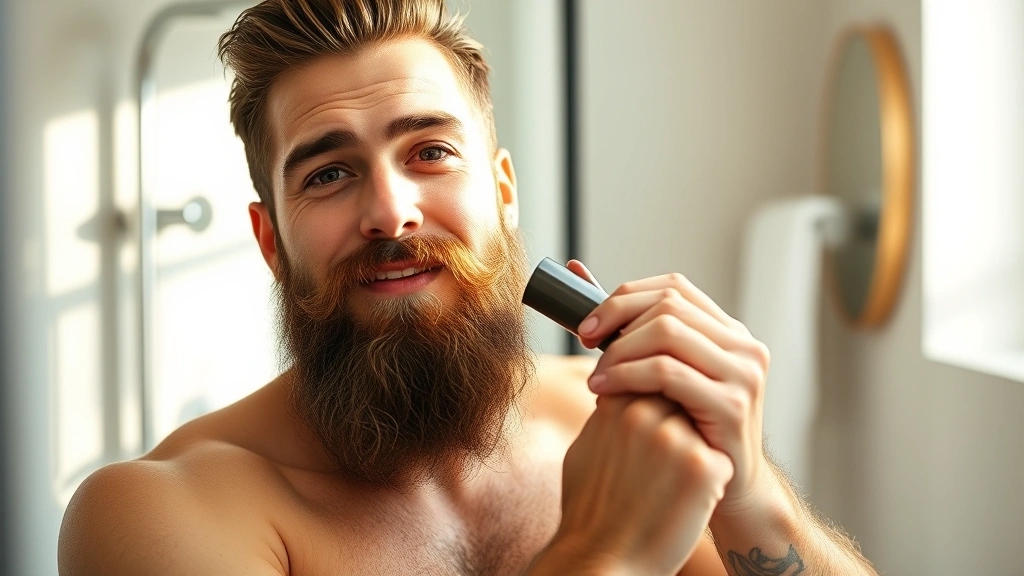
Beard Growth Kits: Dermatologist Insights on What Actually Works
The beard growth kit market has exploded in recent years, with countless products promising thicker, fuller facial hair in weeks. From serums and supplements to specialized shampoos and growth stimulators, these kits claim to deliver transformative results. But do they actually work? Understanding the science behind beard growth and evaluating the evidence for these products requires examining what dermatologists actually say about their efficacy, ingredients, and realistic expectations.
As someone interested in personal growth and self-improvement, your appearance plays a meaningful role in confidence and how you present yourself to the world. However, separating marketing hype from genuine science is essential before investing time and money into beard growth solutions. This comprehensive guide explores dermatologist perspectives on beard growth kits, examines the evidence, and helps you make informed decisions about which approaches actually deliver results.
How Beard Hair Actually Grows: The Science
Understanding beard growth requires knowledge of hair biology and the factors that influence facial hair development. Every hair follicle on your face goes through three distinct phases: the anagen phase (active growth), the catagen phase (transition), and the telogen phase (resting). During the anagen phase, hair grows approximately half an inch per month, though this varies significantly between individuals based on genetics, hormones, and overall health.
Testosterone and its derivative DHT (dihydrotestosterone) play crucial roles in beard growth. These androgens stimulate hair follicles in the facial region, promoting thicker and longer hair growth compared to other body areas. However, genetic factors largely determine how sensitive your follicles are to these hormones. If your father or grandfather had impressive beards, you likely have the genetic predisposition for substantial facial hair growth. Conversely, if facial hair runs thin in your family, no product can completely override this genetic blueprint.
Age also matters significantly. Beard growth typically peaks in men between ages 25 and 35, when testosterone levels are highest and follicles are most responsive. As you age, beard growth may slow, though many men continue growing full beards well into their later years. The quality of your beard—thickness, color, and texture—depends on multiple factors including ethnicity, skin type, nutritional status, and overall health.

Key Ingredients in Beard Growth Kits
Beard growth kits typically contain several common ingredients, each with varying levels of scientific support. Understanding what’s actually in these products helps you evaluate their potential effectiveness.
Minoxidil is perhaps the most researched ingredient, originally developed as an oral medication for blood pressure management. When applied topically, minoxidil has demonstrated effectiveness for promoting hair growth on the scalp. Research published in the Journal of the American Academy of Dermatology confirms minoxidil’s efficacy for hair regrowth, though facial beard results vary. Some men experience substantial beard thickening; others see minimal improvement.
Biotin and other B vitamins appear frequently in beard growth supplements. These vitamins support keratin production, the protein that forms hair structure. However, dermatology experts note that biotin supplementation only helps if you have a deficiency. For men with adequate nutrition, additional biotin provides minimal benefit.
Caffeine-based serums claim to stimulate follicles and increase blood flow to facial hair. While caffeine does improve circulation temporarily, evidence for sustained beard growth improvement remains limited. Most studies showing caffeine benefits were conducted on scalp hair, not facial hair.
Niacinamide and panthenol appear in many beard oils and conditioners. These ingredients improve hair hydration and reduce breakage, making existing beards appear fuller and healthier. While they won’t create new hair growth, they enhance the appearance and texture of what you already have.
Essential oils like rosemary, peppermint, and castor oil are popular in beard growth kits. Traditional use suggests these promote growth, but scientific evidence remains inconclusive. Some small studies show modest improvements, while others find no significant difference compared to placebo.
Do Beard Growth Kits Work: Evidence and Research
The honest answer: results vary significantly, and most beard growth kits provide modest improvements at best. PubMed searches for beard growth kit efficacy reveal surprisingly limited peer-reviewed research on complete kits. Most studies examine individual ingredients rather than comprehensive products.
Minoxidil-based products show the strongest evidence. Multiple clinical trials demonstrate that 5% minoxidil solution can increase beard thickness and growth rate in responsive men. However, effectiveness varies widely—some men experience dramatic results while others see negligible improvement. Genetic factors determine who responds well and who doesn’t.
For other ingredients commonly found in kits, evidence is weaker. While biotin, vitamins, and essential oils support overall hair health, they rarely produce visible beard growth improvements in men with adequate nutrition. Beard oils and conditioners definitely improve appearance and feel, but they work through hydration and conditioning rather than stimulating new growth.
The marketing claims surrounding beard growth kits often far exceed the scientific evidence. Many companies make promises about dramatic growth increases that simply aren’t supported by clinical data. This is why consulting dermatologists provides valuable perspective—they cut through marketing hype and focus on what evidence actually demonstrates.
One important consideration: placebo effect plays a surprisingly large role in beard product satisfaction. Men who expect improvement often perceive their beards as fuller even without measurable changes. While this psychological benefit has value for confidence, it’s worth understanding that some perceived improvements may reflect expectation rather than actual growth.
What Dermatologists Actually Recommend
When asked about beard growth kits, dermatologists emphasize several important points. First, they recommend prioritizing genetics and health fundamentals over products. If your family doesn’t grow thick beards, no kit will completely transform your facial hair. However, optimizing your foundation creates the best environment for whatever growth potential you possess.
Dermatologists suggest focusing on overall health optimization as the first step. This includes adequate sleep, stress management, regular exercise, and proper nutrition. These factors influence hormone levels, circulation, and follicle health more profoundly than most topical products. Increasing motivation to maintain healthy habits provides better beard growth benefits than expensive serums.
For men interested in products, dermatologists recommend minoxidil as the only ingredient with strong clinical evidence for beard growth. If you pursue minoxidil-based kits, expect gradual results over 3-6 months, and understand that not everyone responds. Minoxidil also requires ongoing use—stopping treatment causes any gains to reverse.
Regarding supplements, dermatologists suggest basic micronutrient coverage rather than specialized beard growth formulas. A quality multivitamin, vitamin D supplementation (especially if deficient), and adequate protein intake support hair health more cost-effectively than branded beard supplements with similar ingredients at premium prices.
For beard appearance and texture, dermatologists recommend simple beard oils or conditioners containing hydrating ingredients like argan oil, jojoba oil, or coconut oil. These improve how your existing beard looks and feels without unrealistic growth promises. Quality grooming—proper washing, conditioning, and brushing—makes more visible difference than most growth kits.
Realistic Timeline and Expectations
Understanding realistic timelines prevents disappointment and helps you evaluate whether a product is actually working. Beard hair grows approximately 0.5 inches monthly, though this varies between individuals. This means meaningful visible growth requires patience—typically 2-3 months minimum to notice substantial changes.
If you’re using minoxidil-based products, expect this timeline: weeks 1-4 show minimal visible changes as the product begins affecting follicles. Weeks 5-8 may bring slightly increased thickness or slightly faster growth. Weeks 9-16 reveal more noticeable improvements in men who respond well. By 6 months, if minoxidil will work for you, results should be evident. If you see no improvement after six months, your follicles likely aren’t responsive, and continuing the product provides minimal benefit.
For non-minoxidil products, timelines stretch longer because efficacy is weaker. Most men notice no meaningful changes within the typical 30-60 day window that companies promote. If improvements occur, they’re usually subtle and take 3-6 months to become apparent.
This timeline reality connects to the broader concept of goal setting and achievement. Beard growth requires patience and realistic expectations, much like other personal development pursuits. Setting a six-month timeline rather than expecting overnight transformation prevents frustration and helps you accurately assess whether your chosen approach actually works.
Natural Alternatives to Growth Kits
Before investing in expensive beard growth kits, consider these evidence-supported natural approaches that optimize your beard-growing potential.
- Optimize sleep quality: Growth hormone peaks during deep sleep. Prioritizing 7-9 hours of quality sleep supports testosterone production and follicle health more effectively than most topical products.
- Manage stress effectively: Chronic stress elevates cortisol, which can suppress testosterone and inhibit hair growth. Meditation, exercise, and stress-reduction techniques provide beard-growth benefits beyond their other health advantages.
- Exercise regularly: Physical training, especially resistance training, naturally boosts testosterone levels. This creates a more favorable hormonal environment for beard growth than any supplement can provide.
- Ensure adequate protein intake: Hair is primarily keratin protein. Consuming sufficient protein (0.8-1g per pound of body weight) provides the building blocks for robust beard growth.
- Address nutritional deficiencies: If you’re deficient in iron, zinc, vitamin D, or B vitamins, supplementing these specific nutrients can improve hair growth. Most men don’t need expensive beard-specific formulas—basic nutrient sufficiency suffices.
- Stay hydrated: Proper hydration supports all biological processes, including hair growth. This simple factor is often overlooked in pursuit of complex solutions.
- Use quality beard oil: A simple beard oil with argan or jojoba oil conditions existing beard hair and improves appearance without the premium pricing of specialized growth kits.
These natural approaches cost little, benefit your overall health, and provide the foundation for whatever beard growth your genetics allow. Many men achieve impressive beard results through these fundamentals alone, without expensive specialized products.
For those pursuing growth mindset development, this approach teaches valuable lessons about foundational work, patience, and understanding what actually drives results versus what marketing claims to.
FAQ
Do beard growth kits actually work?
Results vary significantly. Minoxidil-based kits show the strongest evidence, with some men experiencing noticeable improvement while others see minimal changes. Most other ingredients in beard kits provide modest benefits at best. Success largely depends on genetics and individual responsiveness to specific ingredients.
Which ingredient is most effective for beard growth?
Minoxidil has the strongest clinical evidence for promoting beard growth. However, it’s not universally effective—genetic factors determine who responds well. Other common ingredients like biotin, caffeine, and essential oils have weaker scientific support for beard-specific growth.
How long before beard growth kits show results?
Expect a minimum of 3-4 months before noticeable improvements appear. Minoxidil may show subtle changes by 6-8 weeks in responsive individuals, but significant results typically require 4-6 months of consistent use. If you see no improvement after six months, the product likely won’t work for you.
Are beard growth supplements safe?
Most beard growth supplements containing vitamins and minerals are safe for healthy men. However, minoxidil can cause side effects including scalp irritation or, rarely, systemic effects. Consult dermatologists before using minoxidil, especially if you have cardiovascular concerns. Always verify supplements with your healthcare provider.
Can beard growth kits work if genetics don’t favor thick beards?
Beard growth kits can potentially help you maximize whatever genetic potential you possess, but they can’t completely override genetics. If your family doesn’t grow thick beards, products may provide modest improvement but won’t transform your facial hair dramatically. Optimizing health fundamentals provides better results than expecting products to overcome genetic limitations.
What’s the difference between beard growth kits and simple beard oil?
Beard growth kits typically include multiple products targeting growth (serums, supplements, specialized shampoos), while simple beard oil focuses on conditioning and appearance. Beard oil improves how your existing beard looks without growth claims. Comprehensive kits cost more but may include ingredients with growth-promoting potential like minoxidil.
Do I need a complete beard growth kit or can I buy ingredients separately?
Buying ingredients separately often costs less while allowing customization. If interested in minoxidil, you can purchase it directly rather than paying kit prices. For beard conditioning, simple argan or jojoba oil costs far less than branded beard oils with similar ingredients. Research and comparison shopping helps you optimize spending on beard care.
What do dermatologists recommend instead of beard growth kits?
Dermatologists typically recommend prioritizing health fundamentals: adequate sleep, stress management, regular exercise, proper nutrition, and hydration. For product recommendations, they suggest minoxidil (if interested in growth products) and simple beard conditioning oils. Most dermatologists emphasize that genetics largely determine beard potential, and optimizing health creates the best environment for growth.


